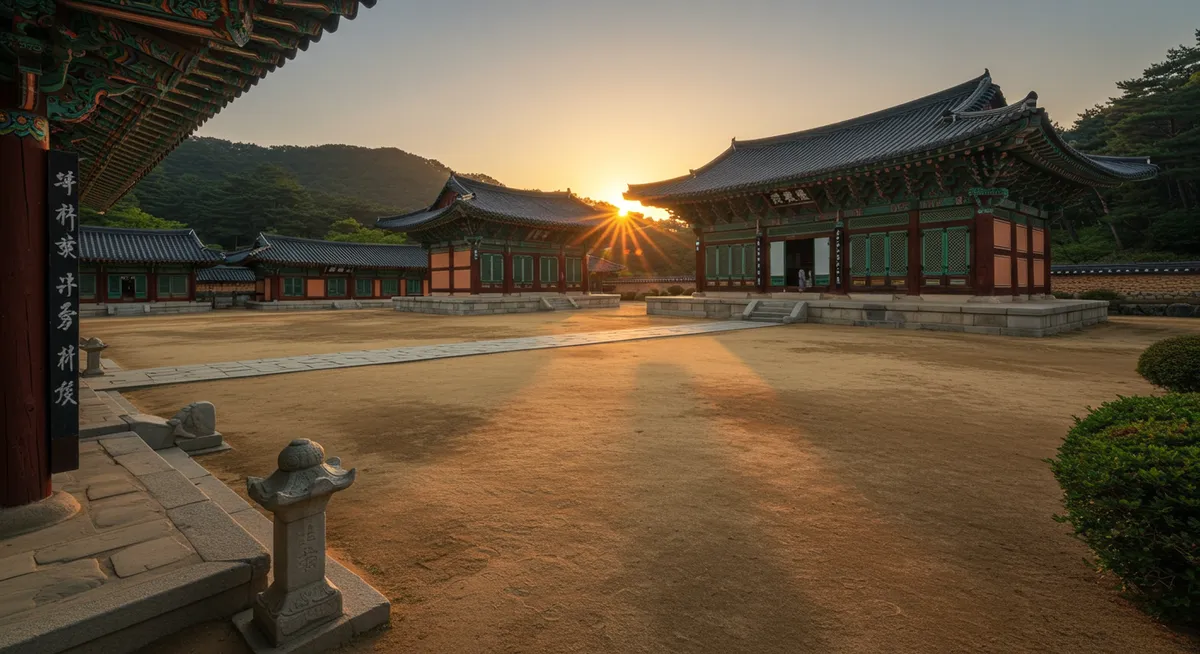
TL;DR: Bulguksa Temple is a UNESCO World Heritage Buddhist temple in Gyeongju, South Korea, dating back to 774 AD. In 2026, adult admission is 6,000 KRW, the temple opens daily from 7:00 AM, and the best seasons to visit are spring (April-May) and autumn (October-November). Allow 2-3 hours for a full visit, take Bus 10 or 11 from central Gyeongju, and combine your trip with Seokguram Grotto and the broader Gyeongju historic area.
Why Bulguksa Temple Deserves a Spot on Your 2026 Gyeongju Itinerary
Turn this guide into a personal route with our free Gyeongju itinerary planner.
Bulguksa Temple is not just another stop on a South Korea itinerary — it is the architectural and spiritual centerpiece of Gyeongju, the ancient capital of the Silla Kingdom. Designated a UNESCO World Heritage site in 1995 alongside the nearby Seokguram Grotto, the temple complex represents over 1,200 years of Korean Buddhist heritage. For travelers visiting South Korea in 2026, Bulguksa remains one of the most rewarding cultural experiences in the country, offering a rare window into the artistry, engineering, and devotion of the Silla era.
The temple grounds sit against the western slopes of Mount Toham, surrounded by forests that shift dramatically with the seasons. Whether you are a history enthusiast, a photographer chasing golden-hour light on ancient stone pagodas, or a traveler seeking quiet reflection, Bulguksa delivers on every front. This Bulguksa Temple Gyeongju travel guide covers the practical details and deeper context you need to make the most of your 2026 visit.
History and Significance of Bulguksa Temple
Bulguksa Temple was originally constructed in 528 AD during the reign of King Beopheung, but the grand complex visitors see today largely dates to a massive expansion completed in 774 AD under Prime Minister Kim Daeseong. Kim Daeseong is also credited with commissioning Seokguram Grotto, and together these two sites represent the pinnacle of Silla Kingdom Buddhist architecture.
The temple suffered significant damage during the Japanese invasions of the 1590s (Imjin War), when many of its wooden structures were burned. Extensive restoration work carried out through the 20th century — most notably a major project completed in 1973 — returned the complex to much of its former grandeur. Today, seven national treasures are housed within the grounds, including the iconic Dabotap and Seokgatap stone pagodas, the Cheongungyo and Baegungyo stone bridges, and the gilt-bronze statues of Vairocana and Amitabha Buddha.
Understanding this layered history transforms a visit from simple sightseeing into genuine time travel. Each structure carries the fingerprints of different eras — Silla stone foundations, Joseon-era wooden rebuilds, and modern conservation work — making Bulguksa a living timeline of Korean cultural resilience. For a broader look at the region's heritage, our Gyeongju historical sites guide covers additional must-see landmarks.
What to See Inside Bulguksa Temple
The temple complex is organized around several courtyards and halls, each with distinct spiritual and architectural significance. Here are the highlights you should not miss:
Cheongungyo and Baegungyo Bridges: These paired stone staircases (National Treasures No. 23) lead from the secular world into the sacred temple grounds. The lower Baegungyo (White Cloud Bridge) has 16 steps, while the upper Cheongungyo (Blue Cloud Bridge) has 17 steps, together symbolizing the 33 steps to enlightenment. Visitors can no longer walk on the bridges themselves — they are preserved behind barriers — but a side path provides access to the main courtyard.
Dabotap and Seokgatap Pagodas: Standing in the main courtyard before Daeungjeon Hall, these two pagodas are among the most recognizable structures in South Korea. Seokgatap (National Treasure No. 21) is elegantly simple with three clean tiers, while Dabotap (National Treasure No. 20) features an ornate, multi-layered design. The contrast between them is intentional, representing different aspects of Buddhist teaching.
Daeungjeon (Hall of Great Enlightenment): The main worship hall houses a seated Sakyamuni Buddha and is the focal point of daily Buddhist ceremonies. The vibrant dancheong (traditional decorative painting) on the eaves and beams is particularly striking.
Gwaneumjeon (Hall of Avalokiteshvara): Set on higher ground behind the main hall, this smaller pavilion offers a quieter atmosphere and views over the temple rooftops. The wooden fish drum (mokeo) outside the hall is used in daily rituals.
Birojeon (Hall of Vairocana Buddha): This hall contains the gilt-bronze Vairocana Buddha statue (National Treasure No. 26), one of the finest examples of Silla-era metalwork.
Plan to spend at least two to three hours exploring the full complex at a relaxed pace. Morning visits before 9:00 AM offer the best lighting and smallest crowds.
Practical Information: Tickets, Hours, and Getting There in 2026
Opening Hours: Bulguksa Temple is open daily. In 2026, general hours are 7:00 AM to 5:30 PM (November-February) and 7:00 AM to 6:00 PM (March-October). These may shift slightly for special events or holidays, so check the official Gyeongju tourism website before your visit.
Admission: Adult tickets cost 6,000 KRW (approximately $4.50 USD). Children and seniors receive discounted rates. The ticket covers access to the full temple grounds.
Getting There by Bus: From Gyeongju Bus Terminal or Gyeongju Station, take city bus number 10 or 11. The ride takes approximately 40 minutes and drops you at the Bulguksa stop, from which it is a 10-minute walk through a tree-lined path to the entrance. Buses run every 15-20 minutes. For details on reaching Gyeongju itself, see our guide on how to get from Seoul to Gyeongju.
Getting There by Taxi: A taxi from central Gyeongju takes 20-25 minutes and costs around 15,000-20,000 KRW. Taxis are readily available at the bus terminal and train station.
Getting There by Car: Paid parking is available near the temple entrance. Navigate to "Bulguksa Temple Parking Lot" on Naver Map or KakaoMap for the most accurate directions.
What to Wear: Dress respectfully — cover shoulders and knees. Comfortable walking shoes are essential, as the grounds include stone steps and uneven paths. In summer, bring water and sun protection; in winter, dress warmly as the mountain location can be several degrees colder than central Gyeongju.
Best Time to Visit Bulguksa Temple
Each season offers a different character at Bulguksa, but two periods stand out as exceptional:
Spring (April-May): Cherry blossoms line the approach road and frame the temple buildings, creating one of the most photographed scenes in Gyeongju. Mid-April typically brings peak bloom. Temperatures are mild (15-22°C), making extended walks comfortable.
Autumn (October-November): The forests surrounding Mount Toham erupt in red, orange, and gold. The contrast between vibrant foliage and grey stone structures is stunning. Late October through early November is the sweet spot for fall colors.
Summer (June-August): Hot and humid, with occasional heavy rain during the monsoon season (July). Crowds thin on rainy weekdays, which can actually be an atmospheric time to visit — the wet stone surfaces and misty mountain backdrop create a moody, cinematic setting.
Winter (December-February): The quietest season, sometimes with snow dusting the temple roofs. Temperatures can drop below freezing, but the absence of crowds and the stark beauty of the landscape make it worthwhile for those who dress appropriately.
For broader seasonal planning, our best time to visit Gyeongju guide covers weather patterns, festivals, and accommodation pricing throughout the year.
Combining Bulguksa with Seokguram Grotto and Other Gyeongju Attractions
Bulguksa Temple and Seokguram Grotto are sister sites, and visiting both in a single day is highly recommended. From the Bulguksa bus stop, a shuttle bus runs to Seokguram Grotto every 30 minutes (about a 15-minute ride up the mountain). The grotto houses a masterful stone Buddha statue gazing east toward the East Sea — it is considered one of the finest Buddhist sculptures in Asia.
Beyond Seokguram, Gyeongju is dense with historical sites. The Tumuli Park royal tombs, Cheomseongdae Observatory, Anapji Pond (Donggung Palace), and the Gyeongju National Museum are all within central Gyeongju and can fill one to two additional days. For a structured plan, check our Gyeongju 2-day itinerary or the more thorough Gyeongju 3-day itinerary.
If you are exploring more of South Korea, Gyeongju pairs naturally with Busan, which is just one hour away by KTX train. Many travelers split their trip between the modern energy of Busan and the ancient calm of Gyeongju. For food recommendations while in town, our Gyeongju food guide covers the best local dishes, from Gyeongju bread (hwangnam-ppang) to ssambap restaurants near the historic district.
Insider Tips for Visiting Bulguksa Temple in 2026
After multiple visits across different seasons, here are the practical tips that make the biggest difference:
- Arrive before 8:00 AM. Tour buses typically arrive between 9:30 and 10:00 AM. The first two hours after opening are peaceful, with better photo opportunities and a more contemplative atmosphere.
- Use Naver Map, not Google Maps. Google Maps is unreliable for Korean public transit and driving directions. Naver Map (available in English) provides accurate bus schedules and walking routes.
- Bring cash for the ticket counter. While some machines accept cards, having Korean won in cash avoids delays. The nearby shops and restaurants also prefer cash.
- Walk the forest path. After passing through the main parking area, the paved path to the entrance passes through a quiet forest — resist the urge to rush through it. The approach is part of the experience.
- Check for temple stay programs. Bulguksa occasionally offers overnight temple stay experiences, including meditation sessions, Buddhist meals, and early-morning ceremonies. These must be booked in advance through the Templestay website (eng.templestay.com).
- Combine with sunset at Seokguram. If timing allows, visit Bulguksa in the morning and Seokguram in the late afternoon. The grotto faces east, but the surrounding mountain views at sunset are memorable.
For accommodation options near the temple area, see our guide on where to stay in Gyeongju, which covers guesthouses near the historic district as well as hotels closer to the Bulguksa area.
Frequently Asked Questions
How much time should I allocate for visiting Bulguksa Temple?
Is Bulguksa Temple wheelchair accessible?
Can I visit Bulguksa Temple and Seokguram Grotto in one day?
Are there restaurants or cafes near Bulguksa Temple?
What is the best way to get from Seoul to Bulguksa Temple?
Is Bulguksa Temple free for children?
Bulguksa Temple remains one of the most compelling reasons to visit Gyeongju in 2026. Its combination of architectural beauty, deep historical layers, and serene mountain setting creates an experience that resonates long after you leave. Whether you are spending one day in Gyeongju or building a longer 5-day itinerary, make Bulguksa your first stop — it sets the tone for everything that follows.