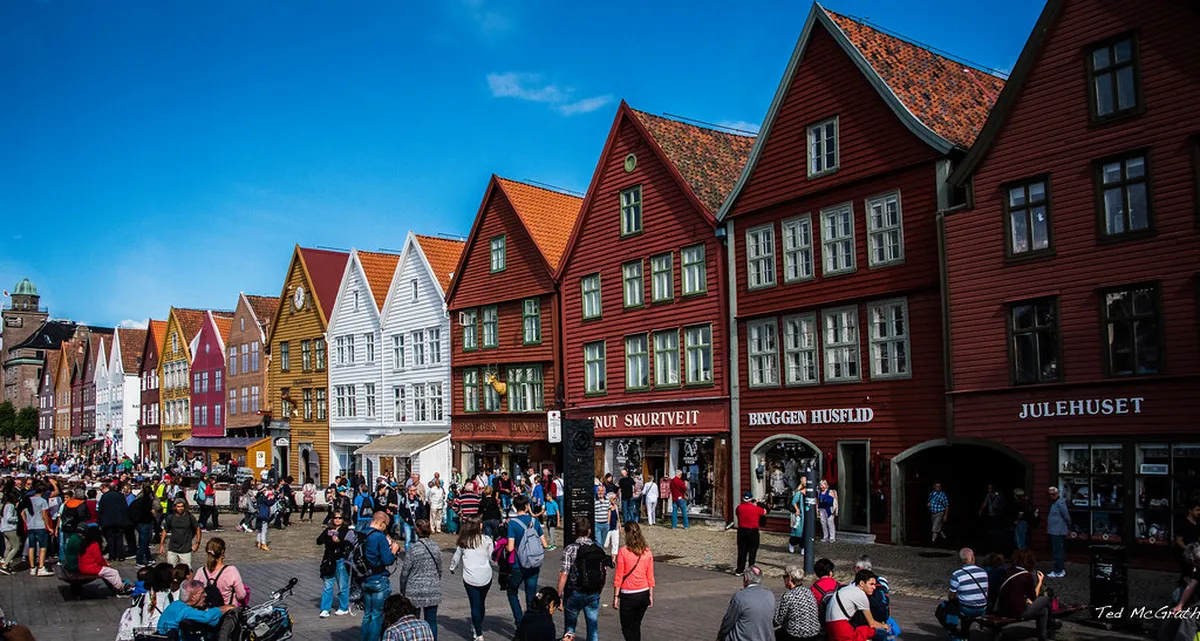
Trondheim, Norway, boasts a rich architectural heritage. Its charming streets showcase unique wooden architecture in Trondheim. This guide explores traditional Norwegian wooden building techniques. You will learn about their history and construction methods. Prepare to discover the beauty of Trondheim's timber structures. For more details, explore our historic wooden buildings guide for Trondheim.
The Legacy of Wooden Architecture in Trondheim
Turn this guide into a personal route with our free Trondheim itinerary planner.
Trondheim's history is deeply intertwined with wood. Frequent devastating fires shaped its unique urban landscape. Many structures were rebuilt using traditional timber. This ensured a consistent and beloved architectural style. These techniques represent centuries of Norwegian craftsmanship.
The city's rapid rebuilding often followed strict guidelines. Builders utilized local wood resources effectively. They perfected methods passed down through generations. This created the distinct character seen today. You can still see influences from various periods like the Baroque architecture in Trondheim.
Early constructions often featured simpler designs. Over time, techniques grew more elaborate. Wealthy merchants built grand homes and warehouses. These reflected their prosperity and status. The city’s Trondheim city planning history reveals wood’s enduring importance. It remains a key material for many structures.
Today, this legacy is carefully preserved. The wooden buildings stand as historical markers. They tell stories of resilience and adaptation. Visitors in 2026 can admire these enduring structures. They embody the spirit of Norwegian ingenuity. Explore some of Trondheim's oldest buildings to see these techniques up close.
Key Traditional Norwegian Wooden Building Techniques
Traditional Norwegian wooden building techniques focused on durability. They utilized available natural resources. Log construction was a primary method. Large timber logs were carefully fitted together. This created strong, insulated walls for homes.
Another common technique was timber framing. This involved creating a sturdy framework. Beams and posts formed the building’s skeleton. Walls were then filled with other materials. This allowed for larger openings and more complex designs.
Joinery played a crucial role in these methods. Craftsmen used interlocking joints. These connections provided stability without many metal fasteners. The skill involved in these techniques was remarkable. It showcases a deep understanding of wood properties.
Roofs were often steep, covered with turf or slate. This design helped shed snow and rain efficiently. The construction methods adapted to Norway’s harsh climate. These techniques are fundamental to Trondheim's distinctive wooden architecture. They reflect practical and aesthetic considerations.
Even the painting methods were traditional. Red ochre paint, for instance, protected wood. It also gave buildings their iconic vibrant hues. These combined elements create the unique appeal of Trondheim city center buildings. Understanding these methods enhances your appreciation.
Iconic Wooden Structures: Where to See Them in Trondheim
Trondheim offers many excellent examples. You can admire traditional wooden buildings easily. The Bakklandet district is a must-see. Its narrow cobbled streets feature colorful Bakklandet's charming wooden houses. These were once homes for workers and artisans. Today, they host cafes and boutiques.
The majestic Stiftsgården is another highlight. This royal residence is Europe's largest wooden palace. It showcases grand 18th-century timber craftsmanship. You can often take guided tours inside. Check opening hours for Stiftsgården royal residence before your visit in 2026. Tickets might cost around 100-150 NOK.
Along the Nidelva River, you’ll find the historic wharf houses. These brightly painted wooden buildings line the waterfront. They once served as warehouses. Now, many house apartments or businesses. Their reflections in the river are truly picturesque. This area provides stunning examples of waterfront architecture.
Walk across Gamle Bybro (Old Town Bridge). From here, you get iconic views of the wharf houses. This bridge itself has wooden elements. It connects different historical areas of Trondheim. It’s a perfect spot for photography. The views are especially beautiful at sunset.
Preserving Trondheim's Wooden Heritage for 2026
Preservation efforts are vital in Trondheim. Protecting these historic wooden buildings is a priority. Local authorities and heritage groups work together. They ensure that traditional structures remain sound. This involves careful restoration work.
Conservation techniques often mimic original methods. Specialists use traditional tools and materials. They aim to maintain authenticity. This ensures the buildings retain their historical value. Learning about renovation and conservation efforts is fascinating.
Challenges include fire safety and modern needs. Integrating contemporary utilities into old structures is complex. However, balancing old and new is crucial. Trondheim continuously adapts to these demands. The goal is to keep its unique character.
Visitors can support these efforts directly. Choosing local businesses in historic areas helps. Participating in architectural workshops also raises awareness. These buildings are living museums. They connect us to Norway's past. Their future depends on continued care and appreciation. You might also see examples of sustainable architecture practices in newer constructions.
Frequently Asked Questions
What are the most common traditional Norwegian wooden building techniques?
The most common techniques include log construction and timber framing. Log construction involves stacking horizontal logs. Timber framing uses a heavy timber skeleton. Both methods prioritize strong, interlocking joints. These techniques were essential for durable buildings. They withstood Norway's challenging climate.
Where can I best experience Trondheim's historic wooden architecture?
The Bakklandet district offers charming wooden houses. The Nidelva River's wharf buildings are also iconic. Stiftsgården, the royal residence, is another prime example. Consider joining architectural walking tours. These tours provide expert insights. You can find a detailed Trondheim architecture itinerary online.
When is the best time to visit Trondheim for architectural sightseeing?
Spring (May-June) and early autumn (September) are ideal. The weather is mild and pleasant. Crowds are also typically smaller than in summer. This allows for comfortable exploration. Check our guide on the best time to visit for more details. Many outdoor sites are easily accessible then.
Trondheim's traditional Norwegian wooden building techniques tell a powerful story. They showcase resilience, artistry, and clever adaptation. Exploring these structures offers a unique insight. It highlights Norway's rich cultural heritage. Plan your visit to Trondheim in 2026. Discover these magnificent timber buildings firsthand. Immerse yourself in the city's unique architectural charm. For more inspiration, browse our Trondheim architectural itinerary or other travel guides.
Key Takeaways
- Trondheim's wooden architecture reflects centuries of traditional Norwegian building techniques.
- Visit Bakklandet, Stiftsgården, and the wharf houses to see iconic examples.
- Support preservation efforts by exploring responsibly and learning about conservation.