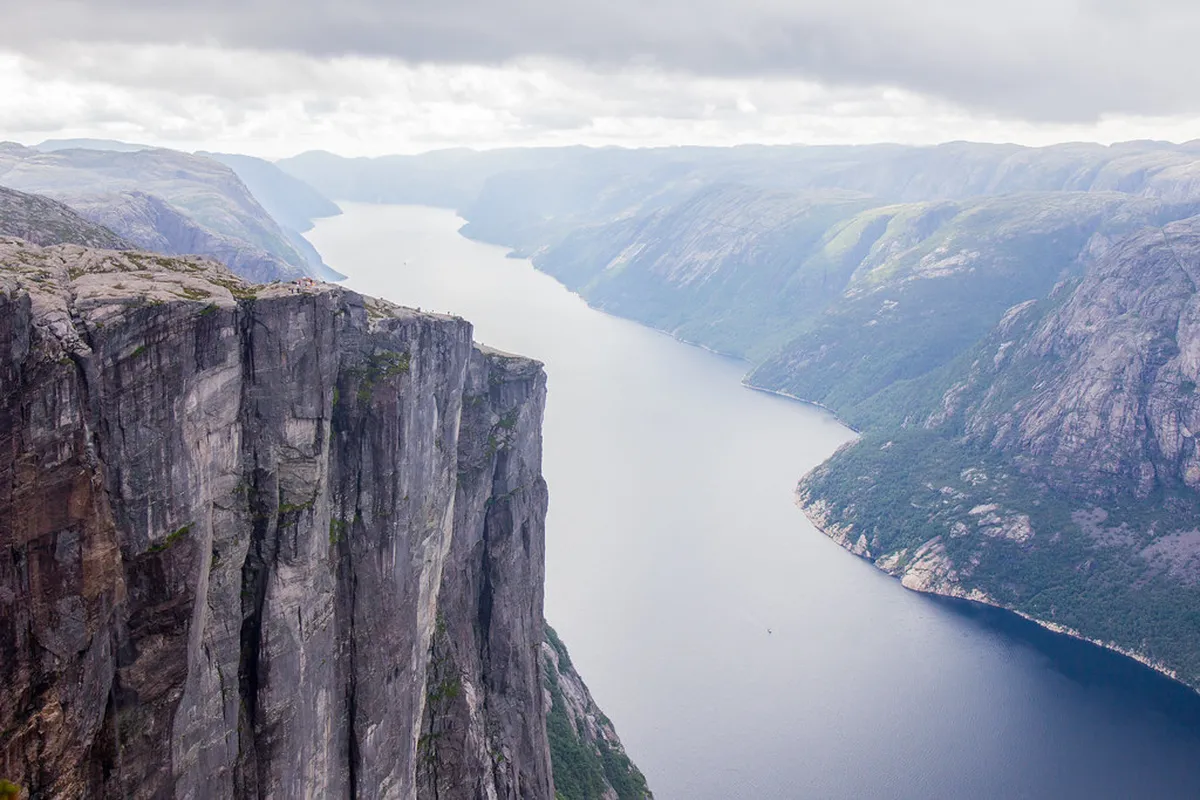
TL;DR: Stavanger delivers a striking mix of dramatic fjord scenery, preserved wooden neighborhoods, world-class museums, and adventure hikes. The must-see attractions for 2026 include Preikestolen (Pulpit Rock), Gamle Stavanger, Stavanger Cathedral, Lysefjord cruises, the Norwegian Petroleum Museum, and Kjeragbolten. Most city-center sights are walkable within a single day, while the marquee hikes require a full day each. Budget roughly 200-800 NOK per person for paid activities and transport.
Gamle Stavanger: Europe's Best-Preserved Wooden Settlement
Turn this guide into a personal route with our free Stavanger itinerary planner.
Gamle Stavanger — known as Old Stavanger — is the single most atmospheric neighborhood in the city. Roughly 170 white wooden houses line narrow cobblestone lanes, most dating to the late 18th and early 19th centuries. Unlike open-air museums, this is a living district: residents still call these homes their own, and flower boxes spill color from every windowsill during summer months.
The area sits directly west of Vågen Harbor, making it an easy walk from the city center. No entrance fee applies — you can wander freely day or night. Small galleries, ceramic workshops, and independent boutiques occupy several ground-floor spaces, generally open 10:00-17:00 from May through September. Allow 1-2 hours to explore at a relaxed pace.
For a structured visit, follow our Old Stavanger walking route, which threads through the most photogenic alleys and historically significant buildings. Architecture enthusiasts will also appreciate the craftsmanship documented in our best photo spots in Old Stavanger architecture guide. If you plan to base yourself in this area, check our Stavanger hotels for beginners guide for nearby accommodation options that blend convenience with local character.
Stavanger Cathedral and the Vibrant Vågen Harbor
Stavanger Cathedral (Stavanger Domkirke) is Norway's oldest cathedral, consecrated around 1125. The Romanesque nave and Gothic chancel tell nine centuries of architectural evolution. After extensive restoration work completed in late 2024, the cathedral reopened with refreshed interiors and improved accessibility features in time for the 2026 season.
General admission is approximately 50 NOK for adults. Opening hours typically run Tuesday through Saturday, 11:00-16:00, with extended hours during peak summer weeks. Guided tours are available for groups and offer deeper insight into the medieval stonework and stained-glass windows.
Immediately east of the cathedral lies Vågen Harbor, the social heart of Stavanger. Colorful merchant buildings frame the waterfront, and the quay buzzes with restaurants, bars, and fish markets. This is also where many Stavanger fjord cruise bookings depart — making it a natural launchpad for day excursions on Lysefjord.
If you are watching your travel budget, our best budget eats in Stavanger guide highlights affordable harbor-area restaurants serving fresh seafood and traditional Norwegian dishes. Sunset views from the harbor benches are free and among the best in the city.
Preikestolen (Pulpit Rock): The Iconic Fjord Hike
No Stavanger trip is complete without seeing Preikestolen. This flat-topped granite cliff juts 604 meters straight above Lysefjord, offering one of the most photographed panoramas in Scandinavia. Standing at the edge — with nothing between you and the fjord below — is an experience that stays with you long after you leave Norway.
The hike from the Preikestolen Mountain Lodge trailhead covers roughly 8 kilometers round trip and takes most hikers 4-5 hours. The trail is well-marked but involves rocky sections, boardwalks, and moderate elevation gain. Sturdy hiking boots are essential, and you should carry at least 1.5 liters of water, snacks, and a rain layer regardless of the forecast.
The recommended hiking season runs from late April through October 2026. Outside this window, snow, ice, and limited daylight make the trail dangerous for unprepared hikers. Transport from Stavanger to the trailhead involves a ferry across the Lysefjord followed by a short bus ride. Several tour operators offer all-inclusive packages that handle logistics.
For gear checklists, route maps, and safety guidelines, read our dedicated Pulpit Rock hike essentials page. Timing your visit matters too — consult our best time to visit Stavanger article for seasonal weather data and crowd patterns that help you pick the optimal hiking window.
Norwegian Petroleum Museum: Norway's Energy Story
Stavanger earned its "oil capital" status when North Sea drilling transformed the city's economy in the 1970s. The Norwegian Petroleum Museum (Norsk Oljemuseum) brings that story to life through interactive exhibits, scale models of offshore platforms, and immersive simulations — including a realistic oil-rig emergency evacuation experience that kids and adults find equally gripping.
The museum's angular concrete building, designed to echo an offshore installation, sits on the harbor waterfront. Admission runs roughly 150 NOK for adults, with discounted rates for children, students, and seniors. Opening hours are typically 10:00-16:00 daily, expanding to 10:00-19:00 during July and August 2026. Plan 2-3 hours for a thorough visit.
Beyond petroleum, the museum increasingly covers renewable energy and Norway's transition toward a greener future — making it relevant far beyond industry enthusiasts. Combine your visit with a harbor-area walk and lunch for a well-rounded half-day itinerary. This museum pairs naturally with any Stavanger itinerary and provides essential context for understanding the modern Norwegian economy.
Street Art, the Canning Museum, and Stavanger's Cultural Side
Stavanger punches above its weight culturally. The annual NuArt Festival — typically held each September — has turned the city into an open-air gallery. World-renowned street artists leave large-scale murals on building facades across the downtown core. A self-guided walking tour through the central streets reveals dozens of pieces, from political commentary to abstract expressionism. Our best street art locations Stavanger city map pinpoints every major work so you can plan an efficient route.
For a different kind of cultural immersion, visit the Norwegian Canning Museum (Norsk Hermetikkmuseum) in Gamle Stavanger. Before oil, sardine canning was the city's economic engine. This small, atmospheric museum occupies an original canning factory and demonstrates the production process with period machinery. Admission is around 100 NOK, and the museum operates seasonally — generally May through September — so verify 2026 dates before your visit.
Together, the street art scene and the Canning Museum reveal Stavanger's ability to honor its industrial past while embracing contemporary creativity. For broader cultural planning, see our Stavanger local culture guide.
Kjeragbolten and Lysefjord Adventures
If Preikestolen whetted your appetite for dramatic cliff experiences, Kjeragbolten raises the stakes. This boulder — wedged between two rock faces 1,000 meters above Lysefjord — is one of Norway's most thrilling photo spots. Standing on it requires nerves of steel but no technical climbing skill.
The hike to reach Kjeragbolten is substantially harder than Pulpit Rock. Expect steep chains-assisted ascents, exposed terrain, and a round-trip time of 6-10 hours. This trail is recommended only for fit, experienced hikers with proper equipment. The season is shorter too: June through September only, weather permitting.
Access typically involves a ferry from Stavanger to Lysebotn, followed by a bus to the trailhead. Schedules are limited, so plan carefully and book early. For the full logistics breakdown, read our Kjeragbolten day trip guide.
Travelers who prefer scenic views without the physical demands can opt for a Lysefjord cruise instead. Boat tours depart daily from Stavanger during summer 2026, passing beneath Pulpit Rock, alongside dramatic waterfalls, and near Kjeragbolten itself. Prices start around 600-800 NOK per person. Booking in advance is strongly recommended during July and August. For overall transport logistics and trip-planning tips, consult our Stavanger practical travel tips page.
How to Plan Your Stavanger Visit in 2026
Stavanger's compact city center means most urban attractions — Gamle Stavanger, the cathedral, Vågen Harbor, the Petroleum Museum, and street art — can be covered in a single day on foot. Allocate separate full days for Preikestolen and Kjeragbolten if you plan to hike both.
A well-structured 3-day trip covers the highlights comfortably. For detailed day-by-day planning, explore our Stavanger 3-day itinerary or, if you have more time, the Stavanger 5-day itinerary. First-time visitors may also benefit from our Stavanger itinerary for first-timers, which prioritizes the most rewarding experiences.
For getting between attractions, the city center is walkable while outer destinations require buses or ferries. Our getting around Stavanger tips guide breaks down all public transport options, including the Stavanger region travel pass that can save money on multi-day visits.
Frequently Asked Questions
What are the must-see attractions in Stavanger for a short 2026 trip?
For a short visit, prioritize Gamle Stavanger's wooden houses, the Stavanger Cathedral, and Vågen Harbor — all walkable within a few hours. Add a Lysefjord cruise if you have a full day, or tackle the Preikestolen hike if you have two days. The Norwegian Petroleum Museum is worthwhile if you have a spare half-day.
How much does it cost to visit Stavanger's main attractions in 2026?
Many of Stavanger's top sights are free, including Gamle Stavanger and the street art scene. Museum admission ranges from 100-150 NOK per adult. The Preikestolen hike itself is free, but ferry and bus transport costs 200-500 NOK round trip. Lysefjord cruises start at 600-800 NOK. For detailed budget planning, see our Stavanger practical travel tips.
When is the best time to visit Stavanger for hiking in 2026?
The prime hiking season runs from late April through October. For Preikestolen, June through September offers the most reliable weather and longest daylight. Kjeragbolten has a shorter window — June to September only. July and August are warmest but also busiest. An early June or September visit balances good conditions with thinner crowds.
Is Stavanger easy to get around without a car?
Yes. The city center is compact and fully walkable. Public buses cover the greater Stavanger area efficiently, and ferries connect to Lysefjord trailheads. The Kolumbus regional travel pass simplifies multi-day transit. For hikes like Preikestolen and Kjeragbolten, organized tours handle all transport logistics. Read our getting around Stavanger tips for full details.
Can I visit both Preikestolen and Kjeragbolten in one trip?
Absolutely, but plan for separate days. Preikestolen takes 4-5 hours of hiking plus transport time, while Kjeragbolten demands 6-10 hours on the trail. Most travelers dedicate one full day to each hike with a rest day between. A 5-day Stavanger itinerary comfortably accommodates both hikes plus city sightseeing.
Key Takeaways
- Gamle Stavanger and Vågen Harbor deliver the city's best historical atmosphere and are free to explore year-round.
- Preikestolen (Pulpit Rock) is the signature hike — 4-5 hours round trip with jaw-dropping Lysefjord views from 604 meters.
- The Norwegian Petroleum Museum offers interactive exhibits that explain why Stavanger became Norway's wealthiest city.
- Kjeragbolten is the advanced alternative for experienced hikers seeking a more demanding cliff-edge experience.
- Lysefjord cruises provide dramatic scenery without the physical demands of hiking — ideal for families and short visits.
- Most city-center attractions are walkable in a day; budget separate full days for each major hike.