TL;DR: This Tokyo itinerary 5 days PDF guide walks you through a logical, neighborhood-grouped plan for 2026. Day 1 covers western Tokyo (Shibuya, Harajuku, Shinjuku). Day 2 explores traditional eastern Tokyo (Asakusa, Ueno, Akihabara). Day 3 mixes culture and shopping in central Tokyo (Imperial Palace, Ginza, Tsukiji). Day 4 takes you on a memorable day trip to Mt. Fuji or Hakone. Day 5 wraps up in southern Tokyo (Odaiba, Roppongi) with last-minute souvenir shopping. Save this page or use our free itinerary builder to generate your own printable PDF.
Why You Need a 5-Day Tokyo Itinerary for 2026
Turn this guide into a personal route with our free Tokyo itinerary planner.
Tokyo sprawls across 2,194 square kilometers, making it larger than New York City. Without a structured plan, first-time visitors waste hours backtracking between far-flung neighborhoods. A well-organized Tokyo itinerary 5 days groups nearby attractions together so each day flows naturally, saving you both time and train fares.
Five days strikes the ideal balance: enough time to experience iconic landmarks, sample world-class street food, explore pop-culture hubs, and squeeze in a day trip beyond the city limits. Whether you are visiting during cherry blossom season in spring or the crisp autumn foliage months, this 2026 plan adapts to any season. For travelers with more flexibility, our 10-day Tokyo itinerary extends the adventure further.
Day 1: Western Tokyo — Shibuya, Harajuku, and Shinjuku
Start your 5-day Tokyo itinerary on the city's energetic west side, where neon lights, fashion boutiques, and panoramic observation decks set the tone for the trip.
Morning: Meiji Shrine and Harajuku
Begin at Meiji Shrine (Meiji Jingu), set within 170 acres of forested parkland just steps from Harajuku Station. Arriving before 9:00 AM lets you experience the serene gravel paths and towering torii gates without heavy crowds. After the shrine, walk down Takeshita Street for Harajuku's famous crepes, kawaii fashion shops, and vibrant street art. Sunday mornings bring cosplayers and street performers, adding an extra layer of spectacle. For a deeper dive into the area's quirky side, check our Tokyo anime and pop culture guide.
Afternoon: Shibuya Crossing and Cat Street
Head south to Shibuya, the neighborhood synonymous with Tokyo's urban energy. Cross the world-famous Shibuya Scramble intersection — up to 3,000 people cross simultaneously during peak times. For the best overhead photo, visit the Shibuya Sky observation deck on the rooftop of Shibuya Scramble Square (tickets around 2,000 yen). Afterward, explore Cat Street (Ura-Harajuku) for independent boutiques and specialty coffee shops. Our Tokyo cafe culture guide highlights the best spots.
Evening: Shinjuku Nightlife and Views
End the day in Shinjuku. For a free panoramic view of the city skyline (and potentially Mt. Fuji on clear days), visit the observation deck at the Tokyo Metropolitan Government Building — open until 11:00 PM. Then wander through Omoide Yokocho (Memory Lane) for yakitori skewers and cold beer at tiny open-air stalls. The atmospheric alleyway feels like stepping back in time. If you are traveling with children, our Tokyo family travel guide suggests kid-friendly dinner alternatives.
Day 2: Eastern Tokyo — Asakusa, Ueno, and Akihabara
Today you explore Tokyo's traditional heart and its famous electric town, all connected by a short metro ride along the east side.
Morning: Senso-ji Temple and Nakamise-dori
Arrive at Senso-ji, Tokyo's oldest Buddhist temple (founded 645 AD), by 8:00 AM to photograph the iconic Kaminarimon gate without tourist crowds. Stroll down Nakamise-dori, the 250-meter shopping street leading to the temple, picking up traditional snacks like ningyo-yaki (sweet bean-paste cakes) and thunder crackers. For a comprehensive look at Tokyo's spiritual sites, see our Tokyo temples and shrines guide.
Afternoon: Ueno Park and Museums
Take the Ginza Line to Ueno and spend the afternoon in Ueno Park, home to five major museums, a zoo, and the Shinobazu Pond. The Tokyo National Museum houses the world's largest collection of Japanese art and artifacts — budget at least 90 minutes here. In spring, Ueno Park is one of the top cherry blossom viewing spots in the city; our Tokyo cherry blossom guide covers timing and other prime locations.
Evening: Akihabara Electric Town
After sunset, Akihabara transforms into a glowing maze of electronics shops, anime stores, manga cafes, and themed restaurants. Whether you are hunting for retro video games, figurines, or a dinner served by costumed staff at a maid cafe, Akihabara delivers a quintessentially Tokyo experience. For budget travelers, our Tokyo budget travel guide covers how to enjoy Akihabara without overspending.
Day 3: Central Tokyo — Imperial Palace, Tsukiji, and Ginza
Day three brings you to the geographic and cultural center of the city, blending imperial history with culinary adventure and luxury shopping.
Morning: Imperial Palace East Gardens
The East Gardens of the Imperial Palace are free to enter and open from 9:00 AM. Walk the moats, stone walls, and manicured lawns that once formed the inner circle of Edo Castle. The Ninomaru Garden is particularly photogenic. Plan about 60 to 90 minutes for a complete loop. This central location makes it easy to connect to the rest of your Tokyo 5-day plan.
Late Morning: Tsukiji Outer Market
A ten-minute walk east brings you to Tsukiji Outer Market, still Tokyo's best destination for street-level seafood. Arrive before 11:00 AM for the freshest tuna sashimi bowls, tamagoyaki (Japanese rolled omelet), and grilled scallops on skewers. Vendors are generally open from 5:00 AM to 2:00 PM, but the sweet spot is between 9:00 and 11:00 AM. For more food recommendations, explore our Tokyo food guide and Tokyo street food guide.
Afternoon and Evening: Ginza Shopping and teamLab
After lunch, explore Ginza, Tokyo's premier upscale shopping district. Browse flagship stores along Chuo-dori, visit the rooftop garden at Ginza Six, or explore the Itoya stationery building (12 floors of paper goods and art supplies). In the evening, consider visiting teamLab Borderless at Azabudai Hills (opened 2024) for immersive digital art — book tickets online in advance as they sell out. Refer to our Tokyo art and museum guide for more gallery options.
Day 4: Day Trip — Mt. Fuji, Hakone, or Kamakura
A day trip outside Tokyo is one of the highlights of any five-day Tokyo itinerary. Three destinations stand out, each reachable in under two hours by train.
Option A: Mt. Fuji and the Five Lakes
Take the JR Chuo Line to Otsuki, then transfer to the Fuji Excursion direct train to Kawaguchiko Station (about 2 hours total). From the lakeside town, you get postcard-perfect views of Mt. Fuji reflected in Lake Kawaguchi. Visit the Chureito Pagoda for the iconic five-story pagoda framed by Fuji, or ride the Kachi Kachi Ropeway for an aerial perspective. Our Tokyo day trip to Mt. Fuji guide has detailed logistics and seasonal advice.
Option B: Hakone Hot Springs
The Odakyu Romance Car whisks you from Shinjuku to Hakone-Yumoto in 85 minutes. Spend the day riding the Hakone Loop — cable car, ropeway, pirate ship cruise on Lake Ashi — and soak in a traditional onsen (hot spring bath). On clear days, Mt. Fuji appears across the lake. The Hakone Free Pass (around 6,100 yen) covers all loop transport and is excellent value. For more options, browse our Tokyo day trips roundup.
Option C: Kamakura Temples and Beach
Just one hour south on the JR Yokosuka Line, Kamakura offers a quieter cultural experience. See the Great Buddha (Kotoku-in), hike the Daibutsu trail between temples, and finish with a walk along Yuigahama Beach. Our guide on getting to Kamakura from Tokyo covers train routes and timing.
Day 5: Southern Tokyo and Final Souvenirs
Your last day mixes futuristic attractions with a final shopping sweep before heading to the airport.
Morning: Odaiba Waterfront
Take the Yurikamome monorail to Odaiba for waterfront views of Rainbow Bridge and the Tokyo skyline. Visit the life-size Unicorn Gundam statue at DiverCity Tokyo Plaza, explore the Miraikan (National Museum of Emerging Science and Innovation), or simply stroll the boardwalk. The area is spacious and uncrowded in the morning — a refreshing contrast to the dense city center.
Afternoon: Roppongi and Tokyo Tower
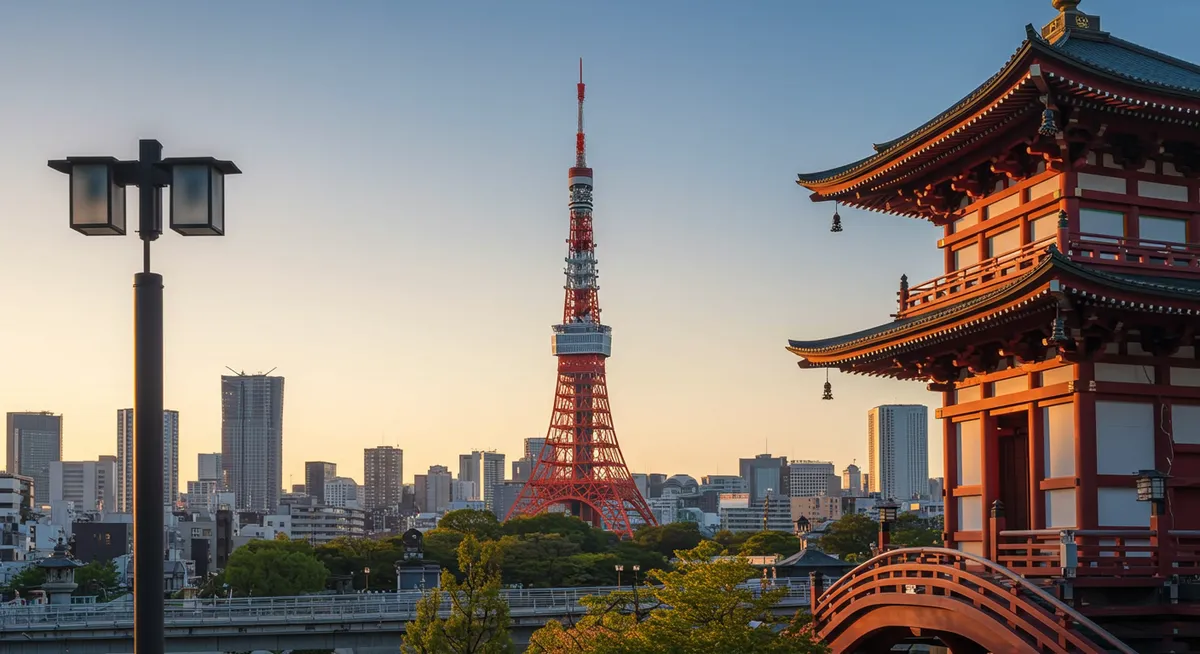
Head to Roppongi for a visit to Tokyo Tower, the 333-meter landmark offering 360-degree views. The main observation deck (150 meters) provides a different perspective than Shibuya Sky, with Tokyo Bay and the Imperial Palace area in clear view. If you have time, the Mori Art Museum in Roppongi Hills features rotating contemporary exhibitions. For finding unique souvenirs, our Tokyo shopping guide and Tokyo Station shopping guide will help you pick up last-minute gifts before departure.
Evening: Departure Preparation
If flying out from Narita Airport, budget 90 minutes for the Narita Express from Tokyo Station or Shinjuku. For Haneda Airport, the Tokyo Monorail from Hamamatsucho takes just 13 minutes. Pick up ekiben (train station bento boxes) at Tokyo Station's underground Gransta mall for a final taste of Japan on your journey home.
How to Save and Download This Itinerary as a PDF
To save this Tokyo itinerary 5 days PDF for offline use during your trip:
- Desktop (Chrome/Edge/Firefox): Press Ctrl+P (Windows) or Cmd+P (Mac), then select "Save as PDF" as the destination.
- iPhone/iPad (Safari): Tap the Share button, then select "Print." Pinch outward on the preview to generate a PDF you can save to Files.
- Android (Chrome): Tap the three-dot menu, select "Share," then "Print," and choose "Save as PDF."
- Custom itinerary: Use our free itinerary builder at ItiMaker.com to create a personalized Tokyo plan with your own dates, hotels, and activities — then export it as a polished PDF.
Tokyo 5-Day Budget Breakdown for 2026
Understanding daily costs helps you plan a realistic budget for your 2026 Tokyo trip. Here is a typical breakdown per person per day in Japanese yen:
- Accommodation: 5,000–8,000 yen (hostel/capsule hotel), 10,000–20,000 yen (mid-range hotel), 25,000+ yen (luxury)
- Food: 3,000–5,000 yen eating at convenience stores and ramen shops; 6,000–12,000 yen with sit-down restaurants
- Transportation: 1,000–1,500 yen daily using an IC card (Suica/Pasmo); day trips add 3,000–6,000 yen
- Attractions: Many top sights are free (Meiji Shrine, Imperial Palace, Senso-ji); paid entries average 1,000–2,500 yen each
- Total estimated range: 10,000–25,000 yen per day (approximately $65–165 USD at 2026 exchange rates)
For detailed money-saving strategies, see our Tokyo budget travel guide.
Getting Around Tokyo: Transportation Tips
Tokyo's rail network is the backbone of any 5-day Tokyo itinerary. Here are the essentials:
- IC Cards (Suica/Pasmo): Load one at any station kiosk. Tap in and out on all JR, metro, and bus lines. Also accepted at convenience stores and vending machines.
- Tokyo Subway Ticket: Available as 24-hour (800 yen), 48-hour (1,200 yen), or 72-hour (1,500 yen) unlimited passes for Tokyo Metro and Toei lines. Great value for days 1–3.
- JR Pass: Only worthwhile if you are making multiple day trips or continuing to Kyoto/Osaka after Tokyo.
- Rush hours: Avoid trains between 7:30–9:00 AM and 5:30–7:30 PM if possible. Platforms are extremely crowded during these windows.
- Walking: Many neighborhoods (Harajuku to Shibuya, Tsukiji to Ginza) are easily walkable in 10–15 minutes.
For a deeper guide on navigating the system, read our Tokyo transportation guide.
Frequently Asked Questions
Is 5 days enough to see Tokyo in 2026?
Can I download this Tokyo 5-day itinerary as a PDF?
What is the best time of year to visit Tokyo?
How much does a 5-day trip to Tokyo cost in 2026?
Do I need to speak Japanese to travel in Tokyo?
What should I pack for 5 days in Tokyo?
Is Tokyo safe for solo travelers in 2026?
This Tokyo itinerary 5 days PDF guide gives you a practical, neighborhood-by-neighborhood framework for exploring Japan's capital in 2026. From the neon pulse of Shibuya to the ancient calm of Senso-ji, from Mt. Fuji day trips to late-night ramen in Shinjuku's back alleys, five days in Tokyo delivers an experience that stays with you long after the flight home. Save this page, build your custom plan with ItiMaker, and start counting down the days.