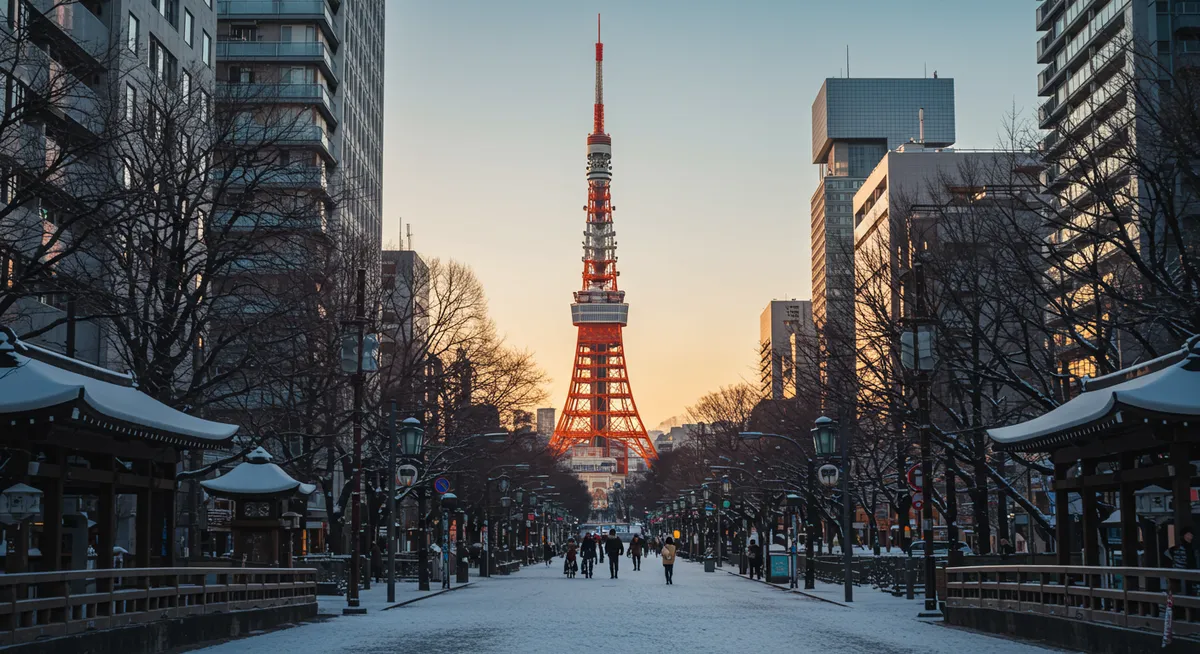
TL;DR: This Tokyo itinerary 4 days winter guide gives you a day-by-day plan for experiencing the best of cold-weather Tokyo in 2026. Day 1 covers Asakusa and Ueno for temples and museums. Day 2 takes you through Shinjuku and the Imperial Palace area. Day 3 explores Shibuya, Harajuku, and dazzling winter illuminations. Day 4 offers a winter day trip to Kamakura or the Mt. Fuji viewing area. You will also find packing tips, budget estimates, transport advice, and the best winter foods to warm up with between sightseeing stops.
Why Visit Tokyo in Winter?
Turn this guide into a personal route with our free Tokyo itinerary planner.
Winter in Tokyo runs from December through February, and it remains one of the most underrated seasons to visit Japan's capital. Average temperatures range from 2 to 12 degrees Celsius (36 to 54 degrees Fahrenheit), and while the air is cold, the skies are often clear and sunny, offering excellent visibility for city views and even distant glimpses of Mt. Fuji. Crowds thin out compared to cherry blossom season and autumn foliage, meaning shorter queues at popular attractions and lower accommodation prices. The city transforms with spectacular winter illuminations that run from November through mid-February, turning entire neighborhoods into glowing wonderlands. Add warming seasonal foods like nabe (hot pot), oden, and roasted sweet potatoes from street vendors, and you have a compelling case for a winter Tokyo trip in 2026.
If you are weighing different trip lengths, our 3-day winter Tokyo itinerary covers a shorter version, while the 5-day winter itinerary lets you go deeper.
Day 1: Asakusa, Ueno, and Traditional Tokyo
Start your Tokyo itinerary 4 days winter with the historic eastern side of the city. Morning light at Senso-ji Temple in Asakusa is particularly atmospheric in winter, when incense smoke rises into the cold air and the temple grounds are less crowded than during warmer months. Walk through the Kaminarimon (Thunder Gate) and along Nakamise-dori shopping street, where vendors sell ningyo-yaki (small cakes), senbei (rice crackers), and warm amazake (sweet fermented rice drink) that is perfect for cold hands.
After exploring the temple complex, cross the Sumida River to the Tokyo Skytree area for panoramic views. On clear winter days, visibility from the 450-meter observation deck is outstanding, and you can often spot Mt. Fuji to the west. The Tokyo Solamachi shopping complex at the base of the Skytree offers a warm indoor break with hundreds of shops and restaurants.
In the afternoon, head to Ueno Park. The Tokyo National Museum is ideal for a cozy winter afternoon, housing one of the world's finest collections of Japanese art and antiquities. If you have energy remaining, the nearby Ameya-Yokocho (Ameyoko) market is a bustling open-air shopping street where you can sample street food and find deals on everything from dried seafood to winter clothing. End the day with a bowl of hot ramen at one of the many shops near Ueno Station.
Day 2: Shinjuku, Imperial Palace, and Winter Gardens
The second day of your 4-day winter Tokyo itinerary focuses on central and western Tokyo. Begin with a morning visit to the Imperial Palace East Gardens, which are free to enter and beautifully stark in winter, with bare branches creating striking silhouettes against the sky. The moats surrounding the palace grounds often have resident waterfowl that gather in greater numbers during the colder months.
From there, take the train to Shinjuku. Visit the Tokyo Metropolitan Government Building, where two free observation decks on the 45th floor give you 360-degree views of the city. On winter mornings, the air clarity is exceptional, making this one of the best times of year for photographs. For a unique winter garden experience, walk through Shinjuku Gyoen National Garden, where the greenhouse tropical pavilion provides a warm contrast to the chilly outdoor landscape.
Shinjuku in the evening is where your winter experience intensifies. The area around Shinjuku Southern Terrace hosts some of Tokyo's most popular illumination displays, with thousands of LED lights creating tunnels and canopies of color. After taking in the lights, duck into Omoide Yokocho (Memory Lane), a narrow alley of tiny yakitori restaurants where smoke and warmth pour out of each doorway. This is quintessential winter Tokyo dining. For more on navigating this vast district, see our general 4-day Tokyo guide.
Day 3: Shibuya, Harajuku, and Illumination Highlights
Day three brings you to some of Tokyo's most energetic neighborhoods. Start at Meiji Jingu Shrine, set within a 170-acre forested park that feels remarkably peaceful despite being in the heart of the city. In winter, the approach through the towering torii gates is quiet and contemplative, and the shrine itself is a beautiful example of Shinto architecture. If your visit falls around early February, you may witness Setsubun celebrations, one of Japan's most distinctive seasonal festivals where participants throw roasted soybeans to drive away evil spirits.
From Meiji Jingu, walk south into Harajuku. Takeshita Street is a sensory overload of colorful shops, crepe stands, and street fashion. For a warmer experience, explore the backstreets of Ura-Harajuku (Cat Street area), where independent boutiques and cozy cafes offer shelter from the cold. Our Tokyo fashion area guide covers the best shopping zones in detail.
Cross over to Shibuya in the afternoon. The famous Shibuya Crossing is mesmerizing at any time of year, but winter afternoons when the low sun catches the buildings add a dramatic quality to the scene. Head up to Shibuya Sky, the rooftop observation deck at Shibuya Scramble Square, for sunset views. As dusk falls, the entire Shibuya district lights up with winter illumination displays, particularly along Shibuya's Blue Cave (Ao no Dokutsu) installation in Yoyogi Park, which typically features hundreds of thousands of blue LED lights along the tree-lined avenue.
For dinner, try a nabe (hot pot) restaurant. Winter is the peak season for this communal Japanese dining style, where you cook ingredients like thinly sliced meat, tofu, mushrooms, and vegetables in a bubbling broth at your table. Sukiyaki and shabu-shabu are the most popular varieties and are available throughout Shibuya. Check out our Tokyo street food guide for more winter food recommendations.
Day 4: Winter Day Trip — Kamakura or Mt. Fuji Views
The final day of your Tokyo itinerary 4 days winter is perfect for a day trip. Two excellent winter options stand out:
Option A: Kamakura
Located about one hour south of Tokyo by train, Kamakura offers a quieter, more contemplative winter experience. The Great Buddha (Kotoku-in) is striking against winter skies, and the hiking trails between temples like Jochi-ji and Kenchoji are pleasantly uncrowded. Enoshima Island, reachable by a short train extension, hosts a spectacular winter illumination event called the Shonan no Hoseki (Jewel of Shonan) that runs through February. Read our Kamakura day trip guide for the full route.
Option B: Mt. Fuji Area
Winter offers the clearest views of Mt. Fuji, and the snow-capped peak is at its most photogenic from December through February. Take the train to Kawaguchiko (about 2 hours from Shinjuku) for lakeside views, or visit Hakone for a combination of volcanic scenery and onsen (hot spring) baths. Soaking in an open-air rotenburo with views of Fuji's snow-covered slopes is one of Japan's most iconic winter experiences. For transport details, see our Mt. Fuji day trip guide.
Return to Tokyo in the evening for a final dinner. If you have not yet tried it, seek out an izakaya (Japanese pub) for a relaxed farewell meal with small dishes, warm sake, and local beer.
What to Pack for Winter in Tokyo
Packing for a Tokyo winter trip requires layering. Bring a warm but not bulky coat, as you will be moving between heated indoor spaces and cold outdoor streets frequently. A compact down jacket works well. Add a scarf, gloves, and a hat for evening illumination walks. Comfortable walking shoes with good grip are essential, as you will average 15,000 to 20,000 steps per day. Bring a small, packable bag for shopping, since many stores in Japan still charge for bags. A portable phone charger is useful, as cold weather drains batteries faster and you will rely on your phone for navigation and translation.
Winter Tokyo Budget Breakdown for 2026
A 4-day winter trip to Tokyo in 2026 is manageable on a range of budgets. Accommodation runs from 5,000 to 8,000 yen per night for hostels, 10,000 to 20,000 yen for mid-range hotels, and 25,000 yen and above for premium options. Winter is generally a lower-demand season, so you may find discounts compared to spring and autumn rates. Daily food costs average 3,000 to 5,000 yen if you mix convenience store meals, ramen shops, and one sit-down restaurant. A 72-hour Tokyo Metro pass costs 1,500 yen and covers most of your transport needs for three of the four days. Admission fees to major attractions like teamLab, Shibuya Sky, and the Tokyo Skytree observation deck range from 1,800 to 3,200 yen each. Budget travelers can expect to spend around 50,000 to 70,000 yen total (excluding flights), while mid-range travelers should plan for 100,000 to 140,000 yen.
Getting Around Tokyo in Winter
Tokyo's public transit system runs efficiently regardless of weather. The JR Yamanote Line, Tokyo Metro, and Toei Subway lines connect all major areas in this itinerary. Purchase a Suica or Pasmo IC card at any station for seamless tap-and-go travel. For the Day 4 day trip, the JR Pass or individual tickets work well depending on your destination. One winter-specific tip: underground passages connecting major stations like Shinjuku, Shibuya, and Tokyo Station are extensive and allow you to walk between areas without going outside. Our Tokyo transportation guide covers all options in detail.
Frequently Asked Questions
What is the weather like in Tokyo during winter?
When do Tokyo winter illuminations run in 2026?
What winter foods should I try in Tokyo?
Is 4 days enough for Tokyo in winter?
What should I pack for a winter trip to Tokyo?
How much does a 4-day Tokyo winter trip cost in 2026?
Are there any winter festivals in Tokyo?
A Tokyo itinerary 4 days winter lets you experience a side of Japan's capital that many visitors miss. The combination of clear skies, dazzling illuminations, warming seasonal food, and thinner crowds makes winter one of the smartest times to visit. Whether you are watching sunset from Shibuya Sky, soaking in a hot spring near Mt. Fuji, or sharing a bubbling nabe pot with fellow travelers, cold-weather Tokyo delivers unforgettable memories. Use this 2026 guide as your starting point, and adjust based on your interests and the specific dates of your visit.