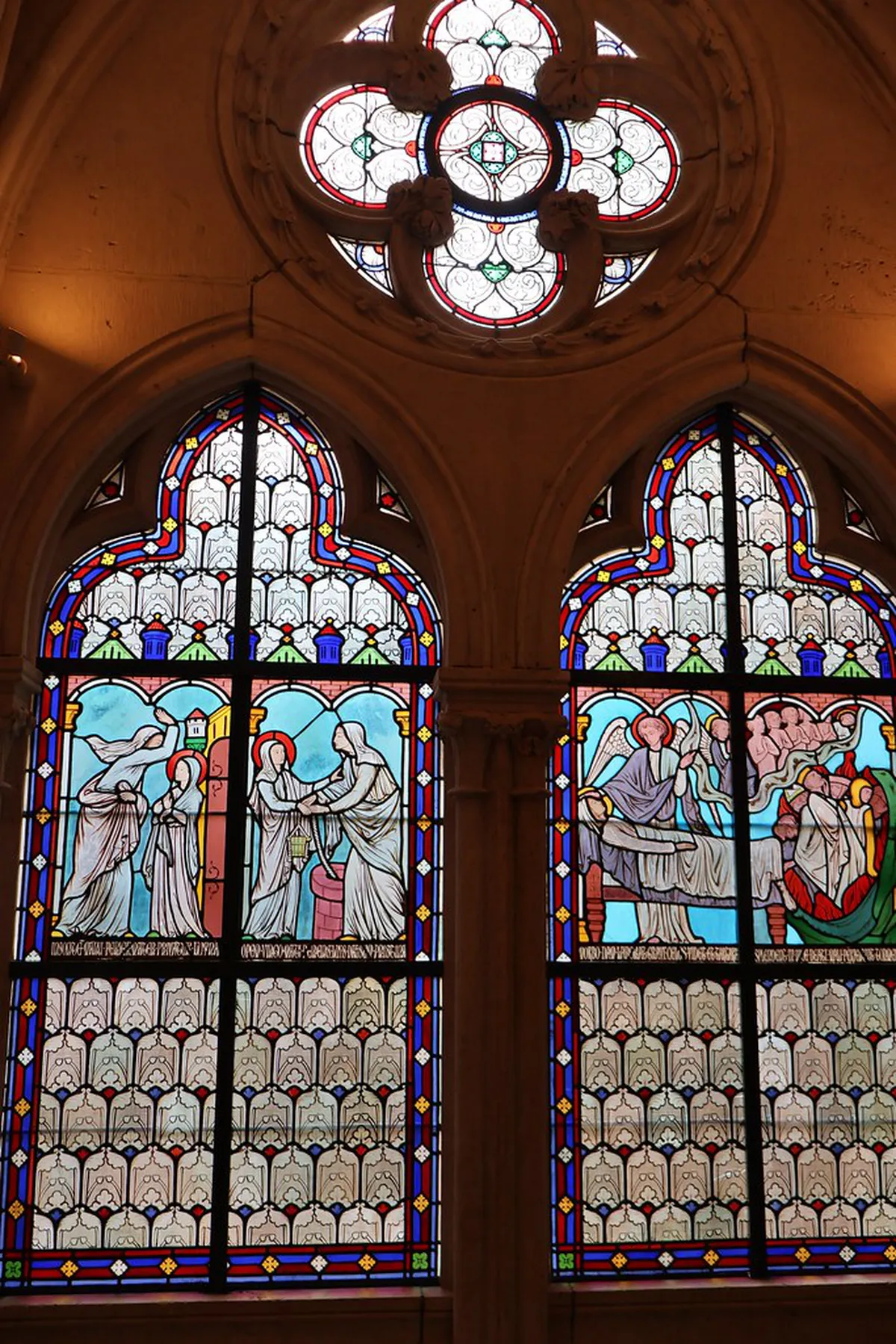
Troyes stands proudly as the international capital of stained glass, offering a vibrant journey through centuries of artistic mastery. This historic city in the Champagne region boasts an incredible density of medieval and Renaissance windows. You will find that the local heritage comes alive through light and color in every corner. This guide provides the essential tips you need to explore this unique cultural treasure.
The centerpiece of this experience is the newly renovated Cité du Vitrail, located in the heart of the city. This modern museum offers an intimate look at delicate glasswork that is often hidden high in cathedral ceilings. Visitors can appreciate the intricate details of the craft from just a few inches away. It serves as the perfect starting point for any artistic exploration of the region.
Beyond the museum walls, the majestic Troyes Cathedral and numerous local churches showcase these masterpieces in their original settings. You can witness how changing sunlight transforms the atmosphere of these sacred spaces throughout the day. Planning your visit requires a bit of logistical knowledge to ensure you see the best highlights. Our comprehensive guide covers everything from ticket prices to the most scenic walking routes.
The Historic Setting of Hôtel-Dieu-le-Comte
Turn this guide into a personal route with our free Troyes itinerary planner.
The Cité du Vitrail is housed within the stunning 18th-century complex of the Hôtel-Dieu-le-Comte. This former hospital building provides a grand and atmospheric setting for the delicate glass collections. You will notice how the limestone walls contrast beautifully with the colorful light of the exhibits. The architecture itself is a testament to the long history of the Aube department.
A major renovation completed in 2022 transformed this historic site into a world-class cultural facility. The design preserves original features like the monumental staircase and the apothecary while adding modern museum elements. This blend of old and new creates a unique space for learning about medieval craftsmanship. Exploring the quiet courtyards offers a peaceful break between the different gallery sections.
The museum's location on the Quai des Comtes-de-Champagne makes it easily accessible for travelers on foot. You can enjoy views of the canal as you approach the main entrance of the complex. This area is a central part of the best things to do in Troyes Bouchon de Champagne district. The historic surroundings help set the stage for the artistic journey that awaits inside.
Visiting this site allows you to appreciate the scale of French hospital architecture from the Enlightenment era. The chapel within the complex often hosts special glass installations that utilize the natural light of the space. You should take a moment to admire the ornate ironwork and classic facades before entering the galleries. This architectural context adds a layer of depth to the stained glass experience.
Highlights of the Cité du Vitrail Collections
The museum features over 25 major glass works that span from the 12th century to the modern era. Each piece is displayed at eye level, allowing you to see the brushstrokes of the ancient painters. You will discover how the techniques evolved from simple leaded lines to complex Renaissance shading. The collection showcases the incredible diversity of styles found throughout the Aube region.
One of the most famous pieces in the collection is the remarkable 'Tree of Jesse' from Laines-aux-Bois. This 16th-century masterpiece is celebrated for its vibrant blue tones and intricate genealogical details. You can spend several minutes tracing the connections between the figures depicted in the glass. It represents the pinnacle of the 'Troyes School' of glassmaking that flourished during the Renaissance.
Contemporary art also plays a significant role in the museum's permanent and temporary displays. Modern artists use glass to create abstract shapes and experimental textures that challenge traditional views of the craft. You will see how light interacts with thick slabs of colored glass in innovative ways. These pieces prove that the art of stained glass is still a living and evolving tradition.
The galleries are organized chronologically to help you understand the historical progression of the medium. You can follow the development of glass technology from the dark medieval periods to the bright clarity of modern windows. This layout makes the museum an excellent educational resource for both art lovers and history buffs. Each section provides helpful context about the social and religious importance of the works.
Need-to-Know Info: Hours, Tickets, and Access
Planning your visit to the Cité du Vitrail requires checking the latest schedule on the Cité du Vitrail Official Site. The museum is generally open from Tuesday to Sunday, with closures on most Mondays. You should note that the facility shuts down on specific public holidays throughout the year. These dates include New Year's Day, May Day, and Christmas Day among others.
Standard adult tickets are priced around 5 euros, which offers exceptional value for such a comprehensive museum. Discounts are often available for students, seniors, and large families with proper identification. You can enjoy free entry on the first Sunday of every month, though crowds may be larger. Checking for special exhibition surcharges before you arrive is always a smart travel move.
The museum is located at 1 Rue Chrestien de Troyes, which is a short walk from the city center. You can easily reach the site by taking local bus lines 1, 4, or 6 to the Hôtel de Ville stop. If you are arriving from the capital, follow a guide on how to get from Paris to Troyes by train 2026. The train station is roughly a fifteen-minute walk from the museum entrance.
Accessibility is a priority at the museum, with elevators and ramps serving all levels of the exhibition. Visitors with limited mobility will find the wide galleries and smooth floors very easy to navigate. You can request a wheelchair at the reception desk if you need assistance during your tour. The staff is well-trained to help ensure every visitor has a comfortable and enjoyable experience.
- 2026 Exceptional Closure Dates to Remember
- January: New Year's Day
- May: International Workers' Day
- November: All Saints' Day
- December: Christmas Day
Connecting the Museum to Troyes Cathedral and Churches
The Cité du Vitrail serves as a brilliant preface to the hundreds of churches scattered across the Aube region. After seeing the glass up close, you will better understand the windows in the Cathedral of Saint-Pierre-et-Saint-Paul. This massive gothic structure features glass from the 13th to the 19th centuries. The scale of the windows creates a powerful sense of awe that complements the museum's intimacy.
Troyes is often called the 'Glass City' because it contains one of the highest concentrations of historic windows in Europe. You can find stunning examples of the craft in smaller parish churches like Sainte-Madeleine or Saint-Urbain. Each building offers a different perspective on how stained glass was used to teach and inspire. The museum provides the technical knowledge needed to appreciate these monumental works in situ.
Many visitors find it helpful to visit the museum first before exploring the city's religious sites. This approach allows you to recognize specific styles and techniques as you walk through the various naves. You can see how the 'Troyes School' influenced the decoration of buildings throughout the entire Champagne region. This connection between the museum and the city makes for a cohesive cultural itinerary.
The regional tourism office offers resources to help you find glass highlights in the surrounding countryside. You might consider a 2-day Troyes itinerary for first timers to cover both the museum and the churches. This extra time allows for a deeper exploration of the unique glass heritage found in the Aube department. Seeing the glass in its original architectural context is a truly unforgettable experience.
Aube Region Glassmaking History and Legacy
The history of glassmaking in the Aube region dates back to the early Middle Ages when artisans began decorating cathedrals. Local workshops developed specialized techniques for creating deep colors and durable lead frameworks. This expertise was passed down through generations of master glassmakers who lived and worked in Troyes. The city became a hub for artistic innovation that attracted patrons from across France.
During the 16th century, the 'Troyes School' reached its peak with highly detailed Renaissance designs. These artists moved away from simple patterns toward complex narrative scenes with realistic human figures. You can still see the influence of these masters in the windows of the city's most famous monuments. This period established Troyes as a world leader in the production of high-quality stained glass.
This rich artistic legacy continues today through dedicated restoration workshops and modern glass studios. Local craftsmen work tirelessly to preserve the ancient windows while creating new pieces for contemporary buildings. You can often see these experts at work during special heritage days or museum demonstrations. Their commitment ensures that the traditional skills of the Aube region will not be lost to time.
Understanding this history helps you see the windows as more than just decoration; they are historical documents. Each panel reflects the religious, social, and political climate of the era in which it was created. You will gain a greater appreciation for the labor and creativity required to produce these luminous artworks. The Cité du Vitrail does an excellent job of telling this long and fascinating story.
A Stained Glass Walking Route: Beyond the Museum
A perfect walking route begins at the Cité du Vitrail on the banks of the canal. After your museum visit, walk east toward the Cathedral of Saint-Pierre-et-Saint-Paul to see its soaring windows. This short stroll takes you through some of the most historic parts of the city center. You will pass half-timbered houses that look much like they did during the Renaissance.
Your next stop should be the Church of Sainte-Madeleine, which is famous for its intricate stone rood screen and vibrant windows. The 'Creation' window here is considered one of the finest examples of 16th-century glass in the world. You can find more details about these sites on the Official Troyes La Champagne Tourism Office website. This church offers a more intimate setting compared to the grand scale of the cathedral.
Continue your walk into the 'Bouchon de Champagne' district to find the Church of Saint-Urbain. This building is a masterpiece of Rayonnant Gothic architecture with large windows that flood the interior with light. You can see how the architects reduced the stone walls to a minimum to maximize the glass surface area. It is a brilliant example of the 'glass wall' concept that defined late medieval church design.
To manage your travel expenses while exploring, consult a Troyes travel budget and free attractions guide for more tips. Many of the city's churches are free to enter, though donations for their upkeep are always appreciated. This walking route allows you to experience the city's glass heritage at your own pace. You will find that the beauty of Troyes is best discovered on foot through its narrow streets.
Comparing the Cité du Vitrail vs. the Cathedral Experience
The Cité du Vitrail and the Troyes Cathedral offer two very different ways to experience stained glass art. In the museum, you can enjoy eye-level viewing in a controlled, modern environment with professional lighting. This allows you to study the minute details of the painting and the texture of the glass. It is the best place to learn about the technical aspects of the craft.
The Cathedral provides a monumental experience where the glass is seen from a distance in its intended spiritual setting. You will feel the power of the light as it filters through massive windows high above the floor. This scale creates a sense of wonder that a museum gallery simply cannot replicate. The natural changes in outdoor light constantly shift the mood inside the vast stone nave.
Photography is generally easier in the museum because the light is consistent and the objects are close. However, the Cathedral offers more dramatic shots of architectural shadows and glowing colored beams on the floor. You should consider the time of day when planning visits to both locations for the best visual impact. Each site complements the other to provide a full understanding of the medium.
While the museum offers educational displays and historical context, the Cathedral offers a connection to the living history of the city. You might find that the museum prepares you for the 'aha' moments you will have when spotting a specific style in a church window. Both experiences are essential for anyone who wants to truly understand the 'Glass City'. Balancing your time between these two sites will give you the most rewarding cultural trip.
- Comparison Table: Museum vs. Cathedral
- View: Eye-level vs. Monumental
- Lighting: Studio vs. Natural
- Context: Educational vs. Spiritual
- Photography: Detailed vs. Atmospheric
Seasonal Light: Best Times of Day for Photography
The quality of light in Troyes changes significantly depending on the season and the time of day. Morning is the ideal time to visit the Cathedral to see the sun illuminating the eastern choir windows. The vibrant blues and reds will be at their most intense during these early hours. You will find that the interior feels particularly peaceful before the midday crowds arrive.
In the afternoon, the light shifts to the western facade and the contemporary galleries of the Cité du Vitrail. The museum's upper floors often catch the golden hour sun, creating beautiful reflections on the modern glass pieces. You can use this warm light to capture the texture and depth of the artistic glass. Check the best time to visit Troyes 2026 for seasonal weather patterns that might affect your photos.
Winter light can be surprisingly beautiful in Troyes, as the low sun creates long, dramatic shadows across the church interiors. On overcast days, the colors of the stained glass often appear more saturated and even. You should avoid using a flash, as it will bounce off the glass and ruin the natural glow of the artwork. A steady hand or a high ISO setting will help you get clear shots in the dimmer light.
Photography enthusiasts should also consider the 'Beau Seize' windows in the Cathedral during the late morning. This specific group of 16th-century windows is famous for its delicate painting and complex compositions. Capturing the way the light hits these panels requires patience and a good eye for detail. Remember to always respect the rules regarding photography in religious and museum spaces.
Family-Friendly Workshops and Interactive Exhibits
The Cité du Vitrail is designed to be engaging for visitors of all ages, including families with young children. Interactive digital displays allow kids to 'build' their own virtual stained glass windows. These hands-on elements help explain the complex process of glassmaking in a way that is easy to understand. You will find that the touchable glass samples are a big hit with curious younger travelers.
The museum regularly hosts educational workshops where children can learn basic glass-working techniques from professionals. These sessions are often held during school holidays and require advance booking on the official website. It is a fantastic way for kids to get creative while learning about the city's artistic heritage. Check the Cité du Vitrail Official Site for the latest workshop schedule and age requirements.
Families can also benefit from special ticket prices that make the museum more affordable for larger groups. The spacious galleries are easy to navigate with strollers, and there are plenty of spots to sit and rest. You will find that the museum's layout keeps children interested without feeling overwhelmed by too much information. It is a great alternative to more traditional, static art museums.
After exploring the museum, you can take the kids to the nearby parks or the canal for some outdoor playtime. The central location makes it easy to find family-friendly cafes and restaurants for a quick lunch. Many local eateries offer 'Troyes Culinary Specialties' that children will enjoy trying. This combination of culture and fun makes for a perfect family day out in the heart of France.
Frequently Asked Questions
Are there luggage storage facilities at the Cité du Vitrail?
Yes, the museum provides lockers for visitors to store small bags and coats during their tour. Larger suitcases may not fit, so it is best to leave them at your hotel or the train station. You can find more practical tips in our Troyes travel budget and free attractions guide.
Can I take photos inside the Troyes Cathedral?
Photography is allowed in the Cathedral for personal use, but you must turn off your flash to protect the glass. Tripods are generally not permitted during regular visiting hours to avoid blocking other guests. Please be respectful of people who are there for prayer or religious services.
How long does it take to visit the Cité du Vitrail?
Most visitors spend between 90 minutes and two hours exploring the permanent collections and temporary exhibitions. If you are a serious art lover, you may want to allow extra time for the detailed displays. The museum's layout is very logical, making it easy to see everything at a comfortable pace.
Is the museum free for children?
Children under the age of 18 can usually enter the museum for free with a valid ID. There are also reduced rates for young adults between 18 and 25 years old. This makes the Cité du Vitrail an excellent and affordable option for families visiting the Champagne region.
Troyes offers a unique and luminous window into the fascinating history and beauty of French stained glass art. From the modern galleries of the Cité du Vitrail to the historic naves of the Cathedral, the city is a living museum. You will leave with a new appreciation for the skill and creativity of the master glassmakers who shaped this region. This colorful heritage is a must-see for any traveler exploring the heart of France.
The combination of world-class museums and monumental religious sites makes Troyes a standout cultural destination. Whether you are an art historian or a casual visitor, the 'Glass City' will capture your imagination with its vibrant light. We hope this guide helps you plan an unforgettable journey through the windows of the Aube department. Start your adventure today and discover the magic of stained glass for yourself.
Remember to check the latest opening hours and ticket information before you set off on your tour. The city's walkable center and friendly atmosphere make it an easy and rewarding place to explore. You will find that every window tells a story that has been waiting for centuries to be seen. Enjoy your time in Troyes and take plenty of photos to remember this incredible artistic legacy.