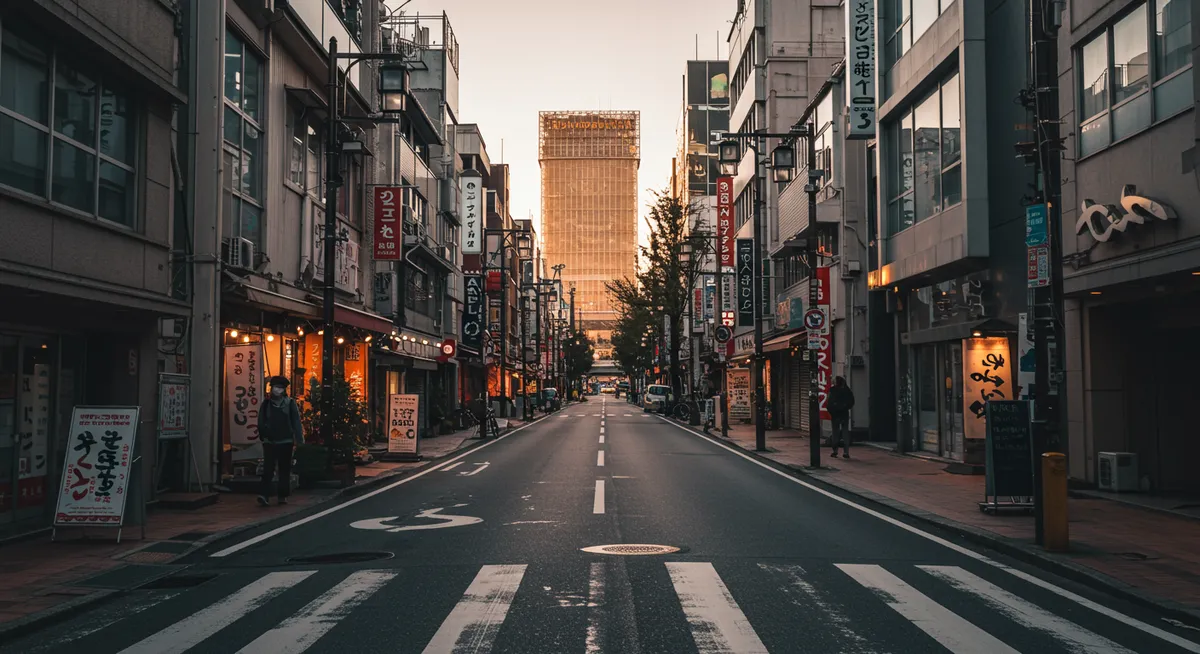
TL;DR: Tokyo's shopping streets range from world-class luxury in Ginza and Omotesando to youth-culture hotspots in Harajuku and Shibuya, vintage treasure hunts in Shimokitazawa, and traditional souvenir lanes in Asakusa. This 2026 guide covers 12 must-visit shopping streets, complete with what to buy, how to get there, and money-saving tips like tax-free shopping and IC card discounts.
Tokyo is one of the greatest shopping cities on Earth, and much of that retail magic happens not inside malls but along its legendary streets. Whether you are hunting for limited-edition sneakers, hand-crafted ceramics, duty-free electronics, or vintage denim at bargain prices, there is a shopping street in Tokyo designed exactly for you. This guide walks you through the 12 best shopping streets in Tokyo for 2026, organized by vibe and budget so you can plan your route efficiently.
Ginza: Luxury Flagships and Department Stores
Turn this guide into a personal route with our free Tokyo itinerary planner.
Ginza remains Tokyo's undisputed capital of luxury shopping in 2026. The broad, tree-lined Chuo-dori avenue is home to flagship boutiques from Chanel, Louis Vuitton, Cartier, and Bulgari, alongside iconic Japanese department stores such as Mitsukoshi (operating since 1673) and the clock-topped Wako building. The modern Ginza Six complex houses over 240 brands across six floors, including Dover Street Market Ginza for high-concept streetwear.
On weekends and holidays, Chuo-dori closes to vehicle traffic and becomes a pedestrian paradise — a perfect time to window-shop at a leisurely pace. Most stores in Ginza offer tax-free shopping for foreign visitors on purchases above 5,000 yen. If Ginza's department stores spark your interest, our full guide to Tokyo shopping malls covers the best multi-floor retail destinations across the city.
Getting there: Ginza Station (Metro Ginza, Marunouchi, and Hibiya lines). Best for: Designer fashion, jewelry, cosmetics, gourmet food halls.
Omotesando: Tokyo's Champs-Elysees
Often called Tokyo's answer to the Champs-Elysees, Omotesando is a zelkova-tree-lined boulevard connecting Meiji Shrine to Aoyama. International luxury houses — Dior, Prada, Tod's, and Comme des Garcons — occupy architecturally striking buildings that are destinations in their own right. The Omotesando Hills complex, designed by Tadao Ando, features a spiraling six-floor atrium lined with boutiques and cafes.
What sets Omotesando apart from Ginza is its blend of high fashion with independent Japanese designer labels. Side streets (known as "ura-Hara") hide concept stores and emerging brands. This is also where you will find the flagship stores of Japanese beauty brands like Three and Suqqu, making it a top stop for cosmetics shopping in 2026.
Getting there: Omotesando Station (Metro Chiyoda, Ginza, and Hanzomon lines). Best for: Luxury fashion, architecture, Japanese designer labels, beauty products.
Harajuku — Takeshita Street: Kawaii Culture and Street Fashion
Takeshita Street (Takeshita-dori) is the beating heart of Tokyo's youth fashion scene. This narrow, 350-meter pedestrian lane runs from Harajuku Station and overflows with colorful boutiques, crepe stands, and accessory shops catering to kawaii, Gothic Lolita, and streetwear styles. In 2026, the street continues to evolve, with K-pop-inspired fashion and gender-fluid brands joining the mix alongside longtime staples.
Beyond Takeshita Street, Cat Street runs parallel and offers a more relaxed atmosphere with curated vintage shops, sneaker boutiques (including a flagship Nike store), and specialty coffee spots. Together these streets make Harajuku one of the most exciting shopping streets in Tokyo for anyone under 30 — or anyone young at heart.
Getting there: Harajuku Station (JR Yamanote Line). Best for: Trendy youth fashion, kawaii accessories, sneakers, street food.
Shibuya: Trend-Setting Fashion and Nightlife Shopping
Shibuya's energy is unmatched. After crossing the world-famous Scramble Crossing, you are immediately surrounded by shopping options. Shibuya 109, the cylindrical tower that has defined Japanese gyaru fashion for decades, houses over 100 boutiques on ten floors. Nearby, Shibuya Parco reopened with a curated blend of fashion, art galleries, and the massive Nintendo Tokyo store.
For a broader retail experience, Miyashita Park combines rooftop green space with three floors of shops and restaurants, while the maze-like backstreets of Udagawacho hide record stores, vintage clothing outlets, and independent labels. Shibuya is best explored in the afternoon and evening when the energy peaks. For more detail on malls in the area, see our comprehensive Tokyo shopping guide.
Getting there: Shibuya Station (JR Yamanote, Metro Ginza/Hanzomon/Fukutoshin lines). Best for: Fast fashion, streetwear, music, nightlife shopping.
Shinjuku: Department Store Capital
Shinjuku boasts the highest concentration of major department stores in Tokyo. On the east side, Isetan Shinjuku is widely considered Japan's finest department store, with expertly curated fashion floors and a legendary depachika (basement food hall). Nearby, Lumine Est and Lumine 1 & 2 cater to younger shoppers with accessible Japanese brands.
The west side is home to Odakyu and Keio department stores directly connected to the station, plus the sprawling electronics retailer Yodobashi Camera, which occupies an entire city block. Kabukicho's Don Quijote (Donki) flagship — open 24 hours — is a must-visit for tax-free snacks, cosmetics, and quirky souvenirs at discount prices.
Getting there: Shinjuku Station (JR, Metro, Odakyu, Keio lines). Best for: Department stores, electronics, late-night discount shopping.
Akihabara: Electronics, Anime, and Otaku Culture
Akihabara, affectionately called "Akiba," remains the global capital of otaku culture in 2026. The district's main Chuo-dori strip is flanked by towering electronics retailers like Yodobashi Akiba (the largest electronics store in Japan) and specialist shops selling everything from rare manga to limited-edition figurines and retro game cartridges.
For tax-free electronics, head to Yodobashi Akiba or LAOX for the widest selection of cameras, headphones, and appliances with English-speaking staff. Smaller side-street shops offer better prices on used items and collector goods. The area is also home to themed maid cafes and arcades, making it a full-day destination. See our Tokyo shopping mall guide for details on multi-floor electronics complexes.
Getting there: Akihabara Station (JR Yamanote, Keihin-Tohoku lines; Metro Hibiya Line). Best for: Electronics, anime and manga merchandise, retro gaming, figurines.
Shimokitazawa: Vintage Thrifting and Bohemian Finds
Shimokitazawa (often shortened to "Shimokita") has become one of the most talked-about shopping streets in Tokyo for vintage and secondhand fashion. This bohemian neighborhood, just three minutes from Shibuya by train, has Tokyo's highest concentration of vintage clothing stores. Shops like Flamingo, Stick Out, and New York Joe Exchange offer curated racks of denim, leather jackets, and retro sportswear at prices starting from as little as 800 yen.
Beyond clothing, Shimokitazawa is a treasure trove for secondhand books, vinyl records, and kitchenware. The neighborhood's laid-back, artsy atmosphere — think indie theaters, craft coffee shops, and live music venues — makes it a refreshing contrast to the polished retail districts elsewhere in the city. Shimokitazawa is best visited in the afternoon, as most shops open around 12 PM.
Getting there: Shimokitazawa Station (Keio Inokashira Line from Shibuya, Odakyu Line from Shinjuku). Best for: Vintage clothing, secondhand goods, bohemian atmosphere.
Asakusa — Nakamise-dori: Traditional Souvenirs and Crafts
For traditional Japanese souvenirs, Nakamise-dori in Asakusa has been the go-to shopping street since the early 1700s. This 250-meter pedestrian lane leads from the iconic Kaminarimon gate to Senso-ji Temple and is lined with nearly 90 stalls selling handcrafted goods — folding fans, chopstick sets, yukata robes, ukiyo-e prints, and freshly made senbei (rice crackers).
While Nakamise-dori can get crowded during peak hours, the parallel side streets (particularly Demboin-dori) offer a quieter shopping experience with family-run workshops that craft goods on-site. Arrive before 10 AM on weekdays for the most relaxed browsing. Asakusa pairs perfectly with a morning temple visit, making it an essential stop on any Tokyo itinerary.
Getting there: Asakusa Station (Metro Ginza Line, Tobu Skytree Line). Best for: Traditional souvenirs, handcrafted goods, temple snacks.
Ameyoko Market: Bargain Hunting Under the Tracks
Ameyoko (short for Ameya Yokocho) is a bustling open-air market street running beneath the JR tracks between Ueno and Okachimachi stations. With roughly 400 shops crammed into a few hundred meters, Ameyoko is where locals and savvy travelers go for bargain cosmetics, sneakers, dried seafood, spices, and fresh produce at wholesale prices.
Haggling is welcome here — a rarity in Japan — and vendors often bundle items for discounts. The market has a distinctly international flavor, with shops selling Korean cosmetics, Chinese teas, and Southeast Asian spices alongside Japanese streetwear. Ameyoko is open daily but is at its liveliest on weekends and during the year-end "osechi" rush in late December.
Getting there: Ueno Station or Okachimachi Station (JR Yamanote Line). Best for: Bargain shopping, cosmetics, street food, fresh produce.
Nakano Broadway: The Alternative Otaku Paradise
If Akihabara feels too mainstream, Nakano Broadway is its cooler, less-crowded alternative. This four-story shopping complex, a five-minute walk from Nakano Station (just one stop from Shinjuku on the JR Chuo Line), is anchored by Mandarake — the world's largest chain of secondhand anime and manga stores, with over 30 specialized branches inside the building alone.
Beyond anime goods, Nakano Broadway is also a surprising hub for vintage luxury watches, with dealers like JACKROAD and Fire Kids offering Rolex, Omega, and Seiko pieces at competitive prices. The ground floor houses everyday shops and affordable eateries, giving the complex a neighborhood-market feel that Akihabara lacks.
Getting there: Nakano Station (JR Chuo Line, 5 minutes from Shinjuku). Best for: Secondhand anime/manga, vintage watches, retro collectibles.
Yanaka Ginza: Retro Charm and Local Crafts
Yanaka Ginza is a 175-meter-long shopping street that feels like stepping back in time. Located in one of the few Tokyo neighborhoods that survived wartime bombing, this retro shotengai (shopping arcade) is lined with family-run stores selling handmade crafts, cat-themed souvenirs (the area is famous for its stray cats), and traditional snacks like menchi-katsu (fried meat cutlets) and taiyaki.
The sunset view from the "Yuyake Dandan" staircase at the western entrance is a beloved local tradition. Yanaka Ginza is best combined with a walk through the atmospheric Yanaka Cemetery and nearby Nezu Shrine, making it ideal for travelers who want to experience a quieter, more authentic side of Tokyo.
Getting there: Nishi-Nippori Station (JR Yamanote Line) or Sendagi Station (Metro Chiyoda Line). Best for: Local crafts, traditional snacks, nostalgic atmosphere.
Kappabashi-dori: Kitchen and Restaurant Supply Street
Kappabashi-dori, located between Ueno and Asakusa, is Tokyo's dedicated kitchen-supply street. Over 170 shops line this 800-meter strip, selling everything from professional-grade Japanese knives and ceramic tableware to the hyper-realistic plastic food replicas (sampuru) that sit in restaurant windows across Japan. These replicas make some of the most unique and lightweight souvenirs you can bring home.
Knife shops like Kama Asa Shoten (founded in 1908) offer expert advice and will engrave your purchase. Whether you are a home cook or a professional chef, Kappabashi-dori is a destination unlike any other shopping street in Tokyo.
Getting there: Tawaramachi Station (Metro Ginza Line) or a 10-minute walk from Asakusa. Best for: Japanese knives, cookware, plastic food replicas, ceramic tableware.
Practical Tips for Shopping in Tokyo in 2026
Before you head out, keep these tips in mind to make the most of your shopping experience:
- Tax-free shopping: Foreign visitors can claim a tax refund (10% consumption tax) on purchases over 5,000 yen at participating stores. Bring your passport and look for "Tax Free" signs. Starting in 2026, Japan is transitioning many stores to a refund-at-departure system at airports.
- IC cards: Load a Suica or Pasmo card for seamless train travel between shopping districts. These cards also work at convenience stores and vending machines.
- Shopping hours: Department stores typically open at 10 AM and close at 8 PM. Vintage shops in Shimokitazawa and Koenji often open later (12 PM) and close around 8-9 PM. Don Quijote stores are open 24 hours.
- Coin lockers: Use station coin lockers (300-700 yen) to store bags while you shop. Major stations like Shinjuku and Shibuya have hundreds available.
- Payment: While cash is still widely used, contactless payment (Apple Pay, Google Pay, and IC cards) acceptance has expanded significantly across Tokyo in 2026. Credit cards are accepted at department stores and chain retailers but may not work at small independent shops.
Frequently Asked Questions
What are the best shopping streets for luxury brands in Tokyo?
Where is the best place for vintage and thrift shopping in Tokyo?
Which Tokyo shopping street is best for unique youth fashion?
Where can I find electronics and anime merchandise in Tokyo?
What are the best traditional souvenir streets in Tokyo?
Can I get a tax refund when shopping in Tokyo?
Is haggling acceptable at Tokyo shopping streets?
Tokyo's shopping streets are as diverse as the city itself — each one reflects a different facet of Japanese culture, from centuries-old craft traditions to the cutting edge of global fashion. Whether you are planning a luxury splurge in Ginza, a vintage treasure hunt in Shimokitazawa, or a bargain run through Ameyoko, the key is to wear comfortable shoes and leave extra room in your suitcase. For more help planning your trip, explore our complete Tokyo shopping guide and browse the best Tokyo shopping malls for rainy-day alternatives.