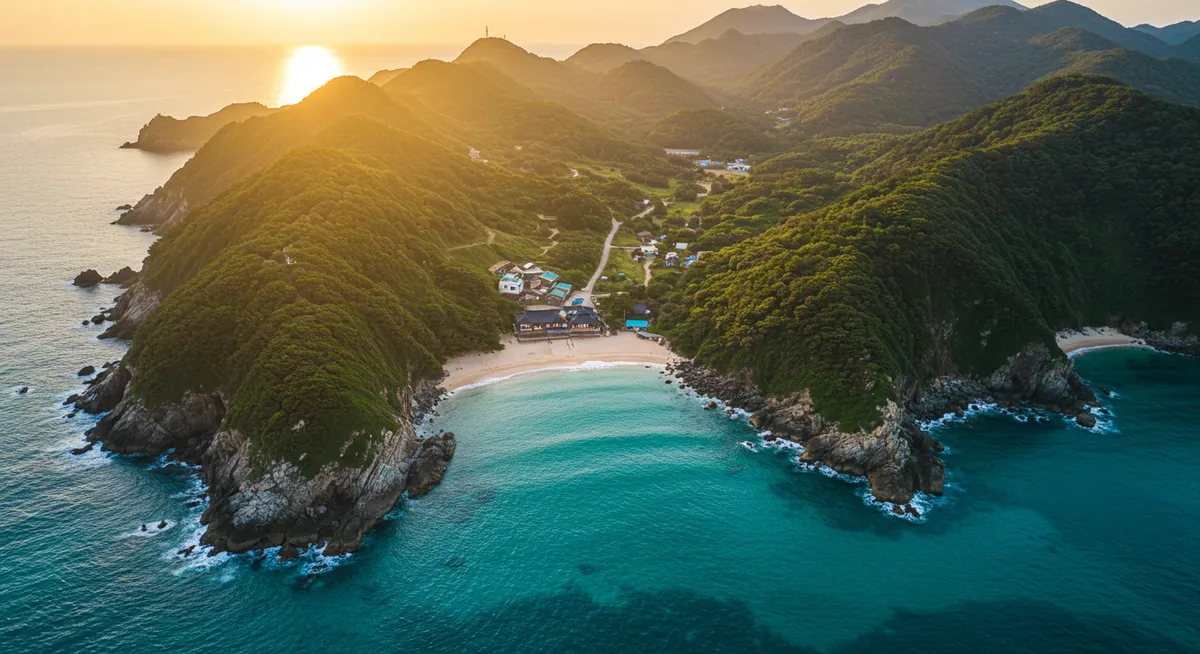
TL;DR — Seogwipo Hidden Gems at a Glance
Skip the tourist crowds and explore Seogwipo's best-kept secrets in 2026. Highlights include the secluded Wonang Pokpo waterfall, the windswept shores of Hamo Beach, authentic pork-noodle soup at Maeil Olle Market side alleys, the serene grounds of Yakcheonsa Temple, and golden-hour photography along Olle Trail Routes 6 and 7. This guide covers 15+ off-the-beaten-path spots across waterfalls, beaches, food, culture, hiking, and wildlife — plus practical tips on getting around and the best seasons to visit.
Most visitors to Jeju Island stick to the famous attractions — Hallasan summit, Manjanggul Cave, Jungmun Beach. But the southern coastal city of Seogwipo rewards travelers who wander beyond the guidebook. After years of exploring every corner of this stunning region, I've compiled the definitive list of Seogwipo hidden gems you won't find on most itineraries in 2026. From secluded waterfalls and empty beaches to hole-in-the-wall restaurants serving generations-old recipes, these are the spots that make Seogwipo unforgettable.
Whether you're a first-time visitor building a 5-day Seogwipo itinerary or a returning traveler looking for something new, these hidden gems will transform your trip into something truly special.
Secluded Waterfalls Beyond the Famous Three
Turn this guide into a personal route with our free Jeju itinerary planner.
Jeongbang, Cheonjiyeon, and Cheonjeyeon get all the attention — and all the crowds. But Seogwipo's volcanic landscape hides dozens of lesser-known cascades that deliver the same natural beauty with a fraction of the visitors.
Wonang Pokpo sits deep within the Cheonjeyeon valley, tucked behind a bend that most tourists never reach. The emerald pool at its base reflects the surrounding forest canopy, creating a mirror-like surface that photographers love during early morning hours. Pack water shoes — the rocky approach can be slippery after rain, but the solitude is worth every careful step.
Eongtto Falls is Seogwipo's best-kept seasonal secret. This waterfall only reaches its full dramatic cascade after heavy rainfall, typically during the monsoon season from late June through August. When it's flowing, the 50-meter drop is genuinely awe-inspiring. Check local weather forecasts before making the trek — catching Eongtto at peak flow is one of the most rewarding experiences on Jeju Island. For more of Jeju's best cascades, see our guide to Jeju's hiking trails, beaches, and waterfalls.
Gangjeongcheon Waterfall, near Gangjeong Village, is another overlooked treasure. The walk along the stream leading to the falls is peaceful and shaded, passing through mandarin orchards and old stone walls. In 2026, local authorities have improved the trail markers, making it easier than ever to find this gem.
Secret Beaches and Coastal Hideaways
Seogwipo's coastline stretches far beyond the popular Jungmun Saekdal Beach, and some of its most beautiful shores see barely a handful of visitors even in peak season.
Hamo Beach, on the southwestern tip, offers panoramic views of Gapado and Marado islands on clear days. The sand is soft and golden, the waters calm and shallow — perfect for families or anyone seeking a quiet afternoon by the sea. Local families have kept this beach their weekend secret for years, and it remains blissfully uncrowded even in summer 2026.
Hwasun Geummorae Beach (Golden Sand Beach) is another local favorite that most travel guides overlook. Nestled between volcanic rock formations, this small beach features unusually fine golden sand and crystal-clear water. The adjacent Hwasun Port serves some of the freshest raw fish on the island — combine a beach visit with a seafood lunch for a perfect half-day outing.
The rocky coves near Seopjikoji reward explorers who leave the main path. Small tide pools teem with marine life, and the dramatic cliff views toward Seongsan Ilchulbong are stunning at sunset. These hidden coves aren't traditional sandy beaches, but they offer character and solitude that the popular beaches simply cannot match.
Authentic Local Food Spots the Tourists Miss
Seogwipo's culinary scene extends far beyond the restaurants listed in international travel apps. The best meals here are found in places with handwritten menus, plastic chairs, and decades of tradition behind every dish.
Seogwipo Maeil Olle Market is well known, but most visitors stay on the main aisles. Venture into the side alleys and you'll discover tiny eateries serving traditional Jeju specialties at local prices. Look for stalls offering gogi-guksu (pork noodle soup) — the broth is simmered for hours and costs a fraction of what tourist-facing restaurants charge.
Hairtail stew (galchi-jorim) is Seogwipo's signature dish, and the best versions are found in unassuming restaurants near Seogwipo Port. The fish is caught fresh daily, braised with radish, chili, and garlic until meltingly tender. Ask any local for their recommendation — the places with the longest lunchtime queues of Korean diners (not tourists) are always the best bet.
For a deeper dive into the region's food scene, our Seogwipo food guide covers the full range of must-try dishes and where to find them.
Quiet Cultural Retreats and Hidden Temples
Jeju's spiritual and artistic heritage runs deep, and Seogwipo offers cultural experiences that feel worlds away from the crowded theme parks and commercial museums.
Yakcheonsa Temple is one of the largest Buddhist temples in Asia, yet its vast grounds absorb visitors so effectively that you can often find yourself alone in its meditation halls. The main hall is architecturally stunning, and the lotus pond is at its most beautiful during the June-July bloom season. Early morning visits (before 8 AM) offer the most peaceful atmosphere, with monks chanting softly in the background.
Lee Jung Seop Art Street — named after the beloved Korean artist who lived in Seogwipo during the Korean War — is lined with independent galleries, artisan workshops, and quirky cafes. Skip the main gallery (which can get crowded) and explore the smaller studios where local artists display their work. Several offer hands-on craft workshops where you can create your own Jeju-inspired art to take home.
For a truly off-the-beaten-path cultural experience, seek out the traditional stone walls (doldam) that wind through Seogwipo's older neighborhoods. These volcanic rock walls, built without mortar, are a UNESCO-recognized element of Jeju's cultural landscape and tell the story of centuries of island life.
Off-the-Beaten-Path Hiking Trails and Viewpoints
The Jeju Olle Trails are justifiably famous, but certain routes and viewpoints remain surprisingly quiet — even as trail walking surges in popularity in 2026.
Olle Trail Route 6 (Soesokkak to Jeju Olle Tourist Center) winds along dramatic sea cliffs, through dense forests, and past hidden coves that feel completely untouched. The Soesokkak estuary section, where freshwater meets the sea in a volcanic gorge, is one of Jeju's most photogenic yet least-photographed spots.
Olle Trail Route 7 takes you along the coast from Seogwipo to Jungmun, passing by Oedolgae Rock and offering elevated viewpoints of the entire southern coastline. Most hikers rush through to reach Oedolgae — slow down and explore the smaller side paths for panoramic vistas without another person in sight.
For elevated perspectives, Sanbangsan Mountain offers breathtaking views from its cave temple perched on the cliff face. The climb is short but steep, and the reward is a sweeping panorama of Yongmeori Beach and the southern sea. Visit during golden hour for photographs that capture the dramatic volcanic landscape at its most beautiful.
Wildlife Encounters and Nature Experiences
Seogwipo's diverse ecosystem supports wildlife encounters that most visitors never expect to find on Jeju Island.
Seogwipo Submarine and Glass-Bottom Boats depart from the harbor and reveal the vibrant underwater world of soft corals, tropical fish, and volcanic rock formations beneath the surface. While not exactly hidden, booking the early morning departures (before the tour buses arrive) transforms this into a peaceful experience.
Jeju's wild deer can sometimes be spotted in the forests above Seogwipo, particularly in the Hallasan National Park buffer zones during early morning or late evening. The Gotjawal Forest, a unique ecosystem found only on Jeju, is another excellent spot for nature walks where you might encounter rare plant species and birdlife found nowhere else in South Korea.
If you're traveling with children, these nature-focused activities combine easily with the kid-friendly attractions in our Seogwipo family travel guide.
Practical Tips for Exploring Seogwipo's Hidden Gems in 2026
Getting the most out of Seogwipo's secret spots requires some planning. Here are the practical details that will make your exploration smoother.
Best time to visit: Spring (April-May) and autumn (October-November) offer the most pleasant weather and thinnest crowds. Summer brings the monsoon but also activates seasonal waterfalls like Eongtto. Winter is cold but offers dramatic coastal scenery and the lowest tourist numbers of the year.
Getting around: A rental car is essential for reaching most hidden gems, as many are off main bus routes. Korean driving is straightforward, and navigation apps like Kakao Map work well in English. For those who prefer not to drive, private taxi tours can be arranged through local tourism offices. Check our Seogwipo transportation guide for detailed options.
Budget tips: Many of Seogwipo's best hidden gems are completely free — waterfalls, beaches, hiking trails, and cultural walks cost nothing. Save your budget for food experiences and accommodation. For more money-saving strategies, see our Seogwipo budget travel tips.
Frequently Asked Questions
What are the best Seogwipo hidden gems to visit in 2026?
How do I get around to Seogwipo's hidden gems without a car?
Are Seogwipo's hidden gems suitable for families with young children?
When is the best season to explore Seogwipo's hidden gems?
What local foods should I try while exploring Seogwipo?
Are Seogwipo's hidden gems free to visit?
Seogwipo is a destination that reveals its best secrets to those willing to look beyond the obvious. Its hidden gems — from thundering seasonal waterfalls and golden sand beaches to steaming bowls of hairtail stew and peaceful temple grounds — offer an experience of Jeju Island that most visitors never discover. Whether you're building a 3-day Seogwipo itinerary or extending your stay with day trips from Seogwipo, make room for these lesser-known treasures. They're what make a good trip unforgettable.