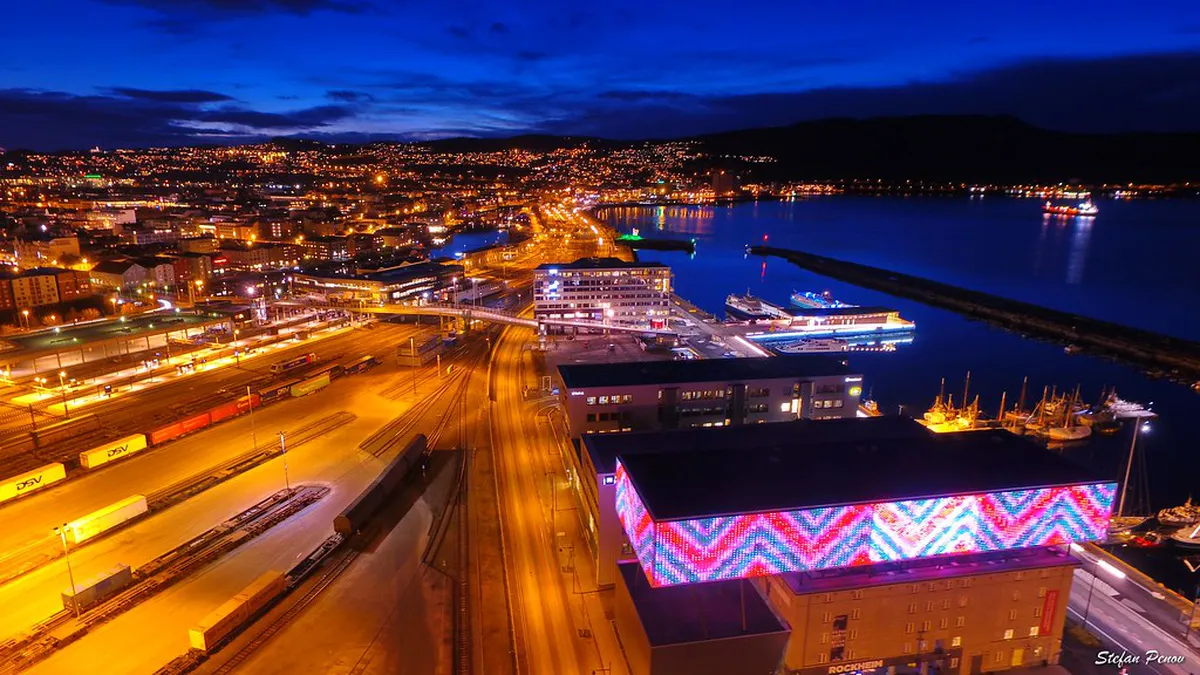
Trondheim, Norway, boasts a rich architectural tapestry. From historic wooden houses to modern marvels, the city offers diverse styles. Among these, the Rockheim museum building stands out as a true icon. Its distinctive Rockheim museum architecture captivates visitors instantly.
This national museum of popular music opened in 2010. It quickly became a landmark on the Trondheim waterfront. The building blends innovative design with its industrial past. This guide explores its unique features and fascinating history. Prepare to be inspired by this Norwegian architectural gem. Consider adding it to your Trondheim architecture itinerary.
The Vision Behind Rockheim's Bold Design
Turn this guide into a personal route with our free Trondheim itinerary planner.
The Rockheim museum architecture emerged from a national competition. Architects Pir II won with their daring proposal. They envisioned a 'magic box' atop an old warehouse. This concept transformed the existing structure dramatically.
Their design sought to reflect Norway's popular music history. It aimed for a building that was both dynamic and inviting. The architects blended industrial heritage with contemporary expression. This approach honored the site's past and embraced its future. The result is a striking cultural institution.
The location itself played a crucial role. Rockheim sits on the Brattørkaia waterfront. This area once housed bustling port activities. The building needed to connect with its maritime surroundings. Its design skillfully integrates into the Trondheim waterfront architecture. It offers stunning views of the fjord and city.
Rockheim's Dazzling Glass Facade and Illuminations
The most striking feature of Rockheim museum architecture is its facade. A multi-layered glass structure encases the upper 'magic box'. This outer shell is not merely decorative. It functions as a dynamic canvas for visual art.
The glass panels display ever-changing images and patterns. These visuals relate to Norwegian music and culture. At night, the facade truly comes alive. It becomes a vibrant, glowing landmark against the dark sky. This makes it an essential stop for architectural photography in Trondheim.
The illuminated facade uses modern LED technology. This allows for diverse lighting programs. The building's appearance shifts throughout the day and seasons. It reflects the vibrant, evolving nature of popular music. This unique approach showcases Rockheim's unique glass facade design.
Blending Old and New: Warehouse Transformation
Rockheim's foundation lies in a former grain warehouse. This historical structure was built in the 1920s. The architects respectfully integrated it into their new design. The old warehouse forms the base of the museum.
The robust concrete structure remains visible inside. It provides a strong contrast to the modern elements above. This thoughtful integration tells a story. It highlights Trondheim's industrial past alongside its cultural present. This creates a compelling architectural dialogue.
Visitors enter through the original warehouse level. This area houses the reception and gift shop. Escalators then transport guests upwards into the 'magic box'. This journey from old to new is part of the experience. It exemplifies how contemporary Trondheim buildings adapt historical sites.
Inside Rockheim: Functional Spaces for Music History
The interior of Rockheim museum architecture is just as impressive. It is designed to be interactive and engaging. Exhibition spaces flow seamlessly through different levels. Each area tells a part of Norway's music story.
The museum features permanent and temporary exhibitions. You will find artifacts, interactive displays, and listening stations. The layout encourages exploration and discovery. Large windows offer panoramic views of the fjord and city. This connects the inside experience with the outside world.
The design prioritizes visitor flow and accessibility. Wide corridors and open spaces make navigation easy. This functional aspect supports the museum's educational mission. It ensures all visitors can enjoy the experience fully. Explore more about cultural institutions and their architecture in Trondheim.
Visiting Rockheim: Practical Tips for 2026
Rockheim is located at Brattørkaia 14, 7010 Trondheim. It is easily accessible from the city center. You can walk from the central train station. Public transport options are also readily available. Consider a Trondheim architectural walking tour that includes this site.
Opening Hours: Typically, Rockheim is open Tuesday to Sunday. Check the official website for current 2026 schedules. Hours can vary by season. Weekends are generally busier, so plan accordingly for a relaxed visit.
Admission Costs: An adult ticket usually costs around NOK 150-180. Student and senior discounts are often available. Children under a certain age might enter free. Prices are subject to change, so verify before your visit. Viewing the external facade is always free, especially stunning at night. For more advice, check out these practical architecture tour tips.
- Best Time to Visit: Weekday mornings often offer fewer crowds.
- Evening Views: The illuminated facade is best seen after sunset.
- Nearby Attractions: The harbor area offers other points of interest.
Frequently Asked Questions
What is the architectural style of Rockheim museum?
Rockheim primarily showcases contemporary and industrial-modern architecture. It cleverly integrates a historic 1920s grain warehouse. This blend creates a unique dialogue between old and new. The highlight is its 'magic box' glass facade. This facade acts as a dynamic, illuminated screen. It reflects the vibrant and modern spirit of popular music.
Who were the architects behind Rockheim's design?
The renowned Norwegian architectural firm Pir II designed Rockheim. They won a national competition for the project. Their vision transformed an old industrial building into a cultural landmark. Pir II is known for innovative and context-sensitive designs. Their work on Rockheim is a prime example of their expertise. This firm contributed significantly to Trondheim city center buildings.
Can I see Rockheim's unique facade at night?
Yes, absolutely! The Rockheim museum architecture is particularly impressive at night. Its glass facade lights up with ever-changing patterns. These visuals depict Norwegian music history. It becomes a captivating spectacle along the waterfront. This makes an evening visit highly recommended. It is a truly memorable visual experience. Consider the best time to visit for architectural viewing.
The Rockheim museum architecture offers a compelling blend of past and future. Its innovative design truly enriches Trondheim's urban landscape. This museum is more than a building; it is a dynamic work of art. Plan your 2026 trip to experience its brilliance firsthand. Discover why it's a must-see for any architecture enthusiast. For more insights into the city's planning, explore Trondheim's city planning history.
Key Takeaways
- Rockheim's glass facade is a dynamic, illuminated artwork at night.
- The museum successfully blends a 1920s warehouse with modern design.
- Visit during the evening to fully appreciate its unique lighting display.