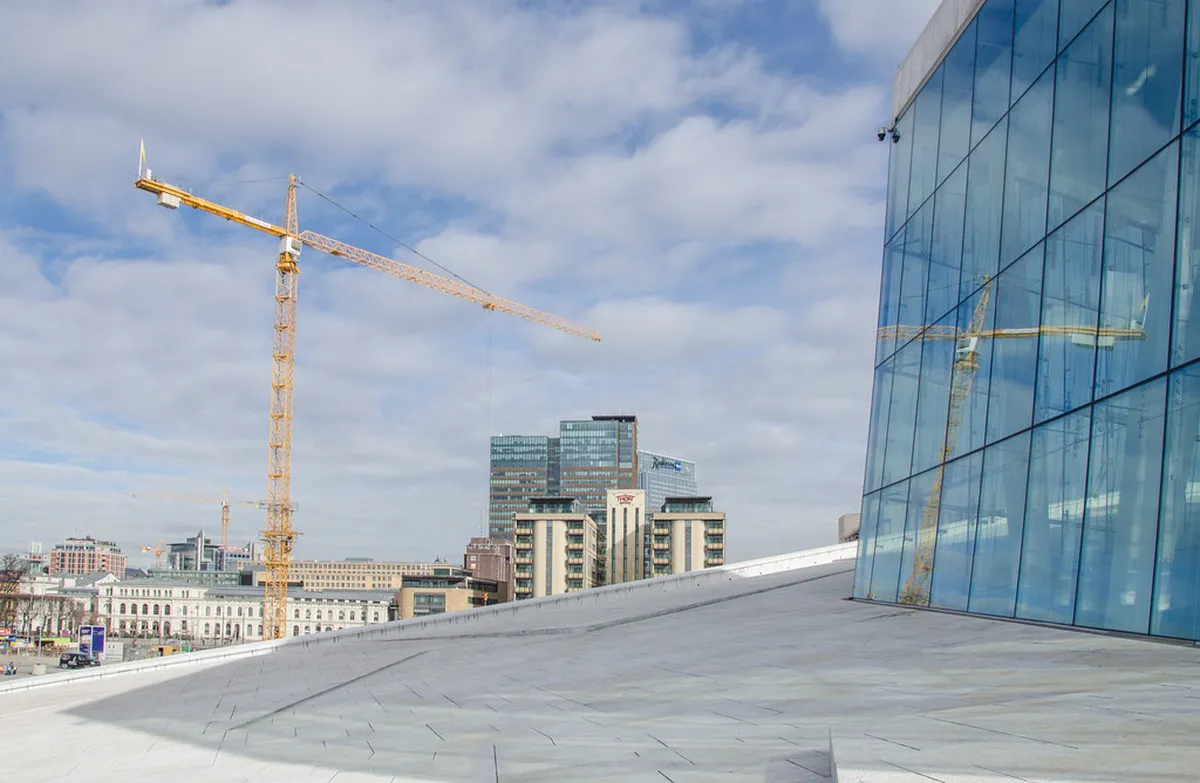
The Oslo Opera House stands as a beacon of modern Scandinavian design. Its unique form invites visitors to explore its surfaces. This architectural masterpiece integrates seamlessly with the Oslofjord landscape. It blends natural beauty with cutting-edge construction methods. We will explore the Oslo Opera House architecture details, from its inception to its stunning completion. Get ready to dive into the best of Oslo architecture on your next trip.
Opened in 2008, it quickly became an iconic landmark. The building is home to The Norwegian National Opera and Ballet. Its public accessibility sets a new standard for cultural institutions. Learn more about this stunning structure with our comprehensive guide to the Oslo Opera House.
Design Philosophy: Blending City, Fjord, and Art
Turn this guide into a personal route with our free Oslo itinerary planner.
Snøhetta architects designed the Oslo Opera House with a bold vision. They aimed to create a structure emerging from the water. The design metaphorically represents an iceberg, connecting city to fjord. This concept ensures public access to the building's exterior. It blurs lines between urban space and natural environment.
The architects prioritized democratic access in their plans. They envisioned a public space for everyone to enjoy. This means you can walk directly onto the roof from street level. The design invites interaction with the building itself. It offers unique perspectives of Oslo's waterfront.
This innovative approach transformed the Bjørvika waterfront area. It spurred new urban development in Oslo's cultural heart. The Opera House functions as a vibrant community hub. It is far more than just a performance venue. Consider exploring other Oslo Fjord City urban planning projects.
The design encourages visitors to engage with the arts. It also promotes appreciation for the city's natural setting. This philosophy makes the Opera House a truly engaging experience. Its welcoming design makes it a must-see for all visitors to Oslo in 2026.
Signature Materials and Striking Aesthetics
The Oslo Opera House architecture details include distinct material choices. White Italian Carrara marble covers the expansive sloping roof. This marble appears almost translucent in different light. It reflects the sky and water beautifully. This material gives the building its iconic bright, glacial look.
Large glass facades allow natural light to flood the interiors. They offer panoramic views of the fjord and surrounding islands. The glass creates a sense of openness and connection. It also minimizes the building's perceived weight. Explore more on unique Oslo building materials.
Contrasting with the exterior, the interior features warm, organic materials. Rich oak wood panels line the auditoriums and public spaces. This wood creates excellent acoustics for performances. It adds a sense of warmth and natural beauty inside. The contrast highlights the building's multifaceted character.
The main stage tower is clad in brushed aluminum. This material creates a shimmering effect, like a waterfall. These thoughtful material choices enhance the building's aesthetic. They contribute significantly to its unique architectural identity. Many contemporary Oslo architecture examples showcase similar material innovation.
The Iconic Walkable Roof and Public Space
One of the most remarkable Oslo Opera House architecture details is its walkable roof. This gently sloping surface is accessible to everyone, all year round. It functions as a public plaza, perfect for relaxation. Locals and tourists alike enjoy its expansive views.
Walking on the roof offers unparalleled perspectives of Oslo. You can see the cityscape, the islands, and the fjord. It’s a fantastic spot for photography. Access to the roof is completely free. This makes it a popular destination for visitors of all ages.
The roof’s design encourages exploration and leisure activities. Many people picnic there during summer months. Children often play safely on its gentle slopes. It truly exemplifies the building's public-friendly ethos. Discover more architectural viewpoints in Oslo.
The walkable roof epitomizes the
Frequently Asked Questions
What architectural style defines the Oslo Opera House?
The Oslo Opera House is primarily minimalist and contemporary. It features stark lines, geometric forms, and a strong connection to its environment. Snøhetta architects blended modernity with public accessibility. It's often described as an iceberg emerging from the fjord. This style prioritizes function, form, and user experience.
Can visitors walk on the roof of the Oslo Opera House?
Yes, visitors can absolutely walk on the roof of the Oslo Opera House. The design specifically intended this feature. It creates a large, accessible public plaza. This allows for stunning panoramic views of the city and fjord. Access to the roof is free for everyone. Plan your visit for the best experience. Read more about visiting the Oslo Opera House roof.
Who was the architect behind the Oslo Opera House?
The Oslo Opera House was designed by Snøhetta. This renowned Norwegian architecture firm is known globally. They have created many innovative and sustainable buildings. Their design for the Opera House brought them international acclaim. They emphasized public interaction and natural integration. Learn more about Oslo's top architects.
What unique materials are found in the Oslo Opera House?
The Opera House showcases distinctive materials. White Carrara marble covers the exterior roof and sloped areas. Large glass sections create a sense of transparency. Inside, warm Norwegian oak wood dominates the auditoriums and public spaces. These materials contrast to create its unique aesthetic. They also serve functional purposes, like acoustics.
The Oslo Opera House is a truly remarkable architectural achievement. Its thoughtful design blends art, nature, and urban life. The building stands as a symbol of modern Norway's commitment to culture and accessibility. Exploring its Oslo Opera House architecture details reveals a masterpiece. It offers both aesthetic beauty and practical public space.
Make sure to include this iconic landmark on your Oslo itinerary for 2026. Walk its roof, admire its materials, and perhaps catch a performance. The Opera House promises an unforgettable experience. Plan your full Oslo architecture itinerary today.
Key Takeaways
- The Oslo Opera House features a groundbreaking design by Snøhetta.
- Its walkable roof offers free public access and panoramic city views.
- Key materials include white Carrara marble, expansive glass, and warm oak wood.
- The architecture prioritizes integration with the Oslofjord and democratic access.
- Visit in 2026 to experience this blend of art, nature, and urban design.