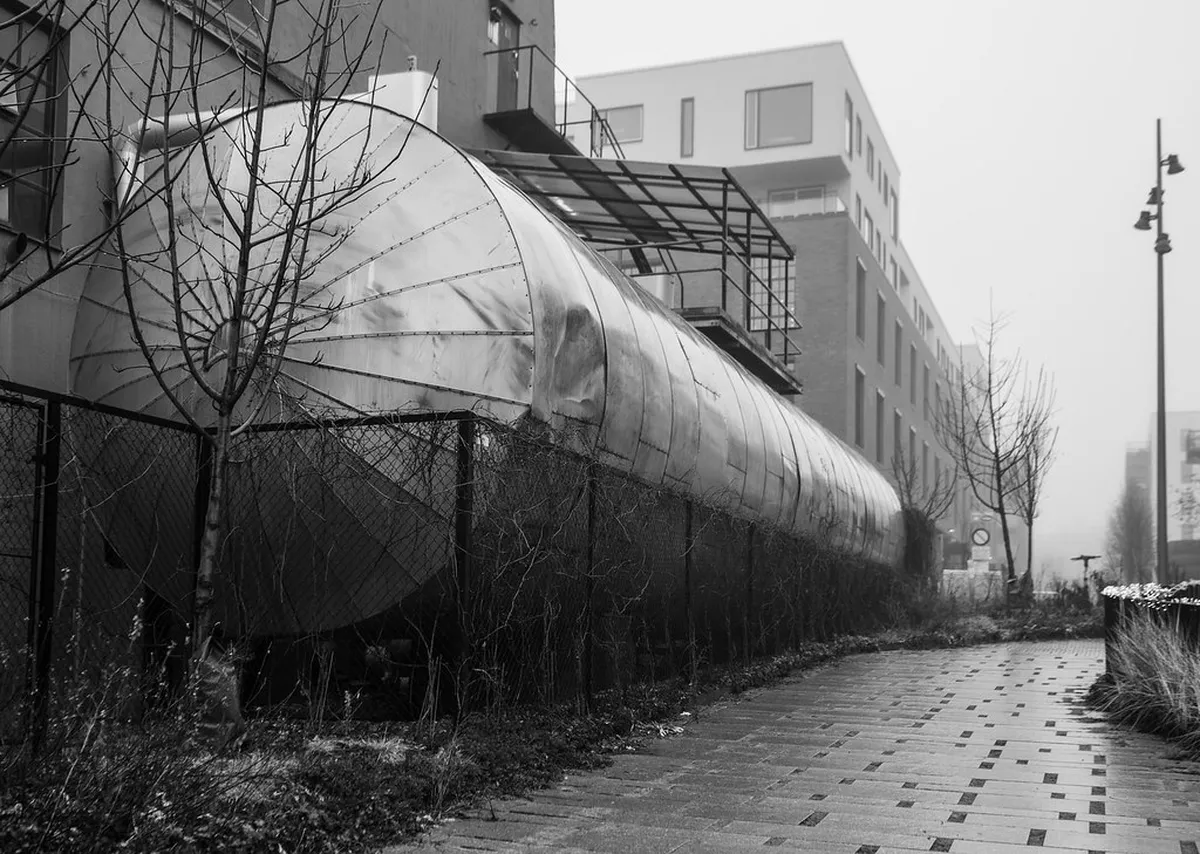
Oslo boasts a rich tapestry of history and innovation. Among its treasures are the fascinating old industrial buildings. Many of these structures once powered the city's growth. Today, they stand as vibrant examples of urban revitalization. This guide explores their enduring legacy and exciting new uses.
Grünerløkka, in particular, showcases incredible industrial transformations. Former factories now house creative businesses and cultural hubs. Discover the unique charm of Grünerløkka's industrial architecture. It offers a captivating glimpse into Oslo's past and future.
Oslo's Industrial Past: A Foundation for Growth
Turn this guide into a personal route with our free Oslo itinerary planner.
Oslo's industrial boom began in the 19th century. The Akerselva River was its beating heart. Factories lined its banks, harnessing water power. Textile mills, breweries, and mechanical workshops flourished here.
These old industrial buildings were crucial to Norway's economy. They provided jobs and fueled urban development. Their sturdy brick and stone designs still tell a compelling story. They represent a significant chapter in Oslo's historical buildings.
Many areas saw rapid industrial expansion. Grünerløkka was one such prominent district. It became a hub for manufacturing and labor. This rich history sets the stage for today's exciting transformations. It's a testament to Oslo's adaptability.
Grünerløkka's Industrial Heritage: Factories Reimagined
Grünerløkka offers an unparalleled look at Oslo's industrial past. Its streets are filled with former factory complexes. These buildings once produced everything from shoes to beer. Today, they house modern businesses and cultural spaces.
The area's transformation is a prime example of factory conversions in Oslo. Architects have skillfully blended old with new. Original features like high ceilings and large windows remain. Exposed brickwork and industrial details add character.
This thoughtful revitalization has preserved the district's soul. It draws visitors interested in urban planning and design. Exploring Grünerløkka reveals layers of history. You can see how an industrial past shaped a vibrant present.
Many former factory buildings now host trendy cafes and boutiques. Others have become offices for creative industries. It's a living museum of adaptive reuse. The area is a fantastic spot for an Oslo architectural walking tour.
Iconic Industrial Conversions: Must-Visit Sites in 2026
Several converted industrial sites in Oslo are now major attractions. These places showcase innovative design. They offer a unique blend of history and modernity. Plan to visit them on your 2026 trip.
Vulkan is a standout example. This former industrial area is a culinary and cultural hotspot. It includes Mathallen, Oslo's popular food hall. Address: Maridalsveien 17, 0175 Oslo. Explore various food stalls and restaurants. Mathallen is typically open Tuesday to Sunday, 10 AM to 6 PM (times vary).
The Ringnes Park area also features remarkable conversions. Once a major brewery, it's now a residential and commercial district. New buildings integrate with preserved historic structures. This blend creates a unique urban environment. Consider taking public transport to explore this expansive complex.
Don't miss the Schous Bryggeri complex. This former brewery now hosts offices, apartments, and cultural venues. Its red-brick architecture is iconic. Wander through its courtyards for a sense of its industrial scale. These areas are easily accessible from central Oslo, making them perfect for Oslo architecture itineraries.
Planning Your Industrial Architecture Tour in Oslo
Embarking on an industrial architecture tour is rewarding. Start your journey in Grünerløkka. Begin near the Akerselva River. Walk north to discover various factory conversions. Many sites are close together, perfect for exploring on foot.
Consider joining an organized Oslo architecture tour. Experts can provide deeper insights. They often highlight hidden gems you might miss. Book tours in advance, especially during peak seasons in 2026.
Public transport in Oslo is efficient and convenient. Trams and buses serve the Grünerløkka area well. Use the Ruter app for planning routes and buying tickets. A day pass offers great value for extensive exploration.
Allow ample time for each site, especially Vulkan/Mathallen. You might want to sample local foods or browse shops. Wear comfortable shoes for walking. This immersive experience truly connects you with Oslo's industrial legacy and modern transformation.
Frequently Asked Questions
What kind of old industrial buildings can I see in Oslo?
You can see former textile factories, breweries, and mechanical workshops. Many are found along the Akerselva River. These structures often feature classic red brick or stone. They provide a glimpse into Oslo's rich manufacturing history. Visit unique Oslo architecture examples like these.
Which district is best for seeing industrial architecture in Oslo?
Grünerløkka is hands-down the best district. It was a major industrial center. Today, it showcases incredible factory conversions. Vulkan and Ringnes Park are prime examples here. Use an Oslo architecture map to navigate the area easily. Its blend of old and new is truly captivating.
Are there any specific examples of transformed industrial sites?
Absolutely. Mathallen Oslo is a transformed factory building. It's now a popular indoor food market. The entire Vulkan area was once industrial land. Schous Bryggeri, a former brewery, is another fantastic example. These sites highlight contemporary Oslo architecture within historic shells. They blend history with modern utility.
Oslo's old industrial buildings are more than just relics. They are vibrant spaces embodying the city's dynamic spirit. From Grünerløkka's transformed factories to the bustling Vulkan district, history meets modernity. These sites offer a unique perspective on urban renewal. They are a must-see for architecture enthusiasts in 2026.
Explore these historical gems and witness their new life. Plan your visit to discover Oslo's remarkable design districts. Experience how the past shapes a truly inspiring future.
Key Takeaways
- Oslo's industrial past is visible in its converted factory buildings.
- Grünerløkka is the best district for exploring revitalized industrial architecture.
- Must-visit sites include Vulkan (with Mathallen) and Ringnes Park for 2026.
- Planning an architectural walking tour is easy with Oslo's public transport.
- The blend of old structures with modern uses creates unique cultural and commercial spaces.