Planning your full visit? Compare trip lengths and route choices in the Óbidos itinerary planner.
An obidos to peniche day trip works because the two places give you a sharp Silver Coast contrast in a short distance. Start inside the walls of Óbidos, then spend the afternoon in Peniche, where the harbor, fortress, surf beaches, and Cabo Carvoeiro face the Atlantic. This 2026 plan keeps the route simple enough for one day without turning it into a race.
The drive from Óbidos to Peniche is about 27 km and usually takes 25 to 30 minutes. From Lisbon, allow about 1 hour 10 minutes to Óbidos by car, then finish the day by returning from Peniche in about 1 hour 20 minutes. Public transport is possible with regional buses, but a rental car or private transfer gives you the cleanest timing for all eight stops.
| Town | Vibe | Top sight | Must-eat or drink |
|---|---|---|---|
| Óbidos | Medieval village inside castle walls | Wall walk and Rua Direita | Ginja d'Óbidos in a chocolate cup |
| Peniche | Working fishing town and surf coast | Cabo Carvoeiro and the fortress | Grilled fish, caldeirada, or arroz de marisco |
Plan to park outside Óbidos near Porta da Vila, walk the village before the largest tour groups arrive, and reach Peniche around lunch. If you need more Óbidos context before this route, use our Óbidos itinerary and compare it with broader Óbidos day trip options. Keep cash for Ginja tastings, a jacket for Cabo Carvoeiro, and shoes that handle slick cobbles and unguarded stone steps.
- By car, use Óbidos in the morning, Peniche after lunch, and Cabo Carvoeiro near sunset.
- By bus, check Rodoviária do Oeste schedules before committing, because gaps can make Berlengas or Buddha Eden unrealistic.
- By private tour, confirm whether Buddha Eden, the fortress museum, or seafood lunch is included, since many listings mention them but treat them as optional.
- Pack walking shoes, sun protection, a wind layer, water, and a small amount of cash for tastings and market cafés.
Óbidos Castle and Medieval Walls
Turn this guide into a personal route with our free Óbidos itinerary planner.
Begin at Porta da Vila around 8:30 or 9:00, before day tours fill Rua Direita. The castle and walls give the best first view of the village: white houses below, farmland beyond the ramparts, and the old royal settlement wrapped inside stone. Entry to the village and the wall walk is free, which makes this the easiest high-value stop of the day.
The Óbidos medieval walls are beautiful but not casual. The path is narrow, uneven, and mostly unguarded, with steep drops on one side and stone steps that can feel exposed in wind or rain. If heights or mobility are an issue, walk only the short stretch near the main gate, then return to street level for the same village atmosphere without the full loop.
Allow 45 to 60 minutes if you walk a substantial section of the ramparts. Photographers should look north toward the castle hotel and west toward the lagoon plain, where the landscape hints at how close Óbidos once was to the water. This is also the point where a medieval village visit becomes more than a quick photo stop.
The Queen’s Village Historic Center
Óbidos is called the Queen's Village because King Dinis gave it to Queen Isabel as a wedding gift, and later queens shaped its churches, aqueduct, and civic life. That royal layer explains why such a small place has a dense historic center. The town rewards a slow loop rather than a straight march to the castle.
Step into Igreja de Santa Maria for azulejos, painted ceilings, and the story of Josefa d'Óbidos, one of Portugal's important 17th-century painters. Then leave the main shopping street for side lanes with bougainvillea, blue-and-yellow trim, small courtyards, and quieter viewpoints. Our wider guide to things to do in Óbidos Portugal helps if you decide to spend longer here.
The historic center is compact, but the surfaces matter. Cobblestones are polished smooth in places, and wheelchairs or strollers will find some lanes difficult even when the distance is short. A practical fallback route is Porta da Vila, Rua Direita, Igreja de Santa Maria, and the lower lanes near the gate, which keeps the medieval feel while avoiding the steepest steps.
Rua Direita: Ginja and Artisan Shops
Rua Direita is the busiest street in Óbidos, but it belongs in the itinerary because it concentrates the village's tastings, bookstores, ceramics, cork goods, and small food shops. Most stores open around 10:00, so it pairs naturally with the wall walk. Visit before noon if you want to browse rather than shuffle with tour groups.
A classic Óbidos cherry liqueur tasting is Ginja d'Óbidos served in a small chocolate cup. Expect to pay about EUR 1 to EUR 2, and taste slowly rather than treating it like a shot. The liqueur is sweet, sour, and strong enough that one small cup is plenty before driving.
If you want a snack before leaving town, choose almond sweets, simple pastries, or coffee instead of a long lunch. Peniche is the better lunch stop because the fishing harbor gives you fresher seafood and a more local rhythm. Leaving Óbidos by 11:30 keeps the day on track.
Peniche Fishing Harbor and Seafood Market
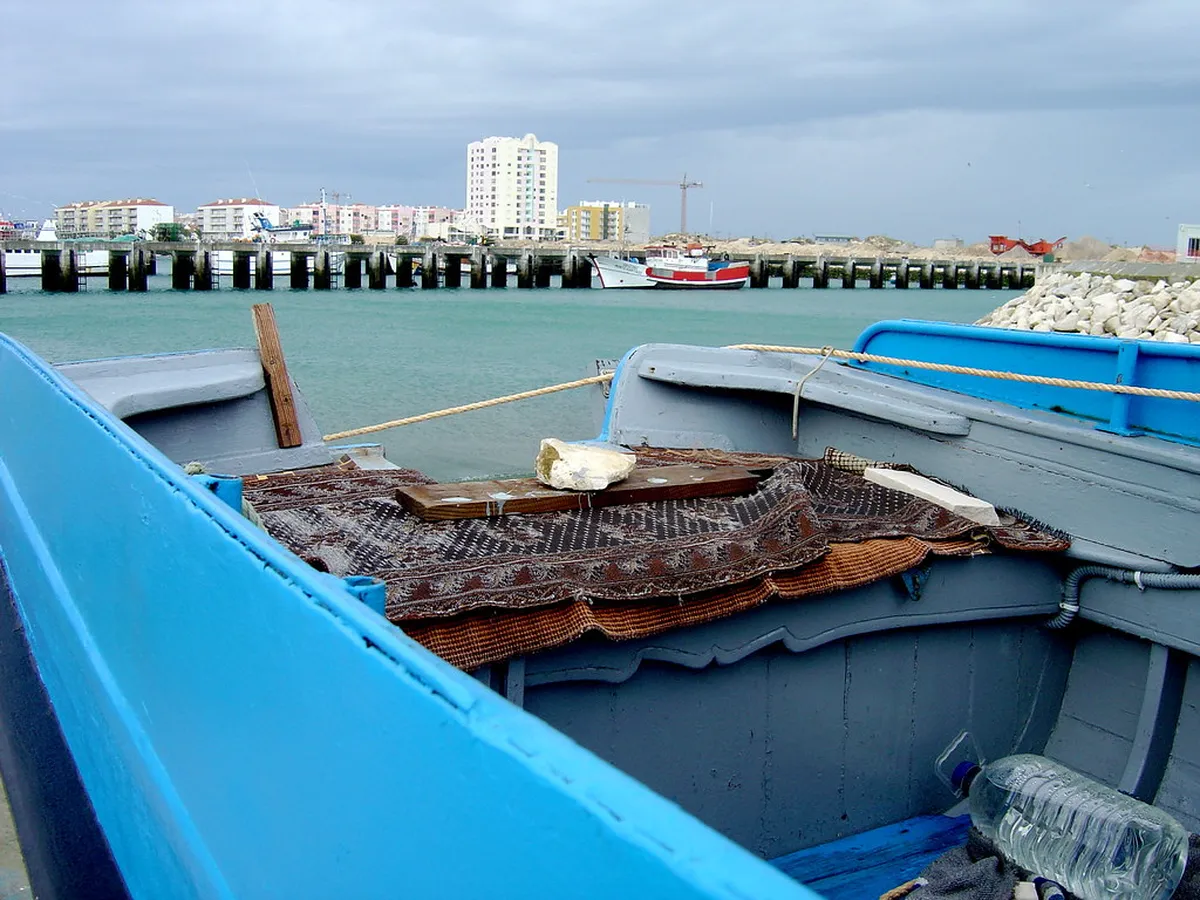
Peniche changes the mood of the day from polished medieval village to working Atlantic town. The harbor is still one of Portugal's important fishing ports, with boats, nets, gulls, warehouses, and restaurants clustered around the waterfront. The Peniche tourism office provides current event schedules and harbor access tips. Arrive around 12:15 or 12:30 and you can make the harbor your lunch base.
The seafood market is liveliest in the morning, but late morning to early afternoon still gives you a useful look at the town's maritime routine. Keep out of unloading lanes, ask before photographing workers at close range, and treat the port as a workplace rather than a staged attraction. This small etiquette point makes the visit feel more respectful and often gets you warmer interactions.
For lunch, look for grilled sardines in season, dourada, sea bass, caldeirada, or arroz de marisco. A straightforward grilled fish meal often lands around EUR 12 to EUR 20, depending on the catch and restaurant. The harbor area is flatter than Óbidos, so it is also the best part of the day for travelers who need an easier walk.
Before leaving the center, look for Peniche's bobbin lace tradition, known locally as Renda de Bilros. The craft grew around fishing life, when women made lace while men worked at sea, and it remains one of the town's defining handmade arts. If timing allows, add the Museu da Renda de Bilros or small lace displays near the historic center.
Fortaleza de Peniche: History and Museums
The Fortaleza de Peniche adds historical weight to a route that could otherwise become only pretty streets and sea views. Built for coastal defense in the 16th and 17th centuries, it later became a political prison during the Estado Novo dictatorship. Today, it is tied to the National Museum of Resistance and Freedom.
Allow about one hour if you want to understand the prison cells, exhibits, and ramparts without rushing. Opening hours can shift around holidays and museum works, so check the current schedule before building your whole afternoon around it. If the interior is closed, the exterior still anchors the historic center and gives strong views toward the sea.
This stop also keeps the itinerary balanced. Óbidos tells the story of queens, painters, churches, and medieval walls; Peniche tells the story of fishing labor, maritime defense, dictatorship, and democratic memory. Seeing both in one day makes the Silver Coast feel less like a postcard and more like a lived-in region.
Cabo Carvoeiro and the Rock That Breathes
Cabo Carvoeiro is the most dramatic natural stop on this obidos to peniche day trip. The headland sits at the western end of the Peniche Peninsula, with limestone cliffs, the Cabo Carvoeiro lighthouse, Berlengas views, and strange rock shapes cut by Atlantic wind and water. It is free to visit and only a short drive from the harbor.
The famous formation here is Nau dos Corvos, often linked with the "Rock That Breathes" effect when swell pushes water and air through the rocks. Go near high tide or after a few windy Atlantic days if you want the most movement, but keep well back from wet cliff edges. The approximate viewpoint area is around 39.357° N, 9.409° W, close to the lighthouse road and main lookout.
Sunset is beautiful, but afternoon wind can be harsh even in summer. Bring a jacket, secure hats, and avoid standing close to unfenced drops for photos. Travelers with mobility concerns can still enjoy the lighthouse area from the main parking viewpoints without taking the rougher cliff paths.
Berlengas Islands: The Offshore Gem
The Berlengas Islands are visible from Cabo Carvoeiro and Peniche on clear days, but visiting them is a different commitment from simply seeing them. Boats leave from Peniche and the crossing usually takes about 30 to 45 minutes each way, depending on the vessel and sea conditions. The islands are protected as a UNESCO Biosphere Reserve by ICNF, and you should check the Official Berlengas Boat Schedules before treating the island as part of a combined day.
For most travelers, Berlengas is better as a separate half-day or full-day trip. Between check-in, the crossing, island walking, possible cave boats, and the return, it can absorb four to six hours. That makes it a tight squeeze if you also want a proper Óbidos morning, Peniche lunch, the fortress, and Cabo Carvoeiro.
If you do go, book ahead in summer and bring water, snacks, sun protection, and shoes suitable for rocky paths. The main island has the São João Baptista Fort, birdlife, clear water, and limited facilities, but boat service depends on safe seas. In a one-day itinerary, the smarter move is usually to admire Berlengas from the coast and save the island for another day.
Buddha Eden: The Garden of Peace
Buddha Eden is the best add-on stop between Óbidos and Peniche if you have a car and want something unexpected. The garden sits near Bombarral, not far from Óbidos, and covers about 35 hectares with large Buddha statues, terracotta warriors, lakes, bamboo, and modern sculpture. It works best before Peniche if you start early, or after Óbidos if you are skipping Berlengas.
Allow at least 1 hour 30 minutes, and closer to two hours if you want the main areas without rushing. Entry has often been around EUR 6, but confirm the 2026 price before you go. The internal train can help if you want to cover more ground with less walking.
Do not add Buddha Eden, Berlengas, and Nazaré to the same day unless you are comfortable with a checklist trip. A cleaner extension is to sleep nearby, then continue north on an Óbidos to Nazaré day trip or choose from places to stay in Óbidos before another Silver Coast day. For this itinerary, Buddha Eden is the flexible extra, not the core reason to make the trip.
Frequently Asked Questions
Is a day trip from Óbidos to Peniche worth it?
Yes, it is definitely worth it for the incredible contrast between medieval history and rugged coastal scenery. You can easily see the main highlights of both towns in about ten hours. The short twenty-minute drive makes the logistics very simple for travelers.
How do I get from Óbidos to Peniche by public transport?
You can take a Rodoviária do Oeste bus which connects the two towns frequently throughout the day. The journey takes about thirty minutes and costs roughly four Euros per person. Check the latest schedules at the local bus station near the Óbidos main gate.
Can you visit the Berlengas Islands on an Óbidos day trip?
It is possible but requires very careful timing and an early start in Óbidos. You should book the morning ferry from Peniche to ensure you have enough time for the islands. Most visitors find that Berlengas alone takes about five to six hours total.
For related Óbidos guides, see our Óbidos to Nazaré Day Trip and Obidos to Fatima Day Trip.
An obidos to peniche day trip is worth it when you keep the day focused: Óbidos before lunch, Peniche in the afternoon, and Cabo Carvoeiro when the light softens. The route gives you medieval walls, Ginja, a working harbor, recent political history, and Atlantic cliffs without requiring a long drive between stops.
The main mistake is adding too much. Berlengas, Buddha Eden, Nazaré, and a slow seafood meal cannot all fit comfortably into the same day. Pick the eight stops above, keep one flexible add-on, and let the Silver Coast feel varied rather than rushed.
Official Sources to Check Before You Go
Transport, admission, event, weather and access details can change after publication. Recheck the source that affects your date instead of treating a copied schedule or price as permanent.