Planning your full visit? Compare trip lengths and route choices in the Óbidos itinerary planner.
I built this Óbidos to Nazaré day trip guide for travelers who want medieval walls, Atlantic viewpoints, and a realistic transport plan in one long day. The route works best as a Lisbon day trip by car, but you can also do it with buses if you accept a tighter schedule. In 2026, the biggest mistake is still treating Nazaré as only a beach stop; the clifftop Sítio district, sanctuary, fort, and wave forecast matter just as much as the sand.
Start early in Óbidos, move north before lunch, and save Nazaré's upper town for the clearest afternoon light. The drive between the two towns is short, but parking, funicular queues, and seafood lunch timing can decide whether the day feels smooth or rushed. This guide keeps the plan practical, with parking choices, wave-season timing, and add-on stops for Alcobaça, Batalha, or Fátima if you have your own car.
1-Day Óbidos to Nazaré At a Glance
Turn this guide into a personal route with our free Óbidos itinerary planner.
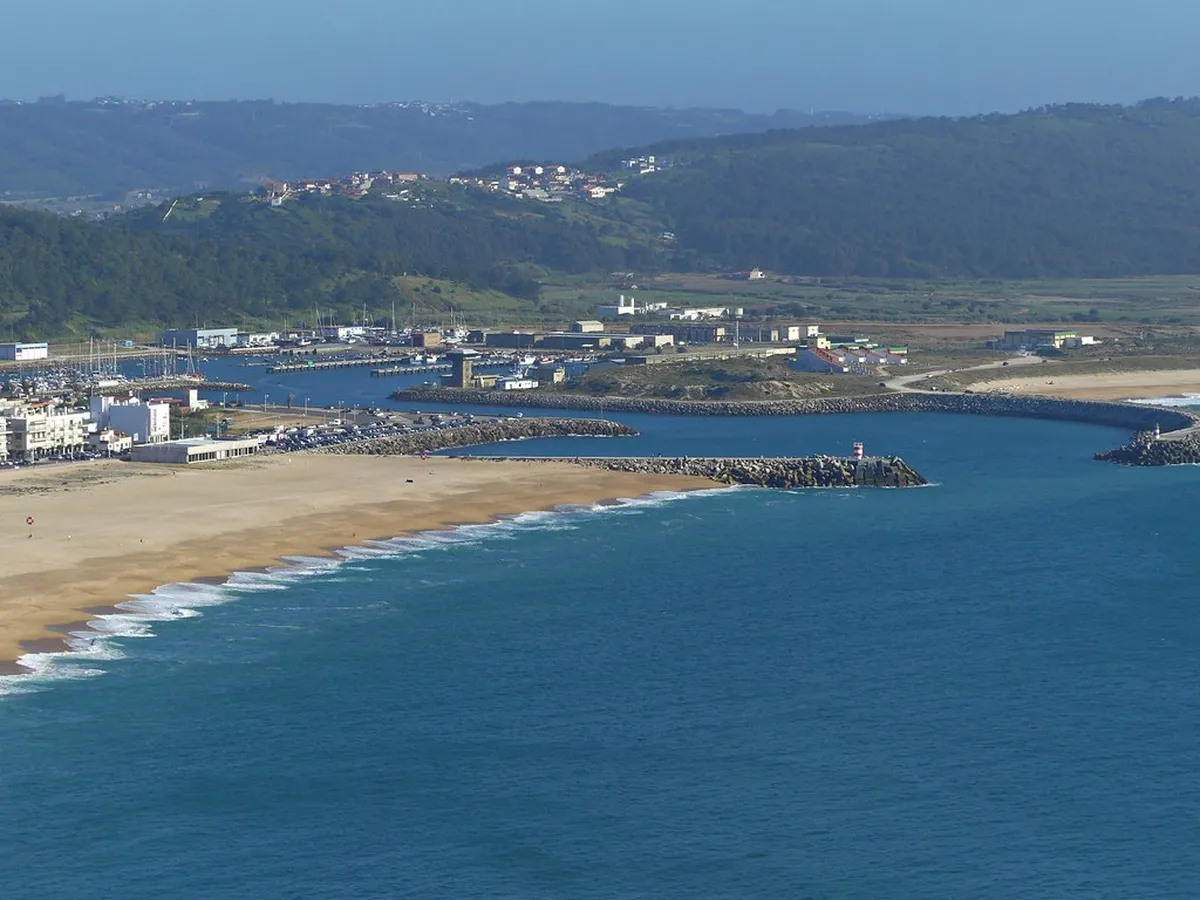
The cleanest Óbidos to Nazaré day trip is a 9 to 10 hour loop from Lisbon or a shorter half-day transfer if you are already sleeping on the Silver Coast. Put Óbidos first because the village is calmer before 10:00 and the wall walk is easier before the midday sun. Move to Nazaré around late morning, then split your time between Praia da Nazaré, Sítio, Praia do Norte, and a seafood meal.
- 08:00 to 09:15: Drive from Lisbon to Óbidos, or arrive from a nearby Silver Coast base.
- 09:15 to 11:45: Walk the castle walls, main gate, Rua Direita, and bookshops.
- 11:45 to 12:20: Drive from Óbidos to Nazaré, allowing extra time for parking.
- 12:30 to 14:00: Eat seafood in Nazaré before the lunch rush peaks.
- 14:00 to 16:30: Ride or drive up to Sítio, visit the sanctuary, and continue to Forte de São Miguel.
- 16:30 to 18:00: Watch Praia do Norte, check the forecast, and leave before the return traffic builds.
The Perfect Óbidos to Nazaré Day Trip Itinerary
This best Óbidos day trip starts outside the walls, not in the souvenir street. Park first, enter through Porta da Vila, and use the first hour for the walls before day-tour groups fill the narrow lanes. After that, walk Rua Direita slowly, look into the bookshops, and try ginjinha before leaving town.
Leave Óbidos before 12:00 if you want lunch in Nazaré without a long wait. The direct drive takes about 30 minutes, but the final parking search can add another 10 to 20 minutes in summer and on surf-event days. Once you arrive, eat first near the lower town, then go up to Sítio for the Sanctuary of Our Lady of Nazaré, Suberco Viewpoint, and Forte de São Miguel.
Must-See Óbidos Attractions: Castle and Medieval Walls
Walking the walls is the core of any Óbidos itinerary. The route is free, exposed, and narrow, with no continuous guardrail, so wear shoes with grip and keep children away from the outer edge. Most visitors need 45 to 75 minutes for a partial walk and photos, while a full loop can take closer to 90 minutes if you stop often.
The castle now operates as a pousada, but its exterior still anchors the village skyline. For the best views, climb near the southern entrance first, then continue toward the northwestern wall for orange rooftops, whitewashed houses, and countryside beyond the aqueduct. If the wall feels too high or crowded, stay at street level and follow Rua Direita to the castle square instead.
Museums and Culture: The Literary Man and Ginjinha Tasting
Óbidos is not only a castle stop; it has leaned into book culture, small galleries, and restored spaces that reward a slower walk. The Literary Man hotel and nearby bookshops are useful if rain interrupts the wall route or if you want a quieter break from the main souvenir lane. This is also where the village feels different from other Lisbon day trips, because the medieval shell has a living literary scene inside it.
Try ginjinha in the village, but treat it as a tasting rather than a bar crawl. The classic version is served in a small chocolate cup, and a quick pour usually costs around €1 to €2. For a better experience, look for producers using local sour cherries and avoid blocking the narrow doorway after ordering, since the lanes are shared by residents, guides, and delivery carts.
Nazaré Coastal Highlights: Praia do Norte and Big Waves
Nazaré's giant-wave reputation comes from Praia do Norte and the underwater canyon that focuses Atlantic swell toward the headland. The famous 20 meter-plus conditions are not a daily sight, even in winter. The realistic big-wave window is October to March, with the strongest chances after Atlantic storms and with forecasts showing a large northwest swell, long wave period, and favorable wind.
Forte de São Miguel Arcanjo is the best place to understand the surf history and see the wave line. Garrett McNamara made Nazaré internationally famous here, but the fort also gives non-surfers a clear view of why the canyon matters. The medieval wall walk in Óbidos gives you the first high viewpoint of the day; Forte de São Miguel gives you the Atlantic version.
Religious Heritage: Sanctuary of Our Lady of Nazaré
The Sanctuary of Our Lady of Nazaré sits in Sítio, the clifftop district above the beach. It is not just a quick photo stop between the funicular and the fort. The church connects Nazaré's fishing identity, pilgrimage history, and the legend of the Virgin's intervention on the cliff.
Give the sanctuary 20 to 30 minutes before walking to Suberco Viewpoint. The interior tilework and devotional objects add context that most wave-focused itineraries miss. If you are also considering Fátima, this stop helps decide whether you want a deeper religious-history day or a simpler Óbidos and Nazaré route.
Transportation Guide: Driving vs. Public Transport from Lisbon
Driving is the easiest way to combine Óbidos and Nazaré because the route is compact and the best viewpoints are spread out. From Lisbon, allow about 1 hour 15 minutes to Óbidos in normal traffic, about 30 minutes from Óbidos to Nazaré, and about 1 hour 30 minutes back to Lisbon. A rental car also lets you add Alcobaça or Batalha without rebuilding the whole day around bus times.
Public transport is possible but less forgiving. Buses can connect Lisbon, Óbidos, and Nazaré, yet schedules vary by season and may leave awkward gaps for a same-day route. If you do it by bus in 2026, book the first Lisbon to Óbidos departure you can, check the Óbidos to Nazaré connection before committing, and consult Nazaré's official resources for local transport updates and keep the Nazaré funicular as optional rather than essential.
Best Time to Visit: Giant Wave Season and Weather
For big-wave watching, plan between October and March and stay flexible by at least one or two days if the waves are the reason for your trip. The fort can be dramatic on stormy days, but fog, heavy rain, or strong crosswinds may reduce visibility. Summer is better for beach weather, easier walking in Óbidos, and calmer family travel, but it is not the season for the famous 80-foot wave headlines.
The best day-trip rhythm changes by season. In winter, start early but prioritize daylight and weather windows at Praia do Norte. In summer, reach Óbidos before heat builds, eat in Nazaré before 13:00, and use Sítio later in the afternoon when tour buses begin to thin out.
Traditional Seafood Dining in Nazaré
Nazaré is one of the better Silver Coast stops for a seafood lunch because the town still has a visible fishing culture. Grilled sardines, caldeirada, clams, octopus rice, and fresh catch of the day are safer bets than generic tourist menus. A sit-down lunch at a local favorite such as Rosa dos Ventos often lands around €20 to €30 per person before wine.
Eat in the lower town if you want more restaurant choice, then go up to Sítio after lunch. If you are returning to Óbidos for the evening, reserve a dinner table ahead in July, August, and festival periods. For a tighter budget, choose a simple prato do dia away from the beachfront and spend the saved time at the viewpoints.
The "Sister Towns" Route: Alcobaça, Batalha, and Fátima
The "Sister Towns" idea works best for travelers with a car. Alcobaça is the easiest add-on from Nazaré, and this Alcobaça day trip pairing makes sense if you want one monastery stop without overloading the day. Batalha adds another major Gothic monastery, but it pushes the trip from relaxed to ambitious.
Fátima belongs on the route only if pilgrimage history is a priority. Tour companies often sell Fátima, Nazaré, and Óbidos together because hotel pickup makes the long day manageable. Independent travelers should choose either Óbidos plus Nazaré with one monastery, or Óbidos plus Nazaré plus Fátima with a very early start and no long beach break.
Essential Logistics: Parking, Meeting Points, and Booking
Parking is the detail that most changes the day. In Óbidos, use the large lots outside the southern gate and aqueduct area rather than chasing smaller spaces near the castle. The walk is short, the exit is easier, and the parking tips matter more on weekends, school holidays, and festival dates.
In Nazaré, decide whether you want to park in the lower town and use the funicular, or drive up to Sítio and park near the sanctuary and fort. The funicular is scenic and useful, but queues can spike when tour groups arrive together. If you are joining a tour, confirm the Lisbon meeting point, whether hotel pickup is included, and whether lunch is excluded before comparing prices.
Family-Friendly and Budget Tips for the Silver Coast
Families should treat the Óbidos walls as optional if the path is wet, crowded, or stressful with small children. You can still enjoy the village from street level, then spend the saved energy on Nazaré's beach promenade and Sítio viewpoints. Keep a light jacket in the car even in summer because the wind above Praia do Norte can feel much colder than Óbidos.
The strongest budget move is to check Nazaré wave cams and surf forecasts before paying for parking near the fort or reorganizing the whole afternoon around big waves. If the forecast is flat, make the fort a viewpoint and museum stop rather than the center of the day. If the forecast is strong, go to Sítio earlier, avoid standing too close to exposed cliff edges, and expect traffic around the lighthouse road.
Frequently Asked Questions
How much time should you plan for an Óbidos to Nazaré day trip?
Plan at least eight to ten hours for this trip. This allows for three hours in Óbidos and four in Nazaré. You will also need time for the drive between towns.
Is it better to drive or take the bus from Óbidos to Nazaré?
Driving is much better for flexibility and reaching the best viewpoints. The bus is cheaper but limits your schedule significantly. Driving offers the most flexibility, while public transport needs a carefully checked timetable.
What is the best time of year to see the big waves in Nazaré?
The giant waves typically occur between October and March each year. You should check the surf forecast a few days before your visit. Summer waves are much smaller and calmer.
Can you visit Fátima, Óbidos, and Nazaré in one day?
Yes, you can visit all three if you start very early. It will be a long day with about twelve hours of travel. I suggest prioritizing two for a more relaxed pace.
For related Óbidos guides, see our Obidos to Fatima Day Trip and Obidos To Alcobaca Day Trip Travel Guide.
An Óbidos to Nazaré day trip is a highlight of any Portuguese vacation. You will see the perfect blend of medieval history and the raw power of nature. I hope this guide helps you plan a seamless and memorable journey through the coast. Enjoy the fresh seafood and the stunning views of the Atlantic Ocean.
Official Sources to Check Before You Go
Transport, admission, event, weather and access details can change after publication. Recheck the source that affects your date instead of treating a copied schedule or price as permanent.