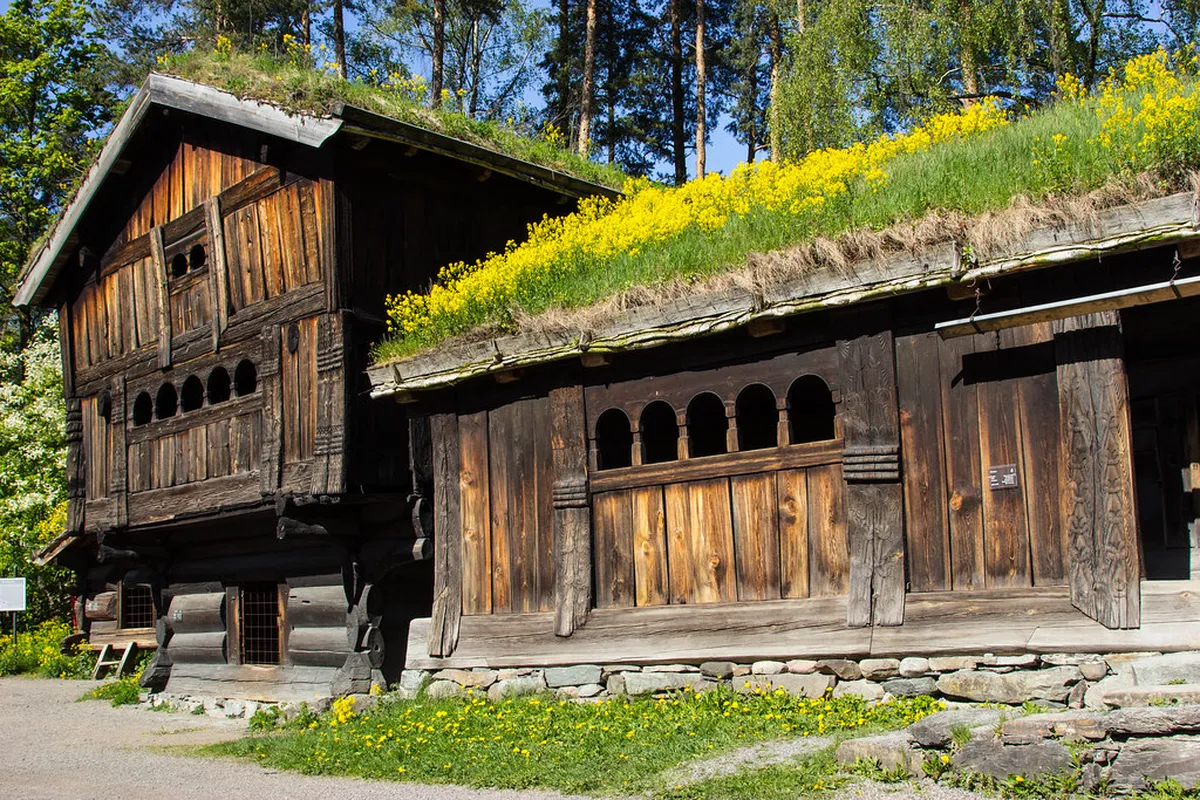
Experience Norway's captivating past at the Norsk Folkemuseum buildings. This open-air museum showcases centuries of Norwegian life. It stands proudly on Oslo's beautiful Bygdøy Peninsula. You will find over 160 historic structures here. Bygdøy Peninsula architecture offers unique insights.
These impressive Norsk Folkemuseum buildings tell Norway's story. They represent various regions and time periods. Walking through the museum is like traveling back in time. Discover diverse architectural styles and cultural traditions. Plan your visit for an unforgettable 2026 experience. Learn more about Bygdøy's museum styles.
The Iconic Gol Stave Church at Norsk Folkemuseum
Turn this guide into a personal route with our free Oslo itinerary planner.
The Gol Stave Church is a true masterpiece of medieval architecture. It dates back to around 1200 AD. This wooden church was moved from Gol in Hallingdal. It is now a central part of the Norsk Folkemuseum buildings.
Its intricate carvings and distinct design are remarkable. The church exemplifies ancient Norwegian building traditions. It showcases unique construction techniques. Visitors can step inside and feel its historical presence. This is a must-see for anyone interested in Oslo's stave churches.
The interior offers a glimpse into Norway's religious past. Wooden columns and painted details adorn the space. It’s an incredibly well-preserved example. Consider the craftsmanship involved in its creation. This building stands as a testament to early Norwegian artistry.
Exploring the stave church provides a deeper understanding. It connects you to Norway's distant history. The surrounding museum complements its story. Many visitors find it profoundly moving. It truly highlights historical Oslo buildings.
Diverse Farmsteads and Rural Norsk Folkemuseum Buildings
The museum features a vast collection of farm buildings. These structures show traditional rural life. Each farmstead represents a specific region of Norway. You can see how people lived and worked centuries ago. These Norsk Folkemuseum buildings are incredibly authentic.
Different styles reflect regional variations in climate and resources. Log houses, turf roofs, and timber framing are common. Many buildings include barns, stables, and storehouses. They demonstrate sustainable building practices. This collection offers excellent insight into Bygdøy's museum architectural styles.
Visitors often find live demonstrations at the farmsteads. Artisans might show traditional crafts or cooking. These interactive experiences bring history to life. The attention to detail is truly impressive. It’s an engaging way to learn about Norwegian heritage.
Wander through these open-air sections at your own pace. You will appreciate the diverse architectural solutions. Each building tells a unique story. Many homes are furnished to reflect their historical period. This section is a highlight of the Norsk Folkemuseum buildings.
Urban Dwellings and Town Architecture Recreated
Beyond the rural landscapes, the museum has a unique 'Old Town' section. Here, you will find buildings from urban environments. These structures mostly come from Oslo itself. They represent different eras, mainly from the 17th to the 20th century.
This urban collection showcases townhouses and commercial buildings. You can see how city dwellers lived and worked. The variety in these Norsk Folkemuseum buildings is striking. They illustrate social and economic changes over time. Consider an Oslo architecture itinerary.
Explore shops, workshops, and residential homes. Many are furnished to give a realistic impression. Walk through cobbled streets and imagine life long ago. This section provides a fascinating contrast to the rural farmsteads. Some structures even display Art Nouveau Oslo buildings details.
The Old Town offers a concise history of urban development. It allows visitors to compare different living standards. You gain a broader understanding of Norwegian culture. It's a key part of the comprehensive museum experience. Allow plenty of time to explore it all.
Planning Your 2026 Visit to Norsk Folkemuseum
Visiting the Norsk Folkemuseum buildings is easy from central Oslo. You can take a bus, ferry, or even cycle to Bygdøy Peninsula. Check the museum's official website for current opening hours. Tickets typically cost around 180-200 NOK for adults in 2026.
The museum is open year-round, but seasons offer different experiences. Summer brings more lively activities and longer hours. Winter provides a quieter, snow-dusted charm. Consider visiting during spring or fall for pleasant weather and fewer crowds. Transportation for an architecture tour is readily available.
Allow at least 3-4 hours to properly explore the entire area. Wear comfortable shoes, as there is a lot of walking involved. The museum has a cafe and gift shop on site. You can enjoy a coffee or snack during your visit. Discover food spots near architecture here.
Consider purchasing an Oslo Pass for free entry to many museums. This includes the Norsk Folkemuseum. It also covers public transport. Booking tickets online in advance is recommended. This helps avoid queues during peak season in 2026.
Frequently Asked Questions
What are the main types of Norsk Folkemuseum buildings visitors can see?
Visitors can explore various building types at Norsk Folkemuseum. These include historic farmsteads and rural homes. The iconic Gol Stave Church is also a highlight. An urban 'Old Town' section features townhouses and shops. Each building represents different regions and eras of Norway.
How much does it cost to enter Norsk Folkemuseum in 2026?
As of 2026, adult admission to Norsk Folkemuseum typically costs around 180-200 NOK. Prices may vary for children, students, and seniors. It is advisable to check their official website for the most current prices. An Oslo Pass often includes free entry. Explore more Bygdøy attractions.
Is the Gol Stave Church an original Norsk Folkemuseum building?
The Gol Stave Church is not originally built on the museum grounds. It was carefully relocated here from Gol in Hallingdal in 1885. This preservation effort saved it from demolition. It became one of the first and most significant Norsk Folkemuseum buildings. It remains a key Oslo architectural landmark.
What is the best time to visit the Norsk Folkemuseum buildings?
The best time to visit depends on your preferences. Summer offers lively activities and longer opening hours. Spring and fall provide pleasant weather with fewer crowds. Winter visits offer a unique, quieter atmosphere. Always check for seasonal events. Plan the best time for Oslo architecture tours.
The Norsk Folkemuseum buildings offer an unparalleled journey. You will discover Norway's rich architectural and cultural history. From ancient stave churches to urban homes, it's all here. Plan your visit to this incredible open-air museum soon. Create your perfect Oslo architecture itinerary today.
Immerse yourself in authentic Norwegian heritage for 2026. These preserved structures provide invaluable insights. Don't miss this chance to experience history firsthand. It truly is a highlight of any Oslo trip. Find more travel guides on our blog.
Key Takeaways
- Explore over 160 historic Norsk Folkemuseum buildings representing diverse Norwegian regions.
- Do not miss the iconic 13th-century Gol Stave Church and its intricate wooden architecture.
- Allocate at least 3-4 hours for your visit and wear comfortable walking shoes.