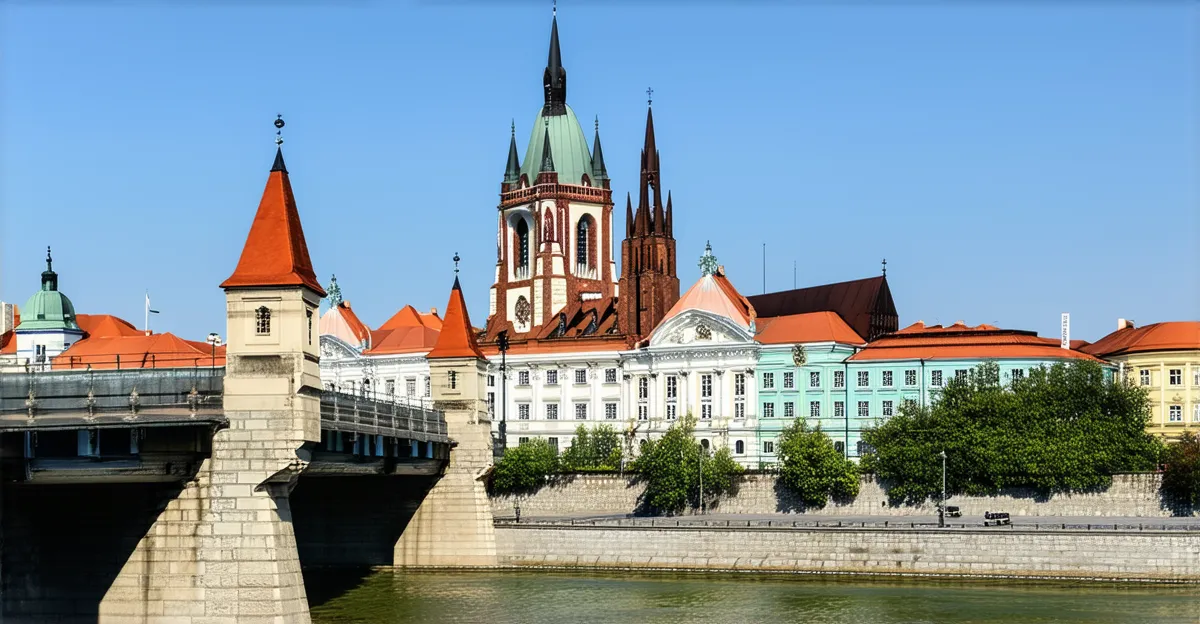
Planning a Bratislava itinerary is one of the smartest moves in Central European travel. Slovakia's compact capital packs medieval castle views, a walkable cobblestone Old Town, candid street statues, a buzzing Danube riverfront, and some of the most affordable sightseeing in the EU — all within a city center you can cover on foot in under 20 minutes. Whether you have one day on a Vienna stopover or a leisurely three-day weekend, this guide tells you exactly what to do, what it costs in 2026, and how to get around without wasting a minute. Coordinate your travel plans with our Poprad itinerary.
Key Takeaways: Bratislava at a Glance
- Best duration: 1 day for a quick stop, 2–3 days to cover the full city and its surroundings.
- Old Town: Compact and walkable — Michael's Gate, Bratislava Castle, St. Martin's Cathedral, and the Roland Fountain all sit within 1 km of each other.
- Walking tours: Free tip-based tours run daily (tips average €10–20); private guided tours start at €25 per person in 2026.
- Sightseeing costs: Bratislava Castle museum €10, Michael's Gate tower €5, UFO Observation Deck €10 — budget under €30 for all paid entry fees.
- Local cuisine: Sample bryndzové halušky (potato dumplings with sheep cheese) and kapustnica; budget €8–12 per main course at local restaurants.
- Day trips: Vienna is 60 minutes by train (from €10 one-way); Trnava and Červený Kameň Castle are under 40 minutes by bus.
- Best time to visit: April–June and September–October for mild weather and fewer crowds.
How Many Days Do You Need for a Bratislava Itinerary?
Bratislava is one of Europe's most manageable capitals. Its historical core covers roughly 2 km² and most major landmarks are within a 15-minute walk of each other. In 2026, the city consistently ranks as a top value-for-money European city break destination.
In just 1 day you can see the Old Town, climb Bratislava Castle, stroll the Danube promenade, and eat well — all without rushing. See our dedicated Bratislava 1-day itinerary for a timed minute-by-minute schedule optimised for single-day visitors.
With 2 days you add time for museums, the Blue Church, Petržalka riverside, and a half-day day trip or deeper neighbourhood exploration. Our Bratislava 2-day itinerary covers both days in full detail.
With 3 days you can combine a full city tour, a day trip to Vienna or Trnava, evening wine tastings in the Little Carpathians, and deeper dives into cultural sites. Check our Bratislava Itinerary for 3 Days for a complete schedule. Five-day visitors can explore the full region — see the 5-Day Bratislava Itinerary for an extended plan.
| Duration | Best For | Key Additions |
|---|---|---|
| 1 day | Day-trippers from Vienna/Budapest | Old Town loop + Castle + Danube walk |
| 2 days | Weekend city breakers | Blue Church, Slovak National Museum, riverfront dinner |
| 3 days | Thorough first-timers | Day trip + wine region + hidden gems |
| 5 days | Slow travellers, bloggers | Full region including Trnava, Červený Kameň, Vienna |
Bratislava Itinerary for First-Timers: What to Know Before You Go
First-timers consistently underestimate how compact and affordable Bratislava is. In 2026, the average daily spend for a budget traveller is €50–70 (accommodation, food, entrance fees, transport) — roughly half of what you'd spend in Vienna or Prague.
For first-timer priorities and a curated attraction list ranked by impact, see our guide to the best Bratislava attractions for first-timers.
Getting Oriented
The Old Town (Staré Mesto) is your base. It sits on the north bank of the Danube, bounded by the UFO Bridge to the south, Michael's Gate to the north, and Bratislava Castle hill to the west. Most hotels, restaurants, and attractions are within easy walking distance of Hlavné námestie (Main Square).
Language and Currency
Slovakia uses the euro (€). English is widely spoken in tourist areas. Learning a few Slovak phrases — "Dobrý deň" (Good day), "Ďakujem" (Thank you) — goes a long way with locals. Credit cards are accepted almost universally in 2026; carry €20 cash for market stalls and tips.
Getting Around
The Old Town is almost entirely walkable. For longer distances, Bratislava's tram, bus, and trolleybus network is efficient and cheap — a 15-minute ticket costs €0.90, a 24-hour pass €3.50 in 2026. See our full Bratislava public transport guide for routes, apps, and ticket machines.
Exploring the Historic Old Town: Key Attractions
Welcome to the historic heart of your Bratislava itinerary. The Old Town brims with medieval architecture, vibrant squares, and cultural depth that rewards slow exploration. Budget a dedicated half-day at minimum. Structure your adventure with our detailed Košice itinerary.
Start at Bratislava Castle, perched atop a hill overlooking the city. The castle's strategic position provides breathtaking views of the Danube River and the distant Austrian hills. Wander through the picturesque baroque gardens surrounding the castle, and explore the museum exhibits inside that detail Slovak history and culture. The castle grounds are free; the interior museum costs €10 (2026 price). See our detailed breakdown of Bratislava Castle ticket prices and booking tips.
From the castle, descend to Old Town Square (Hlavné námestie), where the vibrant hustle and bustle set the perfect tone for your adventure. Admire the Old Town Hall — its Gothic architecture and impressive clock tower invite visitors to learn about the city's storied past. The famous Roland Fountain at the square's centre symbolises the town's historic rights to hold markets and is one of Bratislava's most photographed spots. Design your dream vacation using our Košice itinerary.Organize your journey with our comprehensive Poprad itinerary.
Next, visit St. Martin's Cathedral, an architectural masterpiece dating to the 13th century. As the tallest church in Bratislava and the former coronation church of the Hungarian kings, it offers beautiful stained glass windows and an awe-inspiring altar. Entry is free during visiting hours (closed during services). Plan your journey with our Itinerary Maker.Plan your perfect trip with our Taormina itinerary.
Don't miss the quirky Čumil (Man at Work) statue emerging from a manhole near the Michael's Gate area — a beloved symbol of Bratislava's playful spirit. Nearby, the Primate's Palace houses a stunning Hall of Mirrors and hosts city council events; the interior is free to visit when it's open to the public. Design your dream vacation using our Košice itinerary.
Cap off your Old Town exploration with a leisurely stroll along the Danube River, which offers stunning views of the illuminated city and the iconic UFO Observation Deck. The observation deck charges €10 admission and includes a restaurant at the top; the view from 95 metres above the SNP Bridge is well worth it at golden hour.
Pro Tip: Grab a coffee from one of the charming cafés lining Main Square and savour it while people-watching — Bratislava's café culture is one of its best free experiences.
| Time | Activity | Cost (2026) | Notes |
|---|---|---|---|
| 9:00 AM – 10:30 AM | Bratislava Castle | €0 grounds / €10 museum | Panoramic Danube views |
| 10:30 AM – 12:00 PM | Old Town Square & Roland Fountain | Free | Old Town Hall clock tower nearby |
| 12:00 PM – 1:30 PM | Lunch at local Slovak restaurant | €8–12 per main | Bryndzové halušky is the must-try |
| 1:30 PM – 3:00 PM | St. Martin's Cathedral | Free | Former coronation church of Hungarian kings |
| 3:00 PM – 4:30 PM | Primate's Palace & Čumil statue | Free | Michael's Gate tower: €5 for views |
| 4:30 PM – 6:30 PM | Danube Promenade & UFO Deck | €10 UFO deck | Best at sunset for photographs |
Walking Tour of Bratislava: Structure, Costs, and Tips
A walking tour is the single best way to decode Bratislava's layered history — from Celtic settlements and medieval coronations to communist-era architecture and 21st-century street art. In 2026, visitors have three main options.
Free Walking Tours (Tip-Based)
Free tip-based walking tours depart daily from outside the Old Town Hall on Hlavné námestie, typically at 10:00 AM and 2:00 PM. Tours last 2–2.5 hours and cover the core Old Town loop: Main Square, Bratislava Castle, St. Martin's Cathedral, Michael's Gate, Čumil, and the Danube riverfront. Tips average €10–20 per person. No booking required — just show up. Operators include Walkative! and Walking Sebastian.
Private Guided Tours
Private walking tours start at approximately €25 per person (minimum group size applies) and go up to €80+ for premium small-group experiences. Private tours allow custom routes — useful if you want to focus on communist-era architecture, Jewish history, or off-the-beaten-track neighbourhoods like Červená (Red) Cathedral's surroundings. Book at least 24 hours in advance via GetYourGuide or Viator.
Self-Guided Walking Route
The standard self-guided loop is under 4 km and takes 3–4 hours at a relaxed pace:
- Start: Hviezdoslavovo námestie (Hviezdoslav Square) → Slovak National Theatre (exterior)
- Walk north-west to Main Square (Hlavné námestie) → Roland Fountain → Old Town Hall
- Continue to Primatial Square → Primate's Palace
- North to Michael's Gate (€5 tower climb for city views)
- West up the hill to Bratislava Castle (free grounds; €10 museum)
- South back down through the Old Town lanes → Čumil statue → SNP Bridge → UFO Deck
Direct answer: Bratislava's entire historic core can be covered in a self-guided walking tour of under 4 km — no public transport needed. Allow 3–4 hours at a comfortable pace.
Bratislava Sightseeing Costs: What to Budget in 2026
Bratislava is one of Europe's most affordable capitals for sightseeing. In 2026, you can see every major paid attraction for under €30 total — and many of the best experiences are entirely free.
Paid Attractions at a Glance
| Attraction | Adult Price (2026) | Opening Hours |
|---|---|---|
| Bratislava Castle Museum | €10 | Tue–Sun 10:00–18:00 |
| Michael's Gate Tower | €5 | Tue–Sun 10:00–17:00 |
| UFO Observation Deck (SNP Bridge) | €10 | Daily 10:00–23:00 |
| Slovak National Museum | €7 | Tue–Sun 09:00–17:00 |
| Danubiana Meulensteen Art Museum | €8 | Tue–Sun 10:00–18:00 |
| River Cruise (1 hour) | €12–15 | Seasonal, Apr–Oct |
For the full pricing breakdown including concessions, student rates, and combo tickets, see our dedicated guide to Bratislava Castle ticket prices.
Free Highlights
- Bratislava Castle grounds and baroque gardens
- Old Town Square (Hlavné námestie) and all exterior statues
- St. Martin's Cathedral (outside of services)
- Danube Promenade and riverfront
- Sad Janka Kráľa park (oldest public park in Central Europe)
- Primate's Palace (when open to public)
- Blue Church of St. Elisabeth (exterior)
Daily budget summary (2026): A first-timer covering all major paid sites spends approximately €25–30 on entrance fees. Add €8–15 for lunch, €12–20 for dinner, and €3.50 for a full-day transport pass — total daily spend lands around €50–70 excluding accommodation. For budget eating options near the Old Town, see our guide to budget eating in Bratislava.
Direct answer: The combined cost of Bratislava's three headline paid attractions — Castle Museum (€10), Michael's Gate (€5), UFO Deck (€10) — is €25 in 2026. Most other major sights are free.
Culinary Delights: Taste the Flavors of Bratislava
When building your Bratislava itinerary, the culinary landscape deserves dedicated time. From traditional Slovak dishes to modern gastronomy, Bratislava offers affordable flavours that reflect its unique heritage.
First on your culinary journey should be bryndzové halušky — Slovakia's national dish of potato gnocchi-style dumplings topped with tangy sheep's cheese (bryndza) and crispy bacon. Every traditional restaurant in the Old Town serves it; prices range €6–10 in 2026. Pair it with a pint of Zlatý Bažant lager for a fully Slovak experience.
Other essential tastes include kapustnica (sauerkraut soup with smoked meat and mushrooms), lokše (thin potato pancakes filled with duck or sweet poppy seed paste), and Bratislavský rožok — the city's signature crescent roll filled with walnut or poppy seed paste, best from a local bakery.
Pro Tip: Venture off the tourist path and eat at local taverns ("koliby") for more traditional menus and lower prices — budget €8–12 for a main course vs €15–20 at main-square restaurants.
For wine lovers, the Malokarpatská (Small Carpathians) wine region begins just north of the city. Day trips to Pezinok or Modra let you taste crisp Riesling and Welschriesling directly from the producer. Alternatively, the Central Market (Tržnica) near the Old Town has local wine vendors open on weekdays.
| Dish | Description | Price Range (2026) |
|---|---|---|
| Bryndzové halušky | Potato dumplings with sheep cheese & bacon | €6–10 |
| Kapustnica | Sauerkraut soup with smoked meat | €4–7 |
| Bratislavský vyprážaný syr | Deep-fried cheese with fries | €6–9 |
| Lokše | Potato pancakes, sweet or savoury | €3–6 (street food) |
| Trdelník | Sugar-coated rolled pastry | €2–4 |
For more restaurant picks across budget, mid-range, and splurge categories, see our budget eating guide for Bratislava. Your culinary journey in Bratislava is as essential as visiting its historical attractions — each meal is an opportunity to connect with Slovak culture.
Cultural Experiences: Museums and Landmarks
When crafting your Bratislava itinerary, immersing yourself in the city's rich cultural experiences is essential. From captivating museums to iconic landmarks, Bratislava's heritage reflects its layered past as part of the Kingdom of Hungary, the Habsburg Empire, and the Austro-Hungarian federation before becoming the Slovak capital in 1993.
Your cultural expedition should start at Bratislava Castle — an emblematic fortification perched atop a hill. Dating from the 10th century, it has witnessed coronations, fires, and rebuilds. The interior houses the Slovak National Museum's History Museum (€10, 2026), detailing the region from the Stone Age to the present. Wander the baroque gardens for free.
Next, visit the Slovak National Museum (Vajanského nábrežie 2). The main natural history and archaeology collections are housed here, with entry at €7. Beyond that, you encounter Slovak folklore, traditions, and artifacts from various historical periods — a thorough introduction to the country's story.
Insider Tip: Plan museum visits on weekday mornings for a quieter experience and to fully engage with the exhibits without crowds.
The Primate's Palace (Primaciálne námestie) is a stunning neoclassical building housing the Hall of Mirrors, where Napoleon and Franz II signed the Peace of Pressburg in 1805. It now serves as Bratislava's city hall; check opening hours on arrival as it closes for official events. The UFO Observation Deck on the SNP Bridge provides unparalleled panoramic views (€10, 2026) and houses a restaurant at 95 metres above the river.
For contemporary art, the Danubiana Meulensteen Art Museum sits on the banks of the Danube about 15 km south of the city centre (€8 entry, accessible by bike path or river bus). Its waterside location and modern architecture are as impressive as the Slovak and international collection inside.
To assist with planning, consider checking our comprehensive Bratislava Itinerary for 3 Days for additional suggestions. If you have more time, our Bratislava Itinerary for 5 Days can help uncover hidden gems.
Enjoying the Great Outdoors: Parks and River Walks
Don't miss the chance to experience Bratislava's stunning outdoors. With picturesque parks, vibrant river walks, and serene green spaces, the city rewards visitors who slow down and explore on foot.
Start at Sad Janka Kráľa, one of the oldest public parks in Central Europe (19th century). Located south of the Danube, it features landscaped gardens, walking paths, and lush greenery. In spring, cherry blossoms create a spectacular display. The park connects naturally to the Petržalka waterfront, a great area for morning jogging.
Just across the river via the SNP Bridge is the Danube River Promenade, which runs alongside the water offering breathtaking views of the city skyline. Cafés, cyclists, local fishermen, and families fill the promenade on warm days. Bike rental is available near the bridge for approximately €10–15 per day (2026 prices) to explore further along the riverside path.
Pro Tip: The sunset views over the Danube from the riverfront promenade or from the UFO Deck are among Bratislava's best photography opportunities — aim for 6–8 PM in summer.
Medická Záhrada is a well-maintained urban park near the city centre with gardens and walking paths — a peaceful retreat between museum visits. For those staying central, our guide to accommodation in central Bratislava highlights hotels with easy access to these outdoor spaces.
| Park / Walk | Location | Highlights |
|---|---|---|
| Sad Janka Kráľa | South bank (Petržalka) | Oldest park in Central Europe, spring blossoms |
| Danube River Promenade | Both banks | Sunset views, cafés, river cruises, cycling path |
| Medická Záhrada | City Centre | Urban garden, benches, quiet retreat |
| Bratislava Castle Gardens | Castle Hill | Baroque terraces, free entry, panoramic views |
For those extending their adventure, our detailed guide on the Bratislava Itinerary for 3 Days provides more insights on integrating walks and outdoor activities. The 5-Day Bratislava Itinerary covers the full Little Carpathians hiking options.
Day Trips from Bratislava: Beyond the City Limits
When crafting a comprehensive Bratislava itinerary, it's worth venturing beyond the city's historic core. Several remarkable destinations are easily accessible by public transport. For a full list with transport options, costs, and suggested timings, see our dedicated guide to the best day trips from Bratislava.
Vienna, Austria is just 60 minutes away by train or bus (from €10 one-way in 2026). The Austrian capital's Schönbrunn Palace, St. Stephen's Cathedral, and Hofburg Palace make it an obvious day trip pairing. Regular trains run throughout the day from Bratislava Hlavná stanica.
Trnava — often called the "Rome of Slovakia" for its abundance of Baroque churches — is under 45 minutes by train (departures every 30 minutes, around €4 one-way). Its well-preserved medieval walls, the Basilica of St. Nicholas, and charming main square justify a half-day or full-day excursion.
Pro Tip: When planning day trips, check local transportation schedules ahead of time. Use the ZSSK (Slovak Railways) app for train bookings and the Flixbus app for cross-border bus routes to Vienna.
Červený Kameň Castle is about 30 km north of Bratislava, easily reached by bus from Mlynské Nivy bus station. This imposing Renaissance castle offers guided tours through antique-filled halls; the surrounding village and vineyard landscape are worth exploring independently. Entry approximately €8 in 2026.
For nature, the Little Carpathians (Malé Karpaty) begin just north of the city. This mountain range is perfect for half-day hiking or wine-region cycling, with charming villages like Pezinok (20 km from Bratislava) offering local wine tastings. The contrast to the urban landscape makes it an exciting addition to any Bratislava itinerary.
- Explore our 3-Day Bratislava Itinerary for a structured day-trip integration plan.
- Take a look at our 5-Day Bratislava Itinerary for multi-day regional adventures.
Best Time to Visit: Seasonal Highlights
Understanding the best time to visit Bratislava is crucial for maximising your itinerary. Each season brings unique events, weather conditions, and trade-offs.
Spring (March–May) is arguably the most enjoyable time. Temperatures hover around 10°C–20°C — ideal for exploring the Old Town on foot. The Bratislava Music Festival in April showcases classical and contemporary performances, and the castle gardens come alive with colour. Crowds are manageable before the summer peak.
Summer (June–August) brings warm weather averaging around 25°C and a packed events calendar: the Bratislava Old Town Summer Festival, open-air concerts, and al fresco dining on every terrace. Expect larger crowds and slightly higher accommodation prices. River cruises run daily throughout summer.
Autumn (September–November) offers stunning fall foliage and temperatures from 15°C to 22°C — ideal for hiking in the Little Carpathians. The Bratislava Wine Festival (usually October) is a highlight: local vintners pour Small Carpathians wines in the Old Town squares. Fewer tourists make for a more relaxed atmosphere.
Winter (December–February) transforms Bratislava into a Christmas market destination. Temperatures drop to around -1°C to 5°C, but the city's festive lighting and mulled wine markets more than compensate. The Christmas market on Main Square is one of Slovakia's best. Book accommodation well in advance for the December period.
Pro Tip: Travel in the shoulder seasons — April–May or September–October — for the best combination of pleasant weather, lower prices, and fewer tourists.
Travel Tips for a Smooth Bratislava Itinerary
Planning carefully will significantly enhance your experience in this captivating city. Here are the practical essentials for your Bratislava itinerary.
Getting Around on Public Transport
Public transport in Bratislava is efficient and affordable. Trams, buses, and trolleybuses cover the city thoroughly. A 15-minute ticket costs €0.90; a 24-hour pass costs €3.50 in 2026. Validate your ticket immediately on boarding — inspectors are active and fines are €50. The city centre is walkable, so you'll mainly need transport to reach the Danubiana museum, day-trip train stations, or outer neighbourhoods. Full route details and the best transport apps are covered in our Bratislava public transport guide. Structure your adventure with our detailed Poprad itinerary.
Accommodation
Book accommodation in the city centre (Staré Mesto / Old Town) for easy access to attractions, dining, and nightlife. Options range from budget hostels (€15–25/night for a dorm bed) to boutique hotels (€80–150/night) to mid-range options well under €100. Our guide to central Bratislava accommodation covers the best streets to stay and what to expect for each budget level. Book at least 4–6 weeks ahead for summer and December visits.
Language and Local Etiquette
While most Slovaks in tourist areas speak English, learning a few Slovak phrases enhances your experience. "Dobrý deň" (Good day), "Ďakujem" (Thank you), and "Prepáčte" (Excuse me) are all you need. Tipping in restaurants is not mandatory but 10% is appreciated for good service. Design your dream vacation using our Košice itinerary.
Meal Timings
Lunch is typically served from 11:00 AM to 2:00 PM; dinner from 6:00 PM onward. Many restaurants offer a "lunch menu" (denné menu) with a soup and main course for €5–8 — excellent value compared to à la carte. Heading to local markets or street food vendors delivers an authentic and budget-friendly culinary experience.
Weather and Packing
Check forecasts before your trip. Summer visitors should bring sunscreen and light layers for cooler evenings. Winter visitors need warm coats and waterproof footwear — cobblestones can be slippery when wet. Spring and autumn are the most forgiving seasons for packing.
Where to Stay in Bratislava: Neighbourhoods Overview
Choosing the right neighbourhood anchors your entire Bratislava itinerary. The city is compact enough that all central areas work well as a base, but each has a distinct character.
Old Town (Staré Mesto)
The best choice for first-timers. You're steps from every major attraction, restaurant, and bar. Premium boutique hotels and mid-range options dominate. Expect slightly higher nightly rates. For curated options, see our central Bratislava accommodation guide.
Nové Mesto (New Town)
15 minutes walk north of Old Town. Quieter, with more apartment rentals and a local café scene. Good value mid-range hotels and easy tram access to the centre.
Petržalka (South of the Danube)
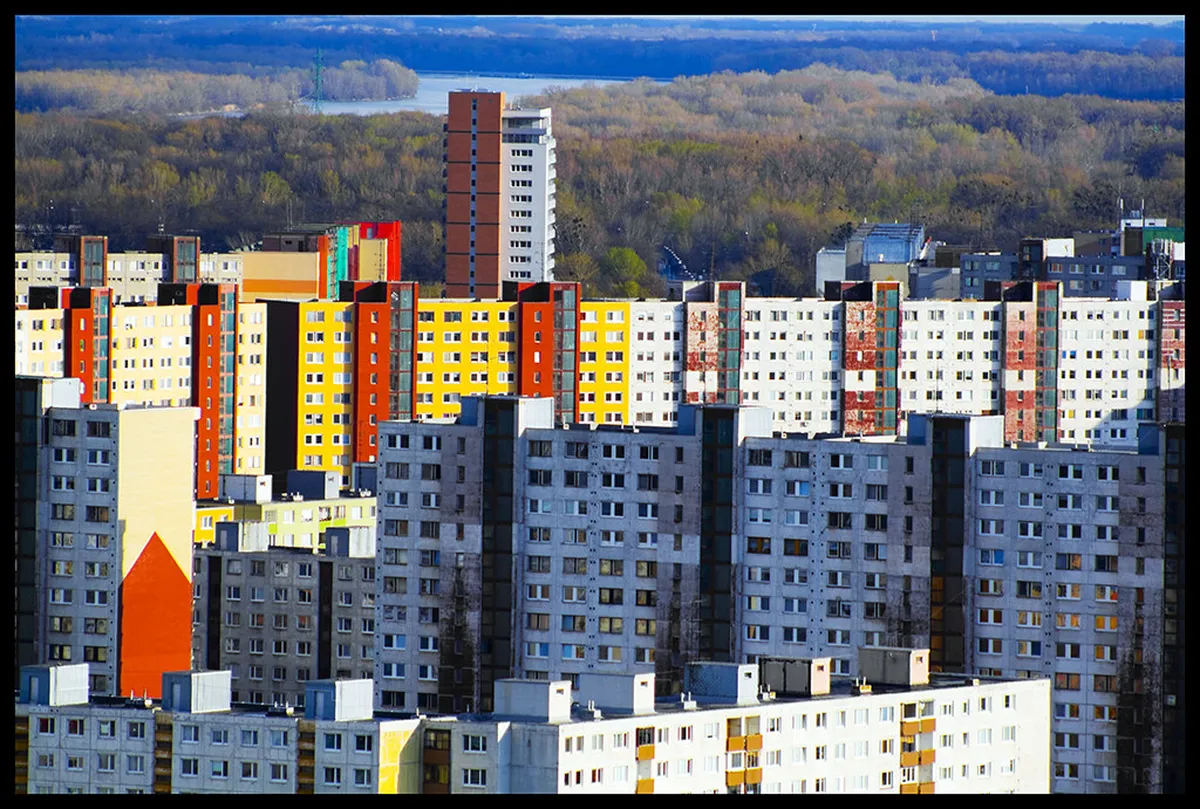
A large residential area across the SNP Bridge — home to Sad Janka Kráľa park and the start of the cycling path toward the Danubiana museum. Budget accommodation and excellent transport links, but a 20–30 minute walk to the Old Town.
Direct answer: For a first-time Bratislava itinerary, stay in the Old Town (Staré Mesto). You can walk to every major attraction in under 15 minutes and avoid spending time or money on transport during your stay.
Frequently Asked Questions
What is the best time to visit Bratislava?
How long should I stay in Bratislava?
What are the must-visit attractions in Bratislava?
How do I get around in Bratislava?
Are there day trips worth adding to my Bratislava itinerary?
How much does sightseeing cost in Bratislava?
Where can I find authentic local experiences in Bratislava?
This Bratislava itinerary gives you a complete roadmap for Slovakia's charming capital — from a first-timer's one-day Old Town loop to a leisurely three-day exploration including walking tours, cultural museums, Danube riverfront walks, and regional day trips. Bratislava rewards visitors who dig a little deeper: the prices are low, the welcome is warm, and the history runs deep. Start planning your Bratislava itinerary today and get ready to uncover one of Central Europe's most underrated capitals.
Planning your trip to Bratislava?