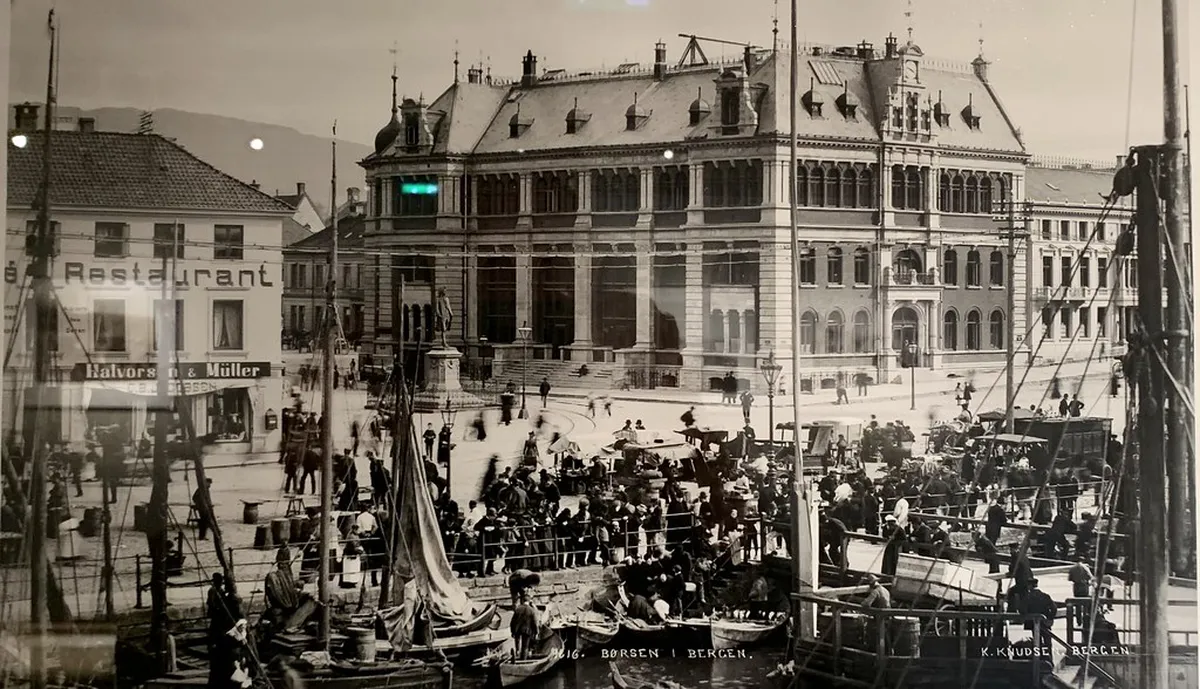
Bergen, Norway, holds a fascinating past. Its history is vividly told through its ancient structures. Exploring Bergen medieval architecture offers a glimpse into bygone eras. This guide provides a comprehensive historical overview. It highlights key periods and significant buildings. Prepare to step back in time in 2026. You can discover the city's unique architectural heritage.
The city's strategic harbor shaped its development. Early settlements laid the groundwork for future growth. Learn more about Bergen's historic architecture. This unique heritage captivates visitors worldwide.
The Foundations of Medieval Bergen
Turn this guide into a personal route with our free Bergen itinerary planner.
Bergen's story began over 900 years ago. It started as a thriving Viking settlement. The city quickly grew into a vital trading hub. Early buildings were often simple timber structures. These structures adapted to the harsh Nordic climate.
Royal influence shaped its early development. King Olav Kyrre founded Bergen around 1070. The first stone buildings emerged during this period. These included churches and administrative centers. They marked a shift in construction techniques.
Fires repeatedly devastated Bergen throughout its history. This constant threat influenced building practices. Reconstruction efforts often followed similar patterns. The city rebuilt itself from the ashes. This demonstrated remarkable resilience.
Early medieval structures primarily used local timber. Stone was reserved for more significant buildings. Examples include churches and fortifications. Explore Bergen's building materials history. Understanding these materials helps appreciate the city's past.
Bryggen's Enduring Hanseatic Legacy
The Hanseatic League arrived in Bergen in the 13th century. They established a powerful trading post at Bryggen. This area became the heart of medieval Bergen. German merchants significantly influenced the city's commerce.
Bryggen features distinctive wooden row houses. These structures face the Vågen harbor. Their gabled facades and narrow alleys are iconic. They housed offices, warehouses, and living quarters. You can find detailed information in our Bryggen architecture guide.
Frequent fires led to continuous rebuilding. Yet, the architectural style remained consistent. New buildings followed the traditional Hanseatic layout. This preserved the unique character of Bryggen. Today, its distinct charm endures.
Bryggen is now a UNESCO World Heritage site. This designation protects its historical value. Preservation efforts ensure its survival for future generations. Visiting Bryggen in 2026 offers an authentic medieval experience. Consider a Bergen architecture walking tour to explore it fully. Guided tours cost around 200-300 NOK per person.
Medieval Churches and Fortifications
Bergen's medieval past also includes impressive religious structures. Mariakirken, or St. Mary's Church, is a prime example. It is Bergen's oldest standing building. Construction began in the early 12th century. Its Romanesque style showcases enduring craftsmanship.
Mariakirken boasts twin towers and a beautiful interior. It originally served German merchants. Visitors can still attend services there. The church is typically open for tourists daily. Check the specific opening hours for 2026 before your visit.
Bergenhus Fortress stands guard over the harbor entrance. It is one of Norway's oldest stone fortresses. Its origins trace back to the early 13th century. The fortress played a crucial role in Norway's medieval defense. It protected the royal residence and trade routes.
Inside the fortress, explore Håkon's Hall and Rosenkrantz Tower. Håkon's Hall was a royal banqueting hall. Rosenkrantz Tower served as a fortified residence. Both structures showcase formidable medieval engineering. Learn more about Bergen's fortress architecture.
Key Features of Bergen Medieval Buildings
Bergen's medieval architecture prioritized function. Buildings needed to withstand the climate. They also had to facilitate trade and defense. Timber framing was a dominant construction method. Steeply pitched roofs helped shed heavy snow and rain efficiently.
Stone foundations were common for wooden structures. This protected timber from moisture. It also provided a sturdy base. The blend of wood and stone created resilient buildings. These design choices were practical and durable.
Urban planning during the medieval era was organic. Narrow alleys and irregular street patterns emerged naturally. This reflected the city's growth around its harbor. The dense layout maximized space within the city walls.
Ornamentation was generally minimal on these structures. Focus remained on structural integrity and utility. However, intricate carvings sometimes adorned church interiors. These details added beauty to sacred spaces.
Frequently Asked Questions
What defines Bergen's medieval architecture?
Bergen's medieval architecture is defined by its resilience. It features timber framing and stone foundations. The design adapted to frequent city fires. Hanseatic influence is evident in Bryggen's iconic wooden houses. These buildings highlight practicality and traditional craftsmanship.
Where can I see Bergen's oldest buildings in 2026?
The best places to see Bergen's oldest buildings are Bryggen and Mariakirken. Bergenhus Fortress also features significant medieval structures. Consider an architectural itinerary. This will help you plan your visits efficiently. Most sites are centrally located and easily accessible by foot.
How did fires impact Bergen's medieval structures?
Fires profoundly impacted Bergen's medieval structures. The city burned down many times. Yet, it always rebuilt in similar styles. This maintained its historic character. The frequent fires led to stricter building codes over time. They reinforced the use of resilient construction methods.
Bergen's medieval architecture tells a powerful story. It speaks of resilience, trade, and cultural exchange. From Bryggen's wooden wharves to sturdy fortresses, history is alive. These ancient buildings offer unique insights into Norway's past. They stand as testaments to enduring craftsmanship.
Make sure to explore these historic gems during your visit. You will gain a deeper appreciation for Bergen's rich heritage. Plan your trip to discover its architectural wonders. Start your adventure today and immerse yourself in history!
Key Takeaways
- Bergen's medieval architecture is primarily timber and stone, adapted to fires.
- Bryggen showcases iconic Hanseatic wooden trading houses, a UNESCO site.
- Mariakirken and Bergenhus Fortress are key examples of medieval stone structures.
- Practicality and resilience defined building styles in medieval Bergen.