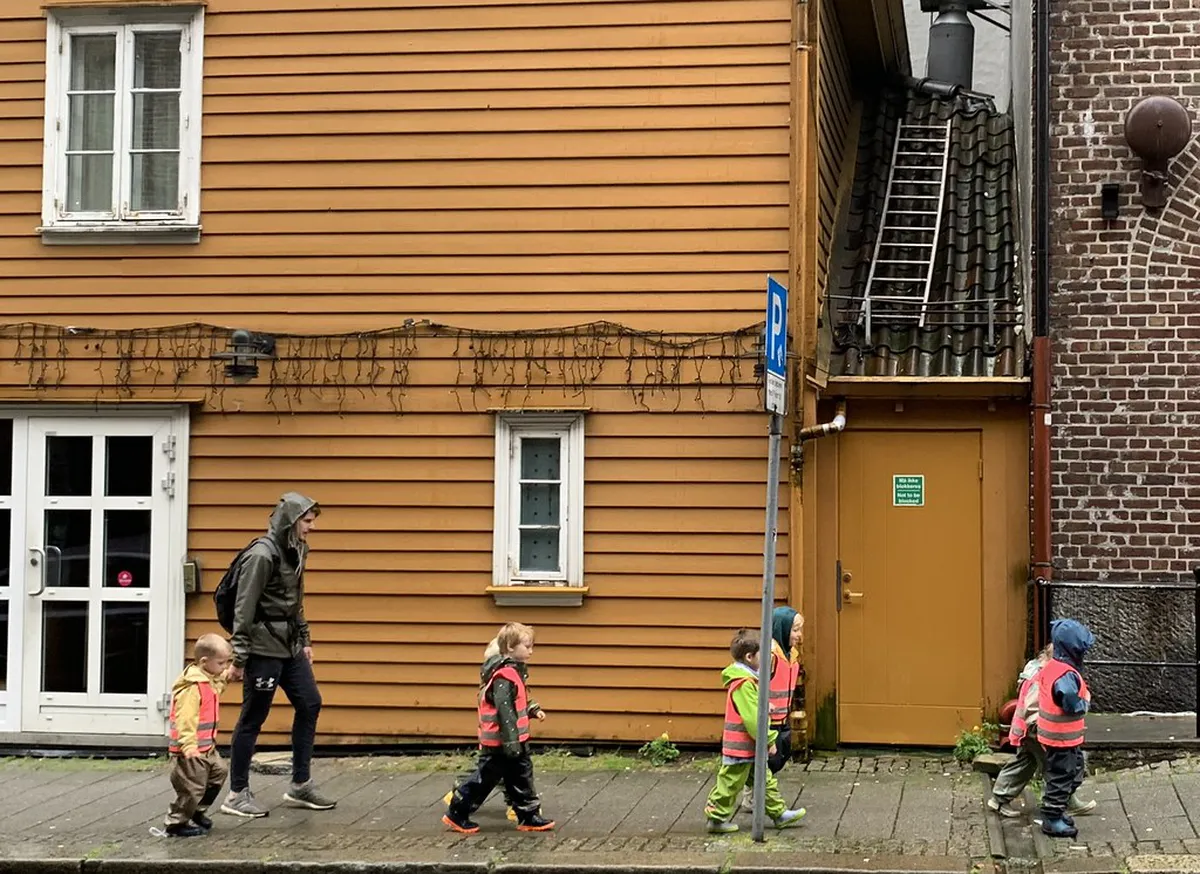
Bergen, Norway, captivates with its stunning fjords. Yet, it also boasts a truly unique architectural treasure. Bryggen's iconic waterfront buildings tell a rich story. This guide explores the fascinating Bryggen architecture. You will discover its history and distinctive features. Plan your visit to this UNESCO World Heritage site. Learn more about Bergen's historic architecture. Consider adding a Bergen architecture itinerary.
The Enduring Charm of Bryggen's Wooden Houses
Turn this guide into a personal route with our free Bergen itinerary planner.
Bryggen's characteristic wooden houses define Bergen's waterfront. These structures stand proudly despite a history of devastating fires. The current buildings largely date from the 18th century. They faithfully follow older construction traditions.
Fires in 1702 destroyed most of the medieval buildings. Reconstruction efforts maintained the original plot structure. This ensured the district's historical authenticity. The unique style reflects centuries of Norwegian craftsmanship. Explore more about Bergen's wooden house styles.
Local wood, mainly pine, was the primary building material. The houses are narrow and tall. They often lean slightly, adding to their charm. This tilt results from subsidence over many centuries. Foundation techniques were simpler back then.
Each house originally belonged to a merchant. They featured large storage areas on upper floors. Ground floors housed offices and living quarters. This functional design optimized space and trade operations. Learn about Bergen's building materials history.
Walking through Bryggen feels like stepping back in time. The cobbled alleys and intricate passages invite exploration. Discover the unique architectural features here. Each corner reveals a new visual delight.
Hanseatic Influence on Bryggen's Architecture
The Hanseatic League played a crucial role in Bryggen's development. German merchants settled here from the 14th to 16th centuries. Bergen became a vital hub for trade, especially for stockfish. This trade significantly shaped Bryggen architecture.
The German Kontor (trading post) dominated the waterfront. Merchants lived and worked in these buildings. Each complex included a wharf house, offices, and living spaces. Their collective design reflects a functional, mercantile purpose. Delve into Hanseatic League buildings in Bryggen.
Hanseatic architecture favored practicality over ornate decoration. The long, narrow facades allowed many merchants waterfront access. Gable ends often faced the harbor. This maximized space for loading and unloading goods. They employed standardized construction methods.
The influence extended beyond individual buildings. Hanseatic merchants shaped Bryggen's urban layout. The densely packed, parallel rows of houses are a direct result. This efficient layout supported a thriving port economy. Understand Bergen's city planning architecture.
Today, visitors can explore the Hanseatic Museum. It offers insight into the merchants' daily lives. The museum showcases period rooms and artifacts. It truly brings this historical period to life. See the lasting influence of Germany on Bergen's architecture.
Exploring Bryggen: What to See and Do in 2026
A visit to Bryggen is an immersive experience in 2026. Start with a leisurely stroll along the wharf. Admire the colorful facades from the outside. The iconic view is perfect for photographs.
Venture into the narrow passages between the houses. These hidden alleys reveal a maze of workshops and small boutiques. Discover local crafts and artisan goods. It is a unique shopping experience.
The Bryggen Museum is a must-visit. It houses archaeological finds from the medieval settlement. Entry costs around 120 NOK for adults. Opening hours vary by season, typically 10 AM to 4 PM. Explore Bergen's museum architecture for details.
Consider a guided Bryggen architecture walking tour. These tours provide deeper historical context. They often point out architectural nuances you might miss. Tour prices average 250-400 NOK per person. Tours run several times daily during peak season.
For the best photo opportunities, visit in the morning or late afternoon. The changing light enhances the textures. Look for unique angles from across the Vågen harbor. Find more Bergen architecture photography spots.
Preserving Bryggen: A UNESCO World Heritage Site
Bryggen received UNESCO World Heritage status in 1979. This recognition highlights its outstanding universal value. It acknowledges the exceptional Bryggen architecture and its history. This designation helps protect the site for future generations.
Preservation efforts face significant challenges. Fire remains a constant threat to these wooden structures. Strict fire safety regulations are now in place. Modern fire detection systems are also installed.
Restoration work prioritizes traditional methods and materials. Specialists use historical techniques for repairs. This ensures the authenticity of the buildings. It's a continuous and painstaking process. Learn about Bergen's architectural preservation efforts.
The UNESCO status brings both benefits and responsibilities. It attracts global attention and funding. However, it also demands rigorous conservation standards. New developments nearby must also consider Bryggen's context. Explore the significance of the Bryggen UNESCO World Heritage Site.
Visitors are encouraged to respect the site's fragility. Stay on designated paths and follow guidelines. Your careful exploration supports ongoing preservation. Enjoy this irreplaceable historical gem. These efforts maintain one of Bergen's most famous landmarks.
Practical Tips for Your Bryggen Visit in 2026
Planning your visit to Bryggen in 2026 is easy. The district is centrally located in Bergen. It's easily accessible by foot from most city hotels. Public transport also serves the area efficiently.
The best time to visit is during spring (April-May) or fall (September-October). The weather is milder, and crowds are smaller. Summer (June-August) offers longer daylight hours. However, expect more tourists then.
Entry to Bryggen itself is free. You can wander the streets and alleys without charge. However, museums and some attractions have fees. The Hanseatic Museum charges about 150 NOK for adults. Student discounts are often available.
Wear comfortable shoes for walking the uneven cobblestones. Some passages can be narrow and slightly dark. Accessibility for wheelchairs might be challenging in certain areas. Check for accessible routes if needed.
For stunning panoramic views, head up Mount Fløyen. The Fløibanen funicular offers a quick ride. From there, you get a bird's-eye view of Bryggen. Discover the best viewpoints for Bergen architecture.
Getting to Bryggen is straightforward. It is a short walk from the Bergen train station. Buses stop frequently near the harbor. Learn more about how to get to Bryggen. This iconic area is at the heart of the city.
Frequently Asked Questions
What makes Bryggen's architecture so unique in Bergen?
Bryggen's architecture is unique due to its wooden construction. It features a continuous row of gable-ended houses. These structures reflect the mercantile style of the Hanseatic League. Frequent fires led to faithful reconstructions. This preserved its distinctive medieval layout. Discover more about Bryggen's unique features.
Can visitors go inside the historic buildings at Bryggen?
Yes, many buildings in Bryggen are open to visitors. The Bryggen Museum allows entry into archaeological sites. The Hanseatic Museum offers insights into merchant life. Numerous shops, galleries, and restaurants operate in other historic buildings. Explore Bergen's museum architecture for details.
What are the best spots for photographing Bryggen's architecture?
The classic photo spot is from across the Vågen harbor. This view captures the entire colorful facade. Walk into the narrow alleys for atmospheric shots. Early morning or late afternoon light is best. Visit the Fløyen viewpoint for panoramic city views. Find more photography spots.
How much does it cost to visit Bryggen in Bergen?
Visiting Bryggen's outdoor area is completely free. You can walk along the wharf and through the alleys. Entry fees apply for museums like the Bryggen Museum. Guided tours also incur a charge. Budget around 120-150 NOK per museum entry. Tour prices typically range from 250-400 NOK. See tour price information.
Bryggen's architecture stands as a testament to Bergen's rich history. Its wooden buildings and Hanseatic legacy are truly captivating. This UNESCO World Heritage site offers a unique glimpse into the past. Plan your journey to explore its charm in 2026. Take a Bergen architecture walking tour soon. Experience this architectural marvel for yourself. Learn more about Bergen's historic architecture.
Key Takeaways
- Bryggen's wooden architecture reflects centuries of Hanseatic trade.
- Explore museums and hidden alleys for a deeper historical immersion.
- Visit during spring or fall for milder weather and fewer crowds.