TL;DR: The Old Quarter is the top pick for first-timers who want street food and nightlife on their doorstep. Choose the French Quarter for luxury and colonial charm, Tay Ho (West Lake) for a peaceful long-stay retreat, Ba Dinh for history and local culture, or Cau Giay for modern amenities on a budget. Read on for neighborhood-by-neighborhood breakdowns with 2026 price ranges, hotel tips, and insider advice.
Picking where to stay in Hanoi neighborhoods can shape your entire Vietnam trip. Each district delivers a fundamentally different experience — from the sensory overload of thousand-year-old trading streets to the lakeside calm of an expat enclave. This 2026 guide covers five key neighborhoods with honest pros and cons, realistic budget ranges, and practical local knowledge so you can book with confidence. If you are visiting for the first time, pair this guide with our Hanoi travel tips for first-timers before you arrive.
Old Quarter (Hoàn Kiếm) — Best for First-Time Visitors and Foodies
Turn this guide into a personal route with our free Hanoi itinerary planner.
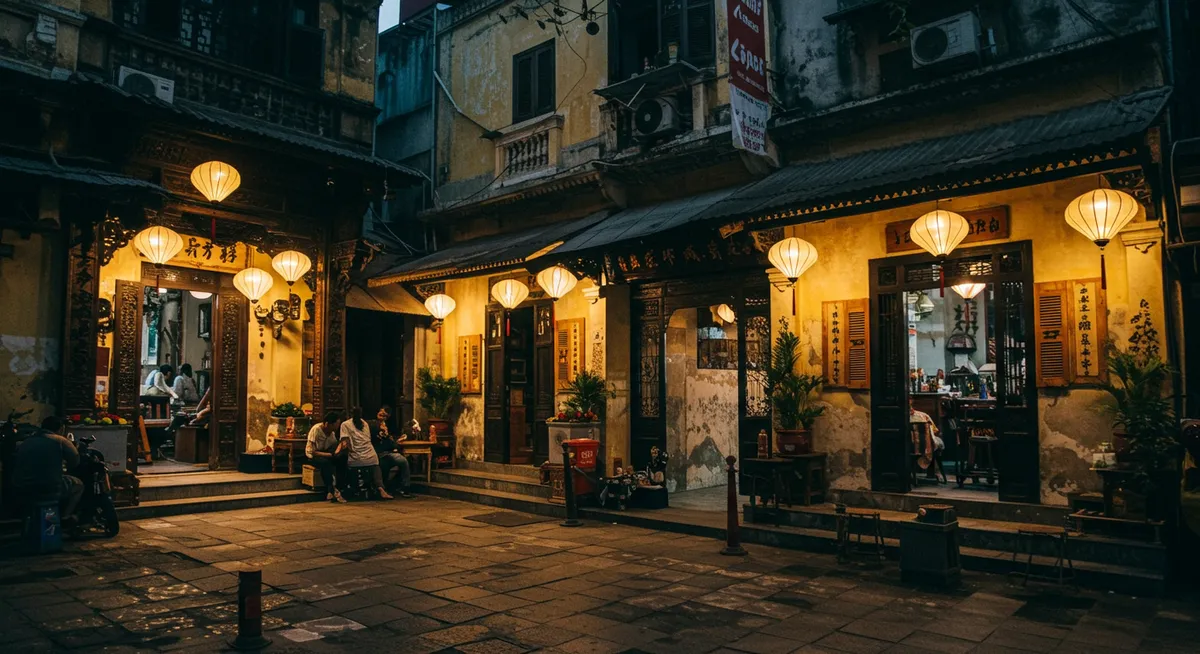
The Old Quarter remains the most popular answer to "where to stay in Hanoi" in 2026, and for good reason. This historic core — a tight grid of 36 streets, each traditionally specializing in a single trade — puts you within walking distance of Hoàn Kiếm Lake, the night market, and some of the best street food stalls in Southeast Asia. Expect constant energy: motorbikes weaving past open-air kitchens, vendors balancing shoulder poles loaded with fresh pho ingredients, and lantern-lit alleyways that reward every wrong turn.
Who it suits: First-timers, solo travelers, foodies, and nightlife seekers.
2026 price ranges:
- Budget: Hostels and guesthouses from $8–30/night
- Mid-range: Boutique hotels from $40–80/night
- Luxury: Heritage boutique hotels from $100–200/night
Pros: Walkable to major sights, endless dining options, vibrant nightlife around Ta Hien Street, easy access to tour operators for day trips from Hanoi.
Cons: Noisy (especially at night and on weekends), narrow rooms, heavy tourist foot traffic, limited green space.
Local tip: Request a room above the third floor to escape street-level noise. For a deep dive into the area's must-eat dishes, browse our Hanoi food guide, then follow our Hanoi Old Quarter itinerary to structure your walking days.
French Quarter — Best for Couples and Luxury Travelers
Just south of Hoàn Kiếm Lake, the French Quarter trades narrow alleyways for wide, tree-lined boulevards and grand colonial-era architecture. This is where Hanoi slows down without losing its cultural depth. The Opera House anchors the district, surrounded by upscale restaurants, art galleries, and some of the city's most prestigious hotels — including the legendary Sofitel Legend Metropole, which has hosted diplomats and artists since 1901.
Who it suits: Couples on a romantic trip, history enthusiasts, business travelers, and anyone who values quiet evenings.
2026 price ranges:
- Mid-range: $60–120/night for well-appointed hotels
- Luxury: $150–400+/night for five-star heritage properties
Pros: Refined dining scene, walkable to Hoàn Kiếm Lake, elegant architecture, quieter streets, excellent cocktail bars.
Cons: Higher price floor than other districts, fewer street food options compared to the Old Quarter, limited budget accommodation.
Local tip: The French Quarter is at its most beautiful during early evening, when the colonial facades glow under warm street lighting. Combine a stay here with our broader best things to do in Hanoi list to plan cultural outings across the city.
Tay Ho (West Lake) — Best for Long Stays and Digital Nomads
Tay Ho wraps around Hanoi's largest freshwater lake, roughly 4 km north of the Old Quarter. The pace here is noticeably slower: wide streets, lakeside cycling paths, trendy brunch cafes, and a thriving international community of remote workers and expats. West Lake itself is the daily rhythm — locals jog along its shore at dawn, families picnic in the afternoon, and sunset drinks at lakeside restaurants have become a Hanoi institution.
Who it suits: Long-stay travelers, digital nomads, families, and anyone who prefers a residential neighborhood with easy city access.
2026 price ranges:
- Budget: Serviced apartments from $400–600/month; nightly stays from $20–40
- Mid-range: Boutique lakeside hotels from $50–100/night
- Luxury: Five-star resorts like the InterContinental Hanoi Westlake from $150–300/night
Pros: Peaceful environment, strong cafe and co-working scene, international restaurant variety, scenic lake views, less tourist congestion.
Cons: Farther from Old Quarter attractions (15–20 min by Grab), fewer traditional street food options, can feel isolated for short-stay visitors.
Local tip: Rent a bicycle and ride the full West Lake loop (about 17 km) early in the morning — it is one of Hanoi's most underrated experiences. To figure out how long to stay in the city overall, check our guide on how many days in Hanoi.
Ba Dinh District — Best for History Buffs and Cultural Immersion
Ba Dinh is where Hanoi's political history lives. The Ho Chi Minh Mausoleum, Presidential Palace, One Pillar Pagoda, and the Vietnam Military History Museum all cluster within this leafy, well-ordered district west of the Old Quarter. Unlike the tourist-dense center, Ba Dinh gives you a window into everyday Vietnamese life — local markets, neighborhood pho shops, and wide, shaded sidewalks that invite long morning walks.
Who it suits: History buffs, families with children, culture-focused travelers, and anyone seeking a quieter residential base.
2026 price ranges:
- Budget: Local guesthouses from $15–30/night
- Mid-range: Comfortable hotels from $40–80/night
- Luxury: Select upscale properties from $100–180/night
Pros: Close to major historical landmarks, authentic local dining, tree-lined streets, walking distance to the Old Quarter's western edge.
Cons: Limited nightlife, fewer international restaurants, mausoleum area can get crowded in the morning.
Local tip: Visit the Ho Chi Minh Mausoleum complex right at opening (7:30 AM) to beat tour bus crowds, then walk south to explore the Imperial Citadel of Thang Long. Build this into your full Hanoi itinerary or our more detailed 3-day Hanoi itinerary.
Cau Giay — Best for Budget Travelers and Modern Comforts
West of the city center, Cau Giay is Hanoi's modern commercial hub — think shopping malls, business parks, and newly built hotel towers. It lacks the Old Quarter's charm but delivers something many travelers overlook: excellent value. Hotels here offer amenities like pools, gyms, and spacious rooms at prices that would buy you a shoebox in Hoàn Kiếm. The trade-off is a 20–30 minute Grab ride to the main tourist sights.
Who it suits: Budget-conscious travelers, business visitors, families wanting modern hotel facilities, and anyone connecting to western Hanoi destinations.
2026 price ranges:
- Budget: $15–25/night for clean, modern hotels
- Mid-range: $30–60/night for full-service hotels with pool access
Pros: Best value for money in Hanoi, modern amenities, access to local malls and restaurants, quieter environment.
Cons: Far from historical and cultural attractions, fewer dining options for tourists, limited walkability to sights.
Local tip: Cau Giay works best as a base if you are combining Hanoi with onward travel. The district has good highway access to Noi Bai Airport and to destinations like Sapa — see our guide on how to get to Sapa from Hanoi.
Quick Comparison: Hanoi Neighborhoods at a Glance
| Neighborhood | Best For | Budget/Night | Walk to Old Quarter? | Vibe |
|---|---|---|---|---|
| Old Quarter | First-timers, foodies | $8–200 | You're already there | Energetic, chaotic |
| French Quarter | Couples, luxury | $60–400+ | 5–10 min | Elegant, refined |
| Tay Ho (West Lake) | Long stays, nomads | $20–300 | 15–20 min by Grab | Relaxed, lakeside |
| Ba Dinh | History, culture | $15–180 | 10–15 min walk | Leafy, residential |
| Cau Giay | Budget, modern | $15–60 | 20–30 min by Grab | Modern, commercial |
How to Choose the Right Hanoi Neighborhood
Start with your travel style. If you want to maximize street food and nightlife, the Old Quarter is unbeatable. If noise is a dealbreaker, cross the lake to Tay Ho. Couples celebrating a special occasion will appreciate the French Quarter's polish, while history-focused travelers should base themselves in Ba Dinh. Traveling on a tight budget with flexibility on location? Cau Giay delivers the best room-for-your-money ratio in the city.
Consider your trip length too. Short visits (1–3 days) benefit from the Old Quarter's central location — everything is walkable. Stays of a week or more feel more comfortable in Tay Ho or Ba Dinh, where you can settle into a neighborhood rhythm. For getting around between districts, read our getting around Hanoi transportation guide, and for airport logistics, see our Hanoi airport transfer guide.
Frequently Asked Questions
What is the best neighborhood to stay in Hanoi for first-time visitors?
Is Tay Ho (West Lake) too far from Hanoi's main attractions?
How much does a hotel in Hanoi cost per night in 2026?
What is the safest area to stay in Hanoi?
Which Hanoi neighborhood is best for digital nomads?
How do I get from Noi Bai Airport to my hotel in Hanoi?
Can I walk between Hanoi's main neighborhoods?
Choosing where to stay in Hanoi neighborhoods comes down to matching your priorities — food, history, nightlife, budget, or peace — to the right district. The Old Quarter delivers maximum energy and convenience. The French Quarter offers elegance for special occasions. Tay Ho provides the breathing room that longer stays demand. Ba Dinh immerses you in local culture and political history. And Cau Giay proves that modern comfort does not require a premium price tag. Whatever you choose, Hanoi rewards curious travelers in every neighborhood. Start planning your days with our complete 5-day Hanoi itinerary, or explore Hanoi nightlife recommendations to plan your evenings.