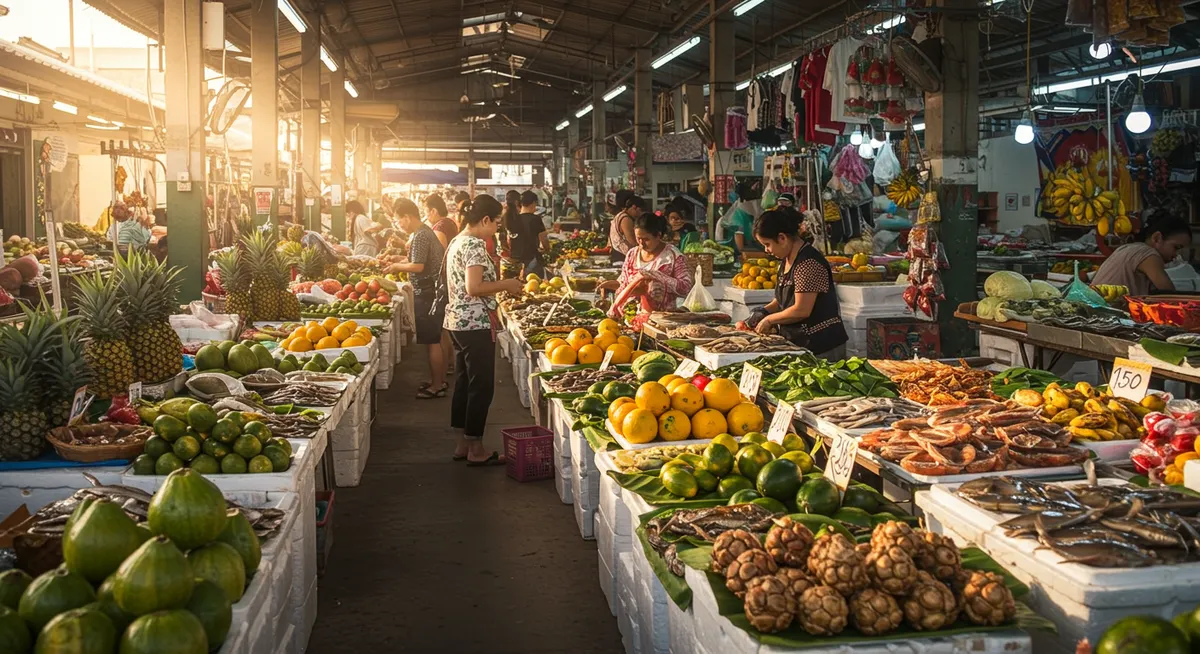
TL;DR: Trat's markets are among the most authentic shopping experiences in eastern Thailand. The Trat Night Market runs daily from 5 PM along Tha Ruea Road with dozens of food and souvenir stalls. The Municipal Market (Talat Yai) opens early morning for fresh seafood, spices, and textiles. Bring cash in Thai Baht, haggle respectfully on non-food items, and arrive early for the best selection. Budget 200-500 THB for street food and 500-2,000 THB for souvenirs.
Trat province sits quietly on Thailand's eastern seaboard, overshadowed by its famous island neighbors Koh Chang, Koh Kood, and Koh Mak. Yet Trat town itself holds one of the country's most rewarding market experiences, largely untouched by mass tourism. The markets here are not staged for visitors — they are working commercial hubs where locals buy their daily groceries, fishermen offload the morning catch, and families gather for affordable evening meals. This Trat market shopping guide covers every market worth visiting in 2026, what to buy, how to navigate the stalls, and how to eat your way through the best street food in the province. Whether you are stocking up before heading to the islands or spending a full day exploring Trat town, these markets deserve a prominent place on your itinerary. Before planning your market visits, check our guide on how to get to Trat from Bangkok so you arrive with time to spare.
Top Markets in Trat You Should Not Miss
Turn this guide into a personal route with our free Trat itinerary planner.
Trat's market scene divides neatly between daytime wholesale markets and evening social markets. Each serves a different purpose and attracts a different crowd, so visiting both gives you the full picture of local commerce.
Trat Night Market (Talat Rot Fai)
The Trat Night Market stretches along Tha Ruea Road near the old town center and operates every evening from approximately 5 PM to 10 PM. In 2026, it remains the single best spot for visitors to experience Trat's food culture in one concentrated area. Vendors set up portable kitchens along both sides of the road, selling everything from grilled seafood skewers and som tum to coconut ice cream and freshly pressed sugarcane juice. Non-food stalls toward the eastern end sell clothing, phone accessories, and handmade jewelry. The atmosphere is relaxed and unhurried compared to Bangkok's tourist night markets, and prices reflect the local economy rather than tourist markups. Most dishes cost between 30 and 80 THB, making it easy to sample widely without overspending.
Municipal Market (Talat Yai)
The Municipal Market near Trat's city center is the province's oldest and largest daytime market. It opens as early as 5 AM and winds down by noon. This is where Trat residents do their serious grocery shopping. The ground floor is dominated by fresh seafood — blue crabs, prawns, squid, and dozens of fish species pulled from the Gulf of Thailand that morning. Upper sections sell dry goods, spices, cooking pastes, and household items. The textile area offers affordable sarongs, cotton fabrics, and ready-made clothing. Talat Yai is not designed for tourists, which is exactly what makes it compelling. You will see real prices, real products, and the genuine rhythm of a Thai provincial market town.
Trat Indoor Market (Talat Kaset)
Located a short walk from the Municipal Market, the Talat Kaset agricultural market focuses on fresh produce from Trat's farming hinterland. Tropical fruits dominate the stalls from April through August, when Trat's famous durian, mangosteen, rambutan, and longkong reach peak season. Outside fruit season, you will find vegetables, herbs, coconut products, and locally produced palm sugar. This market is smaller and quieter than Talat Yai but worth a stop if you want to buy fruit at wholesale prices or see the agricultural side of Trat's economy.
What to Buy at Trat Markets: Best Souvenirs and Local Products
Trat markets reward shoppers who look beyond the obvious. While you can certainly buy generic Thai souvenirs here, the real treasures are products specific to this province and its maritime, agricultural, and artisanal traditions.
Dried seafood products are Trat's signature market goods. Look for dried squid (pla muek haeng), dried shrimp, shrimp paste (kapi), and fish sauce produced in small batches by coastal communities. These travel well, last for months, and make distinctive gifts for food-loving friends back home.
Tropical fruits deserve special attention if you visit between April and July. Trat province is one of Thailand's premier durian-growing regions, and the Chanee and Monthong varieties sold at local markets cost a fraction of Bangkok prices. Mangosteen, rambutan, and longkong are equally abundant and affordable during peak season.
Hand-woven textiles from communities in Trat and neighboring Chanthaburi include cotton sarongs, scarves, and simple garments dyed with natural pigments. These are not luxury items but genuine everyday textiles made by local artisans, typically priced between 100 and 500 THB.
Local snacks and sweets such as khanom buang (crispy Thai crepes), coconut-based desserts, and dried fruit chips make lightweight, packable souvenirs. Vendors at the night market often sell these in gift-ready bags. For travelers watching their spending, our Trat budget travel tips cover how to stretch your baht further across markets and beyond.
Gemstones and jewelry occasionally appear at Trat markets, reflecting the province's historical connection to the gem trade centered in nearby Chanthaburi. Exercise caution with gemstone purchases unless you have expertise — stick to modest, clearly priced jewelry from established market stalls rather than deals that seem too good to be true.
Street Food You Must Try at Trat Markets
The street food at Trat's markets ranks among the best in eastern Thailand, largely because it relies on hyper-local ingredients — seafood caught that day, herbs grown nearby, and recipes passed through families for generations. Here are the dishes that define the Trat market food experience in 2026.
Grilled seafood skewers (satay talay) are the night market's most popular offering. Prawns, squid, and small fish are seasoned simply and grilled over charcoal. Most skewers cost 20 to 40 THB each, and the best stalls draw obvious queues.
Pad Thai and stir-fried noodles are available at multiple stalls, but the versions at Trat's markets often include fresh crab meat or large prawns rather than the dried shrimp common in Bangkok. This regional twist elevates a familiar dish considerably.
Som tum (papaya salad) at Trat markets tends toward the intensely spicy, fish-sauce-heavy style favored in Thailand's eastern provinces. Ask for "mai phet" (not spicy) if you prefer a milder version, or embrace the heat for an authentic experience.
Fresh fruit smoothies and coconut shakes are essential for cooling down during evening market walks. Vendors blend seasonal fruits with ice for 30 to 50 THB per cup. Mango and passion fruit are consistently excellent choices.
Khanom jeen (fermented rice noodles) served with various curry sauces is a breakfast and lunch staple at the Municipal Market. The fish curry version (khanom jeen nam ya) is the most traditional option and costs as little as 25 THB per plate. For a deeper dive into Trat's culinary scene beyond the markets, explore our Trat local food guide and best restaurants.
Essential Shopping Tips for Trat Markets in 2026
A few practical strategies will help you navigate Trat's markets more effectively, spend less, and avoid common mistakes.
Bring cash in Thai Baht. While QR code payments via PromptPay have expanded across Thailand, many small market vendors in Trat still operate on cash only. ATMs are available near both major markets, but withdrawing before you arrive avoids delays. Carry small denominations — 20 and 100 THB bills work best for market transactions.
Visit early for the best selection. The Municipal Market is most active between 6 AM and 9 AM, when seafood is freshest and produce stalls are fully stocked. The night market fills up by 6 PM, but arriving at 5 PM lets you browse before the crowds build.
Haggle respectfully on non-food items. Food prices at Thai markets are generally fixed and already low. For clothing, souvenirs, and accessories, a gentle negotiation of 10 to 20 percent off the asking price is acceptable. Smile, stay friendly, and accept the vendor's final price gracefully. Aggressive haggling is culturally inappropriate and counterproductive.
Bring a reusable bag. Thailand has reduced single-use plastic bag distribution, and many market vendors no longer provide bags automatically. A foldable tote or backpack keeps your hands free and your purchases organized.
Check freshness carefully. For dried seafood and packaged snacks, check production and expiration dates. For fresh produce, inspect for bruising or overripeness. Vendors at Trat's markets are generally honest, but a quick check protects your purchase.
Getting around between markets is straightforward. The Municipal Market and night market are within walking distance of each other in central Trat. For the agricultural market or more distant shopping areas, songthaews (shared pickup trucks) and motorcycle taxis are cheap and readily available. See our Trat transportation guide for details on local buses, taxis, and getting around the province.
Best Time to Visit Trat Markets
Trat's markets operate year-round, but the experience varies significantly by season. The cool season from November through February offers the most comfortable market browsing, with lower humidity and pleasant evening temperatures for the night market. The hot season from March through May brings intense afternoon heat but also the beginning of fruit season, when durian and mangosteen start appearing at market stalls.
The wet season from June through October sees occasional heavy rain showers that can temporarily disrupt outdoor market operations, though the night market has partial covering. Fruit prices drop to their lowest during this period, and the markets are least crowded. For a complete guide to timing your Trat visit around weather, festivals, and peak seasons, read our comprehensive Trat travel guide.
Weekends generally see higher market activity, with additional temporary vendors setting up stalls. If you want a quieter, more local experience, weekday mornings at the Municipal Market are ideal.
Frequently Asked Questions
What are the best markets for tourists in Trat?
Is haggling acceptable in Trat markets?
What local products should I buy at Trat markets?
What time do Trat markets open and close?
How much money should I bring to Trat markets?
Are Trat markets safe for solo travelers?
Trat's markets offer one of the most genuine shopping and eating experiences in Thailand — a place where local life happens daily regardless of tourist seasons. From the pre-dawn bustle of the Municipal Market to the relaxed evening energy of the night market, these spaces connect you with Trat's culinary traditions, artisanal crafts, and community spirit. Pack your reusable bag, bring plenty of small bills, and give yourself at least half a day to explore properly. The markets alone justify a stop in Trat town before or after island hopping to Koh Chang, Koh Kood, or Koh Mak — check the Trat ferry schedule to plan your onward journey.