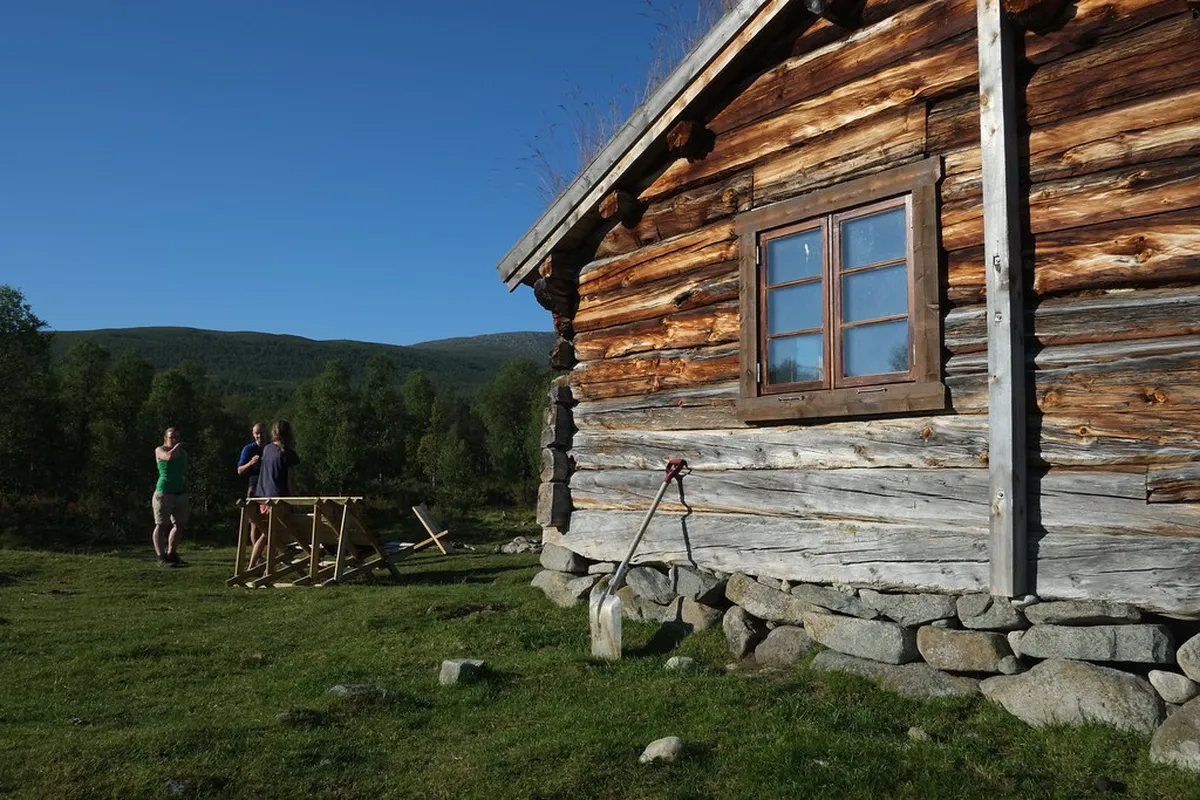
Tromsø offers a gateway to Arctic wonders and rich cultural heritage. Exploring traditional Sami architecture provides unique insights into indigenous life. These ancient building styles showcase incredible adaptation to the harsh northern climate. You can easily delve into Sami traditions during your Tromsø architecture itinerary.
Sami people have lived in Northern Norway for thousands of years. Their traditional structures are deeply connected to their nomadic and semi-nomadic lifestyles. Understanding their architecture enriches any visit to this stunning region. It highlights their ingenious use of natural materials.
The Iconic Lavvu: Sami Tent Architecture
The lavvu is perhaps the most recognizable Sami structure. This portable tent resembles a tipi or teepee. It features a central hearth and smoke vent at the top. Lavvus are built using sturdy wooden poles and animal hides or canvas.
Historically, lavvus were perfect for the nomadic Sami lifestyle. Reindeer herders could quickly erect and dismantle them. This flexibility allowed them to follow their herds across the landscape. The conical shape provides excellent wind resistance.
Today, many cultural experiences in Tromsø feature lavvus. Visitors can enjoy traditional Sami food or storytelling inside. It offers a warm and authentic glimpse into Sami heritage. Look for these experiences when planning your trip in 2026.
The design of the lavvu is a testament to Arctic architecture principles. Its structure efficiently retains heat. You can find these fascinating structures at various cultural centers. They are often part of organized tours and events.
The Enduring Goahti: Sami Turf Huts
The goahti represents a more permanent Sami dwelling. It is a turf hut, often round or oval in shape. Goahtis use a wooden frame covered with layers of birch bark and turf. This construction provides superior insulation against the cold.
Unlike the portable lavvu, goahtis were built for longer stays. They served as homes for families during specific seasons. Many were strategically located near fishing grounds or reindeer pastures. These structures are truly resilient.
The thick turf layer acts as natural insulation. It keeps the interior warm in winter and cool in summer. This clever design minimizes heat loss. It showcases the Sami's deep understanding of their environment.
You can discover examples of goahtis at local museums. The Tromsø Museum often displays such traditional buildings. Seeing them in person offers a strong connection to Sami history. It highlights their resourcefulness and skill.
Sustainable Materials and Ingenious Techniques
Traditional Sami architecture relies entirely on natural resources. Wood, birch bark, turf, and reindeer hides were primary materials. These were sourced locally from the surrounding environment. This approach demonstrates a strong bond with nature.
Birch bark served as a crucial waterproofing layer. It was placed between the wooden frame and the outer turf. This created a durable and moisture-resistant roof. Such ingenuity ensured longevity for their homes.
The Sami utilized simple yet effective construction techniques. They adapted their building methods to the available materials. Their structures perfectly blend into the landscape. This minimizes environmental impact.
These sustainable practices continue to inspire modern designers. The focus on local Tromsø building materials is clear. Their ancient methods offer valuable lessons for sustainable architecture today. They truly mastered living in harmony with nature.
Experiencing Sami Architecture in Tromsø 2026
🌟 Local Expert Tip: Get the most out of your Oslo visit with guided tours!
Tromsø offers several ways to engage with Sami architecture. Many cultural centers host authentic lavvu experiences. You can often share a meal or hear traditional joik singing. These immersive activities are truly memorable for visitors.
The Tromsø Museum features outdoor exhibits of Sami dwellings. It provides an excellent opportunity to see goahtis up close. Guides often share stories about their historical uses. This offers a deeper understanding of Sami life.
Consider booking a guided tour focused on Sami culture. Some tours include visits to Sami camps outside the city. Here you might interact with reindeer and learn about their traditional lifestyle. These experiences often involve a visit to a lavvu.
To find specific locations, check out the best places to see Sami buildings in Tromsø. Always book cultural experiences in advance for 2026. Prices vary, but a typical lavvu experience can range from 800-1500 NOK. This typically includes food and storytelling.
Frequently Asked Questions
What is the primary difference between a lavvu and a goahti?
A lavvu is a portable, conical tent, ideal for nomadic life. It uses a wooden frame covered with canvas or hides. A goahti is a more permanent turf hut with a sturdy wooden frame. It is insulated with birch bark and layers of earth.
Lavvus are quicker to erect and dismantle. Goahtis offer better long-term insulation and protection. Both structures reflect the Sami people's deep connection to their environment. They show their unique architectural influence.
Can I stay in traditional Sami accommodation near Tromsø?
Yes, some tour operators offer overnight stays in lavvus. These experiences provide a truly immersive cultural encounter. You can sleep in a traditional setting under the Northern Lights. Always check availability and book well ahead for 2026.
Where can I learn more about Sami culture in Tromsø?
The Tromsø Museum is an excellent starting point for learning. It has extensive exhibits on Sami history and culture. Many local tour companies also offer specialized Sami cultural tours. You can find more details on Sami lavvu architecture and design online.
Traditional Sami architecture offers a compelling look into indigenous ingenuity. These structures are more than just buildings; they are cultural statements. They represent centuries of adaptation and sustainable living. Experiencing them enriches any visit to Tromsø.
Plan your trip to explore these unique buildings in 2026. Engage with Sami culture and appreciate their profound heritage. For more insights into the region's diverse structures, explore our Northern Norway architecture guide.
Key Takeaways
- Lavvus are portable, conical tents crucial for nomadic Sami life.
- Goahtis are permanent turf huts offering superior insulation and stability.
- Sami architecture utilizes sustainable, locally sourced materials and clever designs.