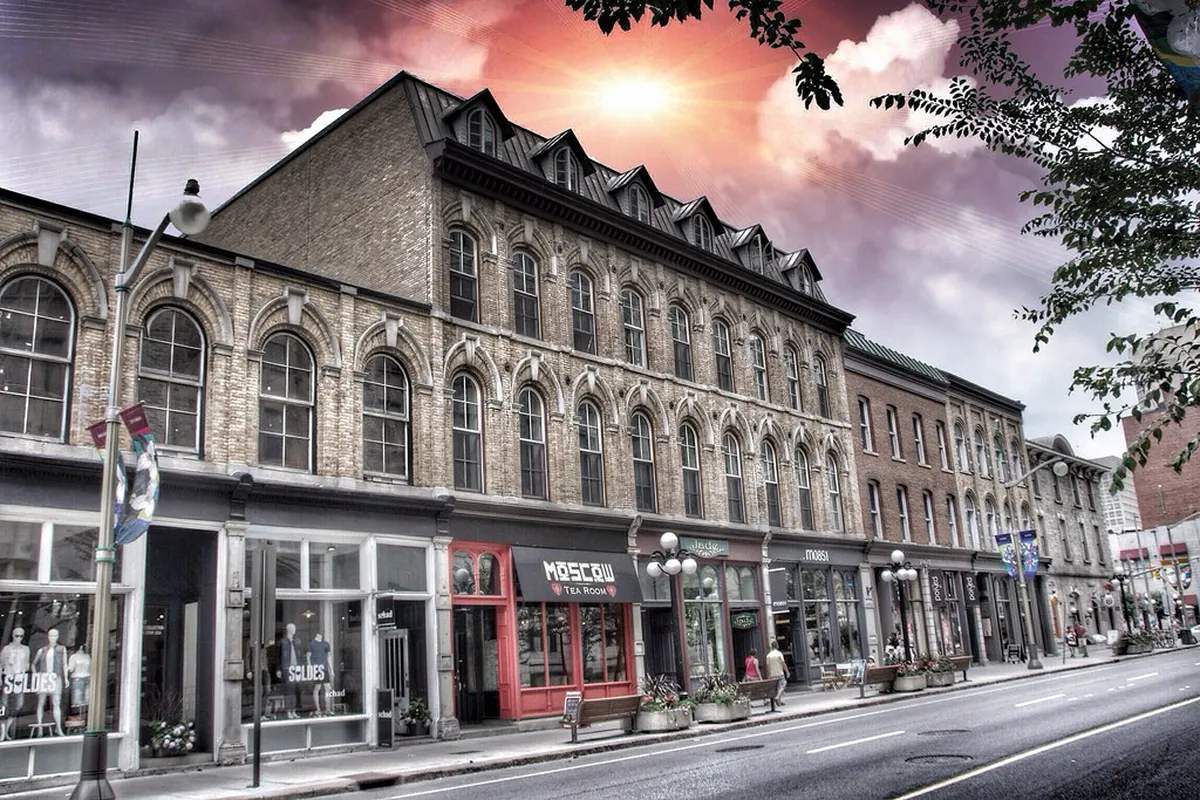
Grenoble sits at the foot of the French Alps and offers a perfect layout for walkers. This self-guided Grenoble walking tour map and route helps you navigate the historic streets and modern districts with ease. You will discover hidden Roman walls, ride the iconic cable car, and taste the famous local walnuts. Walking remains the best way to absorb the unique mix of medieval heritage and innovative urban design.
The city is often called the 'Capital of the Alps' due to its dramatic mountain surroundings. Three massive mountain ranges create a natural 'Y' shape valley that defines the local geography. This geography makes the city center incredibly flat and easy to traverse on foot. Your journey will balance the charm of the Old Town with the bold vision of modern French architecture.
Essential Tips for Your Grenoble Walking Tour
Turn this guide into a personal route with our free Grenoble itinerary planner.
Preparation is the key to enjoying the diverse terrains of this Alpine city. While the city center is flat, the historic cobblestones can be taxing on your feet. Select supportive walking shoes to ensure comfort throughout the day. Grenoble experiences a unique climate known as the basin effect.
The surrounding mountains trap air, making summer days surprisingly hot and humid. You should carry a refillable water bottle to stay hydrated during the warmer months. Public fountains are common in the squares and offer fresh Alpine water. Consult a Grenoble weather guide before setting out on your trek.
- Footwear Recommendations
- Type: Cushioned walking shoes
- Reason: Uneven cobblestones
- Benefit: Reduced fatigue
- Tip: Avoid thin sandals
- Navigation Basics
- Tool: Offline digital map
- Key: Follow the river
- Marker: Bastille fortress
- Style: Slow travel
Starting Your Route at Place Grenette
Your journey begins at the vibrant heart of the city center. This square served as the primary grain market for centuries before becoming a social hub. Today, it is filled with lively cafe terraces and grand 19th-century buildings. Locals gather here to enjoy the mountain views while sipping coffee or wine.
The central location makes it the ideal anchor for any walking itinerary. You can easily find the Place Grenette location to orient yourself. Look for the ornate stone fountain that marks the center of the square. This spot connects the modern shopping streets with the narrow alleys of the Old Town.
Exploring the Historic Old Town Facades
Walking into the Old Town feels like stepping back into the Renaissance era. The architecture here showcases the transition from heavy medieval stones to elegant decorative facades. Many buildings feature intricate window frames and carved wooden doors from the 16th century. Pay close attention to the heights of the buildings which reflect past wealth.
The narrow streets were designed to keep the interior cool during the hot summers. You will notice the use of local limestone that gives the area a warm, gray glow. Preservation efforts have kept these facades in excellent condition for modern visitors. Take your time to admire the craftsmanship found on the **Grande Rue**.
Visiting the Ancien Palais du Parlement and Place Saint-André
The Place Saint-André is home to the most significant political landmark in the city. The Ancien Palais du Parlement served as the seat of justice for the Dauphiné province. This building played a crucial role in the 'Day of the Tiles' in 1788. This event is often cited as one of the sparks for the French Revolution.
The facade displays a mix of Gothic and Renaissance styles that evolved over centuries. Adjacent to the palace stands the Collegiate Church of Saint-André. This church contains the tomb of the famous knight Bayard. The square itself offers a perfect spot for architectural photography and historical reflection.
Wandering Through the Jardin de Ville
The Jardin de Ville provides a lush green escape within the dense city core. It was originally the private garden of the Duke of Lesdiguières in the 17th century. Towering palm trees and manicured flower beds create a Mediterranean atmosphere. The garden has deep ties to the famous French writer Stendhal.
He spent much of his childhood playing among these trees and fountains. You can find his former home nearby, which is now a dedicated museum. The park also serves as the lower entrance to the famous cable car system. Check the Jardin de Ville location for easy access to the riverfront.
Riding the Grenoble-Bastille Cable Car to the Fortress
No self-guided Grenoble walking tour map and route is complete without the 'Bubbles'. These spherical glass cabins whisk you from the city center to the Bastille fortress. The ride takes about five minutes and offers spectacular views of the Isère river. It is one of the oldest urban cable cars in the world.
The cabins are fully accessible for wheelchairs and large strollers. Once at the top, you can explore the 19th-century fortifications and several museums. Learn how to ride the Bastille cable car to maximize your time. The panoramic terrace provides the best view of the 'Y' shape valley.
- Bastille Ascent Decision Matrix
- Option: Cable Car (Bubbles)
- Time: 5 minutes
- Effort: Minimal
- Cost: Approx. 9 Euros
- Bastille Hiking Route
- Option: Walking Path
- Time: 45-60 minutes
- Effort: High (steep)
- Cost: Free
Walking Along the Isere River Banks
The Isère river defines the northern edge of the historic city center. A walk along the stone quays offers a different perspective on the Alpine landscape. You will see the Saint-Laurent footbridge, which connects the two sides of the city. The river was historically used for transporting timber and goods from the mountains.
The Quai de France is particularly scenic during the late afternoon sun. You can watch the reflections of the colorful houses in the moving water. The banks are popular with local joggers and students from the nearby university. This section of the route provides a peaceful break from the busy shopping streets.
Discovering Contemporary Design at Musée de Grenoble
The Museum of Grenoble is a masterpiece of modern architecture. It houses one of the most prestigious art collections in all of Europe. The building itself features clean lines and large windows that frame the mountains. Its design allows natural light to illuminate the vast galleries of modern art.
Outside the museum, you can wander through the Parc Albert Michallon. This sculpture garden contains works by famous artists like Alexander Calder. The park blends the museum's concrete structure with the natural greenery of the riverbank. Art lovers should allocate at least two hours to explore the interior exhibits.
Experiencing Local Life at Les Halles Sainte-Claire
The Les Halles Sainte-Claire is the culinary heartbeat of the city. This covered market dates back to the late 19th century and remains highly active. Local producers sell fresh cheeses, cured meats, and the famous Grenoble walnuts. The atmosphere is busiest on weekend mornings when the outdoor stalls expand.
You can find all the ingredients for a traditional Gratin Dauphinois here. Learn where to eat local food to taste these flavors prepared by experts. The market location is just a short walk from the main cathedral. Sampling local walnuts is a mandatory experience for every first-time visitor.
Finding Hidden Courtyards and Roman Walls
Grenoble hides many of its oldest secrets behind unassuming wooden doors. The city features 'traboule-like' passages similar to those found in Lyon. These internal courtyards often reveal beautiful spiral staircases and stone arches. Always remember to be quiet and respectful when entering these residential areas.
The Roman walls of Grenoble are located near the Rue Lafayette. These 3rd-century fortifications once protected the ancient city of Cularo. You can see the massive stone blocks integrated into more modern buildings. Finding these ruins provides a tangible link to the city's Roman foundations.
Seeing Brutalist Masterpieces and Olympic Legacy
The 1968 Winter Olympics transformed Grenoble into a modern urban laboratory. This era introduced bold concrete structures and innovative public spaces. The City Hall is a prime example with its unique S-shaped design. These buildings represent the city's post-war growth and technological ambition.
The Maison de la Culture is another brutalist landmark worth visiting. While these concrete structures contrast with the Old Town, they are part of the city's soul. They reflect a time when Grenoble was at the forefront of French urban planning. Walking through this district offers a 'concrete' perspective on the city's history.
Exploring Sustainable Design in the De Bonne District
The De Bonne district is France's first major eco-neighborhood. It was built on the site of former military barracks near the city center. The project focuses on energy efficiency, green spaces, and sustainable living. It serves as a global model for modern urban redevelopment.
The area includes a large shopping center housed in the renovated barracks. You can walk through the solar-powered streets and enjoy the public parks. It is a popular spot for travelers interested in urban planning and modern design. This district proves that historic cities can successfully adapt to ecological needs.
Nearby Day Trips from Grenoble for Extended Exploration
Grenoble serves as a perfect base for exploring the wider Isère region. The Vercors Massif offers dramatic limestone cliffs and hidden mountain villages. You can reach these areas via local buses or a short car journey. Outdoor enthusiasts will find endless trails for hiking and mountain biking.
Annecy is another popular day trip located about an hour away by train. It is known as the 'Venice of the Alps' due to its beautiful canals. For more ideas, view a 1 day itinerary in Grenoble for nearby options. The surrounding mountains offer a fresh escape during the peak summer heat.
Best Time to Take Walking Tours in Grenoble
Spring and fall are the most pleasant seasons for a walking tour. April to June offers mild temperatures and blooming mountain flowers. September and October provide crisp air and beautiful autumn foliage. These months avoid the extreme heat of the basin effect.
Winter can be cold, but the mountain views are often the clearest then. Snow-capped peaks provide a stunning backdrop for your city photographs. If you visit in summer, plan your walk for the early morning hours. This helps you avoid the midday humidity that settles in the valley.
Frequently Asked Questions
How long does the walking tour take?
A full self-guided walk typically takes between 3 to 5 hours. This includes time for the Bastille cable car and a quick lunch stop. You can find more budget-friendly things to do to fill a full day itinerary.
Is Grenoble walkable for people with limited mobility?
Yes, the city center is exceptionally flat and easy to navigate. The 'Bubbles' cable car is fully accessible for wheelchairs. However, the historic Old Town has some narrow sidewalks and uneven cobblestones that may require extra care during your route.
Where can I find public restrooms along the route?
Public restrooms are available at the Bastille fortress and inside the Museum of Grenoble. Most cafes in Place Grenette also provide facilities for customers. It is always a good idea to carry small change for paid facilities in public squares.
Is the Bastille cable car safe in windy weather?
The cable car system is highly advanced and monitors wind speeds constantly. It may close temporarily during extreme gusts for passenger safety. Always check the official website for real-time operating status before heading to the Jardin de Ville base station.
Grenoble offers a unique walking experience that blends mountain majesty with urban innovation. Following this self-guided Grenoble walking tour map and route ensures you see the best of both worlds. From the heights of the Bastille to the hidden Roman walls, every step reveals a new story. Plan your visit today to discover why this Alpine city is a favorite for slow travelers.