Pai Ethical Elephant Sanctuaries: Your Complete 2026 Guide
Discover the best ethical elephant sanctuaries in Pai, Thailand for 2026. Learn how to identify truly responsible sanctuaries, what to expect during your visit, costs, booking tips, and how to support elephant welfare on your trip.
ItiMaker Team10 min read
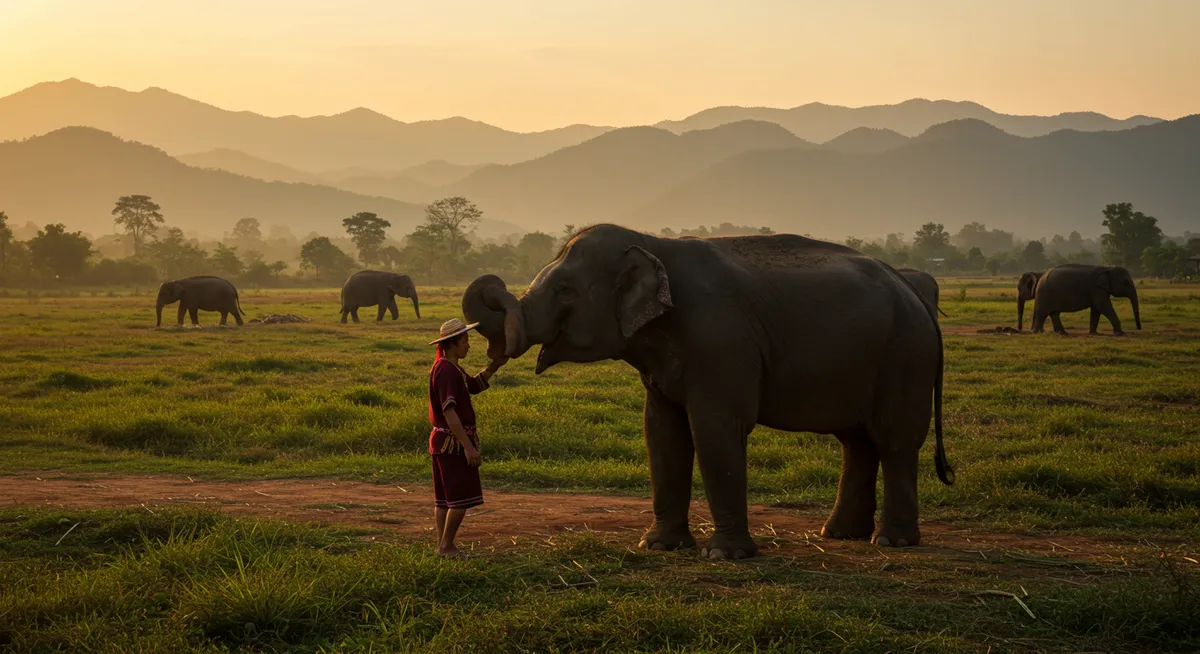
<p><strong>TL;DR:</strong> Pai is home to several ethical elephant sanctuaries where visitors can observe rescued elephants living freely — no riding, no chains, no performances. The best sanctuaries prioritize natural behavior, veterinary care, and conservation education. Book half-day or full-day programs in advance (especially November through February), budget 1,500-3,500 THB per person, and look for strict no-riding policies, small group sizes, and transparent rescue histories. Your visit directly funds elephant rehabilitation and habitat protection in northern Thailand.</p>
<h1>Pai Ethical Elephant Sanctuaries: Your Complete 2026 Guide</h1>
<aside class="affiliate-slot" data-nosnippet
data-affiliate-unit="experience_finder"
data-affiliate-provider="getyourguide"
data-affiliate-widget="getyourguide_city"
data-affiliate-format="widget"
data-affiliate-placement="primary"
data-affiliate-campaign="itimaker-com-unit-gcity-pai-ethical-elephant-sanctuaries"
data-affiliate-city="Pai"
data-affiliate-location-id="19080"
style="min-height:400px">
<span class="affiliate-badge">Sponsored</span>
<div class="affiliate-skeleton" aria-hidden="true"></div>
<p class="affiliate-unit__loading" role="status">Loading live activities…</p>
<div class="affiliate-inner"><div
data-gyg-href="https://widget.getyourguide.com/default/city.frame"
data-gyg-location-id="19080"
data-gyg-locale-code="en-US"
data-gyg-widget="city"
data-gyg-partner-id="26CH4CT"
data-gyg-campaign="itimaker-com-unit-gcity-pai-ethical-elephant-sanctuaries"
data-gyg-cmp="itimaker-com-unit-gcity-pai-ethical-elephant-sanctuaries"
loading="lazy"></div></div>
</aside>
<p>Northern Thailand has undergone a remarkable transformation in how it approaches elephant tourism. Where chains and howdahs once defined the experience, Pai now stands at the forefront of a welfare-first movement that puts elephants' needs above entertainment. Having spent considerable time exploring the sanctuaries around Pai, the difference between ethical operations and tourist traps has never been clearer — and making the right choice matters more than ever in 2026.</p>
<p>This guide covers everything you need to know about visiting Pai's ethical elephant sanctuaries: how to identify genuine operations, what your visit actually looks like, current costs and booking logistics, and how your tourism dollars translate into real conservation impact.</p>
<h2>Why Pai Has Become a Centre for Ethical Elephant Tourism</h2>
<p>Pai's location in the mountainous Mae Hong Son province gives it a natural advantage for elephant welfare. The surrounding valleys and forests provide the kind of expansive, biodiverse terrain that elephants need to exhibit natural behaviors — foraging across varied vegetation, bathing in rivers, and forming social bonds within herds. Unlike more commercialized destinations in southern Thailand, Pai's slower pace and smaller scale have allowed sanctuaries to prioritize quality of care over volume of visitors.</p>
<aside class="affiliate-slot" data-nosnippet
data-affiliate-unit="experience_finder"
data-affiliate-provider="viator"
data-affiliate-widget="viator_widget"
data-affiliate-format="widget"
data-affiliate-placement="secondary"
data-affiliate-campaign="itimaker-com-unit-vauto-pai-ethical-elephant-sanctuaries"
data-affiliate-city="Pai"
data-affiliate-location-id=""
style="min-height:600px">
<span class="affiliate-badge">Sponsored</span>
<div class="affiliate-skeleton" aria-hidden="true"></div>
<p class="affiliate-unit__loading" role="status">Loading live activities…</p>
<div class="affiliate-inner"><div
data-vi-partner-id="P00271059"
data-vi-widget-ref="W-d5dc59c4-3a04-417e-8a46-7be440461eba"
data-vi-search-term="Pai"
data-vi-campaign="itimaker-com-unit-vauto-pai-ethical-elephant-sanctuaries"
data-campaign="itimaker-com-unit-vauto-pai-ethical-elephant-sanctuaries"></div></div>
</aside>
<p>Several factors have accelerated the shift toward ethical practices in 2026. International awareness campaigns, stricter Thai government regulations on wildlife tourism, and changing traveler expectations have all contributed. Many former logging elephants and retired trekking camp animals have been relocated to Pai's sanctuaries, where they receive rehabilitation and veterinary attention. The community-based approach here means local Karen and Shan communities — who have historical relationships with elephants — are involved in daily care, creating authentic cultural exchange alongside wildlife conservation.</p>
<p>If you are planning when to visit, check our <a href="https://itimaker.com/blog/best-time-to-visit-pai-2025">best time to visit Pai</a> guide for seasonal weather and crowd considerations that also affect sanctuary visits.</p>
<h2>How to Identify a Truly Ethical Elephant Sanctuary</h2>
<p>Not every operation advertising itself as a "sanctuary" meets genuine welfare standards. In 2026, here are the concrete markers that separate responsible facilities from greenwashed tourist traps:</p>
<aside class="affiliate-slot" data-nosnippet
data-affiliate-unit="experience_finder"
data-affiliate-provider="getyourguide"
data-affiliate-widget="getyourguide_activities"
data-affiliate-format="widget"
data-affiliate-placement="tertiary"
data-affiliate-campaign="itimaker-com-unit-gact-pai-ethical-elephant-sanctuaries"
data-affiliate-city="Pai"
data-affiliate-location-id="19080"
style="min-height:420px">
<span class="affiliate-badge">Sponsored</span>
<div class="affiliate-skeleton" aria-hidden="true"></div>
<p class="affiliate-unit__loading" role="status">Loading live activities…</p>
<div class="affiliate-inner"><div
data-gyg-href="https://widget.getyourguide.com/default/activities.frame"
data-gyg-location-id="19080"
data-gyg-locale-code="en-US"
data-gyg-widget="activities"
data-gyg-partner-id="26CH4CT"
data-gyg-campaign="itimaker-com-unit-gact-pai-ethical-elephant-sanctuaries"
data-gyg-cmp="itimaker-com-unit-gact-pai-ethical-elephant-sanctuaries" data-gyg-number-of-items="4"
loading="lazy"></div></div>
</aside>
<ul>
<li><strong>Strict no-riding policy:</strong> Ethical sanctuaries never allow visitors to ride elephants. The weight of riders combined with the saddle (howdah) causes chronic spinal damage. Any venue offering rides, regardless of other claims, fails this basic test.</li>
<li><strong>No bullhooks, chains, or restraints:</strong> Elephants should roam freely within large, fenced natural areas. Short chains or confined enclosures signal exploitation, not sanctuary.</li>
<li><strong>Transparent rescue histories:</strong> Legitimate operations share each elephant's individual backstory — where they came from, what injuries or trauma they carry, and their rehabilitation progress. Ask directly; evasive answers are a warning sign.</li>
<li><strong>Veterinary care on site or on call:</strong> Regular health checks, dental care, and treatment plans should be visible and documented. Look for a dedicated veterinary area.</li>
<li><strong>Small visitor-to-elephant ratios:</strong> Ethical programs cap group sizes, typically at 6-10 visitors per session. Large groups create stress and prioritize revenue over welfare.</li>
<li><strong>Education-first programming:</strong> The visit should include substantive information about elephant biology, the history of captive elephants in Thailand, and conservation challenges — not just photo opportunities.</li>
<li><strong>Accreditation or affiliations:</strong> Look for connections to organizations like the Asian Elephant Foundation, Wildlife Friends Foundation Thailand, or endorsements from World Animal Protection.</li>
</ul>
<p>Cross-reference reviews on independent platforms (not just the sanctuary's own website) and look specifically for mentions of elephant demeanor — calm, freely roaming elephants indicate good management; anxious, swaying, or overly docile elephants suggest sedation or aversive training.</p>
<h2>What to Expect During Your Sanctuary Visit</h2>
<p>A typical half-day program at an ethical Pai sanctuary runs about four to five hours and follows a general pattern, though each facility has its own variation.</p>
<p><strong>Orientation and briefing (30-45 minutes):</strong> You start with a session covering the sanctuary's mission, the individual elephants you will observe, and behavioural guidelines. This is where you learn about safe distances, why flash photography is discouraged, and how to read elephant body language.</p>
<p><strong>Observation and guided walk (1.5-2 hours):</strong> The core of the experience involves walking through the sanctuary's natural areas while observing elephants foraging, socializing, and interacting with their environment. Guides explain behaviors in real-time — why an elephant is dust-bathing, what specific ear movements communicate, or how matriarchal herds make decisions. This is far more engaging than it might sound; watching a rescued elephant explore a forest clearing for the first time is genuinely moving.</p>
<p><strong>Feeding preparation and interaction (45 minutes-1 hour):</strong> Most programs include preparing food — cutting sugarcane, mixing vitamin supplements into rice balls, or arranging fruit baskets. You then offer food to the elephants from a safe distance. This is typically the closest interaction and the moment most visitors find most memorable.</p>
<p><strong>River or mud bath observation (30-45 minutes):</strong> If weather permits, you may watch elephants enjoy a river bath or mud wallow. Some sanctuaries allow visitors to assist by gently splashing water, but physical contact is increasingly minimized in 2026 operations, and rightly so.</p>
<p>Full-day programs expand on this with additional forest walks, more in-depth conservation workshops, and sometimes visits to the veterinary facilities. Expect to get dusty, wear sun protection, and bring a reusable water bottle.</p>
<h2>Costs, Booking, and Practical Tips for 2026</h2>
<p>Sanctuary visit pricing in Pai for 2026 generally falls within these ranges:</p>
<ul>
<li><strong>Half-day programs:</strong> 1,500-2,500 THB (approximately $42-70 USD) per person</li>
<li><strong>Full-day programs:</strong> 2,500-3,500 THB (approximately $70-98 USD) per person</li>
<li><strong>Multi-day volunteer stays:</strong> 4,000-8,000 THB per day, often including accommodation and meals</li>
</ul>
<p>These prices typically include hotel pickup and drop-off within Pai town, a light meal or snacks, and drinking water. Higher-priced programs often include more extensive educational components and smaller group sizes.</p>
<p><strong>Booking advice:</strong></p>
<ul>
<li>Reserve at least 3-5 days in advance during high season (November through February). Slots fill quickly because group sizes are intentionally small.</li>
<li>Book directly through the sanctuary's website or verified social media channels — third-party booking platforms sometimes list non-ethical operations under misleading "sanctuary" labels.</li>
<li>Ask about cancellation policies, especially during monsoon season (June through September) when heavy rains can affect accessibility.</li>
</ul>
<p>Getting to Pai itself is part of the adventure. Our <a href="https://itimaker.com/blog/how-to-get-from-chiang-mai-to-pai">guide on getting from Chiang Mai to Pai</a> covers all transport options including the famous 762-curve mountain road.</p>
<h2>How Your Visit Supports Elephant Conservation</h2>
<p>Understanding where your money goes matters. At well-run sanctuaries, visitor fees fund several critical areas:</p>
<ul>
<li><strong>Daily food costs:</strong> An adult elephant consumes 150-200 kg of food per day. In Pai's sanctuaries, this means sourcing bananas, sugarcane, pumpkins, watermelons, and natural browse — a substantial ongoing expense.</li>
<li><strong>Veterinary care:</strong> Many rescued elephants arrive with chronic conditions — infected wounds from chains, foot problems from concrete surfaces, or psychological trauma from years of abuse. Ongoing medical care is expensive and non-negotiable.</li>
<li><strong>Land leases and habitat maintenance:</strong> Sanctuaries require large tracts of forested land to operate ethically. In Mae Hong Son province, land costs and maintenance for fencing, water systems, and access roads add up.</li>
<li><strong>Community employment:</strong> Ethical operations hire local mahouts and staff at fair wages, creating economic incentives for communities to support conservation rather than commercial exploitation.</li>
</ul>
<p>Beyond your visit, you can support elephant welfare by donating directly to sanctuary veterinary funds, sponsoring individual elephants (many sanctuaries offer this), or simply spreading awareness about what ethical elephant tourism actually looks like.</p>
<h2>Combining Sanctuary Visits with Your Pai Itinerary</h2>
<p>A sanctuary visit fits naturally into a broader Pai trip. Most travelers spend three to five days in Pai, and scheduling the elephant experience on day two or three works well — it gives you time to settle in and saves a meaningful highlight for mid-trip.</p>
<p>Pair your sanctuary morning with an afternoon exploring Pai Canyon, the Land Split, or the hot springs. For a comprehensive route through the area's other attractions, our <a href="https://itimaker.com/blog/pai-day-trips">Pai day trips guide</a> covers the best excursions you can combine with your sanctuary visit. If you want a full structured plan, check our <a href="https://itimaker.com/blog/pai-itinerary-3-days">3-day Pai itinerary</a> which builds in time for both adventure activities and slower cultural experiences.</p>
<p>Remember that sanctuary visits involve moderate physical activity — walking on uneven forest terrain for several hours. Wear closed-toe shoes with grip, lightweight long pants, and layers for cooler mornings. Most sanctuaries provide rubber boots during wet season.</p>
<h2>Frequently Asked Questions</h2>
<div itemscope="" itemtype="https://schema.org/FAQPage">
<div class="faq-item" itemprop="mainEntity" itemscope="" itemtype="https://schema.org/Question">
<h3 itemprop="name">Are all elephant sanctuaries in Pai truly ethical?</h3>
<div itemprop="acceptedAnswer" itemscope="" itemtype="https://schema.org/Answer">
<div itemprop="text">No. Some operations use the word "sanctuary" as marketing while still allowing riding, using restraints, or keeping elephants in inadequate conditions. Always verify by checking for strict no-riding policies, transparent rescue histories, accreditation with recognized wildlife organizations, and independent reviews that specifically describe elephant behavior and living conditions. If a venue is evasive about its practices when asked directly, that is a significant red flag.</div>
</div>
</div>
<div class="faq-item" itemprop="mainEntity" itemscope="" itemtype="https://schema.org/Question">
<h3 itemprop="name">How much does it cost to visit an ethical elephant sanctuary in Pai in 2026?</h3>
<div itemprop="acceptedAnswer" itemscope="" itemtype="https://schema.org/Answer">
<div itemprop="text">Half-day programs typically range from 1,500 to 2,500 THB (about $42-70 USD) per person, while full-day experiences cost 2,500 to 3,500 THB ($70-98 USD). These prices usually include transportation from your Pai accommodation, a meal or snacks, and drinking water. Multi-day volunteer programs range from 4,000 to 8,000 THB per day and often include lodging.</div>
</div>
</div>
<div class="faq-item" itemprop="mainEntity" itemscope="" itemtype="https://schema.org/Question">
<h3 itemprop="name">What is the best time of year to visit Pai elephant sanctuaries?</h3>
<div itemprop="acceptedAnswer" itemscope="" itemtype="https://schema.org/Answer">
<div itemprop="text">The cool, dry season from November through February offers the most comfortable conditions for both visitors and elephants. Temperatures are mild, trails are dry, and elephants are typically more active. The hot season (March to May) brings temperatures above 35°C, making extended walks uncomfortable. Monsoon season (June through September) can cause trail closures and muddy conditions, though some visitors enjoy the lush greenery and smaller crowds. Sanctuaries operate year-round but may adjust programs based on weather.</div>
</div>
</div>
<div class="faq-item" itemprop="mainEntity" itemscope="" itemtype="https://schema.org/Question">
<h3 itemprop="name">Can I volunteer at a Pai elephant sanctuary?</h3>
<div itemprop="acceptedAnswer" itemscope="" itemtype="https://schema.org/Answer">
<div itemprop="text">Yes, several Pai sanctuaries offer volunteer programs ranging from a few days to several weeks. Volunteers typically assist with food preparation, habitat maintenance, fence repairs, and general upkeep — not direct elephant handling, which requires years of specialized training. Most programs include accommodation, meals, and orientation training. Contact sanctuaries directly for 2026 availability, as spots are limited and often book months in advance.</div>
</div>
</div>
<div class="faq-item" itemprop="mainEntity" itemscope="" itemtype="https://schema.org/Question">
<h3 itemprop="name">Is it safe to be near elephants at a sanctuary?</h3>
<div itemprop="acceptedAnswer" itemscope="" itemtype="https://schema.org/Answer">
<div itemprop="text">Ethical sanctuaries maintain strict safety protocols. Visitors are always accompanied by experienced guides who understand individual elephant temperaments and body language. Safe distances are enforced, and interactions are supervised. That said, elephants are large, powerful wild animals — you should always follow guide instructions, avoid sudden movements or loud noises, and never approach an elephant from behind. Sanctuaries brief visitors thoroughly on safety before any elephant encounter.</div>
</div>
</div>
<div class="faq-item" itemprop="mainEntity" itemscope="" itemtype="https://schema.org/Question">
<h3 itemprop="name">How do Pai elephant sanctuaries differ from those in Chiang Mai?</h3>
<div itemprop="acceptedAnswer" itemscope="" itemtype="https://schema.org/Answer">
<div itemprop="text">Pai sanctuaries tend to be smaller, more intimate operations compared to Chiang Mai's larger, more commercialized facilities. Group sizes in Pai are often smaller, the surrounding natural habitat is more remote and forested, and the overall experience feels less crowded. Chiang Mai offers more options and easier accessibility, but Pai's sanctuaries benefit from the town's laid-back atmosphere and the elephants' access to more expansive natural terrain in the Mae Hong Son mountains.</div>
</div>
</div>
</div>
<p>Visiting an ethical elephant sanctuary in Pai is one of the most meaningful experiences available in northern Thailand in 2026. By choosing a genuinely responsible operation, you contribute directly to the rehabilitation and long-term welfare of elephants that have spent years — sometimes decades — in exploitative conditions. The shift from entertainment-based elephant tourism to observation-based conservation is real, and every informed visitor strengthens it. Research your sanctuary carefully, book in advance, and prepare for an encounter that stays with you long after you leave Pai.</p>
Make this guide part of your trip.
Turn the ideas you like into a personal day-by-day route, then edit every detail.
Build my itinerary