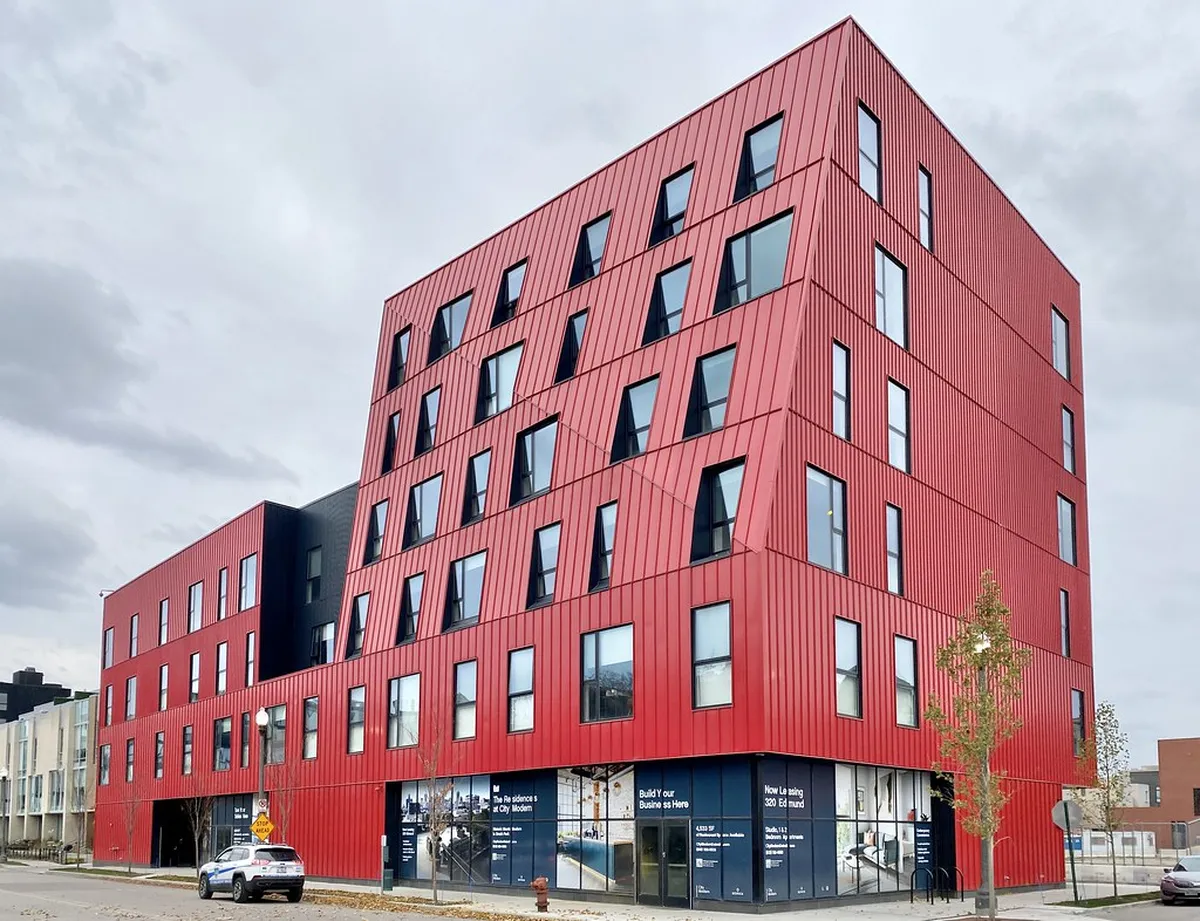
TL;DR: Bodø's 2026 housing landscape features striking waterfront projects in Molobyen, family-friendly green neighborhoods at Rønvikjordene, and sustainably designed apartments near the Stormen Cultural Quarter. Prices range from 2.5 million NOK for studios to 9+ million NOK for premium fjord-view homes. Every major development prioritizes energy efficiency, Arctic-adapted design, and community spaces that reflect Bodø's post-European Capital of Culture ambitions.
Bodø sits above the Arctic Circle on Norway's dramatic Nordland coastline. The city has transformed itself from a quiet northern outpost into one of Scandinavia's most exciting urban development stories. Following its tenure as European Capital of Culture in 2024, Bodø has channeled that momentum into ambitious residential projects that redefine Arctic living for 2026 and beyond.
What makes Bodø's housing developments remarkable is not just their architectural ambition. These projects must solve a unique design challenge: creating comfortable, energy-efficient homes in a city where winter darkness lasts months, temperatures regularly drop well below freezing, and fierce coastal winds sweep in from the Norwegian Sea. The results are some of the most innovative residential buildings in northern Europe.
This guide covers every major development, pricing realities, sustainability standards, and practical advice for anyone considering a move to or investment in Bodø's modern housing market in 2026.
Why Bodø's Housing Market Is Booming in 2026
Turn this guide into a personal route with our free Bodø itinerary planner.
Several converging factors have made Bodø one of Norway's most dynamic housing markets. The city's population has been growing steadily, driven by Nord University's expanding campus, a thriving fishing and aquaculture industry, and the cultural infrastructure built during the 2024 Capital of Culture year. That event left Bodø with world-class venues, improved transport links, and an international profile that continues attracting new residents.
The Norwegian government's investment in northern Norway has also played a role. Bodø's new airport terminal, designed with striking contemporary architecture, signals the city's long-term growth trajectory. Military restructuring has released land for civilian development, and improved rail and road connections have tightened Bodø's links to Trondheim and southern Norway.
For visitors interested in the city's broader transformation, a 3-day Bodø itinerary reveals how these changes have reshaped the urban experience. Housing development does not happen in isolation. It reflects Bodø's evolution as a place where Arctic nature meets progressive Scandinavian urbanism.
The rental market has also tightened considerably. Vacancy rates in central Bodø dropped below 2% in late 2025, pushing both rents and purchase prices upward. For developers, this has created strong incentives to bring new units to market quickly.
Molobyen: Waterfront Living Reimagined
Molobyen remains the flagship of Bodø's modern housing ambitions in 2026. This former industrial harbor area has been systematically transformed into a mixed-use waterfront district that now rivals similar projects in Bergen and Stavanger for architectural quality.
The development philosophy behind Molobyen prioritizes what Norwegians call "byliv" — vibrant city life. Ground-floor spaces house cafes, galleries, and independent shops. Above them rise residential blocks with floor-to-ceiling glazing oriented toward the Vestfjorden and the Lofoten Wall, that dramatic mountain ridge visible across the water on clear days.
Phase three of Molobyen, launched in early 2026, introduces 180 new apartments ranging from compact 45-square-meter studios to spacious 140-square-meter penthouses. The newest buildings feature triple-glazed windows with integrated solar shading, green roofs planted with native Arctic species, and shared rooftop terraces designed for midnight sun viewing in summer.
Pricing in Molobyen reflects its premium positioning. Studio apartments start around 3.2 million NOK, while three-bedroom units with direct fjord views command 7 to 9 million NOK. Despite these prices, units sell quickly, often within weeks of release. The combination of waterfront location, modern design, and walkability to Bodø's cultural core makes Molobyen highly desirable.
Understanding the broader architectural context helps appreciate what makes Molobyen distinctive. Bodø's sustainable urban development initiatives have shaped every aspect of this district, from its energy systems to its public spaces.
Rønvikjordene: Green Family Neighborhoods
While Molobyen caters to urban professionals and downsizers, Rønvikjordene addresses a different market segment: families seeking space, nature access, and community. Located east of the city center, this developing area converts former agricultural land into a neighborhood that balances residential density with generous green infrastructure.
The masterplan for Rønvikjordene mandates that at least 40% of the total area remains as parks, playgrounds, community gardens, and natural corridors. Housing here takes the form of low-rise apartment buildings (typically three to four stories) and terraced houses, creating a scale that feels distinctly different from Molobyen's taller waterfront blocks.
Rønvikjordene's 2026 developments emphasize what planners call "all-weather outdoor living." Covered walkways connect buildings to shared facilities. Playgrounds are designed to function in snow, rain, and wind. Each housing cluster includes heated communal rooms where residents can gather, reducing the social isolation that Arctic winters can impose.
Prices at Rønvikjordene are notably more accessible than waterfront options. Two-bedroom apartments start from approximately 2.5 million NOK, while four-bedroom terraced houses range from 4.5 to 6.5 million NOK. For families relocating to Bodø, this area offers the best combination of value, space, and community infrastructure.
Schools, kindergartens, and sports facilities are being built alongside the housing, ensuring families do not face the "move first, wait for services" problem common in new developments elsewhere.
Stormen Cultural Quarter and Central Bodø Developments
The area surrounding the award-winning Stormen Concert Hall and Library has become a magnet for urban residential development. Living in central Bodø means being steps away from the city's best cultural venues, restaurants, and public transport connections — a proposition that appeals strongly to professionals, academics, and retirees.
New apartment projects in this zone tend to be infill developments: carefully designed buildings inserted into existing urban blocks. This approach preserves Bodø's street-level character while adding modern living spaces above. Several 2026 projects repurpose upper floors of commercial buildings, converting underused office space into loft-style apartments with exposed concrete and timber detailing.
Central Bodø developments also include purpose-built co-living spaces targeting Nord University students and young professionals. These offer private bedrooms with shared kitchens, lounges, and work areas at monthly rents between 6,000 and 9,000 NOK, significantly below market rates for equivalent standalone apartments.
The architectural style in central Bodø consciously engages with the city's post-war reconstruction heritage. After devastating bombing in 1940, Bodø was rebuilt in a functionalist style that defined its character for decades. Today's architects reference that history while introducing contemporary materials and sustainability standards. The result is buildings that feel both rooted in place and forward-looking.
For deeper context on how Bodø's architectural identity evolved, the city's post-war architecture tells a compelling story of resilience and reinvention that directly informs today's housing designs.
Arctic-Adapted Design: How Bodø Builds for Extreme Conditions
Every modern housing development in Bodø must solve the fundamental challenge of Arctic comfort. This is not simply a matter of insulation — though Norwegian building standards already mandate some of the world's most stringent thermal performance requirements. Arctic-adapted design encompasses light, wind, snow management, and the psychological effects of extreme seasonal variation.
Windows are perhaps the most critical design element. Bodø receives no direct sunlight for several weeks around the winter solstice, then experiences continuous daylight through summer. Modern developments use floor-to-ceiling triple-glazed windows to maximize light capture during transitional months. Many units include automated blinds for the midnight sun period when complete darkness is needed for sleep.
Wind management shapes building layouts at the neighborhood scale. Bodø's coastal position exposes it to strong westerly winds that can make outdoor spaces uncomfortable. Developers now use computational wind modeling to position buildings as windbreaks, creating sheltered courtyards and walkways between structures. This approach has dramatically improved the usability of outdoor spaces in developments like Molobyen and Rønvikjordene.
Snow management is engineered into building design from the outset. Roof pitches, drainage systems, and entrance configurations all account for heavy snowfall. Heated walkways prevent ice buildup in high-traffic areas. Underground parking is standard in all major developments, protecting vehicles and providing frost-free access.
Interior design responds to the psychological demands of Arctic living. Warm timber cladding, natural stone, and careful lighting design create interiors that feel inviting during the dark months. Many apartments include dedicated spaces for outdoor gear storage — essential in a city where residents regularly ski, hike, and fish.
Sustainability Standards and Green Building Certifications
Bodø's developers have embraced sustainability certifications with genuine commitment rather than treating them as marketing exercises. The city's 2026 housing developments target BREEAM-NOR Excellent or Outstanding ratings, placing them among the most environmentally responsible residential buildings in Norway.
District heating systems powered by renewable sources serve most new developments, eliminating the need for individual gas or oil heating. Several projects in Molobyen incorporate seawater heat pumps that extract thermal energy from the fjord — a technology particularly effective in Bodø's climate where seawater remains relatively warm compared to air temperatures in winter.
Building materials increasingly emphasize low-carbon options. Cross-laminated timber (CLT) construction has gained ground in Bodø, with several mid-rise residential buildings using engineered timber as their primary structural material. Norwegian spruce, sourced from sustainably managed forests, appears in both structural and decorative applications.
Solar energy contributes meaningfully despite Bodø's latitude. While winter production is minimal, the midnight sun period generates substantial electricity from rooftop photovoltaic arrays. Battery storage systems allow summer excess to offset winter demand, and grid-tied systems ensure nothing goes to waste.
Water management features include rainwater harvesting for irrigation, permeable surfaces that reduce stormwater runoff, and native landscaping that requires no irrigation during the growing season. These measures collectively reduce the environmental footprint of new housing while maintaining the comfort standards residents expect.
Pricing, Market Trends, and Buying Advice for 2026
The Bodø housing market in 2026 presents a complex picture. Prices have risen approximately 12% over the past two years, driven by strong demand and limited supply of modern units. However, the pace of new construction is accelerating, which may moderate price growth in 2027 and beyond.
Current pricing across Bodø's major developments breaks down as follows. Studio apartments in central and waterfront locations range from 2.5 to 3.5 million NOK. Two-bedroom apartments typically fall between 3.5 and 5.5 million NOK. Three-bedroom family units range from 5 to 8 million NOK. Premium penthouses and waterfront properties with exceptional views can exceed 9 million NOK.
Transaction costs add approximately 2.5% to the purchase price. This covers document fees (tinglysingsgebyr), a mandatory buyer's survey, and legal costs. Norwegian mortgage rules require a minimum 15% down payment, though many banks prefer 20% for borrowers without established Norwegian credit history.
Foreign buyers face no legal restrictions on purchasing residential property in Bodø. However, securing Norwegian mortgage financing as a non-resident can be challenging. Most international buyers either pay cash or arrange financing through their home country's banking system.
For those planning to visit before purchasing, understanding the northern lights viewing season in Bodø can help time a winter visit that reveals how the city — and its housing — functions during the darkest months. Seeing a prospective home during polar night provides insights no summer visit can match.
Working with a local megler (real estate agent) is strongly recommended. Bodø's market moves quickly, and off-market opportunities are common. Agents with established developer relationships often provide early access to new project launches.
Frequently Asked Questions
What are the average costs for modern housing in Bodø in 2026?
Modern housing costs in Bodø vary significantly by location and type. Studio apartments start from approximately 2.5 million NOK in suburban areas and 3.2 million NOK in premium waterfront locations like Molobyen. Two-bedroom apartments range from 3.5 to 5.5 million NOK. Larger family homes and terraced houses at Rønvikjordene fall between 4.5 and 6.5 million NOK. Premium penthouses with fjord views can exceed 9 million NOK. Budget an additional 2.5% for transaction costs including document fees and legal services.
Which Bodø neighborhoods have the newest housing developments in 2026?
Three areas lead Bodø's 2026 housing development. Molobyen offers premium waterfront apartments on the transformed harbor front with direct views toward the Lofoten Wall. Rønvikjordene, east of the city center, provides family-oriented low-rise housing surrounded by parks and green spaces. Central Bodø around the Stormen Cultural Quarter features urban infill projects and converted commercial spaces. Each area targets different buyer profiles, from young professionals to families to retirees seeking cultural amenities.
How does Bodø's Arctic climate influence modern housing design?
Bodø's position above the Arctic Circle shapes every design decision. Triple-glazed floor-to-ceiling windows maximize scarce winter light while providing insulation. Computational wind modeling positions buildings to create sheltered outdoor spaces against coastal winds. Heated walkways and engineered drainage handle heavy snowfall. Warm timber interiors and careful lighting design counter the psychological effects of polar night. Underground parking protects vehicles from frost. Automated blinds manage midnight sun exposure during summer months when darkness is needed for sleep.
Can foreigners buy property in Bodø, Norway?
Yes, there are no legal restrictions on foreign nationals purchasing residential property in Bodø or anywhere in Norway. However, securing a Norwegian mortgage as a non-resident can be difficult, as banks typically require established Norwegian income and credit history. Most international buyers arrange financing through their home country or purchase with cash. A minimum 15% down payment is required under Norwegian banking regulations, though 20% is preferred. Working with a local megler (real estate agent) is essential for navigating the market.
What sustainability certifications do new Bodø housing developments hold?
Most major 2026 developments in Bodø target BREEAM-NOR Excellent or Outstanding certifications. Key sustainability features include district heating from renewable sources, seawater heat pumps that extract thermal energy from the fjord, cross-laminated timber construction using Norwegian spruce, rooftop solar arrays that generate substantial power during the midnight sun period, and rainwater harvesting systems. These measures collectively reduce carbon footprints while maintaining high comfort standards for Arctic living conditions.
Is Bodø a good place to invest in property in 2026?
Bodø's housing market shows strong fundamentals for 2026. Prices have risen roughly 12% over two years, rental vacancy sits below 2% in central areas, and population growth continues driven by Nord University expansion and aquaculture industry jobs. The city's post-European Capital of Culture momentum sustains demand. However, accelerating new construction may moderate price growth going forward. As with any property investment, local market knowledge is critical — consulting a Bodø-based megler before committing is strongly advised.
Key Takeaways
- Bodø's 2026 housing market features three distinct development zones: waterfront Molobyen, family-oriented Rønvikjordene, and urban-infill central Bodø.
- Arctic-adapted design drives innovation in windows, wind management, snow handling, and interior warmth that sets Bodø's housing apart from conventional Scandinavian developments.
- Prices range from 2.5 million NOK for suburban studios to 9+ million NOK for premium fjord-view penthouses, with transaction costs adding approximately 2.5%.
- BREEAM-NOR certifications, seawater heat pumps, CLT timber construction, and rooftop solar reflect genuine sustainability commitments across all major projects.
- Foreign buyers face no purchase restrictions, though Norwegian mortgage access remains limited for non-residents.