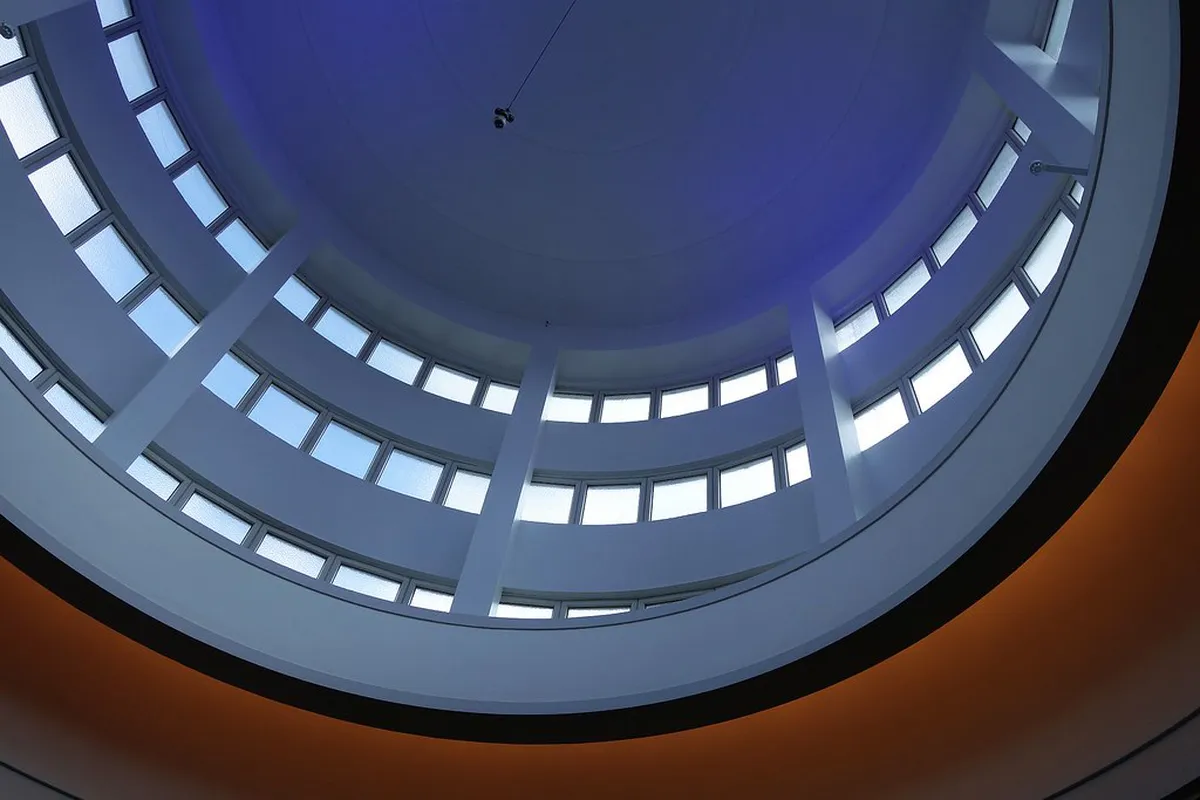
Bergen, Norway, offers a rich tapestry of architectural wonders. Among these, the KODE Art Museums stand out. This guide explores the fascinating KODE Art Museums Bergen architectural design. You will discover unique styles from different eras.
KODE combines four distinct buildings along Rasmus Meyers allé. Each structure tells its own historical story. Prepare to delve into magnificent design and artistic heritage. Plan your visit to these iconic Bergen attractions in 2026.
The KODE Complex: A Blend of Bergen's Architectural Styles
Turn this guide into a personal route with our free Bergen itinerary planner.
KODE Art Museums encompass four significant buildings. They showcase a remarkable range of architectural periods. This collection reflects Bergen's rich design history. Each museum provides a distinct visual experience.
These buildings stand prominently in the city center. They form a cultural hub near Lille Lungegårdsvannet lake. Visitors can explore their exteriors and interiors. This offers a comprehensive view of Bergen's architectural evolution.
Understanding their individual designs enhances your visit. From grand facades to intricate details, each is unique. The collective KODE Art Museums Bergen architectural design tells a compelling story. It speaks of art, history, and urban development.
KODE 3 (Permanenten): Neoclassical Grandeur
KODE 3, Permanenten, is a true architectural gem. It opened in 1896 as the West Norway Museum of Decorative Art. This building embodies magnificent Neoclassical style. Architect Henry Schirmer designed it.
The facade features grand columns and intricate stonework. It projects an aura of stately elegance. Inside, high ceilings and spacious halls create an open feel. The building's layout emphasizes classical proportions.
Permanenten originally housed significant art collections. Today, it hosts rotating exhibitions and special events. Its enduring design remains impressive in 2026. This historical structure is a key part of Bergen's historic architectural fabric.
KODE 2 (Rasmus Meyer Collection): National Romanticism
KODE 2 showcases the unique National Romantic style. This building was completed in 1917. Architect Ole Landmark designed this impressive structure. It was built specifically for Rasmus Meyer’s art collection.
The architecture reflects traditional Norwegian elements. You will notice strong, rustic forms and natural materials. Dark stone and timber are prominent features. These aspects create a distinct national identity.
Inside, the museum features intimate galleries. They complement the collection's focus on Edvard Munch. The design ensures a harmonious viewing experience. This building is a splendid example of notable Bergen architects' works.
KODE 1 (Stenersen): Modernist and Functionalist Forms
KODE 1, the Stenersen Collection, represents Modernist design. It was finished in 1938. This building contrasts sharply with older KODE structures. It reflects the functionalist movement's principles.
Architect Ole Landmark, again, designed this one. He opted for clean lines and unadorned surfaces. Large windows allow ample natural light. The building emphasizes utility and simplicity over ornamentation.
This design choice creates a contemporary feel. It provides a perfect setting for modern art. The internal spaces are adaptable and open. KODE 1 is a significant example of modern architecture in Bergen.
KODE 4 (Lysverket): Art Deco Influences
KODE 4, Lysverket, once housed the city's power company. It was completed in 1938. The building showcases elegant Art Deco influences. Its design balances grandeur with a modern touch.
Architect Erling Ross designed this distinctive structure. Look for geometric patterns and streamlined forms. The building's original function as a utility office is reflected. It combines strength and sophisticated aesthetics.
Today, KODE 4 hosts a diverse art collection. It also includes a popular restaurant, Lysverket. This eatery offers stunning views of the lake. It is a fantastic spot to enjoy Bergen Art Deco architecture.
Frequently Asked Questions
What are the key architectural styles seen at KODE Art Museums Bergen?
The KODE complex presents a rich architectural journey. You will find Neoclassical grandeur at KODE 3. KODE 2 embodies Norwegian National Romanticism. KODE 1 features sleek Modernist forms. KODE 4 displays elegant Art Nouveau and Art Deco influences. These diverse styles highlight Bergen's varied building history.
How much does it cost to visit the KODE Art Museums in 2026?
A combined ticket for all KODE museums typically costs around 200-250 NOK. This provides access to all four buildings. Individual museum tickets may be slightly less. We recommend checking the official KODE website for current 2026 prices. Look for potential discounts for students or seniors when planning your visit.
What practical tips should I know for exploring KODE's architectural design?
Allocate sufficient time for each building. You might need 1-2 hours per museum. Wear comfortable shoes, as there is much walking. Consider a combined ticket for best value. Always verify opening hours and any special architectural exhibitions in 2026. This ensures you make the most of your KODE Art Museums Bergen architectural design exploration.
The KODE Art Museums Bergen architectural design offers a captivating exploration. These four buildings showcase diverse styles and historical periods. From Neoclassical to Modernist, each tells a unique story. Discover Bergen’s rich cultural and artistic heritage. Plan your inspiring visit to these magnificent structures today and enjoy a blend of architecture and culture.
Key Takeaways
- KODE features four distinct architectural styles in one complex.
- Allocate a full day to properly explore all KODE museum buildings.
- Check 2026 opening hours and ticket prices on the official KODE website.