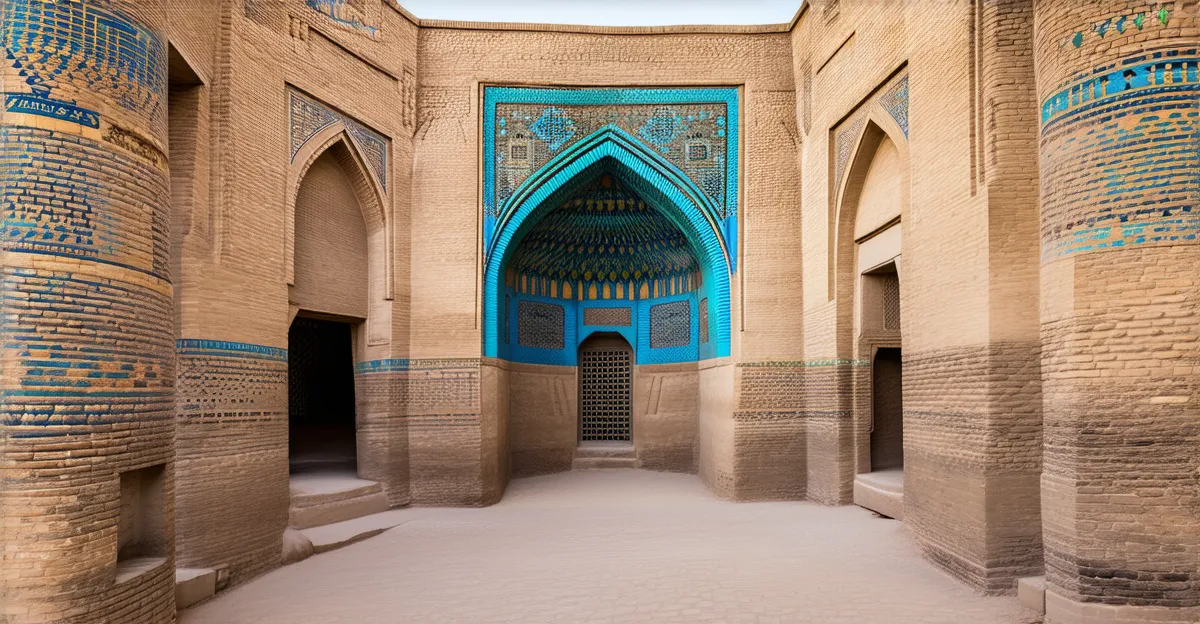
Khiva, with its stunning ancient architecture and rich history, is a gem in Uzbekistan's oasis. This itinerary will guide you through the enchanting city, from exploring its historic medressas to enjoying local delicacies. You'll discover why Khiva is often considered one of the highlight destinations along the Silk Road, allowing you to experience both its grandeur and charm in just three days. If you're planning a broader Uzbekistan trip in 2026, consider combining this with our 3-day Bukhara itinerary for a complete Silk Road experience.
Key Takeaways
Turn this guide into a personal route with our free Khiva itinerary planner.
- Day 1: Explore the UNESCO World Heritage site, Itchan Kala, visiting the Kalta Minor Minaret, the Kunya-Ark Fortress, and the beautiful Tash Khauli Palace.
- Day 2: Delve into Khiva's culture with a visit to the Muhammad Amin Khan Medressa, followed by a culinary experience at a traditional Uzbek restaurant.
- Day 3: Take a day trip to see ancient fortresses like Ayaz Kala and the ruins at Toprak Kala, experiencing the history of the Khorezm region.
- Best Time: April to June and September to October are the best months for pleasant weather and fewer tourists.
- Travel Tips: Use local taxis or rent bicycles to navigate the compact city easily, and be mindful of cultural etiquettes.
Recommended reading to enhance your Khiva experience
- Bukhara Itinerary: A Journey Through Time in 2026 - Map out your exploration
- Samarkand Itinerary: Complete Guide for 2026 - Continue your Silk Road journey
Day 1: Discover the Old City of Itchan Kala
Welcome to Day 1 of your Khiva itinerary 3 days, where you'll delve into the mesmerizing charm of Itchan Kala, the Old City of Khiva. As you stroll through this UNESCO World Heritage site, you will find that each corner reveals a rich tapestry of history, architectural marvels, and vibrant culture. Itchan Kala is not just a place; it's an experience that transports you back in time. Enclosed within towering mud-brick walls that stretch over 2 kilometers, the inner city contains more than 50 historic monuments and 250 traditional houses, making it one of the best-preserved examples of a Central Asian medieval city.
Begin your exploration at the Mohammed Amin Khan Medressa, a majestic structure that reflects the exquisite craftsmanship of Islamic architecture. This medressa, which is the largest in Khiva, features intricate tile work and breathtaking arches that are a feast for the eyes. Built between 1851 and 1855, the medressa once housed 125 students in its 130 cells, and today it serves as a boutique hotel — one of the most unique accommodation options in all of Uzbekistan. Additionally, consider climbing up to the rooftop for panoramic views of the Old City; you'll be rewarded with stunning sights over the city's skyline.
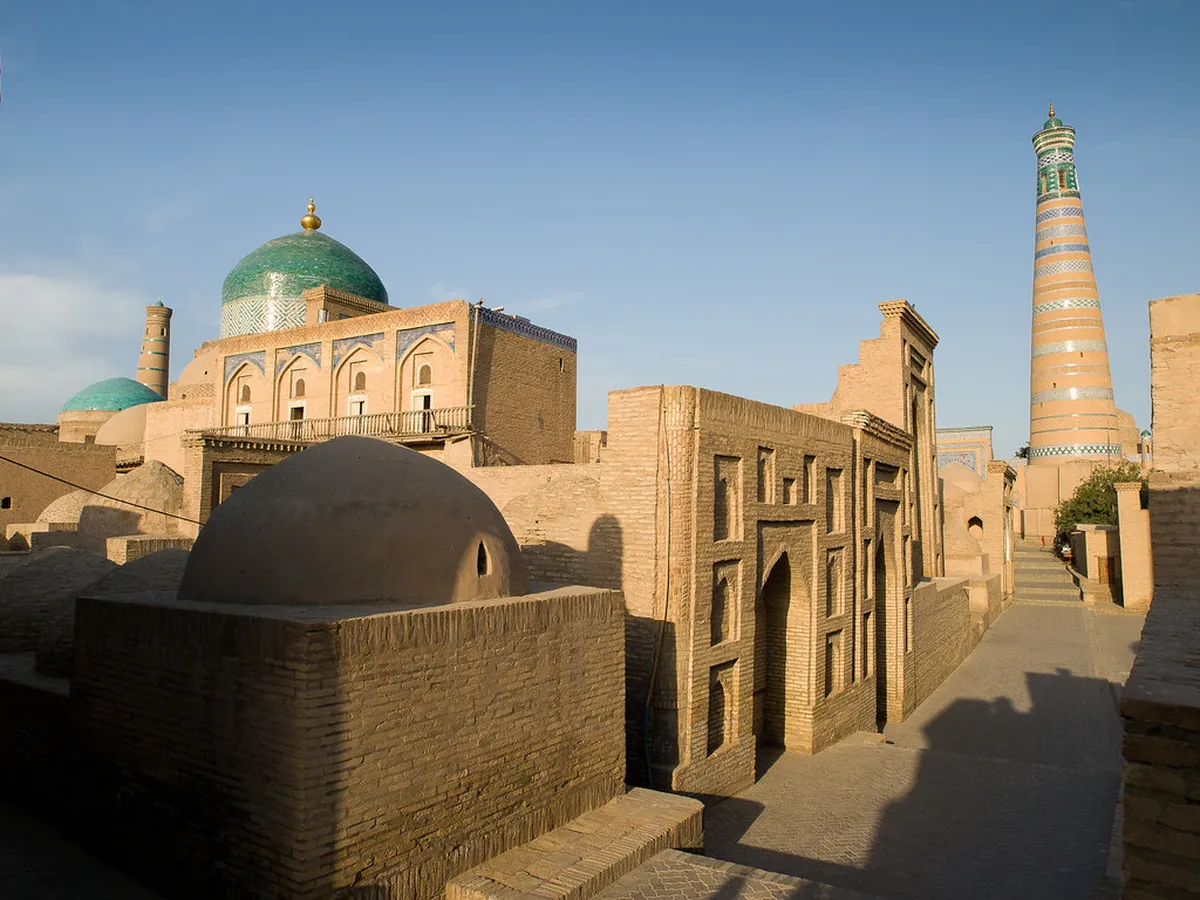
Following your visit to the medressa, take a leisurely walk to the Kalta Minor Minaret. This iconic tower, which is known for its unique, unfinished structure, stands proudly at the entrance to Itchan Kala. Although it wasn't completed, its striking turquoise tiles and distinctive design make it an excellent photo opportunity. The minaret was commissioned by Muhammad Amin Khan in 1852 with the ambitious goal of making it the tallest in the Muslim world, but construction halted after the khan's death in 1855. While you're there, don't miss the chance to capture images of local vendors selling traditional handicrafts in the surrounding area.
Pro Tip: Early mornings or late afternoons are the best times to visit these landmarks to avoid the sweltering heat and enjoy softer lighting for photography. The golden hour light against the turquoise tiles creates spectacular photo opportunities you won't find anywhere else along the Silk Road.
After discovering the sights, indulge yourself at a local eatery to enjoy a traditional Uzbek lunch. Try the plov, a fragrant rice dish complemented with meat and vegetables; it's a must-try for any traveler. In Itchan Kala, you can find charming cafes where you'll savor authentic flavors and welcoming hospitality. For a truly local experience, look for places where Uzbek families are dining — this is often the best indicator of quality and value.
Post-lunch, make your way to the Kunya Ark Citadel. This fortress served as the residence for the Khiva rulers and grandeur is evident everywhere you look. Wander through its numerous chambers and learn about the rich history of the Khivan khans. The view from the citadel's wall is spectacular, providing a unique perspective of the maze-like streets of Itchan Kala. Don't miss the Throne Room (Kurinish-khana), where the khan once received guests and made judicial decisions, as well as the summer mosque with its beautifully painted ceiling.
Your Day 1 Itinerary Overview
| Time | Activity | Notes |
|---|---|---|
| 9:00 AM – 10:30 AM | Visit Mohammed Amin Khan Medressa | Check out the rooftop for panoramic views |
| 10:30 AM – 11:30 AM | Explore Kalta Minor Minaret | Perfect spot for stunning photographs |
| 11:30 AM – 1:00 PM | Lunch at a local cafe | Don't miss trying authentic Plov |
| 1:00 PM – 3:00 PM | Discover Kunya Ark Citadel | Be prepared for an intriguing history |
| 3:00 PM – 4:30 PM | Tash Khauli Palace | See the harem quarters and courtyards |
To conclude your day at Itchan Kala, as the sun dips below the horizon, you may want to visit the Tash Khauli Palace, the lavish residence built between 1830 and 1838 for Alla Kuli Khan. The palace is divided into three sections — the harem, the reception hall, and the court of law — and features some of the most beautiful tile work in all of Khiva, with 163 elaborately decorated rooms. Afterward, head to the Islambuli Sahib Mosque to experience tranquility amidst your bustling day. If you're looking for additional activities on the following days, our Khiva Itinerary provides excellent options.
Ultimately, Day 1 of your Khiva itinerary 3 days sets a rich foundation for the adventures that lie ahead. Through exploring the historical gems nestled in the Old City, you will cultivate a deeper appreciation for Khiva's cultural heritage and prepare for more exciting discoveries in the days to come. So, strap on those walking shoes and embrace the allure of this ancient city!
Your trip to Khiva starts here
- Tashkent Itinerary: Gateway to Uzbekistan in 2026 - Start your Uzbekistan adventure
Day 2: Cultural Explorations and Local Cuisine
Welcome to Day 2 of your Khiva itinerary 3 days, where we will delve into the rich tapestry of cultural experiences and delectable local cuisine that this historic city has to offer. Known for its stunning architecture and vibrant markets, Khiva is a place where tradition and modernity coexist beautifully. Therefore, dedicating a day to experience its cultural gems and culinary delights is absolutely essential.
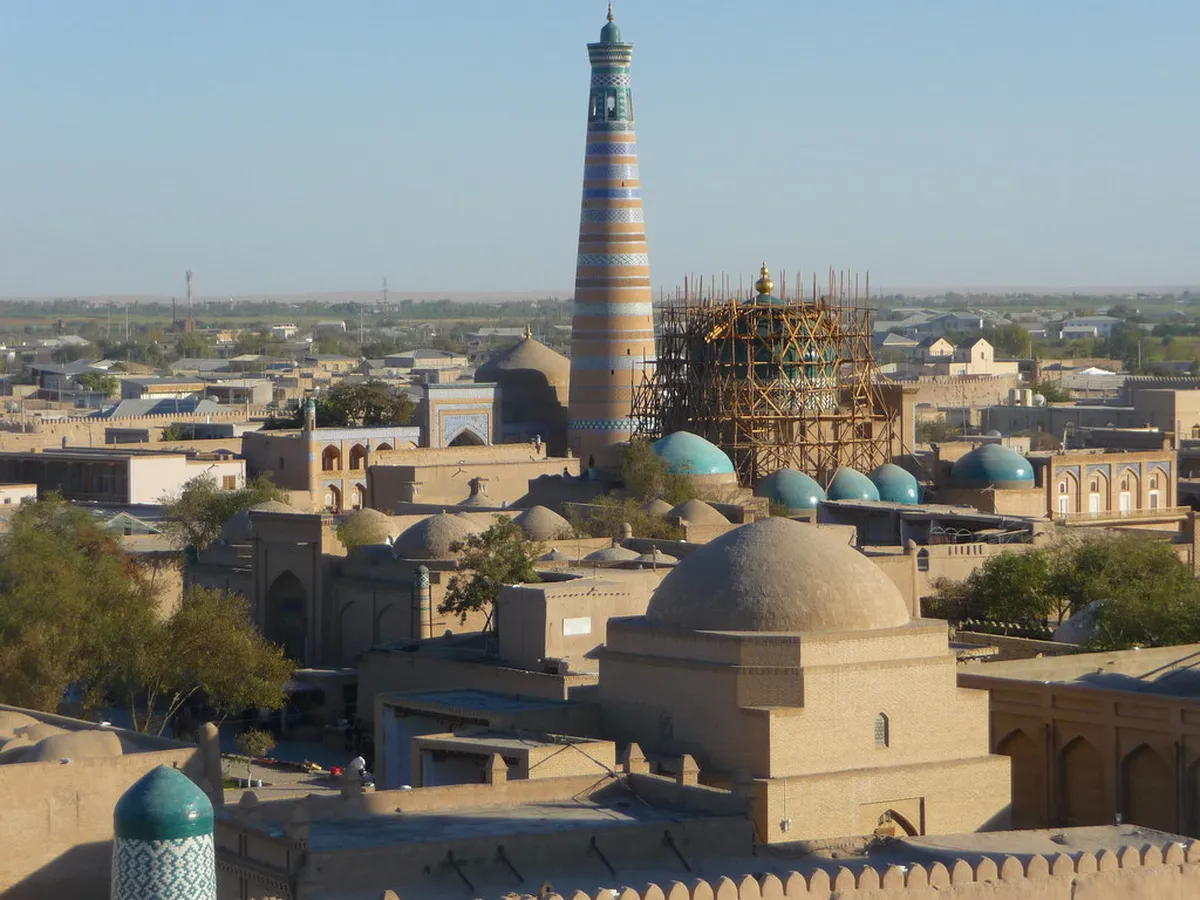
Begin your morning at the Islam Khoja Minaret, the tallest in Khiva, standing proudly at 57 meters. It's an architectural marvel, and you can even climb its 100 steps for a breathtaking panoramic view of the ancient city. Built in 1910, it is actually the newest major monument in Itchan Kala, yet its traditional Timurid design blends seamlessly with the surrounding centuries-old structures. The minaret is an iconic symbol of Khiva and sets the stage for what's to come. After enjoying the view, take a leisurely stroll through the adjacent Islam Khoja Medressa, which houses a traditional courtyard and elaborately tiled walls. The medressa now functions as the Museum of Applied Arts, displaying an impressive collection of Khorezm textiles, woodcarving, and metalwork dating from the 16th to 20th centuries.
Next, make your way to the Khiva Bazaar. This vibrant market showcases local crafts such as handwoven carpets, ceramics, and embroidered textiles. Here, you can engage with local artisans and purchase unique souvenirs that reflect the city's heritage. Engaging with the locals is encouraged, as their stories can give you deeper insight into Khiva's history and culture. Ensure you try some of the traditional sweets available at the market, such as halva or chak-chak, which will certainly delight your taste buds. In 2026, the bazaar has expanded its artisan section, with more workshop demonstrations where you can watch carpet weavers and woodcarvers at work.
Pro Tip: Don't hesitate to bargain when shopping at the bazaar; it's a part of the local culture that many visitors enjoy! A good starting point is to offer about 60-70% of the asking price and negotiate from there.
By noon, it's time to experience the culinary heritage of Khiva. Consider booking a lunch at a local chaikhana (tea house) where you can sample authentic plov, a delicious rice dish simmered with meat and vegetables. Pair this with a refreshing ayran, a yogurt drink that cools you down on warm days. For a uniquely Khivan specialty, try shivit osh — green noodles made with dill and served with a meat sauce. This dish is a Khorezm regional favorite that you won't find as commonly in Samarkand or Tashkent. Enjoying a meal in a local tea house allows you to soak in the vibrant atmosphere surrounding you while enjoying local delicacies.
After lunch, immerse yourself in local traditions by visiting some of the museums scattered throughout the city. The Kunya-Ark Fortress, once the residence of Khiva's rulers, now offers visitors a glimpse into the past. Explore its well-preserved walls and museums showcasing artifacts from various periods of Khiva. Additionally, you can visit the Museum of The History of Khiva, where ancient manuscripts and art pieces tell stories of the region's rich history and cultural evolution. The museum's collection of Khorezm ceramics is particularly noteworthy, featuring pieces that trace the evolution of pottery techniques across more than a thousand years.
| Time | Activity | Notes |
|---|---|---|
| 9:00 AM – 10:30 AM | Visit Islam Khoja Minaret | Climb for a fantastic view of Khiva |
| 10:30 AM – 12:00 PM | Explore Khiva Bazaar | Shop for local crafts and souvenirs |
| 12:00 PM – 1:30 PM | Lunch at a local chaikhana | Experience authentic Uzbek cuisine |
| 1:30 PM – 3:00 PM | Visit Kunya-Ark Fortress | Discover the history of Khiva's rulers |
| 3:00 PM – 5:00 PM | Explore Museum of The History of Khiva | Learn about ancient artifacts |
As the afternoon winds down, consider ending your day with a traditional cultural performance if available. Local musicians and dancers often showcase their talents in various venues, and in 2026, Khiva has introduced regular evening performances inside the courtyard of the Mohammed Rakhim Khan Medressa. This experience will not only entertain you but also deepen your appreciation for Khiva's cultural landscape. To maximize your stay in this enchanting city, refer to our Comprehensive Khiva Itinerary for further information. Should you wish to explore more, our Extended Khiva Itinerary provides additional insights into hidden gems and off-the-beaten-path experiences.
Ultimately, Day 2 of your Khiva itinerary 3 days promises to be a memorable blend of cultural explorations and culinary indulgence. As you savor the city's local flavors and delve into its rich history, you will undoubtedly find yourself enchanted by Khiva's timeless charm.
Don't miss these guides for Khiva
- Bukhara 5-Day Itinerary: Extended Silk Road Exploration - Continue your Uzbekistan journey
Day 3: Day Trip to Khorezm Region and Beyond
Welcome to the final day of your Khiva itinerary 3 days, where you will embark on an exhilarating day trip to the scenic Khorezm Region. This area, rich in history and natural beauty, offers a blend of culture, adventure, and unique experiences that will leave you captivated. Hence, this day serves as the perfect culmination of your journey through Khiva and its enchanting surroundings.
Your day begins bright and early with a hearty breakfast. After fueling up, set off to explore the Khorezm Region, which is renowned for its ancient citadels and breathtaking landscapes. A must-visit site is the impressive Ayaz Kala, an ancient fortress dating back to the 4th century BC. Nestled in a stark desert setting, this archaeological gem provides not just a glimpse into the region's storied past but also stunning views of the surrounding terrain. The complex actually consists of three separate fortresses built across different centuries, with the oldest perched dramatically atop a flat-topped hill overlooking the Kyzylkum Desert. As you wander through its ruins, take a moment to reflect on the remarkable history that echoes through these walls. In 2026, a new visitor information center near Ayaz Kala provides context on the Zoroastrian heritage of the region, making the visit even more enriching.
Pro Tip: Bring a camera to capture the striking contrasts of the ancient fortress against the vast desert backdrop. The early morning light adds a magical quality to your photos. If time allows, consider spending a night in one of the traditional yurt camps near Ayaz Kala for an unforgettable stargazing experience in the desert.
After visiting Ayaz Kala, continue your journey to Toprak Kala, another ancient citadel. This site showcases fascinating remnants of an early city, including walls and pottery shards. Toprak Kala served as the capital of Khorezm from the 1st to the 6th century AD and was home to an estimated 2,500 residents at its peak. Archaeologists have uncovered a royal palace with elaborately decorated halls, including the "Hall of Kings" featuring clay sculptures of Khorezmian rulers. Here, you can truly appreciate the unique architectural styles and the craftsmanship of ancient Khorezm. Consider hiring a local guide to enhance your understanding of the history and significance of these archaeological sites.
| Time | Activity | Notes |
|---|---|---|
| 7:00 AM – 8:00 AM | Breakfast at Hotel | Try traditional Uzbek dishes |
| 8:00 AM – 10:00 AM | Travel to Ayaz Kala | Enjoy scenic desert landscapes |
| 10:00 AM – 12:00 PM | Explore Ayaz Kala | Wear comfortable shoes for walking |
| 12:00 PM – 1:30 PM | Lunch at Local Restaurant | Taste local dishes and sharbat |
| 1:30 PM – 3:00 PM | Visit Toprak Kala | Bring a guide to learn more |
| 3:00 PM – 4:30 PM | Free Time for Exploration | Explore the surrounding area |
| 4:30 PM – 6:00 PM | Return to Khiva | Relax and reflect on your trip |
As the afternoon sun begins to dip, it's time to make your way back to Khiva. Use this opportunity to unwind and think about all the sights you've seen. Once back in Khiva, treat yourself to a final dinner at a traditional restaurant. This is the perfect setting to enjoy hearty dishes like plov while recounting the adventures of your trip. For your farewell dinner, consider trying tukhum barak, delicate egg-filled dumplings that are a Khorezm specialty rarely found outside this region.
In conclusion, Day 3 of your Khiva itinerary 3 days offers a fulfilling adventure beyond the city, inviting you to experience the rich heritage of the Khorezm Region. The ancient fortresses and their stories are not merely remnants of time; they are vivid reminders of the artistry and strength of civilizations long gone. To further enrich your travel plans, explore our Khiva Itinerary for more insights or consider extending your experience with our 5-Day Khiva Itinerary. If you're continuing your Uzbekistan journey, our Bukhara itinerary is the natural next stop along the Silk Road. Enjoy the memories you've created during your unforgettable journey!
Best Time to Visit: Seasonal Highlights for Your Khiva Itinerary
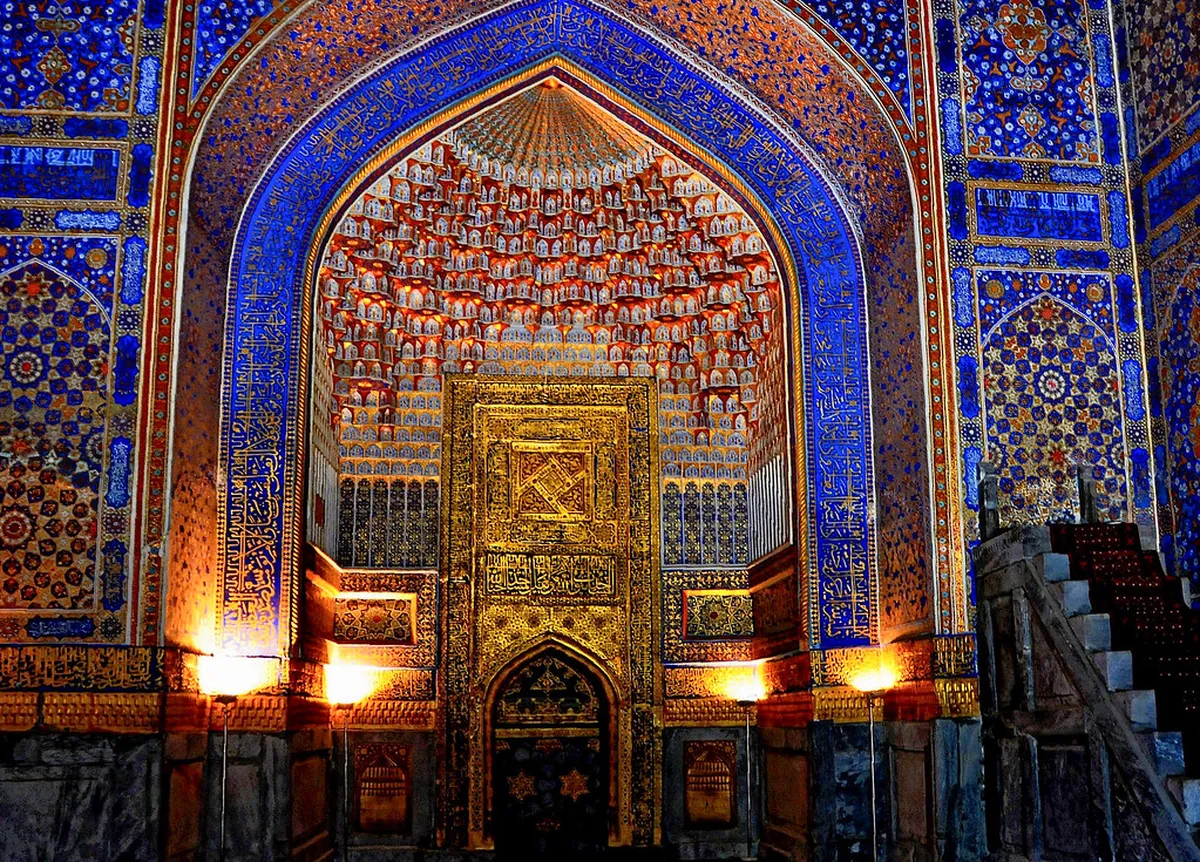
Planning the perfect Khiva itinerary 3 days involves understanding the best times to visit this historical gem. Khiva, with its intricate mosaics and ancient architecture, is a place where the seasons greatly influence your travel experience. Depending on your preferences, each season offers distinct charm and variety, making the timing of your journey crucial.
In terms of climate, the ideal months to visit Khiva are during the spring (March to May) and autumn (September to November). During these periods, the weather is pleasantly mild, allowing you to explore the Old City comfortably. Daytime temperatures generally hover around 20°C to 25°C (68°F to 77°F), so it's perfect for those scenic walks through the Itchan Kala and visits to various museums and monuments.
In spring, Khiva awakens from winter's slumber with blooming flowers and lively local festivals. This season is particularly captivating as you can witness Nowruz, the Persian New Year, which is celebrated with vibrant cultural performances and local cuisine. In 2026, Khiva's Nowruz celebrations are expected to be especially grand, with the city investing in expanded festival programming and live performances throughout Itchan Kala. Similarly, the autumn season provides stunning golden foliage, enhancing the visual appeal of the city's architectural wonders. Visitors often enjoy the Khiva International Music Festival, showcasing the region's rich musical heritage.
Summer (June to August) can be quite intense in Khiva, with temperatures soaring to over 35°C (95°F). Although you will experience fewer crowds during this time, the heat can be challenging if you are not accustomed to it. However, if you choose to travel in the summer, seek out early morning or late evening excursions, which allow for more comfortable temperatures. Moreover, the area's unique charm remains regardless of the heat, with vibrant bazaars and stunning nightly illuminations of the historic buildings. The evening light shows projected onto the walls of Itchan Kala during summer months are a relatively new addition that makes the heat worthwhile.
Pro Tip: Bring a wide-brimmed hat and sunscreen if you plan to explore during summer. Staying hydrated, alongside experiencing the less-traveled paths of Khiva, will greatly enhance your overall experience.
Winter (December to February) in Khiva brings a still beauty to the city, though it can be quite chilly, with temperatures dropping to around -2°C to 5°C (28°F to 41°F). While some attractions may have shorter hours or limited accessibility, the peace and solitude can create a uniquely intimate experience. The lack of tourists offers an incredible opportunity to enjoy Khiva at a relaxed pace, visiting the stunning Kalta Minor Minaret or other notable sites without the hustle and bustle of crowds. Winter is also when you'll find the warmest hospitality from locals, who appreciate off-season visitors and often invite travelers for tea in their homes.
Ultimately, when crafting your Khiva itinerary 3 days, consider your preferences regarding weather and crowds. To maximize your experience, ensure to check local events and weather forecasts closer to your travel date. For a more detailed exploration of your Khiva journey, you may wish to reference our Khiva Itinerary or broaden your adventure with our 5 Days Khiva Itinerary guide.
In summary, each season in Khiva brings its own blend of experiences waiting to be uncovered. Understanding when to visit will ensure your trip aligns beautifully with the rich cultural tapestry of this historic city.
Travel Tips for Your Khiva Itinerary: Getting Around and Safety
When planning your Khiva itinerary 3 days, it's essential to consider practical travel tips that will enhance your experience as you navigate this historic city. Khiva, known for its stunning architecture and rich cultural heritage, also presents unique challenges that require a bit of preparation. By following these tips, you'll ensure a safe and enjoyable visit.
First and foremost, understanding how to get around Khiva is crucial. The old city of Itchan Kala is primarily pedestrian-friendly. Many of the stunning sites, including ornate mosques and intricate madrasas, are within walking distance of each other. Therefore, wear comfortable shoes and be ready to explore on foot. Additionally, you might encounter some uneven cobblestones, so take care while walking.
If you prefer not to walk, local transportation options are available. For example, traditional tuk-tuks are a fun way to navigate between attractions. Alternatively, taxis can be found near major sites or through mobile apps like Yandex Go, which is widely used across Uzbekistan in 2026. Just be sure to agree on a price before your ride if hailing from the street, as many taxis do not have meters. For travel between cities, the new Uzbekistan high-speed rail network connects Khiva (via Urgench station) to Bukhara and Tashkent, making multi-city itineraries convenient.
Pro Tip: Carry a printed map or download an offline map on your phone, which can be particularly useful in case you lose signal or Wi-Fi while exploring. Maps.me and Google Maps both offer reliable offline maps for Khiva as of 2026.
As you explore Khiva, it's important to remain aware of your surroundings. Like any popular tourist destination, petty crime can occur, particularly in crowded areas. Keep your belongings secure and minimize the number of valuables you bring with you. Consider using a money belt or wearing a crossbody bag to deter theft.
Another aspect to keep in mind is the cultural norms in Khiva. While the city is welcoming, it is wise to dress modestly, particularly when visiting mosques and religious sites. For women, this means covering your shoulders and knees; men should also avoid shorts. Respecting cultural practices not only helps you blend in but also demonstrates your respect for the local community.
Speaking of respect, when interacting with locals, politeness goes a long way. Greetings are an important part of Uzbek culture, so a simple "Salom" (hello) can initiate a friendly exchange. Learning a few basic phrases in Uzbek or Russian can also enhance your interactions and make your trip more rewarding. As of 2026, English signage has improved throughout Khiva's main tourist areas, but outside Itchan Kala, some knowledge of Russian or Uzbek remains helpful.
For currency, the Uzbek som (UZS) is the local currency, and while some tourist shops and hotels accept US dollars, it's best to carry som for everyday purchases. ATMs are available in the new city near the Western Gate, and currency exchange offices offer competitive rates. Credit cards are increasingly accepted at hotels and larger restaurants in 2026, but cash remains essential for bazaar shopping and smaller eateries.
For emergency situations, familiarize yourself with local contacts. The local hospital and police station locations should be noted, as well as the contact number for your country's embassy or consulate. Staying informed can add an extra layer of safety to your trip.
Lastly, familiarize yourself with Khiva's seasonal climate. While Khiva can be visited year-round, summer months can become extremely hot, whereas winter might present brisk temperatures. Thus, packing appropriately for the season will ensure that you remain comfortable as you explore the city's captivating sights.
For further insights and a comprehensive guide on how to maximize your time, check out our Khiva Itinerary. Moreover, if you're planning a longer stay, our 5-Day Khiva Itinerary provides additional activities and tips.
With these travel tips in mind, your Khiva itinerary 3 days will not only be well-planned but also filled with unforgettable memories, each enhancing your cultural understanding and experience of this historic city.
Frequently Asked Questions
What is the best time to visit Khiva?
How many days are sufficient for Khiva?
What are must-visit attractions in Khiva?
How to get around in Khiva?
Are there day trips worth adding to the itinerary?
Where can I find authentic local food in Khiva?
Do I need a visa to visit Khiva in 2026?
This 3-day Khiva itinerary for 2026 highlights the city's historical treasures, delicious cuisine, and rich culture. Tailor it based on your interests to create a personalized adventure. Start planning your Khiva itinerary today and embrace the timeless beauty of this Silk Road city!
Enhance your Khiva experience with these resources
- Samarkand 3-Day Itinerary: Jewel of the Silk Road in 2026 - Plan the next leg of your Uzbekistan trip