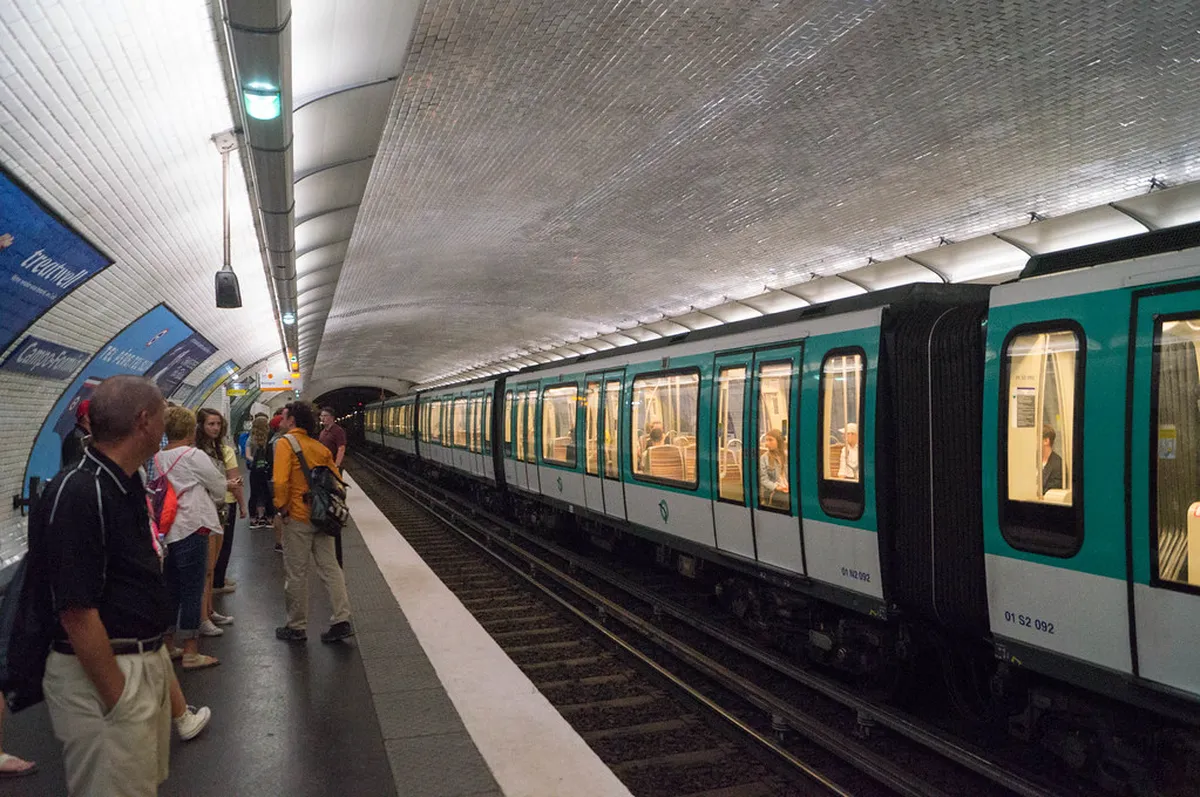
Paris is a beautiful city that is best explored by rail. The Metro system is vast and reaches almost every corner. Learning the system helps you save money and time. This guide will help you navigate like a local.
Many travelers feel overwhelmed by the many lines and colors. The stations are often busy and full of energy. You do not need to worry about getting lost. With a little preparation, you can master the underground.
We will cover everything from tickets to safety tips. You will learn the best apps to download today. This guide ensures your transit experience is completely stress-free. Let us dive into the world of Paris transit.
How to Use Paris Metro Efficiently in 2026
Quick Answer: The best way to use the system is with a Navigo Easy card and a transit app. This setup avoids paper ticket errors and saves money for most visitors.
The Paris Metro is one of the densest networks globally. It connects every major landmark with total ease. Learning the system takes just a few minutes of study. This guide shows you how to use Paris Metro efficiently today.
You will save time by following these simple steps. Avoid long lines at ticket machines with our advice. The system is fast and runs very frequently. Most trains arrive every two to five minutes.
Using the metro is much faster than taking a taxi. Traffic in Paris can be very slow during the day. The underground trains bypass all the street-level congestion. It is also the most affordable way to travel.
- Step 1: Download the Bonjour RATP app
- Time: 2 minutes
- Cost: Free
- Where: Phone App Store
- Mistake: Using outdated paper maps
- Tip: Check real-time traffic updates
- Step 2: Buy a Navigo Easy card
- Time: 5 minutes
- Cost: 2 euros plus fares
- Where: Station ticket windows
- Mistake: Buying single paper tickets
- Tip: Reload via your phone
- Step 3: Find the correct Metro entrance
- Time: 1 minute
- Cost: Free
- Where: Street level signs
- Mistake: Confusing Metro with RER
- Tip: Look for the yellow M
- Step 4: Scan your card at the gate
- Time: 10 seconds
- Cost: 1 fare
- Where: Purple target on gates
- Mistake: Forgetting to keep your card
- Tip: Wait for the green light
- Step 5: Follow the line and direction
- Time: 3 minutes
- Cost: Free
- Where: Station platform signs
- Mistake: Going the wrong way
- Tip: Know the end station name
- Step 6: Exit at your destination
- Time: 2 minutes
- Cost: Free
- Where: Blue 'Sortie' signs
- Mistake: Following the wrong exit
- Tip: Check the neighborhood map
Choosing the Best Tickets and Passes
Tickets are the most confusing part for many tourists. Paper tickets are slowly being phased out in Paris. Most travelers should choose the Navigo Easy card now. It costs two euros and holds digital tickets securely.
You can reload this card at any station machine. It works for the Metro, buses, and city trams. If you have a 1-day itinerary in Paris, buy a day pass. This provides unlimited travel within the city zones.
For longer stays, consider the Navigo Semaine pass. This weekly pass offers great value for frequent riders. It requires a small photo for the physical card. Always carry your pass to avoid heavy fines.
If you visit for one day, use a Navigo Easy. If you stay for a week, get a Navigo Semaine. This simple choice will save you a lot of money. Always validate your ticket before you enter the platform.
- Essential Items for Your Metro Trip
- Comfortable walking shoes
- A portable phone charger
- Small change for machines
- A digital map copy
- Valid ID for passes
- The Bonjour RATP app
- A light reusable bag
Navigating Stations and Finding Your Way
Stations in Paris are well-marked with colors and numbers. Each line has a specific color on the map. Line 1 is yellow and Line 4 is purple. Use these colors to quickly find your route.
Signs will show the name of the last stop. This is called the 'Direction' of the train. Check the map to see which end you need. This helps you choose the correct platform easily.
Transfers are called 'Correspondances' in the local language. Follow the orange signs to change between lines. Some transfers involve long walks through underground tunnels. Give yourself extra time when changing between lines.
Exits are marked with blue 'Sortie' signs. Large stations often have many different exit points. Check the neighborhood map near the platform first. This ensures you come out on the right street.
- Helpful Phrases for Metro Travel
- Sortie: The way out
- Billets: Tickets for travel
- Direction: The train destination
- Correspondance: Changing between lines
- Plan du quartier: Neighborhood map
- Fermé: The station is closed
- Attention: Be careful here
Safety Tips and Local Metro Etiquette
The Metro is generally very safe for everyone. However, you should always be aware of your surroundings. Keep your bags in front of you at all times. Pickpockets often target busy stations and crowded trains.
Stand on the right side of the escalator. This allows people in a hurry to pass left. Locals appreciate it when you follow this rule. It keeps the flow of traffic moving smoothly.
Always let passengers off the train first. Wait to the side of the doors until clear. This makes boarding much faster for everyone involved. Avoid blocking the doors while the train moves.
If you are going to visit Eiffel Tower quickly, avoid rush hour. The trains are very packed between 8 and 10 AM. Evening rush hour starts around 5 PM every day. Travel at midday for a much more comfortable seat.
Troubleshooting Your Paris Metro Trip
Sometimes things do not go as planned underground. Tickets can occasionally fail at the turnstiles. Do not try to jump over the gates. Look for a staff member at the glass booth.
The system runs from early morning until late night. Most lines close around one in the morning. Weekends often have slightly longer operating hours. Always check the last train for your specific line.
Construction can cause some stations to close temporarily. The app will show these closures in real-time. You can also see posters at the station entrance. Follow the suggested detour to reach your destination.
If you lose an item, visit the lost office. It is located at the Gare de Lyon station. Keep your ticket until you leave the station. Inspectors may ask to see it at any time.
- How to Fix Common Metro Problems
- Demagnetized paper ticket issues
- Getting on the wrong direction
- Exiting at the wrong station
- Dealing with unexpected strikes
- Finding elevators for heavy luggage
- Lost items in the carriage
- Gates not reading your card
Frequently Asked Questions
What is the cheapest way to use the Metro?
The cheapest way is buying a pack of ten digital tickets. These are loaded onto a Navigo Easy card. It costs much less than buying single tickets.
Does the Paris Metro run 24 hours a day?
No, the Metro does not run all night. It usually opens at 5:30 AM and closes around 1:15 AM. On weekends, it stays open an hour later.
Can I use my credit card to pay at the gate?
You cannot tap a credit card directly at the gate yet. You must buy a ticket or use the RATP app. Use your card at the machine instead.
Using the Paris Metro is the best way to see the city. It is efficient, affordable, and easy to learn quickly. Remember to get your Navigo card before you start. You will enjoy the city much more with this knowledge.
Whether you go to the Louvre in 2 hours or explore Montmartre, the Metro is your friend. Stay alert and follow the signs for a great trip. Paris is waiting for you to explore its streets. Have a wonderful time in the City of Light.
Related reads: blog, paris one day walking route.