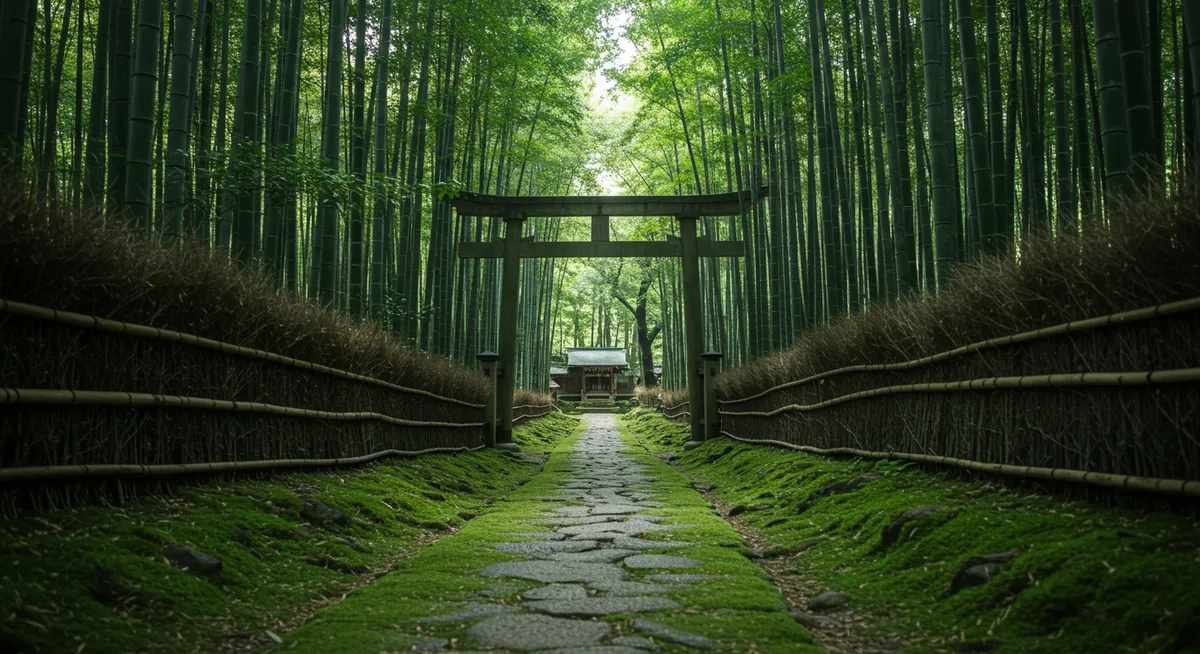
TL;DR: Nara is far more than deer and Todai-ji. This 2026 guide reveals 15 hidden gems across tranquil gardens, historic Naramachi, elevated viewpoints, off-radar temples, local food streets, and seasonal nature spots — complete with practical tips on how to reach each one and the best times to visit.
After dozens of visits to Nara across every season, we can confirm that the city's most unforgettable moments happen away from the selfie-stick crowds at the deer park. While Todai-ji and Kasuga Taisha deserve their fame, Nara's real magic lives in moss-covered stone paths, centuries-old merchant houses, and hilltop panoramas that most visitors never discover. This guide shares the hidden gems in Nara Japan that locals cherish — updated for 2026 with current access details, seasonal tips, and insider recommendations.
Secret Gardens and Tranquil Temple Grounds
Turn this guide into a personal route with our free Nara itinerary planner.
Nara's lesser-known gardens rank among the finest in the Kansai region, yet they see a fraction of the foot traffic that Kyoto's famous gardens attract. Isuien Garden, a meticulously preserved Meiji-era strolling garden, uses "borrowed scenery" (shakkei) to frame Mount Wakakusa and the roofline of Todai-ji within its landscape design. The adjoining tea house serves matcha with a view that rivals any in Japan. Right next door, Yoshikien Garden is divided into three distinct sections — a pond garden, a moss garden, and a tea-ceremony garden — and remains free for international visitors in 2026, making it one of the best-value hidden gems in Nara Japan.
Further afield, Shin-Yakushi-ji Temple sits in a quiet residential neighborhood southeast of the main park. Founded in 747 AD, it houses twelve magnificent Heavenly General statues (Juni Shinsho) that encircle a serene Yakushi Nyorai Buddha — an experience that feels intensely personal compared to the crowded halls of the bigger temples. If you are planning a longer stay, our 3-day Nara itinerary maps out how to fit these quieter spots between the major landmarks.
Naramachi: Nara's Historic Merchant District
Just south of Sarusawa Pond, the narrow lanes of Naramachi (ならまち) transport you to Edo-period Japan. This former merchant quarter is a living neighborhood of beautifully preserved machiya townhouses, many of which have been converted into craft workshops, artisan cafes, and small museums. Unlike purpose-built tourist streets, Naramachi feels genuinely residential — laundry dries on second-floor balconies, and neighborhood cats doze on warm stone walls.
Key stops within Naramachi include Naramachi Koshi-no-Ie, a free-entry restored townhouse that demonstrates the ingenious narrow-but-deep layout of traditional merchant homes. The Naramachi Mechanical Toy Museum (Karakuri Omocha-kan) delights visitors of all ages with handmade wooden automata. Look for the red cloth charms (migawari-zaru) hanging outside homes — these monkey-shaped talismans are a unique Naramachi tradition believed to ward off misfortune.
For lunch, duck into one of the neighborhood's family-run restaurants for kakinoha-zushi (persimmon-leaf-wrapped sushi), a Nara specialty you won't find easily elsewhere. Our guide to the best restaurants in Nara for lunch covers additional local favorites worth seeking out.
Elevated Viewpoints Most Visitors Miss
Some of Nara's most breathtaking scenery requires a short uphill walk that the majority of tourists skip. Mount Wakakusa (Wakakusayama) rises 342 meters on the eastern edge of Nara Park. The summit trail takes about 30 minutes and rewards you with a sweeping 360-degree panorama — the ancient cityscape to the west, forested mountains in every other direction, and on clear days, the distant skyline of Osaka. Visit at golden hour for the best light, and note that the mountain hosts the spectacular Yamayaki grass-burning festival each January.
Nigatsu-do Hall, perched on a hillside within the Todai-ji complex, offers arguably the finest free sunset viewpoint in all of Nara. Its broad wooden balcony looks out over the park treetops and the city beyond. Despite being part of the Todai-ji precinct, far fewer visitors make it up the stone staircase — especially in the late afternoon when the light is at its most dramatic. The hall is also the site of the famous Omizutori water-drawing ceremony held each March, one of Japan's oldest continuously performed rituals.
Off-the-Radar Temples and Shrines
Beyond the UNESCO headliners, Nara shelters dozens of temples and shrines where you can experience genuine spiritual calm. Gangoji Temple, itself a UNESCO World Heritage site tucked within Naramachi, receives remarkably few visitors despite housing roof tiles that date back to the Asuka period (6th century) — some of the oldest architectural elements in Japan. The temple's compact stone garden, studded with thousands of miniature stone Buddhas, creates an atmosphere unlike anywhere else in the city.
Byakugo-ji Temple, a 15-minute walk south of Shin-Yakushi-ji, is known as the "flower temple" for its year-round botanical displays. Camellia blossoms in winter, wisteria in spring, hydrangea in early summer, and bush clover (hagi) in autumn make every visit feel different. The temple's thatched-roof main hall and peaceful pond garden are genuinely photogenic without a single tourist barrier or queue.
Toshodai-ji Temple, a 10-minute bus ride west of central Nara, was founded by the Chinese monk Ganjin in 759 AD. Its Golden Hall is considered one of the finest examples of Nara-period architecture surviving today. The grounds are especially beautiful in early June when thousands of lotus blossoms fill the temple's pond. If you are visiting from Kyoto, our Nara day trip from Kyoto guide explains the fastest routes and train passes to maximize your time.
Local Food Streets and Culinary Secrets
Nara's food scene has evolved significantly, and several hidden culinary pockets deserve attention in 2026. Higashimuki Shopping Street and the connected Mochiidono Center Street are covered arcades where locals shop and eat — expect mochi specialty shops, matcha soft-serve stands, and tiny izakayas that fill up with office workers by 6 PM.
Seek out kuzu (Japanese arrowroot) dishes, a Nara culinary tradition dating back over a thousand years. Yoshino kuzu is prized nationwide, and Nara restaurants serve it in forms ranging from translucent noodles to delicate sweets. Another must-try is narazuke, vegetables pickled in sake lees that develop a complex, funky flavor unique to the region. Several shops along Sanjo-dori offer tastings and make excellent souvenirs.
For a sit-down meal, the residential streets south of Kintetsu Nara Station hide several acclaimed farm-to-table restaurants that showcase Yamato vegetables — heritage produce varieties cultivated in the Nara basin for centuries.
Seasonal Nature Spots and Hidden Trails
Nara's natural beauty shifts dramatically with the seasons, and knowing where to go when separates a good visit from an extraordinary one. In spring (late March to mid-April), skip the crowded Nara Park cherry trees and instead head to Mount Yoshino, about 90 minutes south by train, where 30,000 cherry trees blanket an entire mountainside in pink — widely considered the most spectacular hanami site in Japan.
Closer to central Nara, the Kasugayama Primeval Forest — a UNESCO-protected old-growth forest directly behind Kasuga Taisha — offers hiking trails through ancient cedar and cypress groves. This forest has been sacred and untouched for over a thousand years, creating an ecosystem that feels primordial. The Mikasayama trail loop takes about 90 minutes and passes moss-covered stone lanterns deep in the woods.
In autumn, Nara Park's lesser-visited eastern edges near Tobihino meadow turn golden-red without the crowds that gather around the main pond. Winter visitors should not miss the early morning mist that rises from the park's grass fields — combined with the deer silhouettes, it creates scenes that look like traditional ink paintings. If you are staying overnight, our guide to accommodation near Nara Station covers the best options for early-morning exploration.
Frequently Asked Questions
Are Nara's hidden gems difficult to reach without a car?
What is the best time of year to visit Nara's hidden spots in 2026?
How many days do I need to explore Nara's hidden gems?
Is Naramachi free to visit?
Can I combine Nara's hidden gems with a day trip from Osaka or Kyoto?
Nara rewards the curious traveler who ventures beyond the famous deer and towering Buddha. From the moss-covered silence of Gangoji Temple to the panoramic sunset at Nigatsu-do, from the artisan charm of Naramachi to the primordial forest trails behind Kasuga Taisha, these hidden gems in Nara Japan reveal a city of extraordinary depth. Whether you have a single afternoon or a full week in 2026, carving out time for these quieter corners will transform your Nara experience from a standard sightseeing stop into something genuinely unforgettable.