Dijon remains one of the most accessible UNESCO World Heritage sites for travelers arriving by high-speed train from Paris. The compact city center allows you to experience centuries of history and world-class gastronomy in just a few hours.
This half day in Dijon itinerary ensures you see the most significant landmarks without feeling rushed through the streets. You can easily walk between every major site while enjoying the unique atmosphere of the capital of Burgundy.
The Owl’s Trail: Navigating the Historic Center
Turn this guide into a personal route with our free Dijon itinerary planner.
The best way to explore the heart of the city is by following the famous brass markers embedded in the pavement. Known as the Parcours de la Chouette, this self-guided route leads you to twenty-two essential stops across the historic district.
You should begin your journey at the Porte Guillaume arch, which stands as a grand entrance near the Darcy garden. Many travelers find it helpful to learn how to follow the Dijon owl trail before they arrive.
Walking along this path reveals stunning Renaissance townhouses and hidden courtyards that most tourists might otherwise overlook during their visit. The trail is designed to be flexible, allowing you to stop for photos or coffee whenever a specific building catches your eye.
Keep your eyes on the ground for the triangular brass plates featuring the iconic owl symbol that guides your every step. This route provides a perfect introduction to the architectural diversity that makes the center of Dijon so visually captivating for visitors.
Palace of the Dukes and the Musée des Beaux-Arts
The Palace of the Dukes of Burgundy serves as the majestic centerpiece of the city and houses the local government today. Within its eastern wing, you will find the Musée des Beaux-Arts, which is one of the oldest art museums in France.
Visitors can explore the grand tombs of the Valois Dukes, which feature intricate marble carvings and significant historical importance. You will find that Dijon on a budget is easy because the permanent collections here are free to enter.
If you have extra time, consider climbing the Philippe Le Bon tower for a panoramic view of the entire city skyline. The climb involves three hundred and sixteen steps, so it requires a moderate level of physical fitness to reach the top.
You should check the Official Booking Site: Destination Dijon to secure your spot for the tower climb in advance. This landmark represents the immense power once held by the Burgundy region during the late Middle Ages and the Renaissance period.
Notre-Dame of Dijon and the Sculpted Owl
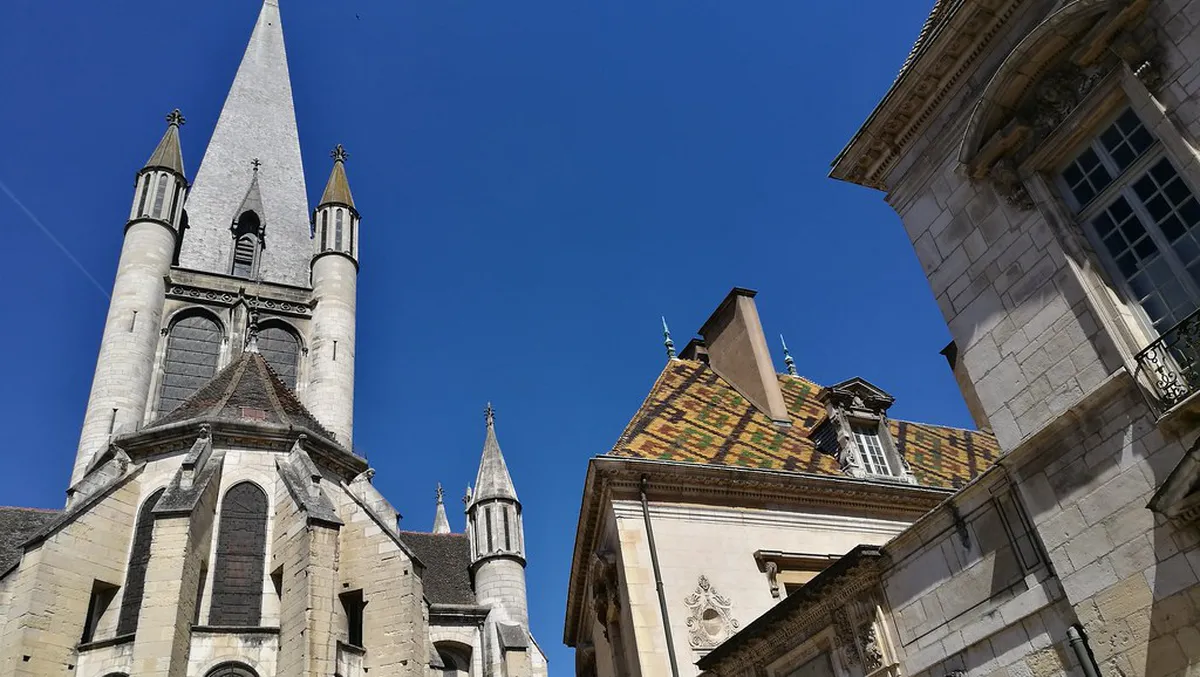
The Church of Notre-Dame is a masterpiece of 13th-century Gothic architecture that features a unique facade of decorative gargoyles. Unlike many traditional churches, this building uses horizontal rows of stone carvings to create a striking and memorable visual impact.
On the north side of the church, you will find the small stone owl that has become the unofficial mascot of the city. Local tradition says you must touch the owl with your left hand while making a wish to ensure good luck.
Be careful not to look at the stone dragon nearby while making your wish, as legend says it could cancel your luck. The Rue de la Chouette is a charming pedestrian street filled with small boutiques and traditional shops selling local Burgundian crafts.
Look up at the church tower to see the Jacquemart clock family, which features mechanical figures that strike the bell every hour. This area of the historic center feels particularly magical in the early morning before the larger crowds begin to arrive.
Place de la Libération: Architecture and Atmosphere
Place de la Libération is widely considered one of the most beautiful public squares in all of France due to its design. The semicircular layout was created by Jules Hardouin-Mansart, who also designed many famous parts of the Palace of Versailles.
The square opens up toward the Palace of the Dukes, creating a grand sense of space and light in the city center. During the warmer months, children often play in the fountains that spray water directly from the limestone pavement of the square.
Many locals gather at the outdoor cafes to enjoy a Kir, which is a famous local aperitif made with white wine. If you are following a 1 day itinerary in Dijon, this square is the perfect place to stop for a midday meal.
The surrounding buildings feature classic French architecture with light-colored stone that glows beautifully during the golden hour before sunset. Taking a moment to sit on one of the benches allows you to soak in the vibrant atmosphere of modern Burgundian life.
Les Halles Market: Gastronomy and Mustard Tasting
The Les Halles market building is a stunning iron and glass structure designed in the style of the famous Gustave Eiffel. Inside, you will find a sensory feast of local cheeses, fresh produce, and the world-renowned mustard that bears the city's name.
While the Maille boutique is popular with tourists, visiting the Fallot shop offers a more traditional look at mustard production. You can learn more about local flavors in a Dijon wine and gastronomy itinerary to plan your culinary stops.
Tasting etiquette suggests starting with the classic spicy varieties before moving on to creative blends like blackcurrant or honey mustard. The market is most active on Tuesday, Thursday, Friday, and Saturday mornings when local farmers bring their best seasonal goods.
Be aware that the market area can be very quiet on Mondays and Wednesdays when many stalls remain closed for the day. Purchasing a jar of authentic mustard or a loaf of traditional gingerbread makes for an excellent and lightweight souvenir for your journey.
Logistics: Maximizing a Half-Day in Dijon
Arriving at the Dijon-Ville station by TGV is the most efficient way to start your short visit from Paris or Lyon. The walk from the train station to the historic center takes less than ten minutes, making it ideal for tight schedules.
If you have heavy bags, you should use the luggage lockers located inside the station to explore the city hands-free. You can find more details on how to book Philippe Le Bon tower tickets to ensure your timing is perfect.
Planning your route in advance helps you avoid the common mistake of visiting when major museums are closed on Tuesdays. A four-hour window is usually enough to walk the full Owl Trail and enjoy a quick tasting at the local market.
Travelers visiting in 2026 should check the Destination Dijon Official Site for updated festival dates and seasonal opening hours. The city is very walkable, so you will not need to use public transport once you reach the pedestrianized historic core.
- Express Half-Day Timing Guide
- Arrival: Station to Porte Guillaume (15 mins)
- Stop 1: Notre-Dame & Owl (30 mins)
- Stop 2: Palace & Museum (60 mins)
- Stop 3: Les Halles Market (45 mins)
- Relax: Place de la Libération (30 mins)
Frequently Asked Questions
Can you see Dijon in half a day?
Yes, you can see the main highlights of Dijon in about four hours because the historic center is very compact. Following the Owl Trail allows you to visit the Palace of the Dukes, Notre-Dame, and the central market efficiently. You can find more tips in our 1 day itinerary in Dijon.
Is the Musée des Beaux-Arts in Dijon free?
The permanent collections at the Musée des Beaux-Arts de Dijon are free for all visitors to enjoy throughout the year. This includes access to the magnificent tombs of the Dukes of Burgundy and various medieval art pieces. Temporary exhibitions may require a separate paid ticket for entry.
Where is the lucky owl in Dijon located?
The lucky owl is located on the north exterior wall of the Church of Notre-Dame on Rue de la Chouette. It is a small stone carving that has been worn smooth by centuries of people touching it for good luck. Remember to use your left hand when you touch it.
How do I get from the Dijon train station to the city center?
The walk from the Dijon-Ville train station to the historic center takes approximately five to ten minutes along Avenue Foch. You will arrive at Place Darcy and the Porte Guillaume arch, which marks the start of the pedestrianized district. The route is flat and very easy to navigate with luggage.
A half day in Dijon itinerary provides a surprisingly deep look into the rich history and culture of the Burgundy region. By following the Owl Trail and visiting the ducal palace, you capture the essence of this UNESCO-listed city center.
Whether you are stopping by on a train journey or visiting from Paris, the city offers a warm and welcoming experience. Pack your walking shoes and prepare to discover why this historic capital remains a favorite destination for travelers in France.