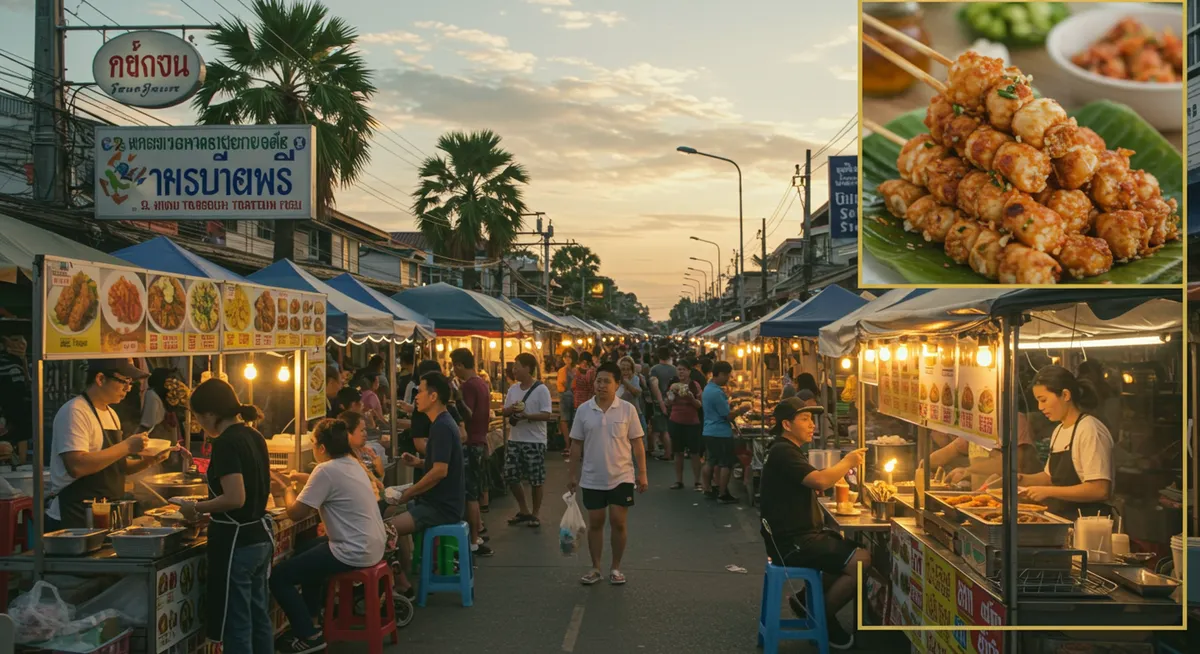
TL;DR: Hua Hin is one of Thailand's best-kept culinary secrets, offering everything from sizzling night market street food to world-class seafood restaurants at a fraction of Bangkok prices. In 2026, the food scene has expanded with new waterfront dining spots and artisan Thai kitchens, but the soul of Hua Hin's cuisine remains in its local markets, family-run shophouses, and beachside seafood shacks. This guide covers the top neighborhoods, must-try dishes, budget strategies, and practical tips for eating your way through this charming coastal city.
Why Hua Hin Is a Food Lover's Paradise in 2026
Turn this guide into a personal route with our free Hua Hin itinerary planner.
While Bangkok and Chiang Mai dominate most food travel conversations, Hua Hin has quietly built a reputation as one of Thailand's most rewarding dining destinations. Situated along the Gulf of Thailand, this royal resort town benefits from daily catches of fresh seafood delivered straight from local fishing boats, a tradition that stretches back generations. What makes eating out in Hua Hin particularly special in 2026 is the blend of old and new. Traditional market vendors who have perfected their recipes over decades now operate alongside a growing wave of chef-driven restaurants that reinterpret classic Thai flavors with modern techniques.
The cost of dining here remains remarkably affordable compared to Bangkok or the islands. A full seafood dinner for two at a well-regarded local restaurant typically costs between 400 and 800 baht, while street food meals run as low as 40 to 60 baht per dish. This combination of quality, authenticity, and value is what draws both Thai weekenders from the capital and international visitors seeking genuine culinary experiences. If you are planning your trip, check out our guide to the best time to visit Hua Hin to align your food adventures with the right season.
Top Neighborhoods and Markets for Local Food
Understanding Hua Hin's food geography is essential for making the most of your meals. The city's dining scene is spread across several distinct areas, each with its own character and specialties.
Hua Hin Night Market (Dechanuchit Road)
The Hua Hin Night Market remains the city's most iconic food destination in 2026. Running along Dechanuchit Road near the clock tower, this daily evening market transforms the street into a sprawling open-air food hall from around 5 PM until midnight. Vendors here specialize in grilled seafood skewers, crispy fried spring rolls, coconut pancakes, and rotating seasonal dishes. The market has expanded over the years, and new stalls now offer fusion dishes alongside the traditional favorites. Arrive before 6 PM to beat the crowds and secure seating at the more popular stalls. For a complete overview of shopping and market culture, see our Hua Hin night markets guide.
Chatchai Market (Hua Hin's Day Market)
Often overlooked by tourists, Chatchai Market is where locals do their daily shopping. Open from early morning through mid-afternoon, this is the place to find prepared Thai dishes at rock-bottom prices. Look for stalls selling Khao Man Gai (Thai chicken rice), Kuay Jab (rolled rice noodle soup), and Khanom Jeen (rice noodles with various curry sauces). The market also has an excellent selection of tropical fruits, dried seafood, and Thai sweets that make perfect snacks or gifts.
Soi Selakam and Naresdamri Road
These parallel streets near the waterfront have become a hub for casual dining in recent years. Small family-run restaurants here serve generous portions of home-style Thai cooking. The area is particularly known for its Isaan-influenced dishes, including Som Tum (papaya salad), Laab (minced meat salad), and Gai Yang (grilled chicken). Several of these restaurants have been operating for over 20 years, passed down through generations.
Khao Takiab Fishing Village
Located at the southern end of Hua Hin Beach near the Chopstick Hill temple, Khao Takiab is a working fishing village that doubles as a seafood dining destination. Restaurants here source their ingredients directly from the boats that dock each morning, guaranteeing the freshest possible catch. Prices are generally lower than the tourist-facing restaurants in central Hua Hin, and the waterfront views add to the experience. If you are exploring this area, consider pairing it with a visit to nearby attractions covered in our Hua Hin day trips guide.
Must-Try Dishes When Eating Out in Hua Hin
Hua Hin's culinary identity is built around fresh seafood and southern-central Thai cooking traditions. While you will find dishes from every region of Thailand here, these are the standouts that define the local food experience.
Seafood Essentials
Pla Neung Manao (Steamed Fish with Lime and Chili): This is arguably Hua Hin's signature dish. Fresh sea bass or snapper is steamed until tender, then topped with a pungent sauce of lime juice, garlic, chili, and fish sauce. The best versions use fish caught that same morning, and you can taste the difference. Expect to pay 180 to 350 baht depending on the size of the fish and the restaurant.
Goong Pao (Grilled River Prawns): Large freshwater prawns grilled over charcoal until the shells char and the meat turns sweet and succulent. They are typically served with a Jaew dipping sauce made from roasted chili, lime, and fish sauce. Night market vendors sell these on skewers, while sit-down restaurants offer them plated with rice.
Poo Pad Pong Karee (Stir-Fried Crab with Curry Powder): Chunks of fresh crab stir-fried with egg, curry powder, celery, and spring onions. The dish originated in Bangkok but has become a Hua Hin staple due to the abundance of fresh blue crab from the Gulf. It is rich, aromatic, and pairs perfectly with steamed jasmine rice.
Street Food Favorites
Kuay Teow Reua (Boat Noodles): These intensely flavored bowls of pork or beef noodle soup trace their origins to canal-side vendors in central Thailand. Served in small portions, the dark, aromatic broth is enriched with herbs, spices, and traditionally a small amount of pig's blood for depth. Many locals order three or four bowls in a sitting. Prices in 2026 remain between 15 and 25 baht per bowl.
Pad Thai: While available everywhere in Thailand, Hua Hin's versions often feature fresh shrimp pulled from local waters, which elevates the classic dish. The best Pad Thai stalls cook each portion individually in a well-seasoned wok over high heat, creating that characteristic smoky flavor known as wok hei.
Moo Ping (Grilled Pork Skewers): Marinated pork skewers grilled over charcoal, typically served with sticky rice and a sweet chili dipping sauce. These are a breakfast and snack staple, and you will find vendors selling them from early morning through late evening. At 10 to 15 baht per skewer in 2026, they remain one of the best value meals in town.
Desserts and Sweets
Khao Niew Mamuang (Mango Sticky Rice): Thailand's most famous dessert is at its peak between March and June when Nam Dok Mai mangoes are in season. Warm coconut-cream sticky rice topped with ripe mango slices and a drizzle of sweetened coconut milk is simple perfection.
Roti: Pan-fried flatbread that can be served sweet with condensed milk, banana, and chocolate, or savory with egg and curry. Roti vendors are scattered throughout the night markets and are particularly popular as a late-night snack after a long day of sightseeing.
Budget Tips and Practical Dining Advice for 2026
Making the most of Hua Hin's food scene does not require a large budget, but a few strategies will help you eat better and spend smarter.
Follow the locals: The single most reliable indicator of quality is a steady stream of Thai diners. If a restaurant or stall is packed with locals, especially during peak meal times, the food is almost certainly good and fairly priced. Conversely, restaurants with menus in English only and no Thai customers often charge tourist premiums for mediocre food.
Eat at local hours: Breakfast stalls open as early as 6 AM and often sell out by 9 AM. Lunch runs from 11 AM to 1 PM. The night market gets going around 5 PM but peaks between 7 PM and 9 PM. Eating during these windows ensures the freshest food and the widest selection.
Carry small bills: Many street food vendors and small restaurants in Hua Hin remain cash-only in 2026. Keep a supply of 20 and 100 baht notes. Some newer restaurants accept mobile payments via PromptPay or credit cards, but do not count on it at markets.
Communicate spice levels: Thai food is often significantly spicier than what visitors expect. Useful phrases include "Mai pet" (not spicy), "Pet nit noi" (a little spicy), and "Pet mak" (very spicy). Most vendors are happy to adjust spice levels, and specifying your preference upfront avoids unpleasant surprises.
Hydration matters: Hua Hin's tropical heat and the chili-heavy cuisine make staying hydrated essential. Fresh coconut water is available at most markets for 30 to 50 baht and doubles as both refreshment and a palate cleanser between spicy dishes.
Vegetarian and dietary needs: Vegetarian dining in Hua Hin has improved significantly by 2026. Look for signs reading "Jay" or "Mang Sa Wi Rat" at food stalls, which indicate vegetarian options. Several restaurants near the night market now offer dedicated vegetarian menus. For serious allergies, carrying a translated allergy card in Thai is highly recommended.
Where to Eat Seafood: Restaurant Recommendations
While street food is the backbone of Hua Hin's food culture, the city also has excellent sit-down restaurants that are worth seeking out for longer, more relaxed meals.
Beachside seafood restaurants along Hua Hin's main beach stretch offer outdoor dining with views of the Gulf of Thailand. These establishments typically display their daily catch on ice at the entrance, allowing you to choose your fish, crab, or prawns and specify how you want them cooked. This choose-your-own-seafood format is standard practice and ensures freshness.
For a more local experience, the seafood restaurants clustered around the Hua Hin fishing pier serve the same quality of fish at lower prices, though the ambiance is more functional than scenic. These pier-side spots are where local fishermen eat after their morning runs, which is perhaps the strongest endorsement possible.
In 2026, a handful of upscale Thai restaurants have also opened in the Khao Tao and Pranburi areas south of central Hua Hin, offering tasting menus that showcase Royal Thai cuisine traditions. These are worth the short drive for a special occasion meal, with set menus typically ranging from 1,200 to 2,500 baht per person.
Frequently Asked Questions
What is the best area for street food in Hua Hin?
The Hua Hin Night Market on Dechanuchit Road is the most concentrated area for street food, operating daily from around 5 PM to midnight. For daytime street food, Chatchai Market offers excellent local dishes from early morning through the afternoon. Both areas feature dozens of vendors with a wide range of Thai dishes at very affordable prices.
How much does a typical meal cost in Hua Hin in 2026?
Street food dishes cost between 40 and 80 baht per plate. A full meal at a local sit-down restaurant ranges from 150 to 400 baht per person. Seafood dinners at beachfront restaurants typically run 400 to 800 baht for two people. Upscale dining options in the Pranburi area start around 1,200 baht per person for tasting menus.
Is the street food in Hua Hin safe to eat?
Yes, street food in Hua Hin is generally safe and follows the same food safety practices found across Thailand. Choose stalls that cook food to order rather than those with pre-made dishes sitting at room temperature. High turnover stalls, identifiable by long queues, tend to have the freshest food. Drink bottled or filtered water rather than tap water, and avoid ice from unknown sources, though most established vendors use commercially produced ice.
Are there vegetarian or vegan food options in Hua Hin?
Vegetarian and vegan dining options in Hua Hin have expanded considerably by 2026. Look for stalls marked with "Jay" signs, which indicate Buddhist vegetarian food. Several restaurants near the night market now offer dedicated vegetarian menus, and most Thai restaurants can prepare dishes without meat if you request "Mai sai neua sat" (no meat). Fresh fruit shakes, papaya salad without dried shrimp, and vegetable stir-fries are widely available.
What is the best time of year to visit Hua Hin for food?
Hua Hin's food scene is excellent year-round, but certain seasons offer unique advantages. March through June is peak mango season, making it the best time for mango sticky rice. The cooler months from November through February bring the most comfortable outdoor dining weather and coincide with the busiest tourist season, so night markets have their fullest vendor turnout. The rainy season from July through October sees fewer crowds, meaning shorter queues and more personal interactions with vendors.
Do I need to speak Thai to order food in Hua Hin?
No, but a few basic Thai phrases significantly improve the experience. Most night market and restaurant menus in tourist areas include English translations, and many vendors understand basic English food terms. Pointing at dishes or photos on menus works perfectly well. For stalls without English menus, phrases like "Ao an nee" (I want this one) and "Aroy mak" (very delicious) go a long way.
Can I find international food in Hua Hin?
Yes, Hua Hin has a growing international dining scene in 2026, including Italian, Japanese, Indian, and Scandinavian restaurants, many run by expats who have settled in the area. However, the best value and most memorable meals come from the local Thai food scene, which is the primary reason most food-focused travelers visit.
Eating out in Hua Hin is one of the most rewarding experiences Thailand has to offer. Whether you are sampling 15-baht boat noodles at a crowded market stall or savoring a whole steamed fish at a beachfront restaurant, the quality of ingredients, the depth of flavor, and the warmth of the vendors make every meal memorable. With a little exploration beyond the main tourist strips, you will discover a food culture that has been perfected over generations and continues to evolve in exciting ways in 2026. Plan your full trip with our 5-day Hua Hin itinerary to make the most of your culinary adventure.