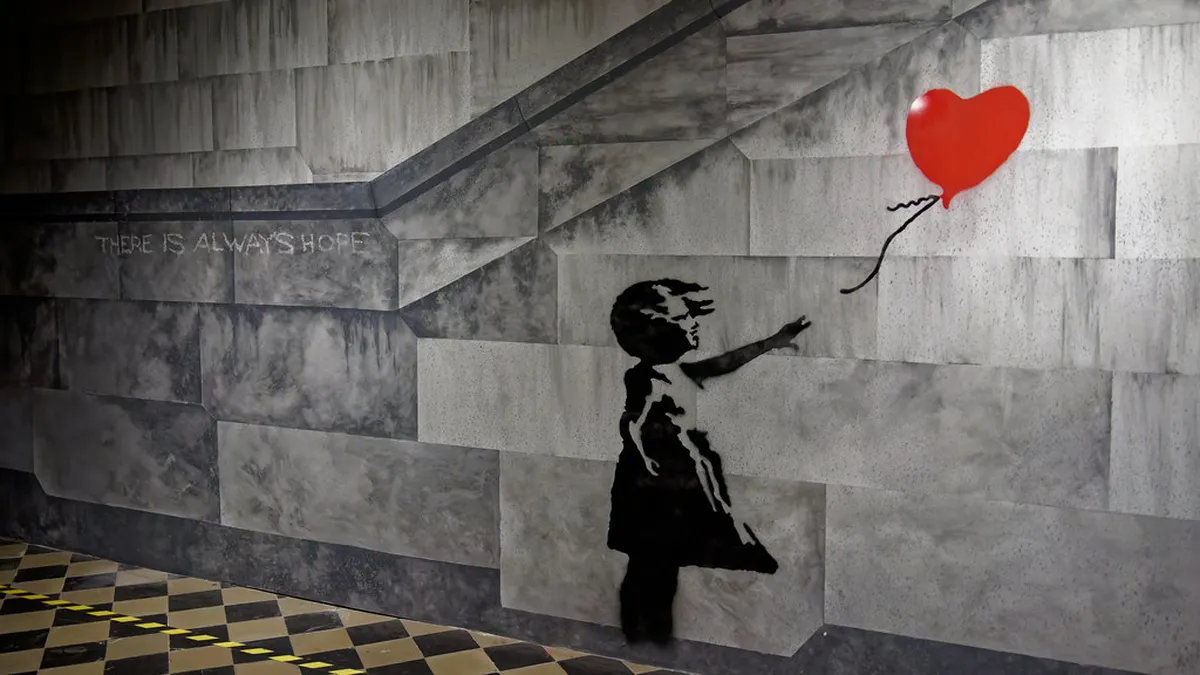
TL;DR: Bodø's street art scene has blossomed into one of northern Norway's most compelling cultural draws. Building on momentum from the 2024 European Capital of Culture designation, the city now hosts dozens of large-scale murals, intimate stencil works, and site-specific installations scattered across the city center, cultural quarter, and harbor district. This 2026 guide covers the must-see murals, the best districts for exploration, how to plan a self-guided tour, hidden smaller works, the artists shaping the scene, practical tips for visitors, and answers to common questions.
Why Bodø's Street Art Scene Matters in 2026
Turn this guide into a personal route with our free Bodø itinerary planner.
Bodø sits above the Arctic Circle on Norway's Nordland coast, a city of roughly 53,000 people that has undergone a remarkable cultural transformation. When Bodø was named European Capital of Culture for 2024, the city invested heavily in public art commissions, artist residencies, and urban beautification projects. Two years later, that investment has compounded. New murals appear on building facades each season, and international artists continue to accept commissions here, drawn by the dramatic Arctic light and the city's welcoming creative infrastructure.
The street art is not merely decorative. Many pieces address themes central to northern Norway: the relationship between humans and the sea, the changing Arctic climate, Sámi cultural heritage, and the tension between tradition and modernity in a rapidly developing city. Walking through Bodø's streets in 2026, you encounter a living dialogue between artists and the community they serve. If you are planning your first trip, check our guide to the best Bodø attractions for first-timers to see how street art fits into a broader itinerary.
Key Districts for Street Art Exploration
Bodø's street art is concentrated in three main areas, each with a distinct character. Knowing which district to visit first helps you make the most of your time, especially if daylight is limited during winter months.
City Center and Storgata
The pedestrian-friendly city center is the most accessible starting point. Along Storgata and the surrounding blocks, you will find some of Bodø's largest and most photographed murals. Building facades that once displayed plain concrete now feature multi-story works depicting Arctic wildlife, maritime heritage, and abstract compositions. The area around Glasshuset shopping center is particularly rich, with several pieces visible from a single intersection. These central murals are well-maintained and illuminated during the dark winter months, making them accessible year-round.
The Cultural Quarter Near Stormen
Stormen Library and Concert Hall anchor Bodø's cultural quarter, and the surrounding streets have become a secondary hub for street art. Here, the art tends to be more conceptual and site-specific. Several pieces interact directly with the architectural features of nearby buildings, creating optical illusions or playing with perspective. The cultural quarter also hosts rotating temporary installations, so repeat visitors often find something new. This area connects naturally to the broader public art installations in Bodø, which include sculptures and mixed-media works beyond traditional murals.
The Harbor and Industrial Zone
For a grittier, more raw aesthetic, head toward the harbor. Warehouses, shipping containers, and industrial buildings serve as canvases for some of Bodø's most striking work. The scale here is often massive, with murals covering entire warehouse walls. The industrial backdrop creates a compelling contrast with the artistic content. This area is slightly less curated than the city center, which means you may stumble upon newer, unsigned pieces by emerging artists testing their skills on available surfaces.
Must-See Murals and the Artists Behind Them
Several murals have become landmarks in their own right, appearing on tourism materials and social media feeds worldwide. Knowing which pieces to prioritize helps if your visit is short.
The maritime heritage mural near the train station remains one of Bodø's most celebrated works. Spanning an entire building wall, it depicts fishing boats, sea birds, and the rhythms of coastal life rendered in vivid blues and greens. The level of detail rewards close inspection, with smaller narrative scenes embedded within the larger composition.
Near the cultural quarter, a sweeping Arctic landscape mural captures the region's dramatic scenery across shifting seasons. The artist used a palette that shifts from deep winter blues on one side to the warm golden tones of the midnight sun on the other. Photographing this piece at different times of day reveals new details as natural light changes the way colors interact.
Norwegian street artist Pøbel, known for his thought-provoking work across rural and urban Norway, has several pieces in Bodø that combine figurative imagery with text-based commentary. His works often carry subtle environmental or social messages that reward multiple viewings. The DOT DOT DOT collective has also contributed pieces that push the boundaries between street art and fine art, incorporating mixed media and three-dimensional elements into their wall-based works.
In 2025 and 2026, several new commissions brought international artists to Bodø for the first time. These newer pieces tend toward bolder color palettes and more abstract forms, reflecting global trends in urban art while still engaging with local themes. Keep an eye out for works that reference the Northern Lights, the Saltstraumen maelstrom, and the Lofoten Islands visible from Bodø on clear days.
Planning a Self-Guided Street Art Tour
A self-guided walking tour is the best way to experience Bodø's street art at your own pace. The city is compact and walkable, with most major pieces located within a 2-kilometer radius of the city center.
Start at Stormen Library, which sits at the intersection of the cultural quarter and the city center. Head north along Storgata, where you will encounter your first cluster of large murals within five minutes. From Storgata, loop west toward the harbor, passing through residential streets where smaller works appear on fences, utility boxes, and the sides of apartment buildings. The harbor district adds another 30 to 45 minutes of exploration time, depending on how many pieces you stop to photograph.
Our self-guided Bodø street art tour map provides a printable route with GPS coordinates for major murals. Budget at least three hours for a thorough exploration. If you are building this into a multi-day visit, consider pairing the street art tour with other activities. Our 3-day Bodø itinerary shows how to balance cultural exploration with nature excursions and dining.
Wear sturdy, waterproof shoes regardless of season. Bodø's weather shifts quickly, and some pieces are located on unpaved paths or near the waterfront where surfaces can be slippery. Bring a camera with good low-light performance if visiting during the polar night season from late November through January, when many murals are lit by streetlights and create a uniquely atmospheric photographic opportunity.
Hidden Gems: Small-Scale Works and Ephemeral Art
The large murals draw the most attention, but Bodø's street art ecosystem includes a rich layer of smaller, less conspicuous works that reward careful observation. Stencil art appears on utility boxes, lampposts, and bridge underpasses throughout the city. These smaller pieces often carry pointed social commentary or whimsical humor that contrasts with the grander themes of the large murals.
Paste-ups, wheat-paste posters featuring hand-drawn or printed images, appear and disappear on a weekly basis. Concentrated in alleyways off Storgata and around the university area, these ephemeral works give the city's art scene a sense of constant renewal. If you visit Bodø more than once, the paste-up scene will look entirely different each time.
Several artists have also created site-specific installations that blur the line between street art and environmental art. Look for pieces that incorporate natural elements like driftwood, stone, or ice into their compositions. These works are often located slightly outside the main art districts, near parks or along the coastal walking paths. Discovering them feels like finding a secret the city has tucked away for attentive visitors.
For a broader view of Bodø's outdoor creative installations beyond wall art, including sculptures and light installations, consult a Bodø architecture map that marks public art locations alongside architectural landmarks.
Practical Tips for Street Art Visitors in 2026
Bodø is straightforward to navigate, but a few practical considerations will improve your street art experience.
Best time to visit: June through August offers the longest daylight hours, including the midnight sun period, which provides extraordinary lighting for photography. However, the winter months bring a different magic: murals illuminated against snow and polar darkness create moody, dramatic scenes. The shoulder seasons of May and September offer a balance of decent weather and fewer tourists.
Getting there: Bodø is served by direct flights from Oslo, Trondheim, and other Norwegian cities. The Nordland Railway from Trondheim is one of Europe's most scenic train journeys. Once in the city, everything is walkable. Consult our guide on getting around Bodø for detailed transport options.
Photography etiquette: Street art is public and free to photograph. However, be mindful of residents when shooting murals on apartment buildings or in residential areas. Avoid using flash at night near windows. Many artists appreciate being credited when you share their work on social media, so note the artist name if it appears near the piece.
Accessibility: Most major murals in the city center and cultural quarter are accessible via paved, flat sidewalks. The harbor district has some uneven surfaces but is generally navigable. Several murals are visible from main roads, making them accessible to visitors with mobility limitations.
Frequently Asked Questions
Is Bodø's street art suitable for families with children?
Yes, Bodø's street art is overwhelmingly family-friendly. The murals tend to depict nature, maritime life, Arctic landscapes, and abstract designs. There is no explicit or controversial content in the main public art areas. Children often enjoy the treasure-hunt aspect of spotting smaller stencils and paste-ups hidden around the city. The flat, walkable streets also make it easy to explore with a stroller.
How long does it take to see the main street art in Bodø?
A focused walking tour covering the major murals in the city center, cultural quarter, and harbor takes approximately three to four hours. If you want to seek out hidden gems and smaller works, plan for a full half-day. The city is compact, so distances between pieces are short, but you will want to allow time to appreciate each work and take photographs.
Are there guided street art tours available in Bodø in 2026?
Guided tours are available seasonally, typically from June through September when tourist traffic is highest. The Bodø tourist information center near the harbor can provide current schedules and booking details. Guided tours usually last about two hours and cover the city center and cultural quarter. They offer valuable context about the artists and the stories behind specific pieces that you would miss on a self-guided visit. Check availability in advance during peak summer months.
What is the best season to photograph street art in Bodø?
Each season offers distinct photographic opportunities. Summer provides endless daylight and the midnight sun, which casts a warm golden glow on murals during late evening hours. Winter transforms the scene entirely: murals lit by streetlights against snow-covered surroundings create dramatic contrast. The Northern Lights occasionally appear in the background of well-positioned pieces, creating truly unique photographs. Autumn offers moody skies and rich colors that complement many murals.
Can I see street art in Bodø during winter and the polar night?
Absolutely. Many of Bodø's major murals in the city center are illuminated by streetlights, making them visible even during the polar night period from late November to mid-January. The experience is different from summer, with a more intimate, atmospheric quality. Some visitors prefer the winter viewing experience precisely because the artificial lighting and snow create a unique visual contrast. Dress warmly and bring a tripod for low-light photography.
How has the European Capital of Culture 2024 impacted Bodø's art scene?
The Capital of Culture designation was transformative. It brought significant funding for public art commissions, attracted international artists for residencies and collaborations, and raised Bodø's profile as a cultural destination. Many of the murals and installations created during 2024 are permanent additions to the city. The momentum has continued into 2025 and 2026, with new commissions each year building on the foundation established during the Capital of Culture year. The designation also strengthened community support for public art as part of Bodø's identity.
Key Takeaways
- Bodø's street art scene continues to grow in 2026, fueled by the lasting impact of the European Capital of Culture 2024 designation.
- Three main districts offer distinct experiences: the city center for landmark murals, the cultural quarter for conceptual works, and the harbor for raw industrial-scale pieces.
- A self-guided walking tour takes three to four hours and covers most major works within a compact, walkable area.
- Hidden stencils, paste-ups, and site-specific installations reward attentive visitors who look beyond the large murals.
- Street art is accessible year-round, with summer offering endless daylight and winter providing dramatic illuminated scenes against snow.