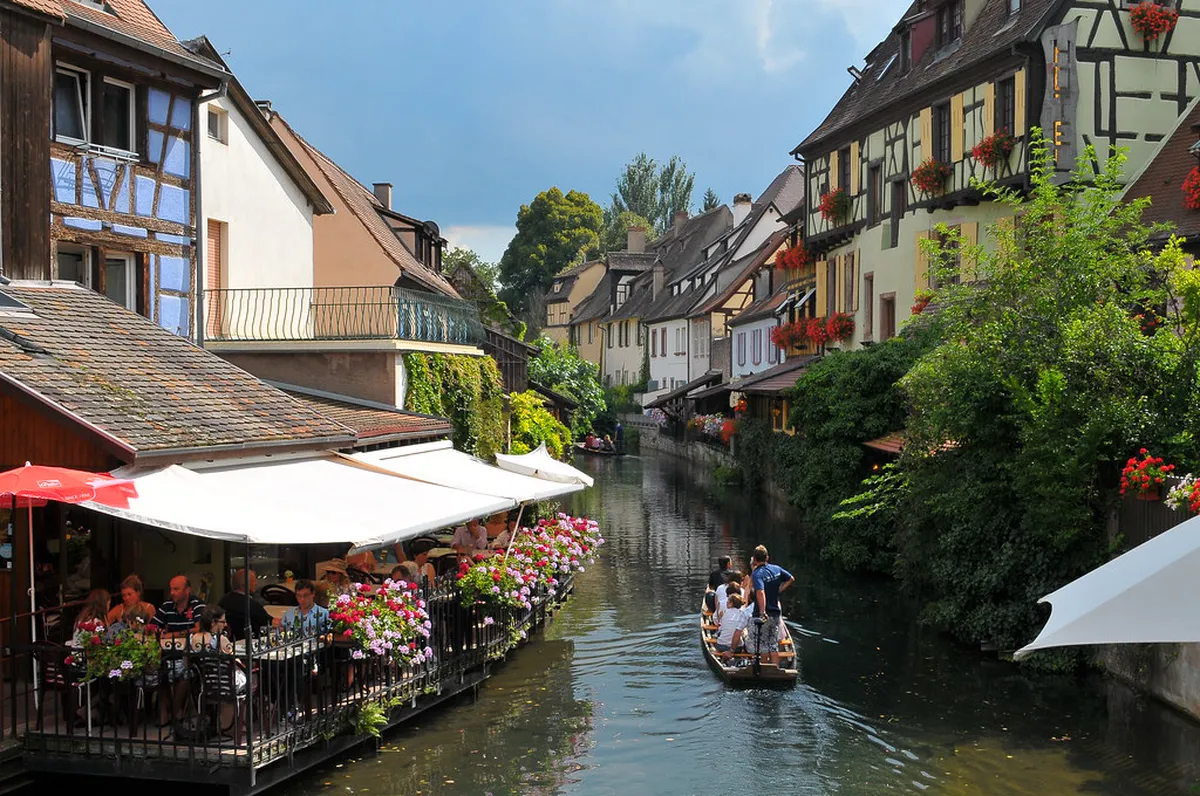
Two days or five — your decision changes everything about what Colmar delivers. This guide maps out realistic Colmar Europe itinerary ideas with multi-day routing options, so you can plan around your actual time and budget. Each day-by-day section includes timed schedules, honest cost benchmarks, and the trade-offs competitors usually skip. Pick your trip length below, then follow the routing that fits your style.
Why Visit Colmar
Colmar packs centuries of Alsatian architecture into a walkable Old Town roughly 15 minutes end-to-end. The medieval streetscapes feel lived-in rather than theme-park polished, which makes it genuinely different from busier French destinations. Free sights — canal walks, half-timbered alleys, the Quartier des Tanneurs — offset the cost of ticketed museums. That mix makes Colmar unusually budget-friendly for a town this photogenic.
The town also sits at the gateway to the Alsace Wine Route, with vineyard villages reachable in 10–45 minutes by bike or car. For travelers asking whether Colmar is worth visiting over other Alsace towns, the answer usually comes down to routing flexibility. Colmar works as a standalone destination and as a base for wider Alsace exploration.
Check the best time to visit Colmar France season by season guide before locking in dates. Seasonal events — from the Christmas market to the Alsace Wine Fair — can reshape your entire itinerary priority.
Days in Colmar Overview
How many days in Colmar is ideal depends entirely on whether you want to explore the Wine Route or push into the Vosges mountains. One day covers the Old Town highlights but leaves no room for anything beyond the central streets. Two days adds the Alsace Wine Route and gives breathing room at the key museums. Three days is the sweet spot for first-time visitors who want both the city and at least one major day trip.
Five days suits travelers who want to go deep — hidden neighborhoods, multiple wine villages, and a castle excursion. Below is a quick summary of what each trip length realistically delivers.
- 1-Day Visit — Old Town only
- Covers: Unterlinden Museum, Little Venice, Covered Market
- Cuts: Wine Route, neighborhoods, day trips
- Best for: Stopover travelers, day-trippers from Strasbourg
- See: 1 day itinerary in Colmar
- 2-Day Visit — Old Town + Wine Route
- Adds: Eguisheim, Riquewihr bike or guided tour
- Cuts: Surroundings day trips, deep neighborhood walks
- Best for: Weekend visitors from Paris or Basel
- 3-Day Visit — Full city circuit + surroundings
- Adds: Château du Haut-Koenigsbourg or Strasbourg half-day
- Cuts: Multiple village stops on Wine Route
- Best for: First-time visitors wanting a complete experience
- 5-Day Visit — Deep dive with day trips
- Adds: Hidden neighborhoods, Ribeauvillé, Bartholdi Museum
- Best for: Slow travelers, Alsace enthusiasts, repeat visitors
How to Get Around Colmar
Colmar's Old Town is compact enough to cover on foot — expect about 15 minutes from the train station to Little Venice. Walking handles the core sights comfortably, but the canal districts and wine villages need a different approach. A bike from Lokabike Colmar costs around €15 per day and opens up the Petite Venise canal paths efficiently. Biking also works for reaching nearby Wine Route villages like Eguisheim, about 6 km south.
A car becomes essential for Château du Haut-Koenigsbourg (45 min drive) or for covering multiple wine villages in a single day. Train travel makes the Strasbourg day trip straightforward — the journey runs about 30 minutes each way. Taxis and rideshares have limited local availability, so pre-book if you need a reliable pick-up. For arrival logistics, the guide to getting to Colmar from Paris, Strasbourg, and Basel covers transport options from each city.
Colmar Itinerary: Day 1 — Old Town Charm
Start at the Unterlinden Museum by 09:00, before guided tour groups fill the courtyard. The museum holds the Isenheim Altarpiece — one of the most striking works of Northern Renaissance art in Europe. Admission runs around €13 for adults, with reduced rates for students and under-18s. Budget 90 minutes here to avoid rushing through the medieval cloister sections.
From the museum, walk east to Maison Pfister for a look at one of Colmar's most ornate 16th-century facades — no entry fee, just street viewing. The Collegiate Church of Saint Martin sits nearby and is free to enter, with stained glass worth a 20-minute visit. Stop at the Marché Couvert Colmar around midday for local produce, charcuterie, and a cheap lunch under €12.
Spend the early afternoon in Little Venice, where the canal-side Quai de la Poissonnerie offers the postcard views most visitors come for. The walk from the Covered Market to Little Venice takes about 8 minutes on foot. A boat tour along the canals costs roughly €8–€12 and runs approximately 30 minutes. Evening works well for a slow wander through the Quartier des Tanneurs before dinner at a winstub.
Colmar Itinerary: Day 2 — Alsace Wine Route
The key decision for Day 2 is whether you self-drive, bike, or join a guided tour — and the right answer depends on your group. A guided day tour typically runs €55–€80 per person and removes all logistics, making it the easiest option for solo travelers. Self-driving costs less overall but requires a designated driver among your group. Biking from Lokabike Colmar at around €15/day suits active travelers covering the flatter southern villages.
Prioritize villages in this order: Eguisheim first (10 min drive south, free village walk, excellent wine cellars), then Riquewihr (20 min drive north, medieval walls, no entry fee), then Ribeauvillé if time allows (30 min drive north, three ruined towers above the town). Wine tastings at most cellars are free or cost €3–€8 for a small flight. Budget €20–€30 per person for tastings across the day, more if you buy bottles to take home. For a curated option, browse the 4 Wonders of Alsace Day Tour from Colmar on GetYourGuide.
The Wine Route is best from May through October when cellars run full hours and the vines are visually striking. Winter visits are quieter but some smaller producers close between December and February. Check individual cellar websites before planning a tasting-heavy itinerary in the off-season.
Colmar Itinerary: Day 3 — Surroundings and Day Trips
Day 3 splits into two clear sub-routes depending on whether you prefer history or a city fix. History seekers should head to Château du Haut-Koenigsbourg — a 45-minute drive into the Vosges mountains with entry around €9. The castle gives panoramic views over the Rhine plain and works well for a half-day before returning to Colmar for lunch. City lovers will prefer the Strasbourg half-day: 30 minutes by train, free entry to the Gothic cathedral, and the historic Petite France quarter.
Use the table below to match each day trip to your profile.
- Strasbourg — 30 min by train
- Cost: Train ~€10–€16 return; cathedral free
- Best for: Architecture lovers, city walkers
- Trade-off: Busier, needs half a day minimum
- Eguisheim — 10 min drive
- Cost: Free village walk; wine tasting €3–€8
- Best for: Wine lovers, short outings
- Trade-off: Small village; done in 2 hours
- Château du Haut-Koenigsbourg — 45 min drive
- Cost: Entry ~€9
- Best for: History seekers, families
- Trade-off: Requires a car; no direct public transport
- Riquewihr — 20 min drive
- Cost: Free village entry
- Best for: Photographers, wine enthusiasts
- Trade-off: Crowds peak July–August
Neighborhoods to Explore in Colmar
Walking Colmar's four quarters in sequence keeps your route logical and avoids doubling back. Start in Vieux Colmar (Old Town) — the historic center with Maison Pfister, the Collegiate Church, and the Covered Market. Allow 60–90 minutes here to cover the main landmarks without rushing. This area connects directly to every other quarter, making it the natural starting point.
From Old Town, move southeast into La Petite Venise and the Krutenau district, where the Lauch river creates the canal views Colmar is famous for. Budget 30–45 minutes for the canal walk and any boat tour. The Quartier des Tanneurs lies just north of Little Venice — its tall, narrow tanners' houses are some of the most striking facades in town. Allow about 20 minutes to walk through before continuing to the quieter Quartier des Pêcheurs, the former fishermen's district, which takes roughly 20 additional minutes.
For spots that most visitors walk past, the hidden gems in Colmar beyond Petite Venise guide covers the overlooked corners worth adding to your route. Total walking time across all four quarters runs about 2.5–3 hours at a relaxed pace, including photo stops.
Must-Try Food in Colmar
Alsatian cuisine divides neatly into three budget tiers, so you can plan food spending alongside accommodation and transport. At the budget end, a tarte flambée (thin-crust flatbread with crème fraîche, onions, and lardons) at a winstub costs around €10. Most winstubs serve from noon and again from 7 pm, with tarte flambée often listed as an evening staple. Pick up fresh pastries and pretzels at Boulangerie Serge Imhoff for a cheap and genuinely local breakfast.
Mid-range means choucroute garnie — braised sauerkraut with pork cuts and sausages — at a brasserie, typically €18–€22 per plate. Baeckeoffe, a slow-cooked meat and potato casserole, appears in the same price range and is worth trying if you see it on a menu. Both dishes reflect the Germanic culinary influence that defines Alsatian cooking.
For a splurge, Colmar has several restaurants offering refined Alsatian tasting menus in the €55–€90 range. These are worth booking 2–3 weeks ahead during summer and Christmas market season. The Covered Market is the best daytime stop for affordable local produce, regional cheeses, and charcuterie without sitting-down costs.
Major Annual Events in Colmar
Three events shape the Colmar calendar and require early accommodation planning. The Colmar Christmas Market runs from late November through late December across six themed market zones in the Old Town. Hotels within walking distance of the market fill 3–4 months ahead, so book early if this is your target window. The Colmar Christmas market guide covers market locations, opening hours, and crowd management strategies.
The Colmar International Music Festival takes place each July and brings classical performances to historic venues across the city. Tickets for headline concerts sell out weeks in advance, but free outdoor events run alongside the main program. The Alsace Wine Fair in August draws regional producers to the exhibition center south of the Old Town. Entry to the fair costs around €10–€15 and includes tasting tokens — a solid value for wine-focused visitors.
For a full list of annual events and local festivals with confirmed dates, check Colmar traditional festivals and dates on Festivation. Planning around these events can significantly improve your Colmar experience — or require careful crowd-avoidance strategies if you prefer quieter visits.
Where to Stay in Colmar
Accommodation choice directly affects how smoothly each itinerary day runs. Staying in the Old Town puts you within 5–10 minutes of every Day 1 sight on foot, saving roughly 10–15 minutes per day versus staying near the outskirts. Boutique hotels in Vieux Colmar suit couples prioritizing walkability and atmosphere over cost savings. Expect to pay €110–€180 per night for well-reviewed Old Town options.
Budget travelers get the best value near the train station, where properties like Ibis Budget Colmar Centre Gare run €60–€90 per night. The walk from the station to Little Venice takes about 15 minutes, which is manageable across a short stay. For a mid-range option with more space, Odalys City Colmar La Rose d'Argent offers apartment-style rooms well-suited to 3-night stays.
Families and travelers staying four or more nights benefit most from a self-catering apartment near the center. A central apartment cuts meal costs significantly and gives flexibility for early starts on Wine Route days. Search Apartments Center Colmar for options with kitchen access close to the main sights. Book at least 6–8 weeks ahead for summer and Christmas market periods to secure your preferred zone.
Frequently Asked Questions
Is one day enough in Colmar, or should I stay overnight?
One day covers the Old Town highlights — Little Venice, Unterlinden Museum, and the Covered Market — but leaves no room for the Wine Route or neighborhoods. Staying overnight adds the Alsace Wine Route on Day 2, which most visitors consider the strongest reason to linger. See the 1 day itinerary in Colmar if you're short on time.
What is the best time of year to visit Colmar?
May through September offers the most balanced mix of good weather, open wine cellars, and accessible outdoor sights. December brings the famous Christmas market but demands early accommodation booking. Spring and early autumn offer fewer crowds and better value across hotels and tours. Check seasonal details before finalizing dates.
Do I need a car to explore Colmar and the Wine Route?
Colmar's Old Town is fully walkable, so a car is unnecessary for Day 1 sights. The Wine Route requires a car or a guided tour unless you stick to flat villages reachable by bike, like Eguisheim. Château du Haut-Koenigsbourg has no direct public transport, making a car or organized tour the only realistic options for that day trip.
How much should I budget per day in Colmar?
A comfortable budget runs €80–€120 per person per day, covering mid-range accommodation, two meals, and one ticketed sight. Budget travelers can drop to €50–€65 by using free sights, eating at the Covered Market, and staying near the train station. Wine Route days can push costs higher if you buy bottles or join a guided tour.
What are the best day trips from Colmar?
Eguisheim (10 min drive) and Riquewihr (20 min drive) are the easiest wine village day trips with free entry. Strasbourg works as a 30-minute train trip for a cathedral and city quarter visit. Château du Haut-Koenigsbourg (45 min drive, ~€9 entry) suits history-focused travelers with access to a car or rental.
Colmar rewards travelers who plan with purpose rather than wandering without a framework. Two days covers the core; three days opens up the Wine Route villages and the Vosges mountains. Match your trip length to your interests using the day-by-day outlines above, then lock in accommodation early — especially for summer and Christmas market visits. Use the Itimaker travel blog for deeper guides on individual Colmar experiences as you build your final itinerary.