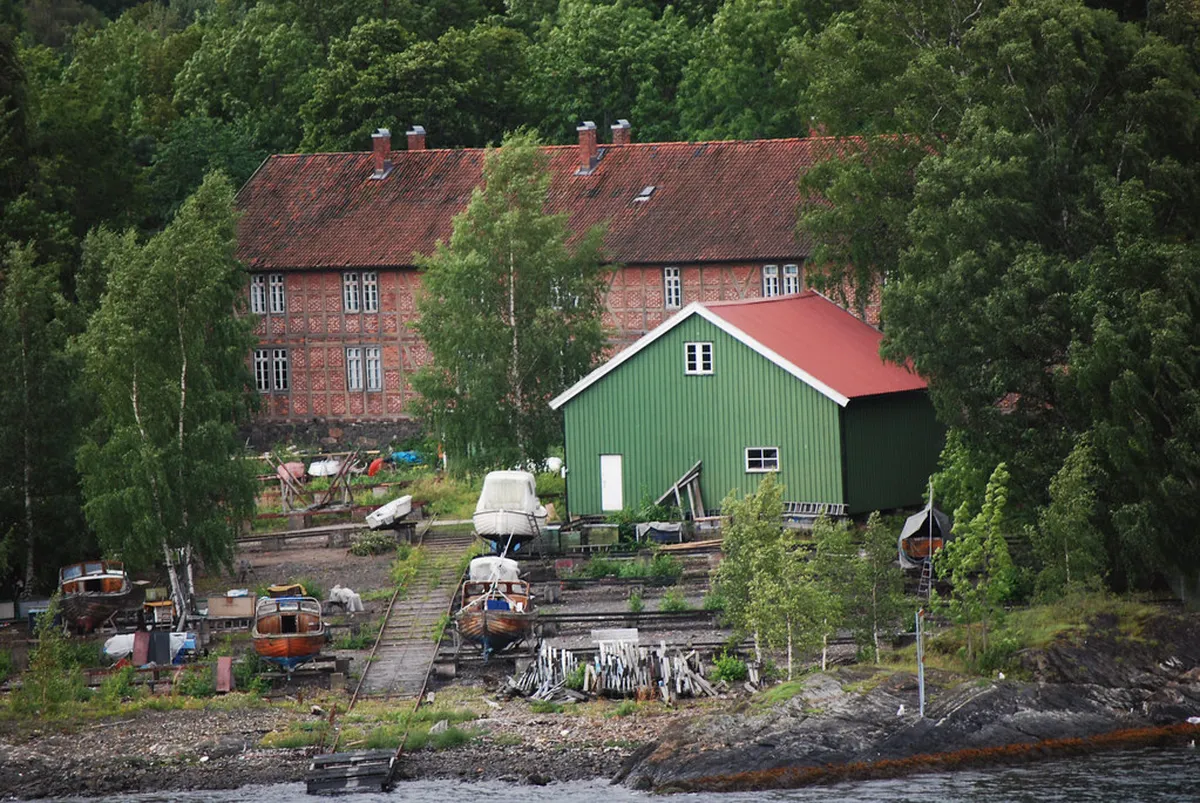
Oslo's waterfront showcases incredible modern design. The city's transformation created a vibrant area. Many new buildings line the stunning Oslofjord. These structures blend history with cutting-edge architecture. Prepare to explore these remarkable Oslo fjord architecture marvels in 2026. This guide will highlight the best architectural landmarks.
You will find public art and innovative designs. The area offers unique cultural experiences. Discover why these buildings along Oslofjord attract global attention. Plan your architectural journey with ease. Enjoy the beautiful Norwegian capital.
The Oslo Opera House: A Waterside Wonder
Turn this guide into a personal route with our free Oslo itinerary planner.
The Oslo Opera House stands as a true landmark. Snøhetta designed this magnificent structure. It opened its doors in 2008. The building features white granite and marble. Visitors can walk on its sloping roof.
This innovative design creates a public plaza. It offers stunning views of the fjord. The Opera House hosts world-class performances. Tours are available for around 140 NOK (approx. $13 USD). Check their official website for updated 2026 schedules and booking Oslo Opera House guide.
Its location on the water is truly captivating. The architecture reflects Norway's natural landscape. It truly embodies modern Norwegian design. This building is a must-see along the Oslofjord.
Bjørvika's Barcode Project: Urban Transformation
The Barcode Project dramatically reshaped Bjørvika. This district now boasts a distinctive skyline. It features a series of tall, narrow buildings. These structures resemble a giant barcode. Many international firms contributed to the design.
These modern towers house offices and apartments. They create unique public spaces below. The project represents bold urban planning. It highlights fjord city urban planning initiatives. Walking through Barcode offers a glimpse into future city living.
Consider exploring this area after visiting the Opera House. It is just a short walk away. The architecture provides a stark contrast. It offers another perspective on Oslo's development. Discover the Barcode Project Oslo innovation.
Astrup Fearnley Museum & The Thief Hotel
Tjuvholmen peninsula hosts architectural gems. The Astrup Fearnley Museum is a highlight. Renzo Piano designed this striking building. It showcases contemporary art collections. Its glass and wood design blends with the fjord.
Admission to the museum costs around 150 NOK (approx. $14 USD). Check their website for current exhibition details. Nearby, The Thief hotel offers luxury. Its name playfully refers to the area's history. It was once a haunt for thieves.
The Thief boasts impressive modern architecture. It stands out with its sharp angles. The hotel also features an extensive art collection. This area is perfect for art and design enthusiasts. Enjoy these Astrup Fearnley Museum and hotel designs.
Deichman Bjørvika & The Munch Museum
Oslo's new main library, Deichman Bjørvika, is stunning. It features an open, inviting design. Lund Hagem Architects and Atelier Oslo designed it. The library offers incredible public spaces. It serves as a community hub.
Just a short walk away is the new Munch Museum. Herreros Arquitectos designed this tower. It houses Edvard Munch's vast collection. The building stands tall by the fjord. It contributes to Oslo's waterfront development.
Both institutions opened in recent years. They significantly enhance Oslo's cultural offerings. Visiting these provides a deep dive into art and learning. Plan your visit to these important cultural architectural landmarks. They offer free and paid experiences.
Akershus Fortress: Historical Fjord Views
Not all fjord buildings are new. Akershus Fortress offers a rich history. This medieval castle dates back to the 13th century. It guards the eastern side of the inner Oslofjord. It provides a striking contrast to modern buildings.
The fortress offers fantastic panoramic views. You can see the entire harbor area from here. Walking the grounds is free of charge. Guided tours are also available for a fee. Learn about Norway's past at this important site.
Exploring Akershus provides historical context. It shows Oslo's long connection to the water. This site is vital for understanding the city. Discover more about Akershus Fortress history. It perfectly complements the contemporary architecture.
Frequently Asked Questions
What makes Oslo fjord architecture unique?
Oslo fjord architecture is unique for its blend. It combines modern design with natural elements. Buildings often incorporate glass, wood, and stone. They prioritize public access to the waterfront. Many designs are sustainable and innovative.
The city's focus on public spaces is also notable. This creates a cohesive urban landscape. It enhances the experience of the fjord itself. You can find more details in our Oslo waterfront architecture guide.
Can I visit these buildings along Oslofjord on a budget?
Yes, many areas are free to explore. Walking the Opera House roof costs nothing. Strolling through the Barcode Project is also free. The Akershus Fortress grounds offer free entry. Public libraries like Deichman Bjørvika are free to enter. You can enjoy many free Oslo architecture spots.
Museum entry often has a fee. However, some museums offer free days. Always check official websites for current prices. Consider an Oslo Pass for multiple attractions.
What is the best way to see the buildings along Oslofjord?
Walking is an excellent way to see many buildings. Start from the Opera House and walk towards Tjuvholmen. You can also take a guided architectural walking tour. Fjord cruises offer unique perspectives from the water.
Public transport like trams or buses can also connect areas. Bicycle rentals are another popular option. The best way depends on your time and budget. Consider the weather conditions, especially in 2026.
Oslo's fjord is a showcase of architectural brilliance. From historic fortresses to modern opera houses, diversity abounds. These buildings along Oslofjord define the city's modern identity. They blend seamlessly with Norway's natural beauty. Plan your journey to experience them firsthand.
Discover the innovative spirit of Norwegian design. Book your trip to explore Oslo's incredible waterfront. Begin your architectural adventure today! Read our Oslo architecture itinerary for more inspiration.
Key Takeaways
- Prioritize walking tours for the best views and detailed exploration of Oslofjord's buildings.
- Utilize free access areas like the Opera House roof and Akershus Fortress for budget-friendly sightseeing.
- Visit in late spring or early autumn 2026 for comfortable weather and fewer crowds.