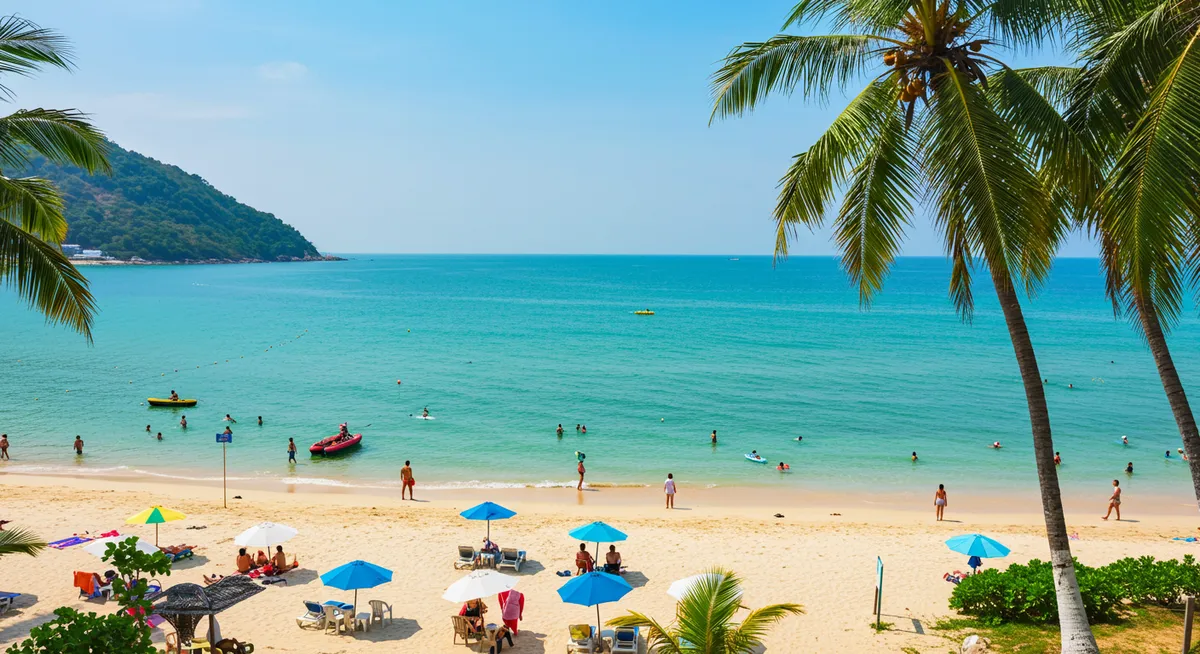
TL;DR: Vung Tau's coastline stretches across dozens of beaches, but the standouts for 2026 visitors are Bai Sau (Back Beach) for swimming and activities, Bai Truoc (Front Beach) for sunsets, Doi Nhai (Oyster Beach) for seclusion, Bai Dua (Pineapple Beach) for rocky scenery, Bai Dau (Mulberry Beach) for families, and Long Hai Beach for a pristine day trip. Read on for detailed tips on each beach, what to expect, and how to plan your visit.
Why Vung Tau Is Vietnam's Go-To Beach Destination in 2026
Turn this guide into a personal route with our free Vung Tau itinerary planner.
Sitting on a narrow peninsula roughly 100 kilometers southeast of Ho Chi Minh City, Vung Tau has long been the closest proper beach escape for Saigon residents. In 2026, improved ferry services, new boutique hotels along the coastal road, and a growing café scene have turned the city into much more than a day-trip stop. The variety of beaches in Vung Tau is what truly sets the destination apart — you can go from a lively stretch packed with weekend sunbathers to a near-empty rocky cove in under fifteen minutes on a motorbike. Whether you are traveling with family, looking for water sports, or simply want a quiet patch of sand with a cold coconut, there is a Vung Tau beach waiting for you. For a full trip plan, check our 3-day Vung Tau itinerary.
Bai Sau (Back Beach) — The Main Event
Bai Sau, sometimes called Thuy Van Beach, runs for roughly eight kilometers along Vung Tau's eastern coast and remains the most popular beach in the city heading into 2026. The shoreline is wide, the sand is soft, and the waves are consistent enough to make bodyboarding and swimming genuinely enjoyable. During weekdays you can find long stretches of uncrowded sand, but weekends bring a carnival atmosphere with food vendors, beach chair rentals, and families playing football along the waterline.
Practical tips for visiting Bai Sau in 2026: arrive before 7 AM to claim space without haggling over chair fees, bring reef-safe sunscreen since shops near the beach charge a premium, and swim within the flagged zones where lifeguards are posted. The southern end of the beach near Nghinh Phong Cape tends to be quieter and has rockier patches good for snorkeling when conditions are calm. If you need accommodation near this stretch, our guide on where to stay in Vung Tau covers the best areas and hotels.
Bai Truoc (Front Beach) — Sunset Views and Evening Strolls
Front Beach stretches along the western side of the peninsula facing the shipping channel, which means it is not ideal for swimming but absolutely perfect for atmosphere. The promenade running alongside Bai Truoc is one of the most pleasant walks in any Vietnamese coastal city — lined with mature trees, sculpture parks, and a string of cafés that fill up as sunset approaches. In 2026, several new seaside restaurants have opened along Ha Long Street, making the dining options stronger than ever.
The sunsets at Bai Truoc are genuinely spectacular, with fishing boats silhouetted against the orange sky and the distant lights of cargo ships adding depth to the view. For the best experience, grab a table at one of the rooftop bars overlooking the water around 5 PM and pair the view with fresh seafood. While you are exploring the area, you will find some of the top tourist attractions in Vung Tau within walking distance, including the Christ of Vung Tau statue and the historic lighthouse.
Doi Nhai (Oyster Beach) — A Hidden Cove Worth Finding
Tucked between rocky headlands on the southern tip of the peninsula, Doi Nhai rarely appears in mainstream travel guides, which is precisely its appeal. The cove is small — perhaps 200 meters of sand — and backed by boulders that create natural shade in the afternoon. The water is noticeably clearer here than at the main beaches because waves break over the rocks before reaching shore, filtering out much of the sediment.
Access requires a short walk down a steep path from the coastal road, so the beach naturally filters out anyone not willing to make the effort. Bring your own food and water since there are no vendors. Local fishermen sometimes anchor small boats here, and watching them sort their catch in the late afternoon is one of those unhurried moments that makes Vung Tau feel different from busier resort towns. For budget-conscious travelers, our Vung Tau budget travel guide has tips on keeping costs low while exploring spots like this.
Bai Dua (Pineapple Beach) — Dramatic Rocks and Tidal Pools
Bai Dua sits at the base of Nui Nho (Small Mountain) and is defined more by its geology than its sand. Large granite boulders create a maze of tidal pools that fill and drain with each cycle, harboring small crabs, sea urchins, and colorful algae. The swimming area is limited to a few natural pools between the rocks, but on calm days the water inside these pools is warm, clear, and sheltered from currents.
Photographers love this beach for the contrast between dark volcanic rock and turquoise water, especially during golden hour. The access path is steep and uneven, so wear proper footwear rather than flip-flops. Bai Dua is best combined with a visit to nearby Nghinh Phong Cape and the wind-catching statue area. If you only have a single day, our Vung Tau one-day trip itinerary shows how to fit this beach into a packed schedule.
Bai Dau (Mulberry Beach) — Calm Waters for Families
Located on the northern side of the peninsula near the ferry terminal, Bai Dau is a crescent-shaped beach with gentle waves and shallow water that extends far from shore. These conditions make it one of the safest swimming spots in Vung Tau for young children. The beach is flanked by a landscaped park with benches and shaded areas, and several seafood restaurants sit just across the road.
Bai Dau sees fewer international visitors than Bai Sau, giving it a distinctly local feel — expect to see Vietnamese families picnicking on mats, children flying kites, and elderly residents doing tai chi at dawn. In 2026, a new pedestrian boardwalk has improved access along the northern stretch. For first-time visitors unsure about logistics, our Vung Tau travel tips for first-timers covers everything from ferry bookings to motorbike rentals.
Long Hai Beach — A Pristine Day Trip
Strictly speaking, Long Hai sits about 30 kilometers northeast of Vung Tau city center in the Ba Ria-Vung Tau province, but it has become a popular extension for travelers wanting cleaner sand and fewer crowds. The beach stretches for several kilometers with minimal development behind it — just casuarina trees, a handful of seafood shacks, and the occasional resort. The water is clearer than anything you will find on the Vung Tau peninsula itself.
The drive from Vung Tau to Long Hai along the QL55 coastal road is scenic and takes about 40 minutes by motorbike. Pack a picnic, bring snorkeling gear if you have it, and plan to spend half a day. Getting to the starting point is straightforward if you follow our guide on how to get to Vung Tau from Ho Chi Minh City, since Long Hai is an easy continuation of that route.
Quick Beach Comparison Table
| Beach | Best For | Swimming | Crowds | Amenities |
|---|---|---|---|---|
| Bai Sau (Back Beach) | Swimming, water sports | Excellent | High on weekends | Full (food, chairs, showers) |
| Bai Truoc (Front Beach) | Sunsets, strolling | Not recommended | Moderate | Cafés and restaurants nearby |
| Doi Nhai (Oyster Beach) | Seclusion, photography | Good (calm days) | Low | None — bring supplies |
| Bai Dua (Pineapple Beach) | Tidal pools, scenery | Limited (rock pools) | Low | Minimal |
| Bai Dau (Mulberry Beach) | Families, calm water | Good (shallow) | Moderate | Restaurants, park |
| Long Hai Beach | Day trip, clean water | Excellent | Low | Basic seafood shacks |
Practical Tips for Beach-Hopping in Vung Tau (2026)
Renting a motorbike remains the best way to move between beaches — expect to pay around 120,000-150,000 VND per day in 2026. The coastal roads are well-maintained and distances are short, with the farthest beach on the peninsula reachable in under 20 minutes. Always carry cash for beach vendors and parking fees, as card acceptance is still inconsistent at smaller beaches. The dry season from November through April offers the best conditions, but even during the wet season (May to October) mornings are often clear enough for a beach visit before afternoon rain. For seasonal details, see our guide on the best time to visit Vung Tau.
Where to Eat After a Beach Day
Vung Tau's food scene is a major draw in its own right. After a morning at the beach, head to one of the seafood markets near Bai Sau for grilled squid, steamed clams, and fresh crab at local prices. The city is also famous for banh khot — crispy savory pancakes topped with shrimp — which you will find at dedicated stalls throughout the center. For a full rundown of the best dishes and where to find them, our Vung Tau local food guide has detailed recommendations by neighborhood.
Frequently Asked Questions
Which Vung Tau beach is best for swimming in 2026?
What is the best time of year to visit Vung Tau beaches?
Are there any hidden beaches in Vung Tau worth visiting?
How do I get between beaches in Vung Tau?
Is Vung Tau suitable for a day trip from Ho Chi Minh City?
Do Vung Tau beaches have facilities like showers and restrooms?
What should I bring to Vung Tau beaches?
Vung Tau's coastline packs a remarkable amount of variety into a compact peninsula. From the lively weekend energy of Bai Sau to the hidden-cove quiet of Doi Nhai, the best beaches in Vung Tau in 2026 offer something for every type of traveler. Pair your beach time with the city's excellent seafood scene, easy transport links from Ho Chi Minh City, and a growing number of quality hotels, and you have one of southern Vietnam's most rewarding short trips. For a complete plan that ties everything together, browse our 5-day Vung Tau itinerary.