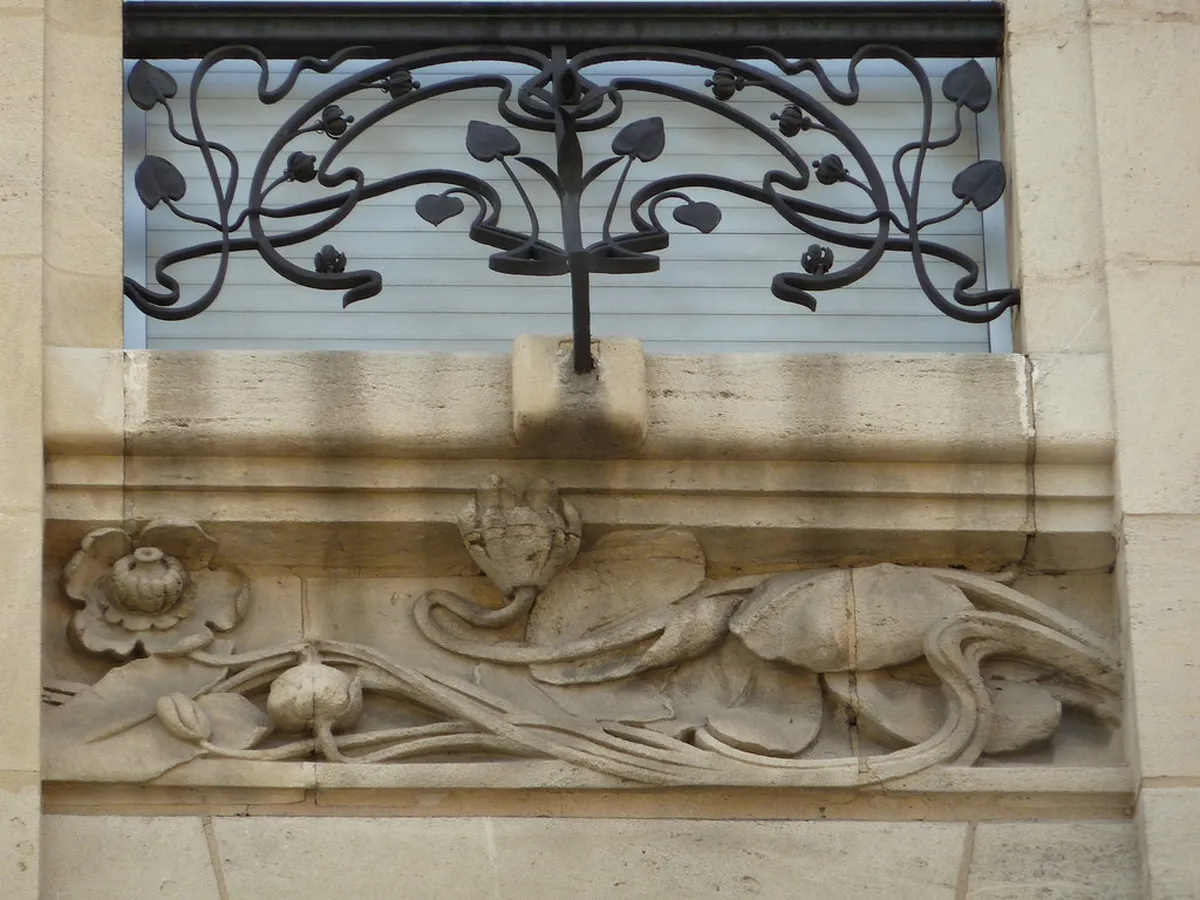
Nancy is the undisputed capital of Art Nouveau architecture in France. The city underwent a massive creative transformation during the late nineteenth century.
Local artists formed the famous Ecole de Nancy movement to celebrate nature through design. Travelers today can explore hundreds of stunning facades and intricate interiors across the city.
The Birth of the Ecole de Nancy Movement
Turn this guide into a personal route with our free Nancy itinerary planner.
Nancy became a global center for artistic innovation following the Franco-Prussian War of 1870. Many French citizens fled the annexed Alsace-Lorraine region and settled in Nancy. This influx of talent and wealth fueled a massive building boom. Architectors and decorators began experimenting with revolutionary organic shapes and local materials.
The movement officially became the Ecole de Nancy in 1901 under the leadership of Emile Gallé . Artists like Louis Majorelle and Victor Prouvé joined forces to unify art and industry. They believed that art should be accessible in everyday life. This philosophy led to the creation of beautiful furniture, glassware, and residential buildings.
Nature served as the primary muse for these local creators. You will notice frequent depictions of thistles, dragonflies, and hogweed on building exteriors. The thistle is particularly significant as it represents the resilience of the Lorraine region. Its Latin motto, "Non inultus premor," means no one touches me without being pricked.
Exploring this history provides context for the city's unique visual identity. You can learn more about these origins in our 1-day itinerary in Nancy guide. Understanding the movement makes every facade you encounter more meaningful. It sets the stage for a deep architectural journey.
Villa Majorelle: The Icon of Nancy Art Nouveau
The Villa Majorelle stands as the ultimate masterpiece of the Ecole de Nancy. Architect Henri Sauvage designed this home for the furniture maker Louis Majorelle . It was the first house in Nancy to be built entirely in the Art Nouveau style. The structure features bold curves and massive windows that invite natural light.
A recent multi-year restoration has returned the interior to its 1902 glory. Visitors can now admire the original wall stencils and intricate woodwork. The dining room and bedroom showcase the seamless integration of furniture and architecture. Every detail reflects the organic themes central to the movement.
Planning your visit requires some advance coordination. The house is popular and often requires timed entry tickets. Check the Villa Majorelle Visitor Information for current hours and pricing. Booking online is the best way to ensure you get a spot during peak seasons.
Photography enthusiasts should visit the villa during the morning hours. The sun hits the main facade directly, highlighting the yellow and blue ceramics. Avoid the mid-day sun to prevent harsh shadows on the curved balconies. This timing allows for the most vibrant and detailed architectural shots.
Art Nouveau Gems in the City Centre
The heart of Nancy contains several commercial buildings that showcase grand architectural ambitions. One of the most famous is the Brasserie l'Excelsior located near the train station. Its interior features stunning stained glass by Jacques Gruber . Diners can enjoy a meal surrounded by carved wood and floral motifs.
Nearby banks also display incredible Art Nouveau craftsmanship on their facades. The BNP Paribas building on Rue Saint-Jean is a prime example. Architect Lucien Weissenburger used metal and stone to create a dynamic exterior. Look up to see the delicate ironwork and sculpted stone flowers.
Walking through the city centre reveals hidden details on everyday storefronts. Many pharmacies and retail shops still retain their original early 20th-century signage. You can find several of these on our Nancy walking tour. These small details prove that the movement touched every corner of society.
Remember to respect the etiquette when viewing these active business locations. Banks and restaurants are private property with ongoing operations. It is best to visit during quiet hours if you wish to photograph the interiors. Always ask for permission before taking photos inside a working establishment.
Saurupt Park: The Art Nouveau Garden City
Saurupt Park offers a different perspective on Nancy's architectural heritage. This residential district was originally designed as a gated garden city for the wealthy elite. Architect Emile André planned the layout to include spacious villas and lush greenery. Today, it remains a quiet neighborhood perfect for a self-guided walking tour.
The villas in Saurupt showcase a transition between different architectural eras. You will find pure Art Nouveau designs alongside early Art Deco structures. Villa Les Glycines is a standout with its ornate floral carvings and asymmetrical windows. Each house tells a unique story of the owner's personal taste.
Walking through Saurupt takes about forty-five minutes at a leisurely pace. The streets are wide and offer excellent views of the various facades. It is a stark contrast to the dense commercial buildings of the city centre. This area highlights the movement's focus on living in harmony with nature.
Travelers often wonder about the differences between the styles found here. The following table highlights the key visual cues for identifying these movements in Nancy.
Around Sainte-Marie Park and the Museum
The Musée de l'Ecole de Nancy is an essential stop for any architecture lover. It is housed in the former home of Eugène Corbin , a major patron of the arts. The museum showcases complete room sets that demonstrate the "total art" concept. You can see how furniture, wallpaper, and lighting all worked together.
The museum's garden is a peaceful retreat that features several architectural monuments. An original Art Nouveau aquarium and a funerary monument sit among the flower beds. These structures show how the movement extended into outdoor and public spaces. The garden is free to enter and offers a great place for reflection.
After visiting the museum, take a stroll through the nearby Parc Sainte-Marie . This public park was the site of the 1909 International Exhibition of Eastern France. While many temporary pavilions are gone, the spirit of the era remains in the landscape. It is a popular spot for locals to relax and enjoy the fresh air.
You can also discover incredible glassware in this part of the city. We recommend learning how to see the Daum Crystal Collection in Nancy for more variety. The museum often hosts temporary exhibitions that delve deeper into specific artists. Check the Musée de l'École de Nancy Official Site for the latest event schedule.
The UNESCO Grandeur of Place Stanislas
Place Stanislas is the 18th-century heart of Nancy and a UNESCO World Heritage site. While it predates Art Nouveau, it provides the grand backdrop that the modern movement reacted against. The golden gates and neoclassical buildings represent the city's royal history. Understanding this older layer is key to appreciating the radical nature of the later styles.
The Musée des Beaux-Arts is located directly on this famous square. Inside, you will find an extensive collection of Daum crystal in the basement. This collection bridges the gap between the Enlightenment and the industrial era. The glass pieces showcase the same organic themes found on the city's facades.
During the evening, the square transforms into a magical space with dramatic lighting. This is known as the "Blue Hour," and it is the best time for photography. The warm glow of the lamps contrasts beautifully with the deep blue sky. It is a sight that every visitor should experience at least once.
The square also serves as a hub for many cultural festivals throughout the year. If you visit in December, you can see the Nancy Saint Nicolas festival celebrations. These events often blend the historic architecture with modern light projections. It shows how Nancy continues to evolve as a city of art and design.
Art Deco Styles and Twentieth Century Design
Nancy did not stop innovating after the Art Nouveau movement faded. The city embraced the sleeker lines of Art Deco during the 1920s and 30s. This transition is visible in many public buildings and private residences. You can see a shift from floral patterns to geometric shapes and industrial materials.
The legacy of Jean Prouvé is a vital part of this later architectural story. As a self-taught architect and designer, he moved toward functionalism and prefabricated structures. His work represents Nancy's shift from organic art to modern industrial design. His family home on the hillside is a landmark of mid-century architecture.
Exploring these later styles provides a complete picture of Nancy's creative spirit. You can find several Art Deco gems near the central market area. These buildings often feature reinforced concrete and streamlined facades. They reflect the speed and optimism of the early twentieth century.
If you have extra time, looking for these modern landmarks is highly rewarding. They offer a great contrast to the elaborate curves of the earlier villas. This variety makes Nancy a living museum of architectural evolution. It is a city that has always looked toward the future of design.
Best Routes for Architecture and Art Lovers
Planning an efficient route is essential for seeing the best sites in a single day. We recommend starting in the city centre to catch the morning light on commercial facades. From the train station, head toward the Brasserie l'Excelsior and the nearby bank buildings. This area is dense with detail and very easy to walk.
In the afternoon, take a short bus ride or walk to the Saurupt district. The villas here are best viewed when the sun is lower in the sky. This light highlights the depth of the stone carvings and the texture of the ironwork. It is a quieter experience compared to the bustling downtown streets.
Finish your day at the Musée de l'Ecole de Nancy and Sainte-Marie Park. The museum's interior provides a perfect conclusion to your architectural tour. You can see how the external themes you observed are reflected in the furniture. It brings the entire movement into a single, cohesive experience.
For those on a tight schedule, focusing on the "Art Nouveau Zone" is a smart move. This includes the area around Avenue Foch and Rue Henri-Poincaré. You can find more free things to do in Nancy to round out your trip. Many of the most impressive facades are completely free to view from the street.
Practical Tips for Architecture Tours in Nancy
Nancy is a very walkable city, but public transport can save you time between districts. The tram line 1 connects the train station to many major architectural sites. You can buy tickets at automated machines located at every tram stop. A day pass is often the most cost-effective option for active explorers.
When viewing private villas, please stay on the public sidewalk and respect residents' privacy. Most Art Nouveau houses in Nancy are still private homes or active offices. Avoid peeking through windows or entering private gardens without an official tour. This ensures that these historic neighborhoods remain welcoming to future visitors.
Many sites have specific opening hours that vary by season. The Villa Majorelle and the museum are typically closed on Mondays and Tuesdays. Always check the Nancy Tourisme Official Site for the latest updates before you go. This prevents disappointment and helps you plan a smooth itinerary.
Finally, don't forget to take breaks and enjoy the local culinary scene. Nancy is famous for its sweets, which often have their own historic connections. We suggest looking into where to buy authentic macarons de Nancy for a delicious souvenir. It is the perfect way to recharge after a long morning of walking.
- Villa Majorelle
- Type: Residential Villa
- Best for: Iconic design
- Where: Rue Louis Majorelle
- Cost: Approx. 6 Euros
- Brasserie l'Excelsior
- Type: Restaurant
- Best for: Interior glass
- Where: Near Train Station
- Cost: Free entry
- Musée de l'Ecole de Nancy
- Type: Museum
- Best for: Total art
- Where: Rue du Sergent Blandan
- Cost: Approx. 7 Euros
- BNP Paribas Bank
- Type: Commercial Bank
- Best for: Facade ironwork
- Where: Rue Saint-Jean
- Cost: Free to view
- Villa Les Glycines
- Type: Private Villa
- Best for: Floral carvings
- Where: Saurupt Park
- Cost: Exterior only
- Chamber of Commerce
- Type: Public Building
- Best for: Stained glass
- Where: Rue Henri-Poincaré
- Cost: Free entry
- Maison Bergeret
- Type: University Building
- Best for: Grand staircase
- Where: Rue Lionnois
- Cost: Limited access
- Immeuble Génin-Louis
- Type: Mixed-use
- Best for: Corner design
- Where: Rue Saint-Jean
- Cost: Free to view
- Aquarium de Nancy
- Type: Museum Facade
- Best for: Marine motifs
- Where: Rue Sainte-Catherine
- Cost: Free exterior
- Magasins Réunis
- Type: Department Store
- Best for: Early modernism
- Where: Place de la République
- Cost: Free to view
Frequently Asked Questions
What is the best way to see Art Nouveau in Nancy?
A self-guided walking tour is the most flexible way to explore Nancy's architecture. Most sites are located in the city centre or the Saurupt district. You can find detailed maps at the tourism office or follow our walking tour guide for the best route.
Is the Villa Majorelle worth visiting?
Yes, it is the most significant Art Nouveau house in the city. The recent restoration has made it a must-see for its original furniture and decor. Be sure to book your tickets in advance as entry is limited to small groups.
How long do I need to see the architecture in Nancy?
One full day is sufficient to see the major highlights in the centre and the museum. If you want to explore the residential villas in Saurupt, consider staying for two days. This allows for a more relaxed pace and time for photography.
Are there guided tours available for Art Nouveau sites?
The Nancy Tourist Office offers official guided tours in several languages during the peak season. These tours often provide access to building interiors that are usually closed to the public. Check their website for the current schedule and booking options.
Nancy remains a treasure trove for anyone interested in the history of design. From the grand Villa Majorelle to the quiet streets of Saurupt, the city is a living museum.
Plan your visit today to experience the organic beauty of the Ecole de Nancy movement. The legacy of these visionary artists continues to inspire travelers from around the world.