
Ayuthaya, the ancient capital of Thailand, is a UNESCO World Heritage Site brimming with history and stunning architecture. This Ayuthaya itinerary showcases the must-visit attractions that highlight the city's rich cultural heritage. From the majestic ruins of temples to vibrant local markets, you'll discover why Ayutthaya is a dream destination for history lovers and adventurers alike.
Key Takeaways
Turn this guide into a personal route with our free ayuthaya itinerary itinerary planner.
- Visit Wat Phra Si Sanphet, Wat Mahathat, and Wat Chaiwatthanaram for iconic temple experiences.
- Experience local cuisine at Ayuthaya's floating markets and sample traditional Thai dishes.
- Discover lesser-known attractions like the royal palace ruins and unique local boutiques.
- Engage in craft workshops for traditional Thai art forms such as silk weaving or pottery.
- The best time to visit is during the cool season, from November to February, for pleasant temperatures.
Ayutthaya essentials: don't miss these!
- Best Time to Visit Ayutthaya - Travel like a pro
- How to Get to Ayutthaya from Bangkok - Coordinate your travel plans
- Where to Stay in Ayutthaya - Sleep well
- Must-See Ayutthaya Temples - Design your temple route
- Ayutthaya Budget Travel Guide - Travel affordably
Explore the Majestic Temples of Ayuthaya
Welcome to Ayuthaya, a UNESCO World Heritage Site that beckons travelers with its remarkable history and stunning architecture. In this section, we'll delve into the Ayuthaya itinerary, focusing specifically on its majestic temples that stand as testaments to Thailand's rich cultural heritage. Zigzagging through these ancient ruins not only reveals the grandeur of past dynasties but also immerses you in an atmosphere steeped in spirituality and artistic craftsmanship.
Begin your temple exploration at the Wat Phra Si Sanphet, once the holiest temple in the Ayuthaya Kingdom. This temple, with its striking three chedis, represents an architectural marvel of the early Ayutthaya period. Notably, the central chedi houses the ashes of King Borom Trailokanat and serves as an iconic symbol of Thai history. As you walk around the complex, ensure to take memorable photographs, especially against the backdrop of the serene lotus ponds.
Next, visit the Wat Mahathat, which houses the famous Buddha head entwined in tree roots. Wading through the remnants of this temple allows you to grasp the incredible beauty of decay intermingling with nature. Wat Mahathat is significant not only for its unique architecture but also as a key to understanding the fusion of Buddhist influence and Thai culture. Be sure to walk through the ruinous walls and witness its famed prang (reliquary tower) that dominates the skyline.
Your voyage through Ayuthaya's temples wouldn't be complete without a visit to Wat Chaiwatthanaram. This temple, designed in the Khmer architectural style, features a stunning layout aligned along the river. As you explore its expansive grounds, take a moment to reflect in the tranquil surroundings. Visiting during the late afternoon, especially at sunset, offers breathtaking views illuminated by golden sunlight, enhancing your sightseeing experience.
Pro Tip: Don't forget to dress appropriately when visiting temples; cover your shoulders and knees to show respect. Many sites offer sarongs for visitors who need to cover up.
Another must-visit temple on your Ayuthaya itinerary is the Wat Ratchaburana. This temple is known for the large prang that features intricate stucco reliefs, which depict scenes from Buddhist mythology. Climbing to the top provides a scenic outlook over the entire archaeological site, giving you a panoramic snapshot of Ayuthaya's ancient ruins. Additionally, the adjoining crypt reveals a wealth of historical treasures you won't want to miss. Our temple guide covers every major and minor site with opening hours and practical tips.
To enrich your understanding of the historical context behind these majestic temples, consider visiting the Ayuthaya Historical Study Center. This museum features detailed exhibits about the city's vibrant past, as well as artifacts unearthed from various sites. Such an exploration deeply enhances your appreciation of the grandeur surrounding Ayuthaya.
Here's a quick reference table summarizing some key temples to visit:
| Temple Name | Key Features | Best Time to Visit |
|---|---|---|
| Wat Phra Si Sanphet | Three iconic chedis, historical significance | Morning for fewer crowds |
| Wat Mahathat | Buddha head in tree roots, unique architecture | Early morning for peaceful exploration |
| Wat Chaiwatthanaram | Beautiful Khmer-style architecture | Late afternoon for stunning sunset views |
| Wat Ratchaburana | Large prang, intricate stucco reliefs | Midday for the best lighting |
Ultimately, exploring the majestic temples of Ayuthaya is not just about admiration; it's about embracing the essence of this historically rich destination. To plan more extended explorations, check out our Ayuthaya Itinerary for 3 Days and consider our 5-Day Ayuthaya Itinerary for deeper dives into the area's secrets and wonders.
Preparing for Ayutthaya?
- Best Time to Visit Ayutthaya - Plan around the seasons
- Ayutthaya Budget Travel Guide - Save money on temples and transport
- Where to Stay in Ayutthaya - Best guesthouses and hotels
How Many Days Do You Need in Ayutthaya?
One of the most common questions travelers ask before visiting is how long to allocate for Ayutthaya. The honest answer depends on your pace and interests, but here is a practical framework:
- Day trip (1 day): Perfectly doable from Bangkok. You can hit the five most iconic temples — Wat Mahathat, Wat Phra Si Sanphet, Wat Chaiwatthanaram, Wat Ratchaburana, and Wat Phra Ram — plus a floating market lunch and a short river ferry crossing. Arrive by 8 AM to beat the heat and crowds; head back to Bangkok after 4 PM. See our day trip vs overnight stay guide for an honest comparison.
- Overnight (2 days): The sweet spot for most travelers. Day one covers the main island temples; day two explores Bang Pa-In Palace, lesser-known sites like Wat Phu Khao Thong, and the evening riverside atmosphere. Prices drop significantly if you overnight — no tour-group surcharge and accommodation from 400 THB.
- 3–5 days: Ideal for cultural immersion: cooking classes, silk workshops, cycling the outer ruins, and slow boat mornings. See our 3-day itinerary and 5-day itinerary for fully planned schedules.
Planning tip (2026): If you only have one day, leave Bangkok on the 6:35 AM train from Hua Lamphong (arrives ~8:20 AM, fare 20 THB 3rd class / 345 THB 2nd class air-con) and return on the 17:00 or 19:00 departure. This gives you a full 8–9 hours on the ground without rushing.
Suggested 1-Day Temple Route: Order, Timing & Entrance Fees
If you have a single day, sequence matters — the sun and crowds shift significantly between 8 AM and 3 PM. The route below is designed around light direction (best for photos), walking distance, and shade availability.
- 08:00 – Wat Mahathat (entrance 50 THB). Start here before tour buses arrive. The famous tree-root Buddha head is in gentle morning shadow — ideal for photography. Allow 45–60 minutes.
- 09:00 – Wat Ratchaburana (entrance 50 THB), directly opposite Wat Mahathat. Climb the central prang for a panoramic view of the island. 30–40 minutes.
- 09:45 – Wat Phra Si Sanphet + Wihan Phra Mongkhon Bophit (entrance 50 THB). The three iconic chedis are at their photographic best in mid-morning light. The adjacent giant bronze Buddha statue is free to enter. Allow 60–75 minutes.
- 11:15 – Lunch break at a riverside restaurant near the floating market. Try boat noodles (30–40 THB per bowl) or grilled river prawns.
- 12:30 – Wat Chaiwatthanaram (entrance 50 THB). Take the short ferry crossing (4 THB per person) to reach the western bank. Best golden-hour shots happen at 16:30–17:30, but midday works well in the dry season.
- 14:00 – Wat Phra Ram (entrance 50 THB) and Chedi Wat Phra Ram reflecting ponds. Quieter and photogenic, 20 minutes.
- 15:00 – River boat cruise (see below) or Bang Pa-In if staying overnight.
2026 Combined Ticket: The Fine Arts Department sells a cluster pass covering the main Historical Park temples for 220 THB (available at major gates). If you plan to visit four or more paid sites, this saves money over individual 50 THB tickets. Some newer sites such as Wat Chaiwatthanaram are on a separate ticketing system — confirm at the gate.
For a fully planned minute-by-minute schedule, see our Ayutthaya budget guide which tracks the 2026 costs in detail.
Getting Around Ayutthaya: Bikes, Tuk-Tuks & Grab
The historical island is compact — roughly 4 km end to end — making it one of the most cyclist-friendly heritage sites in Southeast Asia.
- Bicycle (recommended): Rental shops cluster near the train station and Chao Phrom Market. In 2026 expect to pay 50–100 THB per day for a basic bicycle; 150–200 THB for a decent mountain bike. The terrain is flat and most temple compounds have shaded bicycle parking. For tips on the best rental spots and routes, see our Ayutthaya bike rental guide.
- Tuk-tuk: Tuk-tuks queue outside the station and near major temples. A hired tuk-tuk for a full-day temple circuit costs 400–600 THB for the vehicle (not per person). Negotiate before boarding. Good for families or anyone who wants a driver-guide combination.
- Grab: The Grab app works in Ayutthaya as of 2026, with GrabCar fares typically 80–150 THB per short hop. Useful late in the day when tuk-tuk drivers have left or are unavailable. Note that Grab cannot cross the river to Wat Chaiwatthanaram — the ferry (4 THB) is the only option for the western bank.
- Songthaew (shared pickup truck): Runs fixed routes for 10–20 THB. Slow but authentic and great if you're not in a hurry.
The ferry crossing (just west of the floating market pier) connects the main island to Wat Chaiwatthanaram and costs 4 THB per person each way — one of the best-value minutes in Thai travel.
River Boat Experience: Cruises and Long-Tail Boats Around Ayutthaya
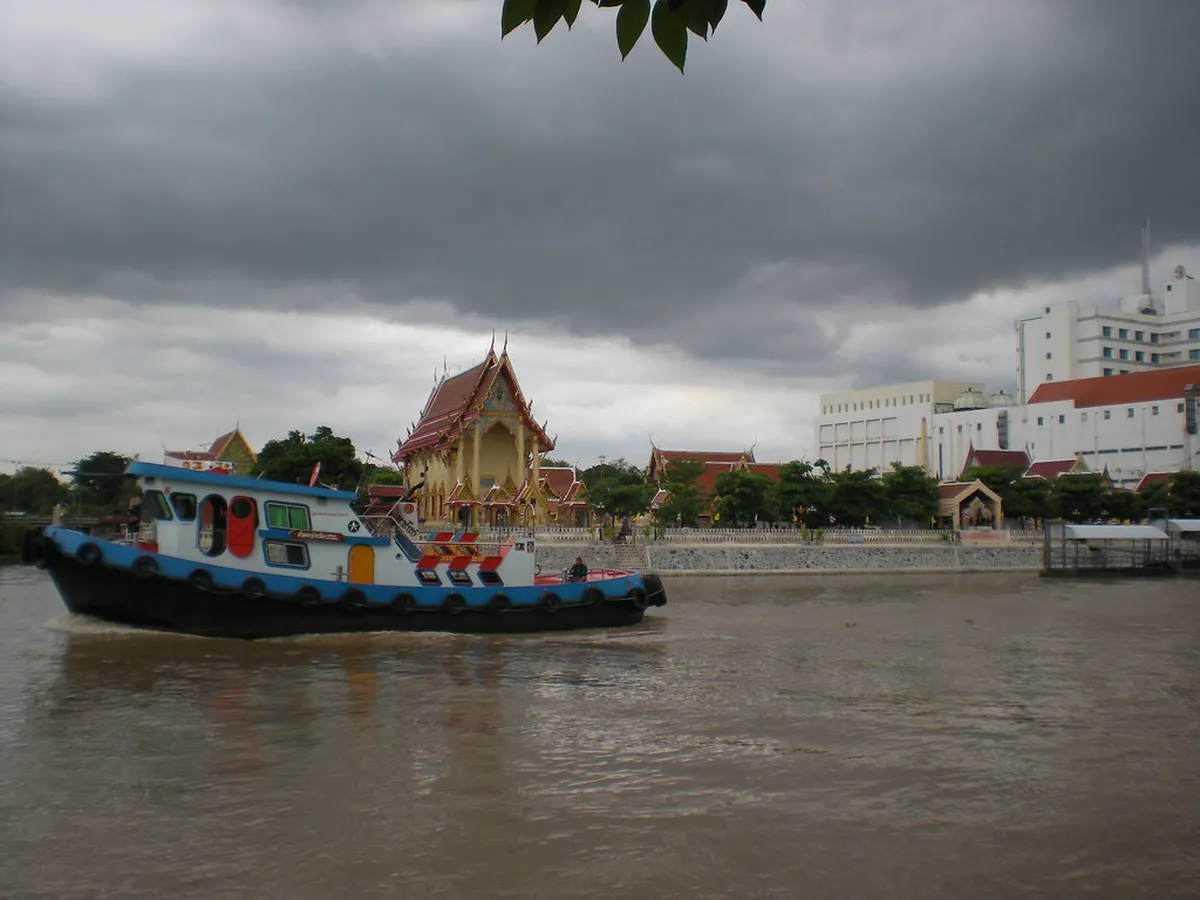
Ayutthaya's character is deeply shaped by its rivers — the Chao Phraya, Pa Sak, and Lopburi rivers encircle the historical island, and many of the most atmospheric ruins sit right on their banks. A boat perspective reveals angles that cyclists and tuk-tuk riders simply never see.
Long-tail boat hire: Private long-tail boats can be chartered from Chao Phrom Pier for 600–800 THB per hour (whole boat, fits 6–8 people). A 90-minute route typically covers Wat Chaiwatthanaram, Wat Phutthaisawan, the elephant camp riverside, and Wat Phanan Choeng — all from the water. Sunrise and late-afternoon departures are the most popular for photography.
Afternoon river cruise tours: Several operators (bookable via the pier or GetYourGuide) offer 3–4 hour afternoon cruises combining a tuk-tuk temple visit, a long-tail river loop, and sunset at Wat Chaiwatthanaram. All-in prices start around 800–1,200 THB per person including transport from central Ayutthaya. These are especially worthwhile for first-time visitors who want structure without a full-day guided tour.
Bangkok–Ayutthaya dinner cruise: For travelers who prefer to travel between Bangkok and Ayutthaya by river rather than rail, overnight dinner cruises depart from Maharaj Pier in Bangkok and arrive in Ayutthaya the next morning. Journey time is approximately 6–7 hours upstream. Prices vary widely by operator — expect 3,500–8,000 THB per person including dinner and a cabin berth. This is a slow, scenic option best suited to those with flexible schedules.
Ferry crossing to Wat Chaiwatthanaram: Even if you skip a dedicated boat tour, don't miss the short 4 THB public ferry that crosses the Chao Phraya to the western bank. The five-minute ride frames the temple's central prang beautifully from the water.
Day Trip Adventures: Riverside Markets and Local Cuisine
Your Ayuthaya itinerary truly comes alive with the day trip adventures that blend vibrant local markets and delicious cuisine. This charming city, known for its rich history and stunning temples, also showcases a lively culinary scene that's not to be missed. Therefore, this section guides you through the best spots to experience authentic Thai flavors while enjoying the beautiful riverside setting. For a deep dive into Ayutthaya's food scene, see our best local food in Ayutthaya guide.
Start your day at the bustling Ayothaya Floating Market, which opens early in the morning. Here, you can stroll along the picturesque canals, lined with vendors selling fresh produce, handcrafted goods, and traditional Thai delicacies. Taste the local favorite, boat noodles, a savory dish served in a small bowl filled with rich broth and tender meat. Additionally, try kanom krok, a delightful coconut pudding that melts in your mouth. Not only do the food choices tantalize your taste buds, but you can also immerse yourself in the vibrant local culture. Watch as artisans demonstrate their crafts and interact with friendly vendors who are passionate about their goods.
After exploring the floating market, take a short trip to the Riverside Night Market (also known as ตลาดกลางคืน). While traditionally an evening destination, visiting in the late afternoon allows you to experience the buildup of exciting stalls. Live music often fills the air as locals gather to enjoy food and socialize. Sit at a riverside table and indulge in more culinary delights, such as pad thai or som tam (spicy papaya salad) while enjoying the calming river views. Additionally, consider pairing your meal with a refreshing Thai iced tea, an unforgettable beverage that adds a sweet finish to your meal.
Pro Tip: Don't hesitate to ask local vendors for their recommendations. You may discover hidden treasures on the menu that are not typically found in restaurants!
The next stop on your journey should be the Wat Phanan Choeng, located nearby. Known for its stunning antiquities and beautiful architecture, this temple is not just a spiritual haven but also a visual feast. Located along the Chao Phraya River, it features a striking 19-meter tall seated Buddha statue that creates a serene atmosphere. Feel the tranquility wash over you as you walk through this heritage site, capturing picturesque moments as you go.
To ensure you get the most out of your day trip, consider joining a guided tour that encompasses both the floating market and the culinary highlights. Such tours often include transportation, making it easier to navigate between locations without the hassle of parking or public transport. For more thorough exploration options, refer to our 3-Day Ayuthaya Itinerary or if time permits, our 5-Day Ayuthaya Itinerary can provide further insights into enhancing your experience.
In summary, your day trip adventures through riverside markets and local cuisine are deeply enriching aspects of your Ayuthaya itinerary. They allow you to not only taste the local flavors but also engage with the culture and community, making your travel experience all the more memorable.
Planning your trip to Ayuthaya?
- Best Local Food in Ayutthaya - Eat like a local
- Day Trip vs Overnight Stay in Ayutthaya - Make the right call
- How to Get to Ayutthaya from Bangkok - Train, bus and minivan options
Hidden Gems: Off-the-Beaten-Path Attractions in Ayuthaya
When exploring Ayuthaya, most visitors flock to the renowned temples and historical sites. However, there exists an array of hidden gems that offer a unique perspective on this ancient capital. These attractions, often overlooked, allow you to delve deeper into Thai culture and history, making your Ayuthaya itinerary truly unforgettable.
One of the first hidden gems worth visiting is the Wat Phu Khao Thong, an impressive white stupa that stands tall amidst the landscape. Unlike the more famous temples, this site offers a peaceful atmosphere where you can reflect and take in the beauty of the surroundings. Additionally, climbing to the top of the stupa rewards visitors with a panoramic view of the Ayuthaya countryside, providing the perfect backdrop for stunning photographs.
Next, consider venturing to the Ayuthaya Historical Park's lesser-known spots, such as Wat Maheyong. This temple, known for its tranquil ambiance, lets you appreciate unique architecture and fewer crowds. The serene environment allows for peaceful exploration where you can genuinely immerse yourself in the history of the site. Moreover, the nearby Wat Phra Si Sanphet gives you an opportunity to glimpse the remnants of Ayuthaya's past splendor.
Additionally, you cannot miss the Chedi Wat Phra Ram. This historical site features impressive ruins and serene ponds. Its less touristy atmosphere offers visitors a chance to reflect on the significance of these historical monuments. Indeed, spending a few quiet moments here can enrich your understanding of Ayuthaya's storied past.
Pro Tip: To uncover more hidden gems, consider engaging with local guides who have a wealth of knowledge about off-the-beaten-path attractions. Their insights can transform your visit into a cultural journey.
Furthermore, head to the Bang Pa-In Palace, also known as the Summer Palace, which may not be on everyone's Ayuthaya itinerary. Encompassing a stunning blend of traditional Thai architecture and European influences, this site allows visitors to wander through beautiful gardens and ornate buildings. As you stroll the grounds, take note of the diverse architectural styles, from classic Thai to neo-Palladian, which speak to the rich cultural synthesis of the region.
For nature enthusiasts, secret spots like the Chao Phraya Riverbank provide a breathtaking backdrop to unwind. Authentic riverfront experiences can be savored through boat tours that illustrate the daily life of locals along the scenic riverbanks. These tours not only allow you to see the natural beauty of Ayuthaya but also provide insight into the area's centuries-old trade routes.
Conclusively, adding these hidden gems to your Ayuthaya itinerary opens doors to cultural discovery and timeless beauty. For a more extensive guide, our 3-Day Ayuthaya Itinerary can feature meticulously curated experiences. Alternatively, for those with a deeper interest, please explore our 5-Day Ayuthaya Itinerary that encapsulates these treasures and much more, ensuring a comprehensive exploration of this magnificent destination.
Explore Ayuthaya like a pro with these guides
- Must-See Ayutthaya Temples - Your complete temple guide
- Ayutthaya Bike Rental Tips - Get around independently
- Where to Stay in Ayutthaya - Best guesthouses near the ruins
A Cultural Immersion: Local Crafts and Workshops
Immerse yourself in the vibrant culture of Ayuthaya with an unforgettable experience centered on local crafts and workshops. Your Ayuthaya itinerary should undoubtedly include opportunities to engage with the rich traditions and artisanal skills that define this historical city. With its deep-rooted heritage, Ayuthaya offers visitors an array of workshops that reflect the local way of life, as well as the chance to create handmade souvenirs to cherish long after your visit.
Begin your cultural journey by exploring the fascinating art of traditional Thai pottery. Several workshops around the historic ruins offer sessions where you can learn about ancient techniques dating back to the Ayuthaya period. By working with local artisans, you'll not only gain firsthand experience but also acquire knowledge about the significance of pottery in Thai culture. These pottery items range from beautifully painted urns to functional tableware, all made using techniques that have been passed down through generations.
Pro Tip: Don't be afraid to get your hands dirty! Embracing the process is part of the fun, and your personal creations will serve as meaningful mementos.
Moving on, consider enrolling in a silk weaving workshop. Ayuthaya has a rich history of silk production, renowned for its quality and vibrancy. These workshops will introduce you to the intricate methods of dyeing and weaving, allowing you to understand the craftsmanship behind each piece. In addition, you will have the opportunity to design a simple silk scarf or fabric, making for a lovely and useful souvenir to take back home.
Moreover, while visiting local markets, keep an eye out for stalls selling traditional handicrafts like handmade bamboo products. These include everything from baskets and mats to intricate ornaments. Engaging artisans here can further enhance your understanding of how these items are crafted and their cultural significance. Often, artisans are eager to share their stories, providing a deeper connection to the community.
It's essential to allocate time for Thai cooking classes as part of this cultural immersion. Food is an integral element of Thai culture, and participating in cooking courses not only allows you to learn about local flavors but also to appreciate the health and wellness benefits of traditional Thai cuisine. Guided classes typically start at local markets, where you'll learn to select fresh ingredients before heading to the kitchen to create your own Thai dishes. The knowledge acquired here will enable you to recreate delightful meals back home, drawing upon flavors inspired by your time in Ayuthaya.
Lastly, enhancing your experience can also be achieved through visiting local cultural festivals or fairs. These events often showcase traditional dance, music, and crafts. Learning about cultural heritage can shape a richer travel narrative, offering memories that are both educational and engaging. If you're looking to plan a journey with more depth, take a glance at our detailed guides:
Ayuthaya Itinerary for 3 Days and Ayuthaya Itinerary for 5 Days, where you can gather additional insights on crafting your ideal trip.In summary, a cultural immersion in Ayuthaya provides extraordinary opportunities to learn through hands-on experiences. Each workshop and local encounter allows you to uncover the city's heritage while crafting unforgettable memories. This approach skillfully intertwines education with enjoyment, ensuring that your Ayuthaya itinerary remains deeply reflective of the rich cultural landscape you are visiting.
Want to make the most of your Ayuthaya adventure?
- Best Local Food in Ayutthaya - Flavors and markets guide
- Ayutthaya Budget Travel Guide - Workshops, food and temples on a budget
- Where to Stay in Ayutthaya - Find the perfect place to stay
Best Time to Visit: Seasonal Highlights for Your Ayuthaya Itinerary
When planning your Ayuthaya itinerary, understanding the best times to visit is crucial for an enjoyable experience. Ayuthaya, with its stunning temples and rich cultural heritage, attracts visitors year-round. However, seasonal variations can affect your travel plans, including weather conditions and local festivals. Thus, knowing when to go can maximally enrich your journey. For a detailed seasonal breakdown, see our best time to visit Ayutthaya guide.
Generally, the ideal time to visit Ayuthaya is during the cool season, which spans from November to February. During these months, the weather is pleasantly cool and dry, averaging between 24°C to 30°C (75°F to 86°F). As temperatures are moderate at this time, you can explore the ancient ruins without the discomfort of extreme heat. Many tourists enjoy this period, so be prepared for larger crowds, which can also influence accommodation prices.
As an alternative, the hot season, lasting from March to June, can be quite challenging. Temperatures regularly soar above 35°C (95°F), making daytime exploration tiring. If you choose to visit during this time, aim to explore early in the morning or late in the afternoon. Additionally, stay hydrated and wear light, breathable clothing.
Pro Tip: If you can handle the heat, consider visiting during the hot season for a quieter experience. Local attractions will be less crowded, and accommodation prices might be lower.
Moving into the rainy season, which typically runs from July to October, visitors may experience sporadic downpours and increased humidity. Though rain can disrupt outdoor activities, the landscapes become incredibly lush and vibrant. Furthermore, major festivals like Rains Retreat (Khao Phansa) occur during this period, providing unique cultural insights through local ceremonies. Just remember to pack an umbrella!
Here's a quick comparison of the seasons to help you choose the best time for your visit:
| Season | Weather | Recommended Activities | Crowd Levels |
|---|---|---|---|
| Cool Season (Nov - Feb) | 24°C - 30°C (75°F - 86°F), dry | Temple visits, river cruises | High |
| Hot Season (Mar - Jun) | 30°C - 40°C (86°F - 104°F), very hot | Mornings and evenings exploring | Moderate |
| Rainy Season (Jul - Oct) | 25°C - 35°C (77°F - 95°F), humid with rain | Cultural festivals | Low |
Ultimately, no matter when you choose to visit, Ayuthaya offers an array of experiences that cater to all types of travelers. To further enhance your travel planning, consult our Ayuthaya Itinerary for 3 Days, which offers a well-structured schedule to manage your time in the ancient capital effectively. If you are looking for more extensive insights, our Ayuthaya Itinerary for 5 Days is also worth checking out.
In conclusion, the best time to visit Ayuthaya varies based on personal preferences and goals for your trip. With some careful planning and awareness of seasonal highlights, you are on your way to experiencing the captivating beauty of Ayuthaya.
Before you head to Ayuthaya, here are some essential resources
- Best Time to Visit Ayutthaya - Full seasonal guide for 2026
- How to Get to Ayutthaya from Bangkok - Train, minivan and bus options
- Ayutthaya Budget Travel Guide - What everything costs in 2026
Travel Tips for Navigating Ayuthaya: Transport and Costs
When planning your adventure through the ancient city of Ayuthaya, it's essential to consider the best ways to navigate the area efficiently. Your Ayuthaya itinerary can be further optimized with a solid understanding of transport options and cost management. This guide will equip you with essential travel tips to enhance your experience.
First and foremost, getting around Ayuthaya can be quite enjoyable due to the variety of transport options available. Most travelers opt for bicycles as their preferred mode of transport. Renting a bicycle is cost-effective and allows you to explore the temples at your own pace. Many rental shops offer bicycles for approximately 50 to 100 THB per day. Moreover, the layout of Ayuthaya, with its relatively flat terrain and dedicated bike lanes, provides an ideal environment for cyclists. For specific rental shop recommendations, see our Ayutthaya bike rental tips.
If you prefer an alternative to cycling, you can easily hire a tuk-tuk or a motorcycle taxi to cover more ground. Tuk-tuks are readily available and can accommodate small groups, making them a fun option too. You'll find that the cost for a ride ranges from 200 to 400 THB depending on your destination. For a quicker and more personalized travel experience, consider booking a motorcycle taxi, which typically charges around 20 to 30 THB per kilometer.
Public transportation is also an option for budget-conscious travelers. The local bus service offers an affordable and authentic way to travel, connecting various parts of the city. Fares are inexpensive, generally ranging from 10 to 30 THB per ride, making it a viable choice for those exploring Ayuthaya on a budget.
Pro Tip: Always negotiate the fare with tuk-tuk drivers before you embark on your journey. This ensures you won't encounter any surprises at the end of your ride.
As with any travel destination, understanding the cost of activities in Ayuthaya is crucial for budget planning. Most temple entrances charge a nominal fee, generally between 50 to 100 THB, which goes towards maintaining the historical sites. In 2026, a combined Historical Park pass covering the major temples is available for 220 THB — worth it if you visit four or more sites. An important tip is to carry both cash and small denominations, as many smaller vendors and attractions may not accept credit cards.
Accommodation options vary significantly; however, budget travelers can find guesthouses and hostels starting as low as 300 THB per night. If you're seeking more comfort, mid-range hotels offer rates between 800 to 1500 THB. For those traveling in larger groups or family settings, consider renting a villa or apartment through platforms like Airbnb for a convenient and spacious option.
Dining in Ayuthaya is a real treat and can cater to every budget. Street food vendors offer local dishes for as little as 30 to 60 THB, while restaurants may charge anywhere from 100 to 300 THB for a full meal. It is also recommended to try local specialties such as boat noodles or grilled river prawns — they'll tantalize your taste buds!
Transportation choices blend comfort and cost-effectiveness, so ensure your Ayuthaya itinerary includes strategic planning. This helps you to explore the magnificent temples and other attractions without breaking the bank. If you're looking for additional travel advice or insights, be sure to check out our 3-Day Ayuthaya Itinerary and 5-Day Ayuthaya Itinerary for a well-rounded experience.
In conclusion, navigating Ayuthaya is a manageable and enjoyable undertaking, especially when you understand your transport options and keep your costs in mind. By leveraging these tips, you'll ensure your trip is enriching and within budget, allowing you to focus on the historical wonders this UNESCO World Heritage site has to offer.
Frequently Asked Questions
What is the best time to visit Ayuthaya?
How many days do I need for Ayuthaya?
What are must-visit attractions in Ayuthaya?
How do I get from Bangkok to Ayutthaya?
How to get around in Ayuthaya?
How much does it cost to visit Ayutthaya temples in 2026?
Are there any good day trips from Ayuthaya?
Where can I experience authentic local cuisine in Ayuthaya?
This Ayuthaya itinerary is crafted to highlight the best of this historic city while giving you the flexibility to explore at your own pace. From breathtaking temple complexes to delightful local flavors, Ayuthaya promises an enriching travel experience. Start planning your Ayuthaya itinerary today and immerse yourself in Thailand's vibrant history and culture!
Looking for more Ayuthaya insights?
- Ayutthaya 3-Day Itinerary - Full day-by-day schedule
- Ayutthaya 5-Day Itinerary - Deep dive into temples, culture and food
- Ayutthaya Budget Travel Guide - 2026 costs and money-saving tips