Embarking on Stavanger architecture research offers a fascinating journey. This Norwegian city blends ancient traditions with innovative modernity. Its buildings tell stories spanning centuries of rich history. Researchers will find unique topics for in-depth study here.
This guide provides a comprehensive overview for your academic pursuits. Discover key architectural styles and significant landmarks. Learn where to find valuable resources for your work. Prepare for an enriching experience in Stavanger, Norway, in 2026.
Uncovering Historical Stavanger Architecture
Turn this guide into a personal route with our free Stavanger itinerary planner.
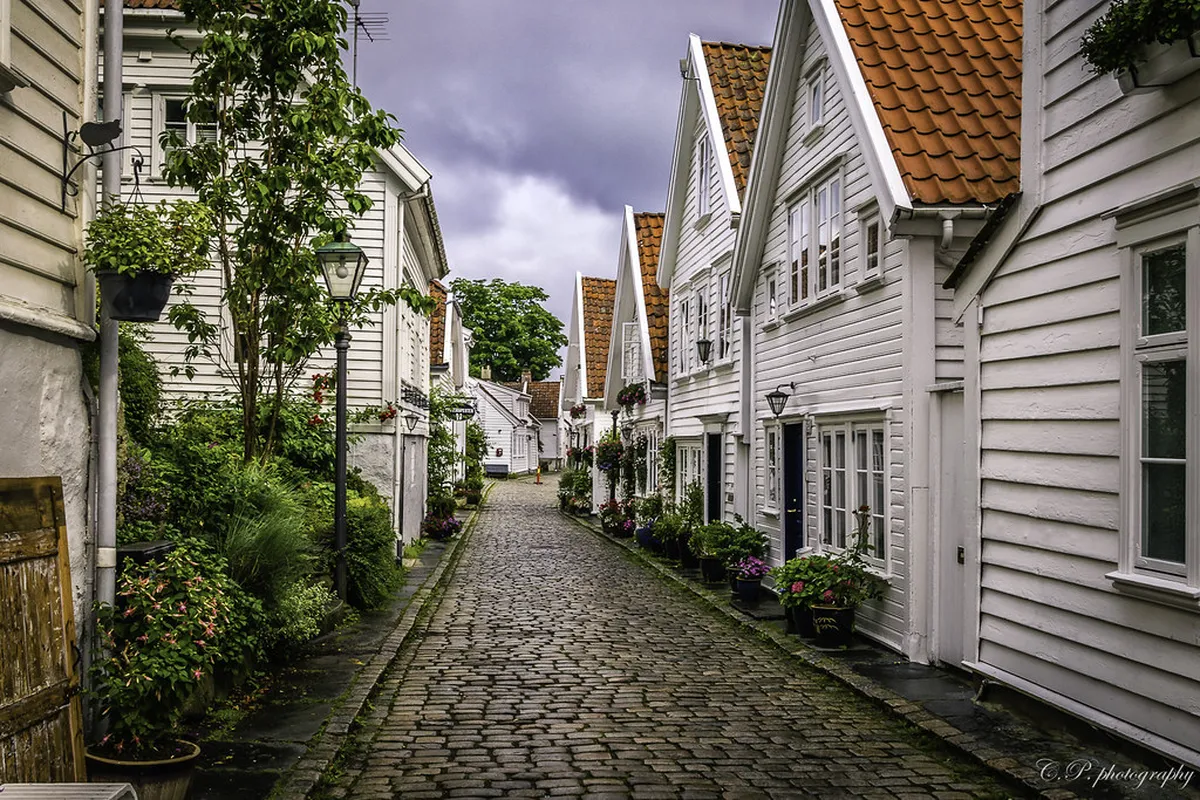
Old Stavanger, known as Gamle Stavanger, is a prime research area. It features Europe's largest collection of preserved wooden houses. These charming homes date mostly from the 18th and 19th centuries. Studying Old Stavanger architecture reveals traditional Nordic building methods.
Many houses are painted a pristine white. They reflect the city’s historic prosperity from fishing and shipping. The narrow cobblestone streets invite exploration. Documenting these structures provides insight into urban heritage protection.
The Stavanger Cathedral stands as a testament to medieval design. This stunning building dates back to the 12th century. Its Romanesque and Gothic elements are perfect for detailed analysis. Research its construction techniques and subsequent renovations. Understanding its evolution is crucial for historical context.
Explore the intricate details of its stone carvings. Note the modifications made through different periods. The Cathedral represents a cornerstone of Stavanger's architectural past. It offers a glimpse into early Norwegian craftsmanship. Consider its role in the city's development.
Modern Stavanger: Innovation and Design
Stavanger's modern architecture offers a stark contrast to its older parts. The city actively embraces contemporary design. New buildings often incorporate sustainable practices. This blend creates a dynamic urban landscape for study.
The waterfront area showcases significant development. Here, glass and steel structures rise alongside the harbor. These buildings reflect Stavanger's status as an energy capital. Research the impact of the oil industry on urban planning.
The University of Stavanger features several notable modern buildings. These academic structures blend functionality with aesthetic appeal. Their designs often emphasize open spaces and natural light. Explore Stavanger University buildings for insights into educational architecture. You can examine their innovative use of materials and layouts.
Consider the new cultural institutions like Tou Scene. This former brewery now hosts arts and events. Its industrial heritage is cleverly integrated into its modern function. Such adaptive reuse projects are vital for modern architectural research. They demonstrate creative urban regeneration strategies. Also, check out other modern Stavanger buildings for inspiration.
Diverse Architectural Styles for Study
Stavanger presents a rich tapestry of architectural styles for researchers. Beyond the charming wooden houses, you'll find other influences. This diversity makes the city an exciting case study location. Identify distinct periods and their defining characteristics.
Art Nouveau: Discover elegant Art Nouveau buildings around the city center. Their intricate facades and decorative elements are striking. Look for curved lines, floral motifs, and ornate balconies. These structures add a unique flair to the urban fabric. They often stand out among simpler designs.
- Key Features: Asymmetrical designs, flowing lines, naturalistic ornamentation.
- Notable Examples: Certain buildings along Kirkegata and Øvre Holmegate.
Brutalist Architecture: Some mid-20th-century buildings feature Brutalist elements. These structures are characterized by raw concrete and strong geometric forms. They represent a distinct architectural philosophy. Understanding their context within Stavanger's growth is interesting. You can find examples near the city's administrative areas. Research Stavanger Brutalist architecture for a deeper dive.
Additionally, Stavanger's industrial heritage is visible. Former canning factories have been repurposed. Their robust brick and stone structures offer insights into past industries. These buildings often stand as a testament to the city’s economic shifts. Exploring various Stavanger architectural styles provides a complete picture.
Resources for Stavanger Architecture Research
Effective architecture research requires access to good resources. Stavanger offers several institutions and tools for your studies. Planning ahead ensures a productive research trip for 2026. Utilize local knowledge and expert guidance effectively.
The Stavanger City Archives holds valuable historical documents. These include old maps, building permits, and photographs. The Stavanger Museum also features exhibitions on local history and culture. Their collections often include architectural artifacts. Visit these places early in your research process.
Consider joining an architecture walking tour in Stavanger. These tours provide local insights and highlight key buildings. Guides often share fascinating stories and historical facts. They can point out details you might otherwise miss. Many tours focus on specific architectural periods or areas.
For academic resources, explore the University of Stavanger Library. They have a collection of books and journals on Nordic architecture. Online databases and local architectural firms can also be useful. Check academic resources for Stavanger research before your visit. Connect with local architects for contemporary perspectives.
Frequently Asked Questions
Where can I find academic studies on Stavanger's building styles?
You can find academic studies at the University of Stavanger Library. They house a comprehensive collection of architectural texts. Online academic databases also list relevant research papers. Look for specialized journals focusing on Nordic or European architecture. Many resources are available digitally.
What are the best areas for historical architecture research in Stavanger?
Old Stavanger (Gamle Stavanger) is the primary area for historical research. Its well-preserved wooden houses are a unique highlight. The area around Stavanger Cathedral also offers medieval structures. These locations provide abundant material for in-depth study. Research historical building protection for further context.
Are there specific architects whose work defines Stavanger's modern landscape?
Several local and national architects have shaped modern Stavanger. While no single name dominates, many firms contribute to current projects. Studying specific buildings will reveal their designers. You can often find this information through local city planning departments. Focus on projects with innovative or sustainable designs. Contact Stavanger architecture firms for current insights.
Stavanger provides a rich environment for architecture research. Its unique blend of historical and modern styles captivates scholars. From ancient wooden houses to innovative contemporary designs, there's much to explore. Plan your 2026 research trip to delve into this fascinating city.
Utilize the provided resources and tips for a successful journey. Stavanger's architectural story awaits your discovery. Start your detailed Stavanger architecture itinerary today. The city's buildings offer endless opportunities for insight.
Key Takeaways
- Stavanger offers diverse architectural styles from medieval to modern.
- Old Stavanger's wooden houses are crucial for historical research.
- Utilize local archives, museums, and university libraries for resources.
- Modern buildings showcase sustainable design and industrial heritage reuse.
- Walking tours provide excellent on-the-ground insights for your study.