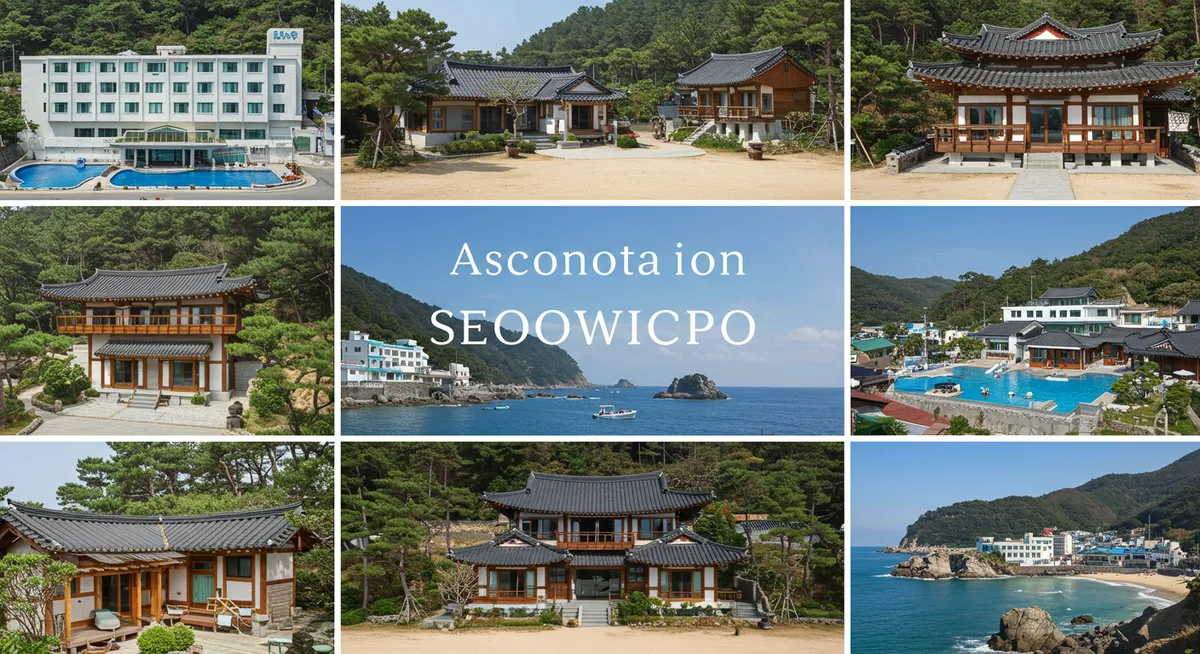
TL;DR: Jungmun Tourist Complex is best for luxury resorts and families. Seogwipo City Center suits budget travelers and foodies who want walkable access to markets and waterfalls. Yerae-dong and the western coast offer quiet boutique stays near hidden beaches. For nature lovers, the eastern Namwon area puts you closest to Jeju's hiking trails and volcanic landscapes. Read on for neighborhood-by-neighborhood breakdowns, price ranges, and booking tips for 2026.
Seogwipo sits on the southern coast of Jeju Island and serves as the gateway to some of South Korea's most dramatic landscapes — towering waterfalls, volcanic coastline, tangerine orchards, and UNESCO-recognized geological sites. Choosing where to stay in Seogwipo can make or break your trip because the city stretches across a wide coastal area with distinct neighborhoods, each offering a different travel experience.
After multiple extended stays across different parts of Seogwipo, we have put together this comprehensive 2026 guide covering every major neighborhood, accommodation type, and practical booking strategy. Whether you are visiting for a long weekend or a full week, this breakdown will help you match your travel style to the right area.
Jungmun Tourist Complex: Luxury Resorts and Family-Friendly Stays
Turn this guide into a personal route with our free Jeju itinerary planner.
The Jungmun Tourist Complex remains Seogwipo's premier upscale district in 2026. Located along the southwestern coast, this purpose-built resort zone is home to internationally branded hotels including Lotte Hotel Jeju, Shilla Jeju, and the Hyatt Regency. Room rates typically range from 200,000 to 500,000 KRW per night during peak season (July through August), though shoulder-season deals in May or October can drop prices by 30 to 40 percent.
What makes Jungmun stand out for families is the density of attractions within walking distance. Cheonjeyeon Waterfall, the Teddy Bear Museum, Yeomiji Botanical Garden, and Jungmun Saekdal Beach are all accessible without a car. Most resorts here also offer kids' clubs, swimming pools, and on-site dining — a genuine convenience when traveling with young children. For an overview of the area's top waterfalls, see our Seogwipo waterfalls guide.
The trade-off is isolation from local life. Jungmun feels like a resort bubble: polished and comfortable, but separated from the markets, street food stalls, and neighborhood cafes that give Seogwipo its character. If you prioritize luxury and convenience over cultural immersion, this is your best bet.
Seogwipo City Center: Local Culture, Markets, and Budget-Friendly Hotels
Seogwipo City Center is the beating heart of the region and the strongest all-around choice for most travelers in 2026. Staying here puts you within a 10-minute walk of Seogwipo Maeil Olle Market (open daily, best visited in the morning), Lee Jung Seop Art Street, and the iconic Cheonjiyeon Waterfall.
Accommodation options range from backpacker hostels at 25,000 to 40,000 KRW per night to mid-range hotels and Airbnb apartments in the 80,000 to 150,000 KRW range. Newer boutique guesthouses have been opening along the harbor area, offering modern interiors with ocean-view terraces at competitive prices.
The city center also has the best public transportation connectivity. The 600 airport limousine bus stops here, and local buses fan out to Jungmun, Hallasan trailheads, and eastern Jeju. Check our Seogwipo transportation guide for routes and schedules. For foodies, this neighborhood is unmatched — the Olle Market alone has dozens of stalls serving black pork, abalone porridge, hallabong juice, and freshly caught hairtail fish. Dive deeper into the culinary scene with our Seogwipo food guide.
Yerae-dong and the Western Coast: Quiet Boutique Retreats
Yerae-dong sits between Jungmun and Seogwipo City Center, occupying a stretch of coast that feels worlds apart from both. This area has emerged as a favorite among couples and solo travelers looking for design-forward pension stays and peaceful surroundings. Small independent hotels and converted Jeju stone-house pensions dot the hillside, many with unobstructed views of the ocean and Marado Island on clear days.
Prices in Yerae-dong tend to fall between 100,000 and 250,000 KRW per night, positioning it in the mid-range sweet spot. The neighborhood is quieter at night, with just a handful of cafes and restaurants — you will likely need a car or taxi for evening dining options. However, the morning coastal walks along the Olle Trail sections that pass through here are among the most scenic on the entire island.
Further west toward Andeok and Hwasun, you will find even more secluded stays near Hwasun Gold Sand Beach and the columnar basalt formations at Jusangjeolli Cliff. These areas work well as a base if you plan to spend most of your days outdoors exploring Seogwipo's lesser-known attractions. Our Seogwipo hidden gems guide covers many of the off-the-beaten-path spots accessible from the western coast.
Namwon and the Eastern Side: Nature, Hiking, and Volcanic Landscapes
The eastern stretch of Seogwipo — centered around Namwon-eup and extending toward Pyoseon — is the least touristy area and the best base for hikers and nature enthusiasts. Hallasan National Park's Seongpanak trailhead (the most popular route to the summit) is accessible within a 30-minute drive from Namwon, and the Saryeoni Forest Trail is even closer.
Accommodation here leans toward pensions, farm-stays, and family-run guesthouses. Expect to pay 60,000 to 120,000 KRW per night. Facilities tend to be simpler than in Jungmun or the city center, but many properties offer unique perks like tangerine-picking experiences, home-cooked Jeju breakfasts, and access to private gardens.
The Namwon area is also home to some of Seogwipo's best-kept-secret beaches, including Pyoseon Haevichi Beach, which features an unusually wide tidal flat perfect for wading with children. Public transportation is less frequent on this side of Seogwipo, so renting a car is highly recommended if you choose to stay east.
How to Choose the Right Neighborhood: A Quick Comparison
Matching your travel priorities to a neighborhood simplifies the decision. Here is a practical breakdown:
- Best for luxury and resorts: Jungmun Tourist Complex — high-end chains, resort pools, ocean views.
- Best for budget travelers: Seogwipo City Center — affordable hostels and guesthouses, walkable to markets and waterfalls.
- Best for couples and quiet retreats: Yerae-dong and the western coast — boutique pensions, coastal walks, low crowds.
- Best for hikers and nature lovers: Namwon and the eastern side — closest to Hallasan trails, Saryeoni Forest, and secluded beaches.
- Best for families with children: Jungmun (for resort amenities) or Seogwipo City Center (for flexibility and food variety).
If you are visiting Seogwipo for three days or fewer, staying in the city center gives you the most efficient access to the widest range of attractions. For longer stays of five days or more, consider splitting your time between two neighborhoods — for example, starting in the city center and finishing in Jungmun or Yerae-dong.
Booking Tips and Seasonal Advice for 2026
Seogwipo's accommodation market has some patterns worth knowing before you book:
- Peak season (July to August): Prices jump 40 to 60 percent across all neighborhoods. Book at least 6 to 8 weeks in advance for Jungmun resorts, 3 to 4 weeks for city center hotels.
- Cherry blossom season (late March to early April): Increasingly popular. Seogwipo's cherry blossoms bloom about a week earlier than the rest of South Korea, drawing domestic tourists. Mid-range hotels fill up fast.
- Best value months: November through February (excluding Lunar New Year) and late September through October offer the lowest rates and pleasant weather. Autumn foliage around Hallasan is spectacular.
- Platform comparison: Korean booking platforms like Yanolja and Goodchoice often have lower rates for pensions and guesthouses than international platforms. Use Booking.com or Agoda for chain hotels where price-match guarantees apply.
- Cancellation policies: Most Korean pensions require full prepayment with limited refund windows (typically 7 days before check-in). Read the fine print carefully before confirming.
Plan your daily itinerary around your accommodation base using our detailed Seogwipo itinerary or our best things to do in Seogwipo guide to maximize your time.
Frequently Asked Questions
What is the best area in Seogwipo for families in 2026?
Is Seogwipo City Center good for budget travelers?
How far is Seogwipo from Jeju International Airport?
Do I need a rental car to get around Seogwipo?
When is the cheapest time to visit Seogwipo?
What are the best booking platforms for Seogwipo hotels?
Choosing where to stay in Seogwipo ultimately comes down to what kind of trip you want. Luxury seekers will be happiest in Jungmun. Culture-oriented travelers and foodies belong in the city center. Couples seeking quiet romance should look at Yerae-dong. And hikers or nature lovers will find the eastern Namwon area most rewarding. Whichever neighborhood you choose, Seogwipo's southern coast of Jeju Island delivers some of South Korea's most memorable landscapes and warmest hospitality.