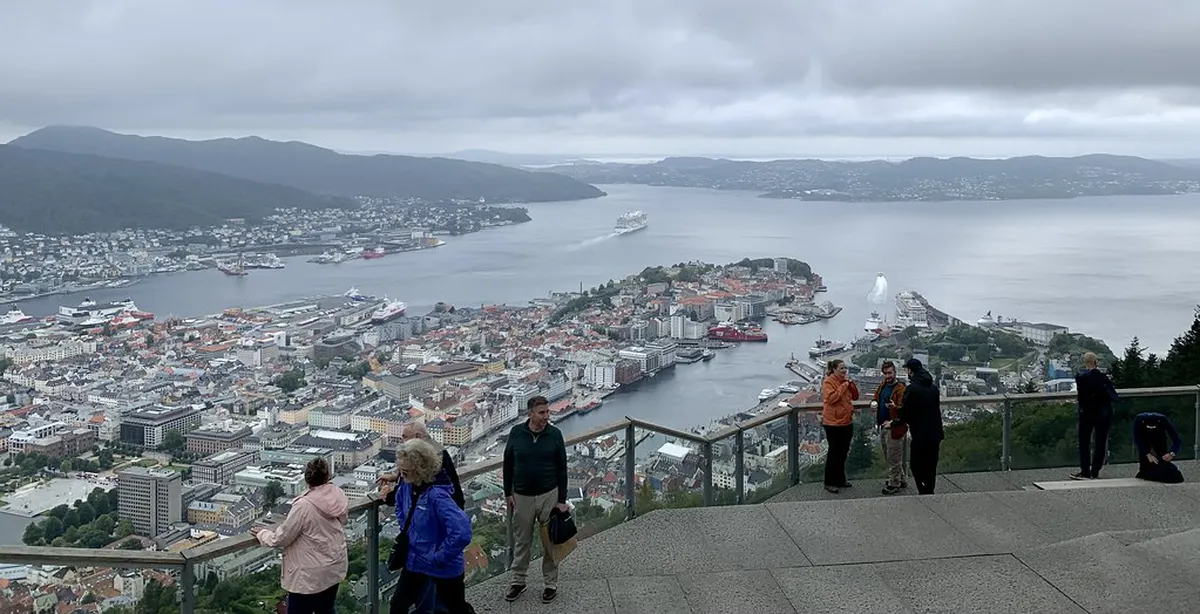
Bergen, Norway, offers a captivating journey through time. Its rich Bergen architectural history tells a unique story. The city has endured many fires over centuries. Each rebuilding shaped its distinctive character. You will find a fascinating blend of old and new.
This quick guide helps you explore Bergen's stunning structures. From ancient wooden buildings to modern marvels, there is much to see. Plan your adventure through Bergen's architecture in 2026. Uncover hidden gems and iconic landmarks. Learn about the events that shaped this beautiful city's look.
Bryggen: Bergen's Iconic Wooden Architecture
Turn this guide into a personal route with our free Bergen itinerary planner.
Bryggen stands as a UNESCO World Heritage site. It showcases Bergen's enduring wooden architecture. These colorful houses reflect centuries of trade. The Hanseatic League built these wharf-side buildings. They served as important trading posts.
Fires repeatedly destroyed Bryggen over time. Each time, it was rebuilt using traditional methods. The current structures largely date from after 1702. They faithfully replicate earlier designs. This resilience defines much of Bergen's wooden house styles.
Walk through Bryggen's narrow alleys today. You will experience its historical charm firsthand. Observe the unique construction techniques. Many buildings lean slightly due to soft ground. Explore the small shops and workshops found there. This area truly defines the city's spirit.
Visiting Bryggen offers a glimpse into medieval commerce. It remains a vibrant part of Bergen life. Learn more about this fascinating area with our Bryggen architecture guide. It is a must-see for any visitor.
Surviving Fires: Medieval & Renaissance Structures
Not all of Bergen burned down in every fire. Some stone structures withstood the flames. These buildings offer a glimpse into older architectural eras. They represent the city's medieval and Renaissance periods. Their survival is a testament to their sturdy construction.
Bergen boasts several impressive churches. St. Mary's Church is the oldest. It dates back to the 12th century. This Romanesque basilica survived numerous fires. Its robust stone walls protected it. Explore other significant Bergen churches and their architecture.
Bergenhus Fortress also stands strong. Parts of it date to the 13th century. Håkon's Hall is a prominent medieval structure within the fortress. It served as a royal residence. The fortress’s stone construction ensured its longevity. Discover more about Bergen fortress architecture.
These stone buildings highlight early construction techniques. They used local materials for strength. This showcases the ingenuity of past builders. They understood the importance of resilient design. These structures are vital parts of Bergen's narrative.
Art Nouveau & Grand Rebuilding Eras
A catastrophic fire in 1916 reshaped much of Bergen. It devastated large parts of the city center. This event led to a grand rebuilding effort. Architects introduced new styles and urban planning. The city emerged with a more modern feel.
Art Nouveau became a prominent style during this period. You can see its elegant lines and decorative elements. Many buildings from the early 20th century show this influence. Look for curved facades and natural motifs. Our guide to Art Nouveau Bergen buildings provides great examples.
The rebuilding also focused on wider streets. This helped prevent future fire spread. The new city plan created a more organized layout. It balanced functionality with aesthetic appeal. This careful urban design is evident today. Learn more about Bergen's city planning architecture.
Other styles, like Neoclassicism, also appeared. They contributed to the eclectic mix. This era demonstrates Bergen's ability to innovate. The city consistently rebuilds stronger and more beautifully. It always honors its past while embracing change.
Modern Bergen: Innovation and Sustainability
Post-World War II, Bergen continued to evolve. New architectural trends emerged. Contemporary buildings now stand alongside historic ones. They reflect modern design principles. Functionality and innovative materials are key features.
Today, sustainability heavily influences new projects. Architects prioritize energy efficiency. They also consider eco-friendly materials. Bergen aims to be a green city. Modern buildings often feature green roofs or solar panels. Explore modern architecture in Bergen.
Notable contemporary buildings include the University of Bergen's structures. The Edvard Grieg Hall also represents modern design. These additions blend with the historic fabric. They show the city's forward-thinking vision. This ensures a vibrant future for Bergen.
You can find examples of modern architecture throughout the city. Look for them in new residential areas. Also, explore commercial districts. These buildings add another layer to Bergen's diverse architectural sustainability efforts. They complete its fascinating story.
Frequently Asked Questions
What are the oldest architectural styles found in Bergen?
Bergen's oldest architectural styles include Romanesque and Gothic. St. Mary's Church is a prime example of Romanesque design. Its thick stone walls have stood for centuries. Håkon's Hall at Bergenhus Fortress shows early Gothic influences. These styles date back to the medieval period. See a full Bergen architectural styles timeline.
How have major fires influenced Bergen's building history?
Fires dramatically shaped Bergen's building history. The city experienced many devastating blazes. Each fire led to significant reconstruction efforts. This explains the predominance of wooden buildings. They were often rebuilt quickly after each fire. Stone structures, however, survived more frequently. This constant rebuilding formed Bergen's unique streetscapes.
Can I take an architectural walking tour in Bergen in 2026?
Yes, absolutely! Several options exist for an architectural walking tour in Bergen in 2026. You can join guided tours focusing on Bryggen or the city center. Self-guided tours are also popular. Maps and audio guides are often available. These tours highlight key buildings and their stories. It's a fantastic way to experience the city's design heritage.
Bergen's architectural journey is truly remarkable. From ancient wooden wharves to sleek modern designs, it tells a story. Fires, resilience, and innovation define its unique character. Each era left an indelible mark on its buildings. Explore these layers of history firsthand.
Plan your visit to Bergen in 2026. Wander through its historic streets. Discover the beauty of its diverse architecture. Capture stunning photos at various Bergen architecture photography spots. Let the buildings share their incredible stories with you.
Key Takeaways
- Bryggen's wooden houses are a UNESCO site, rebuilt many times after fires.
- Stone structures like St. Mary's Church and Bergenhus Fortress survived historical fires.
- The 1916 fire led to significant Art Nouveau rebuilding and modern city planning.