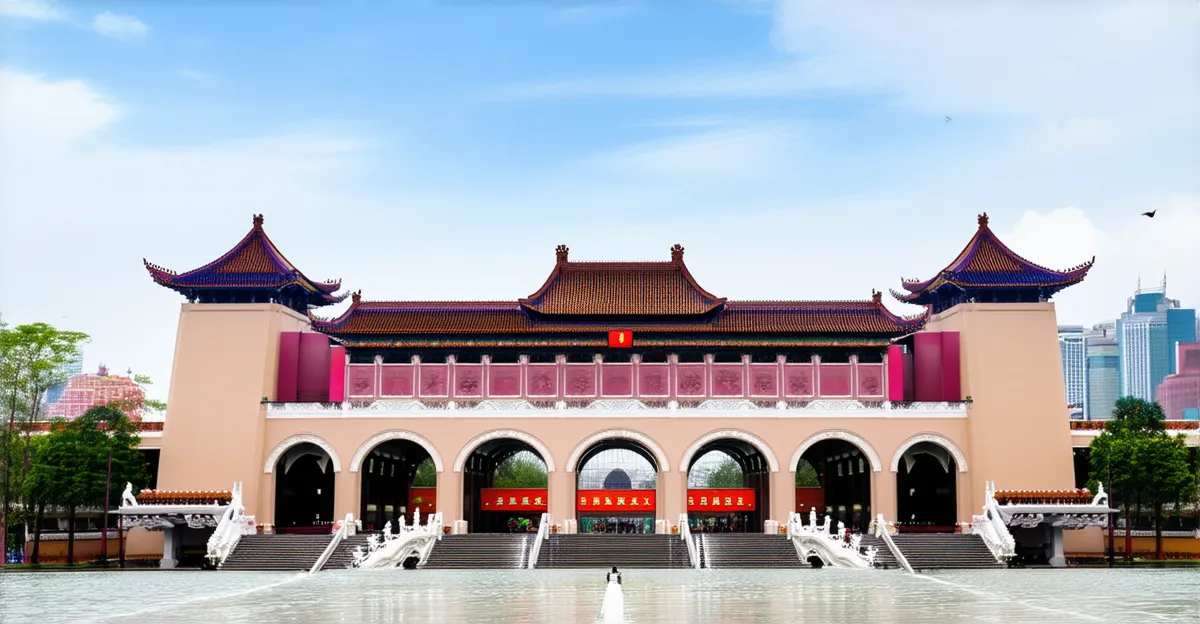
A useful Guangzhou itinerary starts with three decisions: how many full sightseeing days you have, which side of the city should be your base, and which experiences deserve fixed time. Guangzhou is too large for an efficient landmark checklist. Plan it as a set of neighborhood days instead: Liwan for heritage and traditional food, Yuexiu for the central historic city, Zhujiang New Town and Haizhu for the modern riverfront, and Baiyun for a nature-focused outing.
For most first-time visitors, three full days is the best balance. One day can deliver a convincing introduction if you follow a west-to-east route. Five days gives you space for Baiyun Mountain, deeper food exploration, museums, shopping, and a weather buffer. This hub helps you choose among those options; the linked three-day and five-day guides handle the detailed schedules.
Turn this guide into a personal route with our free Guangzhou itinerary planner.
- Choose one day for a tightly edited introduction that combines Liwan heritage, one Cantonese meal, and the Pearl River skyline.
- Choose three days for the strongest first-visit mix of old Guangzhou, modern Guangzhou, and one personal priority.
- Choose five days if you want slower meals, a mountain outing, more neighborhood time, or flexibility for heat and rain.
- Stay by a useful metro station, not merely in a famous district. The station, transfers, and airport or railway connection determine how convenient a hotel really is.
- Verify the moving parts: flight terminal, attraction reservations, event dates, river cruise departures, and light-show schedules can change.
How Many Days Do You Need in Guangzhou?
Plan three full days for a first visit. Choose one day only for a stopover or short extension, and choose five when food, neighborhoods, hiking, or an unhurried pace matters more than seeing the headline sights quickly.
| Time available | Best choice when | What fits comfortably | What to leave out |
|---|---|---|---|
| 1 full day | You want a city overview between other destinations | One Liwan heritage cluster, one substantial Cantonese meal, and one modern riverfront cluster | A mountain outing, multiple museums, and several paid evening experiences |
| 2 full days | You want old and new Guangzhou without a specialist day | One western heritage day and one modern riverfront day | Baiyun Mountain unless it is your highest priority |
| 3 full days | This is your first visit and you want variety | Liwan and Yuexiu, the Pearl River skyline, plus food, nature, shopping, or a museum block | Only the lower-priority options within your third-day theme |
| 4 full days | You want the three-day core plus one meaningful extension | The core city plus Baiyun Mountain, a slower food day, or deeper neighborhood exploration | Do not invent a fourth checklist; choose one coherent addition |
| 5 full days | You prefer depth, slower starts, or more flexible evenings | Core districts, nature, food, shopping, and a spare block for weather or a discovery | A distant day trip unless Guangzhou itself is no longer your priority |
Count usable days, not hotel nights
A late arrival and an early departure do not create two sightseeing days. Start by marking each date as a full day, an arrival half-day, a departure half-day, or a transfer-only day. Then choose the row in the table above using full days. This prevents the common mistake of treating a five-night booking as a five-day sightseeing plan.
Keep an arrival evening close to your hotel. A first night can support dinner and a neighborhood walk, but it should not carry the most important reservation. Likewise, make the final day easy to shorten. A market, park, meal, or shopping block is safer than a distant mountain route before a flight or high-speed train.
Use energy and interests as the tie-breaker
Three days can feel generous to a traveler who prefers one major activity per half-day, or rushed to someone who wants long teahouse meals and photography stops. Add a day when two of these apply: you dislike early starts, you are traveling with children or limited mobility, your visit falls in hot or wet weather, food is a main purpose of the trip, or you want both Baiyun Mountain and a major museum or shopping block.
Build Each Day Around Guangzhou Neighborhoods
The most efficient plan gives each day a geographic center. Combine adjacent sights, then make one deliberate transfer to a different district only when the contrast is worth it.
| Planning zone | Good anchors | Natural pairings | Avoid pairing with |
|---|---|---|---|
| Liwan | Chen Clan Ancestral Hall, Shamian Island, traditional streets, Cantonese food | A heritage morning, dim sum or noodles, and a relaxed neighborhood walk | Baiyun Mountain on the same short day |
| Yuexiu | Yuexiu Park, Beijing Road, central historic sights | A park or museum block followed by food and shopping | Several far-eastern and southern attractions before dinner |
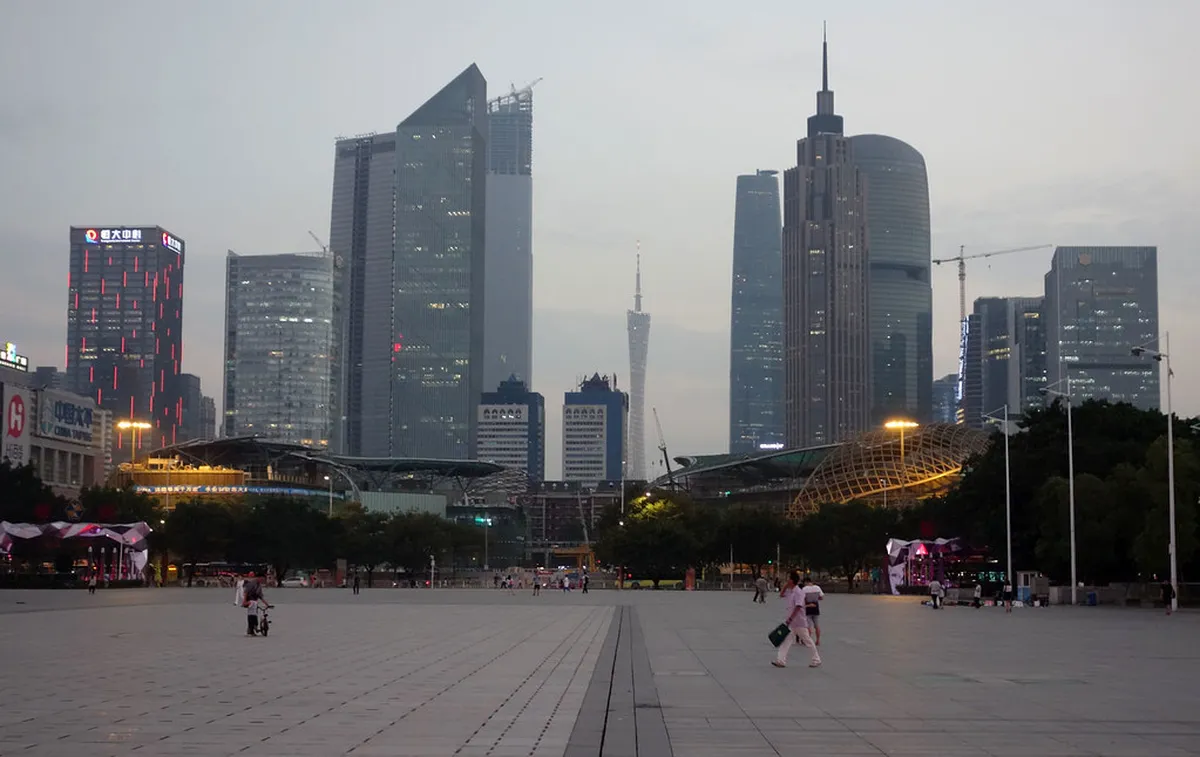
| Zhujiang New Town and Tianhe | Huacheng Square, modern architecture, malls, evening skyline | A later start, contemporary city walk, dinner, and one night experience | A full Liwan program plus multiple ticketed evening activities |
| Haizhu riverfront | Canton Tower area, river views, access to parts of the southern bank | A tower-area visit with a riverfront walk or a single cruise plan | Assuming every river crossing is a quick walk |
| Baiyun | Baiyun Mountain and a nature-led day | An early outdoor block followed by a flexible meal or evening | A dense heritage itinerary in Liwan |
Neighborhood grouping is not a rigid rule. It is a filter: before adding a stop, ask whether it strengthens the theme of that day and whether its transfer replaces something more valuable. If the answer is no, move it to a different day or remove it.
Use one anchor, one supporting block, and one flexible block
An anchor is the experience you would regret missing. It may be a cultural site, a mountain walk, a tower ticket, or a reserved meal. The supporting block should be nearby and require less planning. The flexible block is the first thing to shorten when weather, queues, fatigue, or a long meal changes the day.
This structure is especially useful in Guangzhou because a seemingly small addition can create a long cross-city transfer. It also keeps the itinerary resilient: when an attraction is closed or an evening event is canceled, the whole day does not collapse.
A Realistic One-Day Guangzhou Itinerary
For one day, travel broadly west to east: start with Liwan heritage, protect time for a Cantonese lunch, choose one central-city stop, and finish at the modern Pearl River skyline. Do not add a mountain or several ticketed evening attractions.
Morning: choose a compact Liwan heritage sequence
Make Chen Clan Ancestral Hall the morning anchor if decorative architecture and regional culture are priorities. Pair it with Shamian Island when you want a slower outdoor walk and strong visual contrast. If your arrival time is uncertain, choose only one. The goal is to experience the historic west, not to complete every attraction before lunch. Chen Clan Ancestral Hall closes every Tuesday except public holidays and sells tickets only online in advance (museum visitor notice, checked October 15, 2026), so check the weekday and book before the morning.
Confirm the first venue’s reservation and entry rules shortly before travel. Avoid promising the rest of the day to fixed times until that first requirement is clear. If a museum-style visit runs long, protect lunch and drop the lowest-priority walk rather than rushing both.
Midday: let food define the pause
Reserve a genuine meal block instead of treating lunch as transport time. Dim sum, wonton noodles, roast meats, beef chow fun, claypot dishes, and Cantonese desserts represent different eating formats, so choose what fits your pace and group. A teahouse meal generally belongs in a slower block; noodles or roast meats can support a tighter day.
Do not cross the city for a restaurant solely because it appears on a viral list. A well-matched meal near the day’s route is usually a better itinerary decision. Save restaurant names in Chinese, keep an allergy statement translated, and have a backup within the same district.
Afternoon: pick Yuexiu Park or Beijing Road
Yuexiu Park offers a change of pace after historic interiors, while Beijing Road works for an urban walk, food, and shopping. Choose one as the main afternoon block. Attempting both can work for fast travelers, but it leaves little buffer and makes the evening dependent on perfect transfers.
Evening: choose one Pearl River experience
Finish around Zhujiang New Town, Huacheng Square, or the opposite riverbank near Canton Tower. The skyline is the contrast that makes the one-day route feel complete. Choose only one paid or timed activity: a tower experience, a cruise, or a scheduled show. The surrounding public-space walk can remain your flexible option.
If rain, cloud, or fatigue weakens the skyline plan, move dinner earlier and treat the riverfront as optional. A complete one-day visit is still possible without stacking every night attraction.
How to Expand the Plan to Three or Five Days
A longer trip should separate competing priorities, not merely add stops. Three days creates a clear old-city day, modern-city day, and choice day. Five days adds depth, nature, and a buffer without duplicating those routes.
Three days: the balanced first-trip framework
- Historic west and center: build around Liwan, then continue into one Yuexiu block if time and energy allow.
- Modern riverfront: give Zhujiang New Town and the Haizhu skyline enough time to work as a coherent afternoon and evening.
- Your priority day: choose nature, deeper food exploration, shopping, or museums. A single theme is better than four leftover attractions.
This is a framework, not a timetable. Use the dedicated schedule in the guide library once you know your arrival time, hotel district, and priority for day three.
Five days: add depth and recovery time
- Keep the three-day core: do not compress it to make room for extras.
- Add one nature or specialist day: Baiyun Mountain can become the anchor, or you can choose a museum and neighborhood combination.
- Add one flexible city day: revisit a food district, shop without carrying purchases all day, or move a weather-sensitive evening experience here.
The fifth day is valuable because it absorbs uncertainty. It can hold the attraction that was closed, the skyline view lost to weather, the meal that needed a reservation, or the neighborhood you discovered after arrival. It should not begin as an overloaded list.
Two or four days: extend the nearest framework
With two full days, use historic Guangzhou for one day and the modern riverfront for the other. With four, begin with the three-day framework and add either Baiyun Mountain or a slower food-and-neighborhood day. This is more coherent than dividing a five-day schedule by deleting random stops.
Plan Your Arrival Before Your First Attraction
Treat arrival as its own planning problem. Confirm the exact airport terminal or railway station, choose the transfer to your hotel, and keep the first activity close to the hotel unless you arrive early with a large buffer.
Arriving at Guangzhou Baiyun International Airport
Guangzhou Baiyun International Airport uses multiple terminals, and airline allocations have changed during 2026. A January municipal notice confirms international and regional operations at Terminal 3, while later transport arrangements continued to evolve. Check the terminal shown by your airline shortly before departure rather than relying on an older guide.
Terminal 1 has been closed to passengers since May 7, 2026, when its domestic airlines moved to Terminal 3, and the Airport South (T1) metro and intercity stations no longer serve passengers, so ignore older directions to Airport South (Guangzhou municipal airport transport notice, checked October 15, 2026). Terminal 2 has its own Line 3 station, Airport North; for Terminal 3, take Line 3 or Line 9 to Gaozeng and transfer to the airport shuttle bus, which has been free since June 6, 2026 (official shuttle notice).
For Terminal 3, current official guidance includes Baiyun Airport East intercity station and a connection to Gaozeng metro station by shuttle. Inter-terminal transport is also available. Use the Guangzhou municipal Terminal 3 update and the latest published airport shuttle notice to verify the route, operating period, and pickup point for your travel date.
| Arrival situation | Best planning response |
|---|---|
| Daytime arrival with light luggage | Use the official rail or metro connection that best matches your terminal, then walk or make a short final transfer to the hotel. |
| Late arrival or several travelers with luggage | Compare the official taxi and ride-hailing pickup instructions with the remaining public-transport window; save the hotel address in Chinese. |
| Wrong terminal or a terminal change | Follow airport signs and staff guidance for the inter-terminal connection; do not assume the terminals are a quick walk apart. |
| Same-day international connection | Do not add city sightseeing unless the official entry, baggage, terminal-transfer, and return-time requirements leave a generous margin. |
Arriving by train
“Guangzhou station” is not precise enough for a plan. Tickets may use Guangzhou South, Guangzhou East, Guangzhou Baiyun, Guangzhou North, or another station. Verify the station name on the ticket, map the route from that station to the hotel, and save both names in Chinese. A hotel convenient for Guangzhou South may not be the best base for Liwan or Tianhe, and vice versa.
Arriving from Hong Kong by high-speed rail
From Hong Kong West Kowloon, short-haul high-speed trains run to Guangzhou South (Guangzhounan) in about 51–60 minutes and to Guangzhou East (Guangzhoudong) in roughly 1.5–2 hours, according to the MTR short-haul timetable in force from October 11, 2026. Hong Kong and Mainland immigration are both completed at West Kowloon before boarding; MTR advises that processing can start 90 minutes before departure and that ticket checking closes 30 minutes before departure. Book through the MTR High Speed Rail site or app or China Railway 12306, and check the current timetable because times are published for reference only. Guangzhou South suits a base on Metro Line 2 (Gongyuanqian, Yuexiu); Guangzhou East suits Tianhe. The older Hung Hom–Guangzhou East through train has not run since January 2020.
If Guangzhou is the middle stop in a multi-city trip, protect the departure day first. Place shopping, a park, or a nearby meal on that day and schedule the most important attraction earlier in the visit.
Where to Stay in Guangzhou
Yuexiu is the most balanced first-visit base, Liwan favors heritage and food, Tianhe or Zhujiang New Town favors the modern city, and Haizhu suits selected riverfront plans. In every district, the exact metro station matters more than the district label.
| Area | Best for | Advantages | Trade-off to check |
|---|---|---|---|
| Yuexiu | First-time visitors and short stays | Useful access to the central city, parks, Beijing Road, and routes toward both Liwan and Tianhe | A district name alone does not guarantee a simple airport or railway transfer |
| Liwan | Heritage, neighborhood walks, and traditional food | Lets the historic west start slowly and supports early or unhurried meals | The modern eastern skyline becomes a dedicated cross-city outing |
| Tianhe or Zhujiang New Town | Modern architecture, business trips, malls, and evenings | Convenient for the contemporary city and many dining choices | Liwan and parts of Yuexiu require deliberate travel time |
| Haizhu | Canton Tower, selected river views, or event-focused travel | Can reduce travel for southern-bank priorities | Check the nearest bridge, metro line, and actual station entrance; “riverfront” can be misleading |
| Pazhou | Canton Fair or convention visitors | Keeps the exhibition venue central to the trip | It is a business-first base; plan tourist districts as separate outings |
Use a hotel-location test before booking
- Map the walk from the hotel entrance to the nearest useful metro entrance, not just the station label.
- Check the transfer from your exact airport terminal or railway station.
- Test the route to the anchor neighborhood for at least two sightseeing days.
- Check whether late-evening plans still have a practical return option.
- Compare a central hotel with a cheaper outer hotel after adding transfer time, not just room cost.
For one night, arrival and departure convenience can outweigh neighborhood atmosphere. For three or five days, reducing repeated cross-city journeys usually matters more.
Getting Around and Paying in Guangzhou
Use the metro for most cross-city travel, walking for each neighborhood cluster, and taxis or app-based rides selectively. Prepare two payment methods and save key place names in Chinese before leaving the hotel.
Metro strategy
Plan routes by station and transfer count, then verify them again on the travel day. Guangzhou’s network is extensive, but a station-to-station estimate does not include the walk through a large interchange, the exit-to-attraction walk, security or ticketing time, or the search for the correct entrance. Leave buffer before reservations.
Keep a screenshot of the destination name and station in Chinese. At night, confirm the practical return journey before starting a paid experience. Published operating periods differ by line and station, and they can change for events or service adjustments.
Payment plan for 2026
A Guangzhou municipal metro update says contactless overseas-issued Mastercard, American Express, Visa, and JCB cards that meet eligibility requirements can be tapped at metro gates across the network. The same card may not work at every restaurant or small merchant, so metro acceptance should not be treated as universal card acceptance.
Set up the payment method you intend to use before arrival when possible, and keep a fallback. The city’s official payment handbook for overseas visitors covers overseas cards, cash, mobile wallets, and e-CNY. Issuer approval, identity checks, transaction limits, and app interfaces can change, so verify them directly rather than relying on screenshots from an old post.
Navigation, language, and connectivity
- Maps: use a current map service with reliable local place data and verify that English and Chinese names point to the same location.
- Addresses: save the hotel, terminal, station, and important restaurants in Chinese, ideally with a phone number.
- Connectivity: arrange roaming, a suitable SIM, or an eSIM before depending on app-based payments and transport.
- Backup: keep essential screenshots available offline and do not place tickets, hotel details, maps, and the only payment method on one uncharged phone.
- Allergies: carry a clear written Chinese allergy statement; a translation app can assist, but it should not be the only safety measure.
Traveler reports frequently mention payment setup, map quality, and Chinese addresses as the difference between an easy first day and a frustrating one. Those anecdotes identify real planning questions, but official payment and transport sources should decide what you rely on.
When to Visit: Weather, Festivals, and Trade-Fair Dates
Choose the season according to your tolerance for heat, humidity, and rain, then check whether a major holiday or trade fair overlaps your dates. Weather changes the day order; large events can change hotel availability and transport demand.
Build a weather-swappable itinerary
| Condition | Prioritize | Move or shorten |
|---|---|---|
| Hot and humid day | Earlier outdoor walking, a long lunch, museums or malls in the hottest part of the day | Exposed afternoon walks and ambitious cross-city combinations |
| Rainy day | Indoor cultural sites, food, and a flexible shopping block | Baiyun Mountain, long riverfront walks, and weather-dependent skyline tickets |
| Clear evening | Your preferred skyline experience and a comfortable riverfront walk | Keep only one paid evening activity even when conditions are good |
| Cooler walking weather | Liwan lanes, Yuexiu Park, and longer neighborhood connections | Do not fill every saved minute; preserve meal and rest time |
On a three-day visit, make the third day the easiest to swap. On a five-day visit, keep at least one half-day uncommitted until the forecast is useful.
Check Canton Fair periods before booking
The Canton Fair is a major planning variable even for leisure travelers. The official 2026 product calendar lists the autumn phases for October 15–19, October 23–27, and October 31–November 4. If your stay overlaps those periods, compare accommodation early, allow more time around Pazhou, and verify the calendar again before booking nonrefundable plans.
Use the official Canton Fair calendar for phase dates and venue information. For Lunar New Year, National Day, local festivals, and temporary attraction programs, check the relevant government, venue, railway, or airline notice close to travel. Festival dates and operating arrangements should never be copied forward from an older itinerary.
Plan Cantonese Food as Part of the Route
Protect one substantial food experience per day, then keep the other meal flexible. Match the eating format to the neighborhood and timetable instead of crossing Guangzhou for every famous restaurant.
Choose meals by pace
| Meal style | When it fits best | Planning note |
|---|---|---|
| Dim sum or yum cha | A slower morning or early midday block | Allow time to order, share, and eat without placing a fixed attraction immediately afterward. |
| Noodles or congee | A tighter sightseeing day | Useful as a flexible meal near the current neighborhood. |
| Roast meats or claypot dishes | Lunch or dinner that anchors a district | Check the restaurant’s current service period and whether popular items can sell out. |
| Cantonese desserts | A flexible stop after a walk | Use it as a bonus, not a reason for a long cross-city transfer. |
Protect dietary needs
Do not assume an English menu lists every ingredient or cooking oil. Prepare a written Chinese message for allergies or dietary restrictions, show it before ordering, and ask whether the kitchen can safely accommodate it. When the consequence of a mistake is serious, choose a restaurant that can communicate clearly rather than depending on a translated photo alone.
A food rule for each trip length
- One day: plan one signature Cantonese meal and keep the other meal close to the route.
- Three days: separate dim sum from an evening food experience so neither is rushed.
- Five days: revisit a favorite district or compare different meal formats rather than chasing five famous names.
Guangzhou Guide Library: Build the Details
This pillar makes the major decisions. Use the guides below only after choosing your trip length, base, and priority neighborhoods.
| Decision | Detailed guide | Use it for |
|---|---|---|
| Follow a balanced first-trip schedule | Guangzhou itinerary for 3 days | The complete day-by-day route after you have three usable days |
| Slow down and add depth | Guangzhou itinerary for 5 days | A longer schedule with room for nature, food, and flexible time |
| Plan station-to-station travel | Guangzhou metro guide | Ticketing, transfers, and station-based sightseeing decisions |
| Anchor a Liwan heritage morning | Chen Clan Ancestral Hall guide | Current visit preparation and context for the complex |
| Add a historic neighborhood walk | Shamian Island guide | A compact route and practical planning for the island |
| Choose a central park block | Yuexiu Park guide | Deciding how much time the park needs in a Yuexiu day |
| Combine shopping with a city walk | Beijing Road shopping guide | Food, shopping, and historic details in the city center |
| Understand the modern center | Zhujiang New Town architecture walk | A coherent walking route among major contemporary buildings |
| Check a scheduled skyline event | Huacheng Square light show guide | Current schedule verification and viewing-area choices |
| Compare tower experiences | Canton Tower Sky Walk guide | Choosing an experience before reserving a tower visit |
| Plan one river evening | Pearl River night cruise guide | Departure-area, timing, and evening-route decisions |
| Add a nature-led day | Baiyun Mountain hiking guide | Choosing a route and adapting it to weather and fitness |
| Plan yum cha with confidence | Guangzhou dim sum guide | Dish choices, etiquette, and a dedicated meal block |
| Explore beyond dim sum | Cantonese food in Guangzhou | Building a broader food list around the neighborhoods you visit |
Common Guangzhou Itinerary Mistakes
- Counting arrival and departure as full days: label usable time before choosing a three-day or five-day template.
- Mixing distant districts without a reason: one contrast can improve a day; repeated cross-city transfers usually weaken it.
- Booking every evening: Canton Tower, a cruise, a light show, and a long dinner compete for the same hours.
- Choosing a hotel by district name alone: check the entrance-to-station walk and the number of transfers to your anchors.
- Depending on one payment method: keep a second card or method and enough battery and connectivity to use it.
- Trusting old terminal or event information: use airline, airport, venue, and official event sources near the travel date.
- Leaving food to chance: protect the important meal, save the name in Chinese, and prepare dietary information.
- Following a schedule after conditions change: remove the flexible block first; do not rush the anchor and every meal.
Turn These Choices into a Personalized Plan
Once you know the number of usable days, open ItiMaker’s itinerary planner and set the destination to Guangzhou. Add your exact arrival terminal or railway station, hotel district, preferred pace, food interests, and any fixed reservation. Ask the planner to keep each day neighborhood-based and to leave a weather-swappable block.
Use the output as a working route, then verify opening information and transport close to the visit. A useful planner brief is specific: “Three full days in Guangzhou, staying near a Yuexiu metro station, interested in Cantonese food and architecture, no early starts, one river evening, and an indoor alternative for rain.”
Final Planning Checklist
- Count full days, arrival half-days, departure half-days, and transfer-only days separately.
- Choose one, three, or five days based on pace and priorities.
- Give each day a neighborhood center, one anchor, one supporting block, and one flexible block.
- Check the exact airport terminal or railway station and save it in Chinese.
- Choose a hotel only after testing its station walk and routes to two anchor districts.
- Set up primary and backup payment methods before relying on them.
- Protect time for Cantonese food and prepare dietary messages where needed.
- Check weather, Canton Fair dates, public holidays, and temporary venue notices.
- Reserve only the activities that truly require it and keep one evening flexible.