Bergen, Norway, offers a captivating visual story. Its buildings reflect centuries of change and resilience. Fires, trade, and innovation shaped its unique look. This guide dives into the fascinating evolution of Bergen's building designs history. Prepare to explore this city's rich architectural past, including its architectural styles timeline.
From medieval Bryggen to modern structures, Bergen's architecture tells tales. Each era left its distinctive mark on the cityscape. Understanding these designs enriches any visit. We will uncover the influences behind Bergen's charming buildings today.
Bryggen's Medieval Wooden Architecture
Turn this guide into a personal route with our free Bergen itinerary planner.
Bryggen stands as Bergen's oldest architectural testament. Its iconic wooden structures date back to the 11th century. These buildings were vital for early trade operations. They represent the initial settlement patterns of the city.
Originally, these structures were modest and practical. They served as warehouses and merchant residences. Frequent fires led to constant rebuilding over centuries. The current UNESCO site showcases reconstructions from later periods, maintaining the original layout. Discover more in our Bryggen architecture guide.
The traditional building style used timber construction. Walls were often painted in vibrant colors. This created a distinctive, charming waterfront view. These narrow, gabled houses define Bergen's historic heart.
The Hanseatic League and Stone Additions
The Hanseatic League's arrival in the 14th century transformed Bergen. German merchants established a significant trading presence. They brought new construction methods and demands. This period saw increased use of stone in foundations and cellars.
Stone offered greater fire protection for valuable goods. It also provided stronger structural support. Many wooden buildings in Bryggen gained stone ground floors. This blend created a unique architectural fusion. Learn about German architectural influences in Bergen.
The Hanseatic period marked a shift in scale. Buildings became larger and more robust. They reflected Bergen's growing importance as a trade hub. This era significantly impacted the city's building designs history.
Fires, Reconstruction, and Neoclassical Flair
Bergen has a history defined by devastating fires. Major blazes in 1702, 1855, and 1916 reshaped the city. Each reconstruction brought new architectural trends. City planners seized opportunities for modernization.
The early 19th century saw a rise of Neoclassical styles. Public buildings adopted grander, more formal designs. Stone and brick became preferred materials for safety. These structures emphasized symmetry and classical elements. Explore key architectural periods in Bergen.
This era moved away from solely wooden construction. It introduced a more European, monumental aesthetic. The city's downtown core reflects this shift today. Many elegant civic buildings showcase this architectural style.
Art Nouveau and Functionalism in Bergen
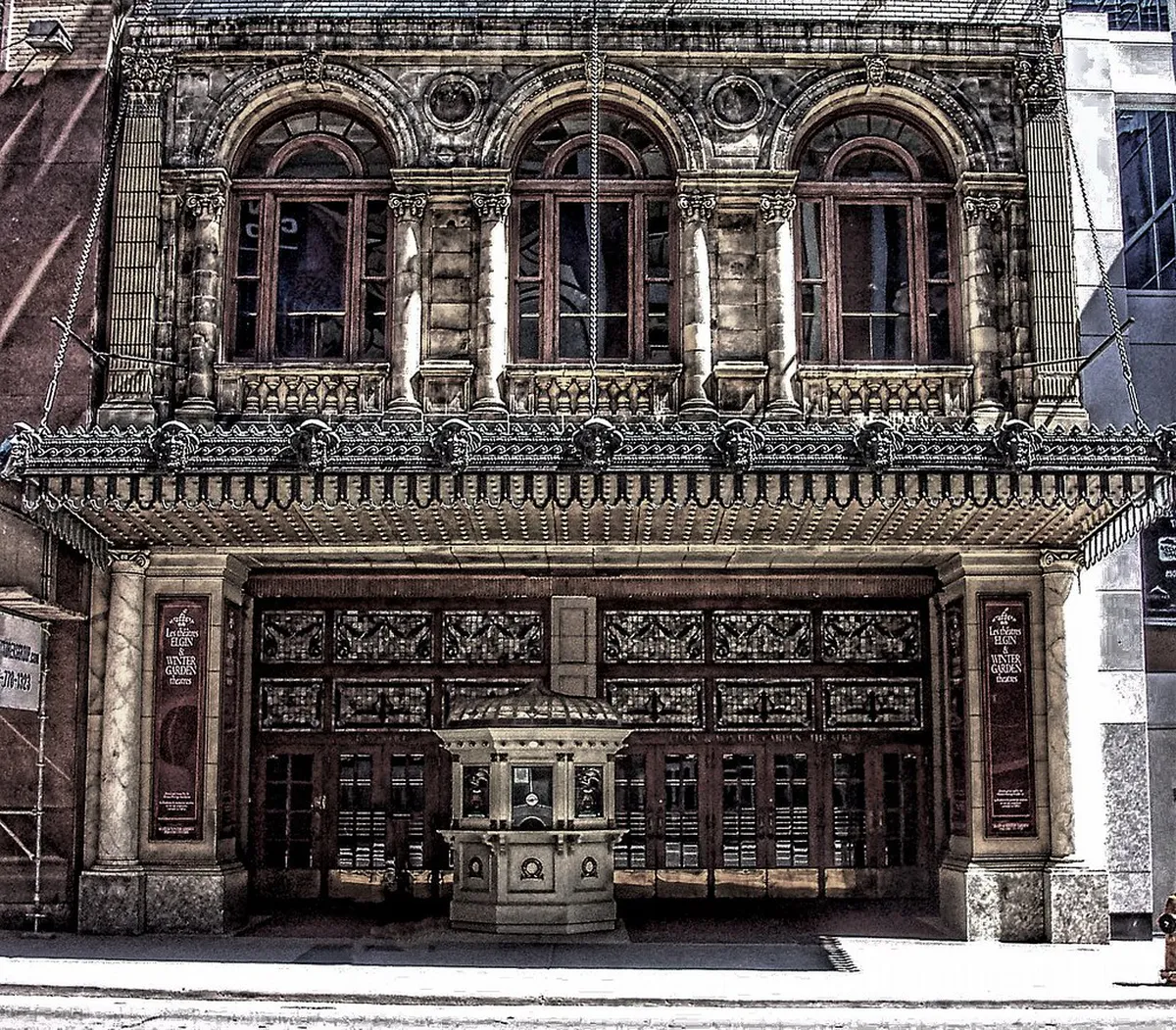
The early 20th century introduced Art Nouveau to Bergen. This style, known as Jugendstil in Norway, offered decorative flair. Curved lines, organic motifs, and intricate details became popular. You can spot these beautiful facades in various city districts.
Following Art Nouveau, Functionalism emerged in the 1930s. This style prioritized utility and simplicity. Clean lines, flat roofs, and open plans defined its look. Buildings were designed for maximum efficiency. Discover more about Art Nouveau buildings here.
Functionalist buildings used modern materials like concrete and steel. They represented a departure from historical ornamentation. This movement shaped many residential and commercial areas. It laid groundwork for post-war rebuilding efforts in Bergen.
Modern Developments and Sustainable Design
Post-World War II reconstruction continued modernizing Bergen. Functionalism's influence remained strong in new builds. The focus shifted towards practicality and resilience. Contemporary architecture blends innovation with tradition.
Today, Bergen embraces sustainable building practices. Green roofs, energy-efficient designs, and local materials are common. Architects consider the environment and local context. This ensures new structures integrate well with the existing city. Learn about modern architectural trends in Bergen.
Many new developments feature striking contemporary designs. They add another layer to Bergen's diverse architectural tapestry. These projects often revitalize former industrial areas. Bergen's urban landscape continues to evolve in 2026.
Frequently Asked Questions
What defines Bergen's oldest building styles?
Bergen's oldest styles feature primarily wooden structures. These were built for trade and residential use. The Hanseatic League later introduced stone foundations. These provided better fire protection and durability. They formed the basis for Bergen's architectural timeline.
How did fires shape Bergen's architectural evolution?
Fires repeatedly devastated Bergen throughout its history. Each major fire necessitated extensive rebuilding. This allowed for the introduction of new architectural styles. It also led to stricter building codes, encouraging stone and brick. This constant renewal fueled the evolution of Bergen's building designs history.
Where can I see modern architecture in Bergen today?
Modern architecture can be found throughout Bergen. Look in areas like Sandviken and around the university. The new library and marine research facilities showcase contemporary design. Consider a Bergen architecture walking tour to discover these sites.
Bergen's building designs history is a vibrant narrative. It tells a story of resilience, adaptation, and beauty. From ancient wooden trade houses to sleek modern structures, each era contributes. The city's architectural diversity remains truly captivating. Plan your visit to explore Bergen's architectural history firsthand.
Wander through its streets and discover its unique character. You will appreciate the layers of history everywhere. Each building has a story waiting to be told. Bergen truly offers an unforgettable architectural journey.
Key Takeaways
- Bergen's architecture is a testament to centuries of change and rebuilding.
- Fires were a major catalyst for architectural evolution and new styles.
- Explore Bryggen for medieval wooden structures and the city center for Neoclassical and Art Nouveau designs.