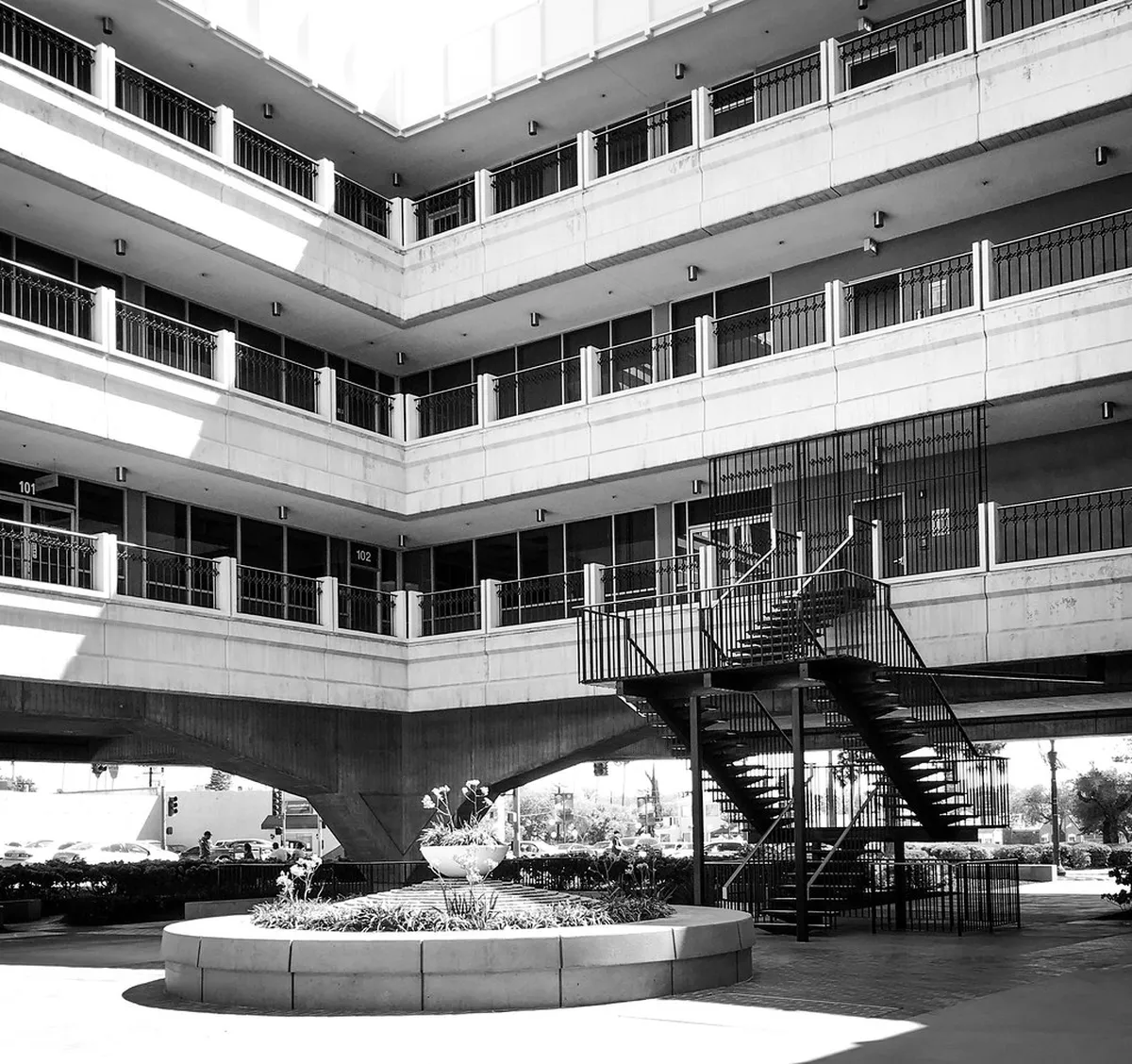
Bodø, Norway, showcases a remarkable collection of Brutalist architecture. This robust style emerged after the city's wartime destruction. It represents a resilient spirit and forward-thinking design. Bodø became a canvas for rebuilding efforts in the mid-20th century. Many significant buildings reflect this period. Understanding this history enhances your visit. Delve into Bodø's post-war architecture. It offers a unique glimpse into urban planning and design. Join us on a journey to explore these fascinating concrete structures. Discover why Brutalist architecture Bodø is a must-see for design enthusiasts.
The city's architectural narrative is truly compelling. Architects embraced functionalism and strong forms. This resulted in distinctive public buildings. These structures stand as testaments to innovation. They also highlight a practical approach to rebuilding. Plan your Bodø architecture itinerary for 2026. Prepare to be inspired by its powerful urban landscape. Bodø proves brutalism can be both grand and deeply meaningful.
Bodø's Post-War Reconstruction and Brutalism
Turn this guide into a personal route with our free Bodø itinerary planner.
Bodø suffered extensive damage during World War II. Much of the city center was destroyed in 1940. This devastation created an urgent need for rebuilding. The city needed housing, infrastructure, and public buildings. This necessity shaped Bodø's unique architectural identity. It became a hub for modern design. Explore the city's reconstruction history for context.
Architects embraced functionalist and Brutalist principles. These styles prioritized utility, materials, and form. Reinforced concrete became the material of choice. It was readily available and highly durable. Buildings were designed for resilience and efficiency. This approach left a lasting mark on Bodø. The Brutalist architecture Bodø is a direct result of these efforts.
The reconstruction period continued into the 1950s and 60s. Many important structures arose during this time. These buildings offered a clean, modern aesthetic. They symbolized hope and progress for the city. They also represented a break from traditional styles. Bodø's new look was bold and uncompromising. Learn more about diverse architectural styles found here.
Local and national architects contributed significantly. They worked together on large-scale urban planning. This collaborative effort ensured a cohesive new city. Their vision continues to define Bodø today. These structures are vital to understanding the city's soul. Brutalist architecture in Bodø is more than just buildings; it is history. Discover these fascinating creations up close during your visit.
Key Brutalist Landmarks in Bodø to Explore
Bodø boasts several iconic Brutalist structures. Each building tells its own story. The Bodø Cathedral is a prime example. Designed by Herman Munthe-Kaas and Odd Østbye, it opened in 1956. Its towering concrete bell tower is particularly striking. The interior features beautiful stained glass. Understand the Bodø Cathedral's unique story. It is a peaceful yet powerful place.
Another must-see is the Stormen Cultural Quarter. This complex includes a library and concert hall. It features strong, clean lines and robust materials. Designed by DRDH Architects, it opened in 2014. While more contemporary, its influence is clear. It respects the city's post-war architectural legacy. Learn about Stormen Library's design. This modern structure continues the tradition.
Many government and administrative buildings showcase Brutalist elements. The old post office building is another notable site. Its strong geometric forms are characteristic. These buildings often feature exposed concrete surfaces. They present a raw and honest aesthetic. Look for the deliberate use of texture. You can appreciate the intricate details. The Brutalist architecture Bodø is everywhere.
Even residential areas from the era exhibit this influence. Many apartment blocks show a simpler, functionalist style. These buildings provided much-needed housing. They focused on practicality and efficient layouts. Keep an eye out for these structures. They contribute significantly to the city's urban fabric. Take a tour of Bodø's modern buildings.
Characteristics of Bodø's Brutalist Design
Bodø's Brutalist architecture often highlights raw concrete. This material is known as béton brut in French. It allows for visible formwork patterns. These textures add depth and character. The use of concrete creates a strong, monumental feel. It reflects a sense of permanence and strength. This aesthetic is central to the style.
Geometric shapes and clear lines are also prominent. Buildings often feature bold, block-like forms. Rectangular windows and flat roofs are common. These elements contribute to a utilitarian aesthetic. They emphasize function over ornate decoration. This focus aligns with functionalist principles. Bodø's brutalism is straightforward yet impactful.
Public buildings in Bodø often integrate with their surroundings. Architects considered the northern landscape. They designed structures to withstand harsh weather. Their designs also aimed to create open public spaces. This approach fosters a sense of community. The buildings serve both practical and social purposes. Discover Bodø's urban planning history. It reveals thoughtful design processes.
Many structures feature minimal ornamentation. Beauty comes from the material itself. The interplay of light and shadow on concrete surfaces is key. This simplicity allows the building's form to speak. It creates a timeless and powerful presence. The Brutalist architecture Bodø embodies this philosophy. Appreciate the deliberate lack of excess. It is a testament to honest design. Look for these design elements as you explore.
Exploring Bodø's Brutalist Architectural Gems
Embark on a self-guided walking tour to see Bodø's Brutalism. Start your journey near the city center. Many key buildings are within walking distance. Use a map to navigate between sites. This allows you to set your own pace. You can truly immerse yourself in the architecture. Consider a guided walking tour for expert insights. These tours often provide fascinating historical context.
The city's compactness makes exploration easy. You can walk from the cathedral to the cultural quarter. Allow several hours for a thorough experience. Wear comfortable shoes for your adventure. Most sites are easily accessible. Check opening times for public buildings if you wish to enter. This ensures a smooth and enjoyable visit. Public transport options are also available.
Consider downloading an architecture map before your trip. These maps often highlight key Brutalist sites. They might also include other significant structures. This will help you plan your route efficiently. Many apps offer interactive maps too. Ensure your phone is charged for navigation and photos. Document your favorite architectural finds.
The best time to visit Bodø for architecture viewing is typically spring or fall. The light is often softer, ideal for photography. Crowds are also generally smaller during these seasons. Summers can be busy with tourists. Winter offers a unique, stark beauty, but can be cold. Remember to dress appropriately for the weather. Bodø's Brutalism looks striking against a clear, northern sky. Enjoy your architectural journey in 2026.
Preserving and Appreciating Bodø's Brutalist Legacy
Brutalist architecture sometimes faces mixed public opinions. However, its historical significance is undeniable. In Bodø, these buildings represent resilience. They symbolize the city's rebirth after destruction. Preservation efforts aim to protect this unique heritage. It ensures future generations can appreciate these designs. Support for preserving architectural heritage is growing.
Many modern projects in Bodø draw inspiration. They learn from the Brutalist era's emphasis on strong forms. New buildings often blend contemporary style with historical context. This creates a cohesive urban landscape. The city continually evolves while honoring its past. It ensures a dynamic and interesting architectural scene. Observe how new structures relate to the old ones.
Understanding the context is key to appreciation. These buildings were born from necessity and hope. They are not just concrete blocks. They are monuments to human spirit and ingenuity. Take time to read about the architects. Learn about their vision for the new Bodø. This deeper knowledge enriches your experience. Look beyond the surface. The stories are compelling.
Visitors can support preservation through awareness. Share your positive experiences with others. Encourage respectful engagement with these sites. Bodø's Brutalist architecture is a cultural treasure. It deserves recognition and care. Look for events or exhibitions in 2026. These often highlight the city's architectural journey. Help celebrate the enduring power of concrete. It shaped so much of this incredible city.
Frequently Asked Questions
Why is there so much Brutalist architecture in Bodø?
Bodø was almost entirely destroyed in 1940 during World War II. The subsequent rebuilding efforts embraced modern architectural styles. These included Brutalism and Functionalism. These styles offered practical, durable, and cost-effective solutions. This allowed for rapid and extensive reconstruction. The need for new structures was immense. The city became a living museum of post-war design.
Architects favored concrete for its strength. It could withstand the harsh Norwegian climate. This material choice defined the city's new aesthetic. The goal was to create a modern, resilient urban environment. Bodø's unique history shaped its look. Learn about the city's reconstruction history. It explains this unique architectural landscape.
Can I take a guided tour of Brutalist buildings in Bodø?
Yes, several local tour operators offer architectural walks. These tours focus on Bodø's post-war and modern buildings. They provide expert insights into the design and history. It's a great way to learn about the city's transformation. You can find information online. We recommend checking tour schedules for 2026. Consider booking your Bodø architectural tour in advance. Especially during peak travel seasons.
What other architectural styles can I see in Bodø?
While Brutalism is prominent, Bodø features diverse architectural styles. You will find examples of Functionalism from the same era. There are also newer, contemporary designs. These include the modern Stormen Cultural Quarter. Some areas retain older, pre-war wooden buildings. This mix creates a rich architectural tapestry. Explore Bodø's architectural styles to appreciate this variety. The blend of old and new is truly captivating. Walk through the city to discover them.
Bodø's Brutalist architecture stands as a powerful testament. It represents resilience, innovation, and post-war rebirth. The city offers a unique opportunity. Explore a cohesive collection of this bold style. From the Cathedral to the Cultural Quarter, these buildings tell a story. Plan your 2026 trip to discover these concrete wonders. They offer a deep dive into urban history. Truly appreciate the architectural viewpoints Bodø provides. You will leave with a new perspective.
Embrace the robust beauty of Bodø's concrete marvels. Each structure contributes to the city's distinct character. This guide provides a starting point. Now it is your turn to explore these amazing sites. Start planning your unforgettable architectural adventure today. Bodø awaits your discovery. The Brutalist architecture Bodø will truly impress you.
Key Takeaways
- Bodø's Brutalism is a direct result of post-war reconstruction, symbolizing resilience and rebirth.
- Key landmarks include Bodø Cathedral and the Stormen Cultural Quarter, showcasing raw concrete and strong geometry.
- Plan a walking tour to explore the city's compact Brutalist sites; consider a guided option for deeper insights.
- Visit during spring or fall 2026 for optimal weather and photography conditions.
- Appreciate the historical context; these buildings represent a unique blend of practicality and visionary urban planning.