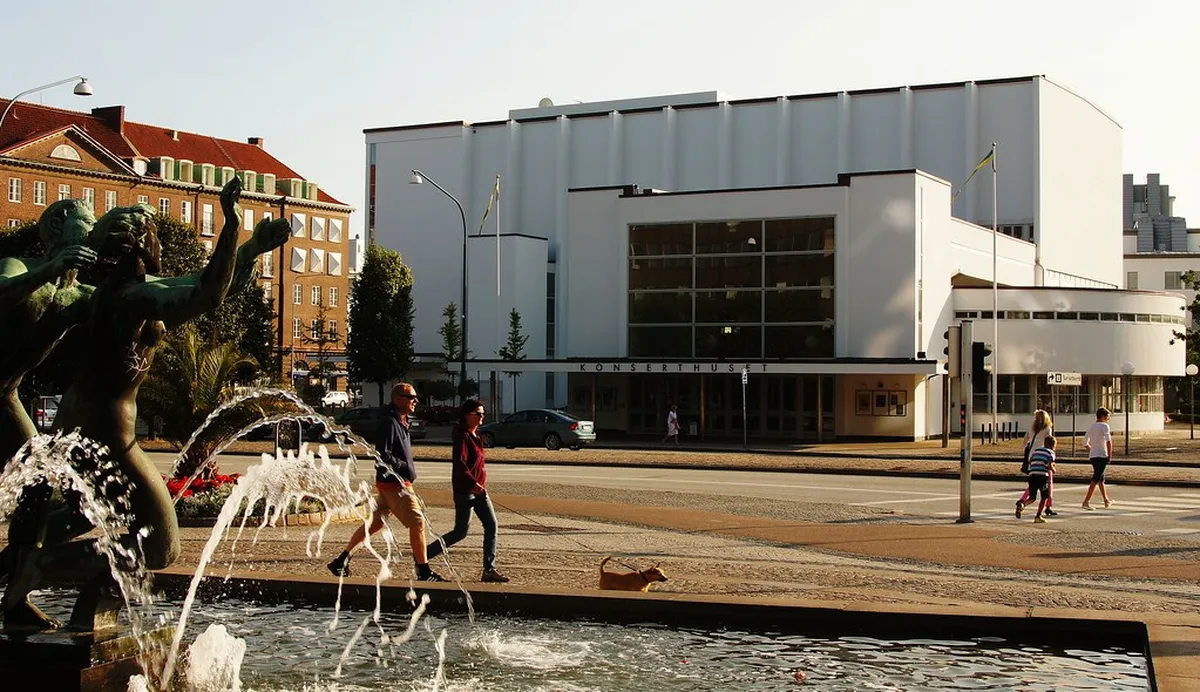
Bodø, Norway, showcases a compelling architectural story. The city was heavily bombed during World War II. Its reconstruction embraced modern functionalist principles. Bodø's reconstruction history is deeply tied to this style. Functionalism in Bodø represents resilience and rebirth.
This guide will explore Bodø's unique functionalist buildings. You will learn about their history and design. Prepare to discover a city shaped by purpose and clean lines. Plan your architectural adventure in Bodø for 2026.
The Rise of Functionalism in Bodø
Turn this guide into a personal route with our free Bodø itinerary planner.
The devastation of World War II reshaped Bodø completely. Much of the city center lay in ruins. Architects and planners faced a blank canvas. They aimed to rebuild a modern, efficient city.
Functionalism offered a clear path forward. This style prioritizes utility and simple forms. It rejects ornamentation for practical solutions. Bodø's post-war architecture strongly reflects these ideas. The city needed to be rebuilt quickly and sustainably.
Early plans focused on a new urban layout. Streets became wider and public spaces larger. Buildings were designed for maximum light and air. This approach fostered a healthier living environment. It marked a significant departure from pre-war Bodø architecture.
This architectural movement brought a fresh identity. Bodø emerged as a symbol of Scandinavian modernism. The new buildings served their purpose well. They housed a growing population and new businesses. Functionalism provided a sturdy foundation for the future.
Key Functionalist Buildings to See in Bodø
Bodø boasts several iconic functionalist structures. These buildings define the city's modern character. They are essential stops on any Bodø architecture itinerary. Each tells a unique story of reconstruction.
The Bodø Cathedral stands as a prime example. It was completed in 1956. Architect Gudolf Blakstad designed its distinctive bell tower. The interior is spacious and filled with light. Learn more about Bodø Cathedral's history before your visit. Admission is free, check opening hours online.
Another must-see is the Stormen Cultural Quarter. This complex includes a library and concert hall. It opened in 2014, showing functionalism's evolution. Its clean lines and open spaces reflect modern design. Explore Stormen Library's architecture for innovative solutions. Guided tours might be available for a fee in 2026.
The New City Hall also exhibits functionalist traits. Though more contemporary, it embraces practical design. Its efficient layout serves local governance needs. This building showcases how the style adapted over time. Visitors can admire its exterior design easily.
Consider the former Bodø Hospital (now university buildings). Its expansive layout reflects functional planning. These structures prioritize light and air circulation. They offered optimal conditions for healing and learning. These are prime examples of Functionalism in Bodø and its impact on public facilities.
Characteristics of Bodø's Functionalist Architecture
Bodø's functionalist buildings share common traits. They emphasize clean, unadorned surfaces. Ornamentation is largely absent from their facades. Form strictly follows function in their design.
Common materials include reinforced concrete and brick. Large windows are a hallmark feature. They maximize natural light indoors. Flat roofs are also typical of this style. These elements create a sense of lightness and openness.
The color palette often features light, neutral tones. White, grey, and light yellow are prominent. This helps to brighten the often-overcast northern skies. It provides a striking contrast with the dramatic landscape. Characteristics of Bodø's functionalist architecture are distinct.
Bodø's urban planning also reflects functionalist ideals. The city was designed for efficient movement. Wide streets and clear sightlines dominate. Public spaces are integrated for community use. This thoughtful layout ensures easy navigation. It also connects buildings seamlessly.
Sustainability was an early consideration. Buildings were designed for durability and efficiency. This long-term thinking benefits the city still today. Explore more about Bodø's urban planning history. It shaped the modern city we see in 2026.
Experiencing Bodø's Functionalist Heritage
Exploring Bodø's functionalist heritage is easy. The city center is compact and walkable. Many key buildings are close to each other. A Bodø walking architecture tour is highly recommended. Allow 2-3 hours for a comprehensive stroll.
Start your tour at the Bodø Cathedral. Then proceed towards Stormen Cultural Quarter. Finish your walk near the New City Hall. Consult a Bodø architecture map for detailed routes. Most public buildings are accessible during daylight hours.
Consider visiting during the spring or fall of 2026. The weather is milder then. Fewer tourists create a more peaceful experience. Check specific opening times for cultural sites. Some venues may offer free entry or student discounts.
Photography enthusiasts will find great angles. The clean lines and bold forms create compelling shots. Capture the interplay of light and shadow. Look for unique perspectives within the urban landscape. Remember to respect local privacy and property signage.
Frequently Asked Questions
What makes Functionalism in Bodø unique compared to other cities?
Functionalism in Bodø is unique due to its post-war context. The city's complete destruction led to a unified rebuild. This allowed for a cohesive application of functionalist principles. It created a strong, recognizable architectural identity. Many other cities integrated functionalism into existing structures. Bodø had a fresh start after the war. This approach shaped the city's modern appearance. Learn more about Bodø's architectural styles.
Can I easily identify functionalist buildings in Bodø myself?
Yes, you can identify many functionalist buildings easily. Look for simple, geometric shapes. They often have flat roofs and large, unadorned windows. Materials like concrete, brick, and steel are common. The focus is always on practicality and light. These structures often stand out with their clean appearance. A Bodø architecture map can help guide your exploration. Many functionalist landmarks are centrally located.
What are the best times to experience Bodø's architecture in 2026?
The best times to visit Bodø for architecture are spring and autumn. From May to June or September to October are ideal. The weather is comfortable for walking tours. You avoid the peak summer crowds. This offers a more relaxed exploration. Fewer people mean better photo opportunities. Always check local events for 2026, like "Bodø Architecture Events".
Bodø's functionalist architecture tells a powerful story. It speaks of resilience, recovery, and modern vision. Discover a city rebuilt with purpose and innovative design. Plan your exploration of Bodø's modern buildings. Experience this unique heritage firsthand in 2026.
Functionalism in Bodø is more than just buildings. It is a testament to the city's spirit. Start planning your journey to Norway's architectural gem. Bodø awaits your discovery.
Key Takeaways
- Bodø's functionalist architecture reflects post-war resilience and rebirth.
- Explore iconic functionalist buildings like Bodø Cathedral and Stormen Cultural Quarter.
- Look for clean lines, simple forms, and practical design elements in Bodø's structures.
- Plan a self-guided walking tour for the best experience of Bodø's architectural heritage in 2026.