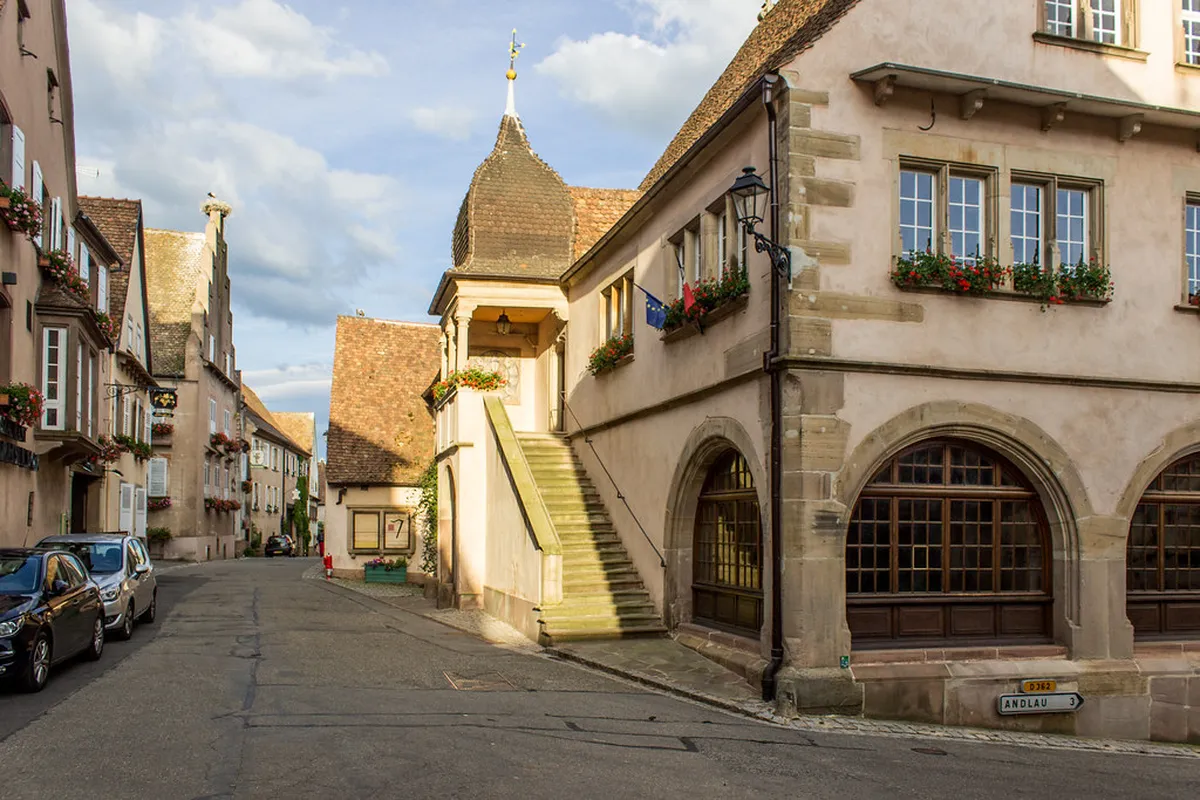
The best Strasbourg area depends on the first and last journey. Grande-Île, Petite France, the station edge, Neustadt and the European Quarter solve different routes and accessibility needs.
This guide compares districts rather than naming hotels that may change price, management or quality. Check the exact entrance and recent verified information before booking.
Planning the full trip? Compare durations, zones and current logistics in the Strasbourg itinerary planner.
Grande-Île
Turn this guide into a personal route with our free Strasbourg itinerary planner.
Best for maximum walking access to the Cathedral and central streets. Tradeoffs include pedestrian restrictions, tourist density, delivery noise and difficult vehicle drop-off. Check lift and air conditioning explicitly.
Petite France
Best for canal atmosphere and early/late photography. Cobbles, bridges, restaurant activity and limited curb access can complicate luggage or step-free travel. A district label does not guarantee a canal view.
Station and Western Edge
Best for early trains, airport rail and regional day trips. The historic core remains walkable. Inspect the precise nighttime route and room orientation rather than assuming every station-side block feels identical.
Neustadt and Krutenau
Neustadt supports quieter architecture and access toward Parliament; Krutenau supports dining and evening activity near the Cathedral side. Noise patterns vary street by street.
Booking Checklist
Confirm room access, lift dimensions, cooling, breakfast hours, luggage storage, cancellation, parking or drop-off, tram proximity and the final walk over cobbles. During Christmas, verify security-zone implications.
How to Use This Guide on the Day
Recheck the controlling official page the evening before the visit and again before leaving. Strasbourg transport, museum hours, Cathedral worship, platform access, boat departures, Parliament security, Christmas controls and regional timetables can change after publication. Save the exact entrance, ticket conditions and one same-area substitute offline.
Allow more time than the fastest map estimate. Cobbles, pedestrian zones, bridge openings, queues, security screening and station exits change real effort. Travelers needing step-free access should verify every platform, lift, threshold, toilet and final approach separately; an accessible venue does not prove an accessible route.
Keep one element flexible around every fixed booking. If a cruise, platform climb, museum or institutional visit becomes unavailable, replace it inside the same zone before crossing Strasbourg. Remove the lowest-priority stop when the day slips instead of turning the rest of the schedule into a race.
Match the route to the traveler. A family, architecture specialist, food-focused visitor and traveler using a wheelchair need different versions of the same day. Verify child rules, seating, toilets, luggage and step-free access directly rather than assuming a compact center is universally easy.
Separate ordinary transport from attraction products. CTS city fares, airport rail, regional trains, Batorama cruises, guided food tours and cross-border products use different tickets. Save the product name, validation rule and boarding point instead of relying on a generic word such as “pass,” “boat” or “train.”
Treat named restaurants, shops and seasonal stalls as volatile. Confirm the current address, service period, reservation, menu and accessibility directly. For allergies or dietary restrictions, discuss ingredients and cross-contact with the venue; Alsatian sauces and desserts can contain alcohol, dairy, egg, nuts or meat stock.
Plan with Live Information
This guide was checked against first-party information on August 6, 2026. Reopen the official source that controls your date before paying, departing or relying on a route. A reservation manages one part of the visit; it does not remove weather, worship, security, capacity, maintenance or connection risk.
Frequently Asked Questions
What is the best area for a first visit?
Grande-Île or its edges maximize walking access; the station edge is strongest for rail-heavy trips.
Should you stay in Petite France?
Choose it for atmosphere if cobbles, access and evening activity fit; it is not automatically the most practical area.
Is the station far from the center?
No. Petite France is roughly a 10–15-minute walk, with tram options for other areas.
Where is best during Christmas?
Book a route-compatible location early and check security and tram controls rather than relying only on distance.