I first discovered the rugged beauty of Cap d'Antibes during a sweltering July afternoon when the pine scent filled the air. The peninsula offers a stark, beautiful contrast to the glitzy harbors of nearby Cannes or the crowded streets of Nice. Walking along the jagged limestone cliffs remains my favorite way to experience the true essence of the Côte d'Azur. The neighbouring beach resort of Juan-les-Pins is just around the bay and pairs perfectly with a Cap d'Antibes visit.
This guide was last refreshed in October 2025 following my latest visit to the peninsula to check trail conditions. You will find that while the luxury villas remain hidden behind high walls, the coastal beauty is accessible to everyone. Planning ahead is essential, especially if you want to find the best time to visit Antibes for hiking.
Whether you are looking for hidden swimming coves or historic Belle Époque architecture, this corner of France delivers incredible variety. Our editors have reviewed every trail and viewpoint to ensure your trip is seamless and memorable. Prepare for a day of stunning Mediterranean vistas and quiet botanical gardens away from the city noise.
Exploring the Peninsula: An Insider’s Overview
Turn this guide into a personal route with our free antibes itinerary planner.
The Cap d'Antibes is a lush, green finger of land that separates the bays of Antibes and Juan-les-Pins. It has long been a sanctuary for the rich and famous, from F. Scott Fitzgerald to modern-day tech billionaires. Despite its exclusive reputation, the coastline belongs to the public thanks to the dedicated efforts of the Conservatoire du Littoral. For comprehensive information about the region, consult the official Antibes Juan-les-Pins tourism office or read more about the peninsula's history on Wikipedia's Cap d'Antibes article.
I recommend starting your exploration early in the morning to beat the intense Mediterranean heat and the midday crowds. A well-planned Things to Do in Antibes should dedicate at least one full day to exploring the peninsula's diverse sights. You can easily combine a morning hike with a sophisticated lunch overlooking the turquoise water of the Garoupe Bay.
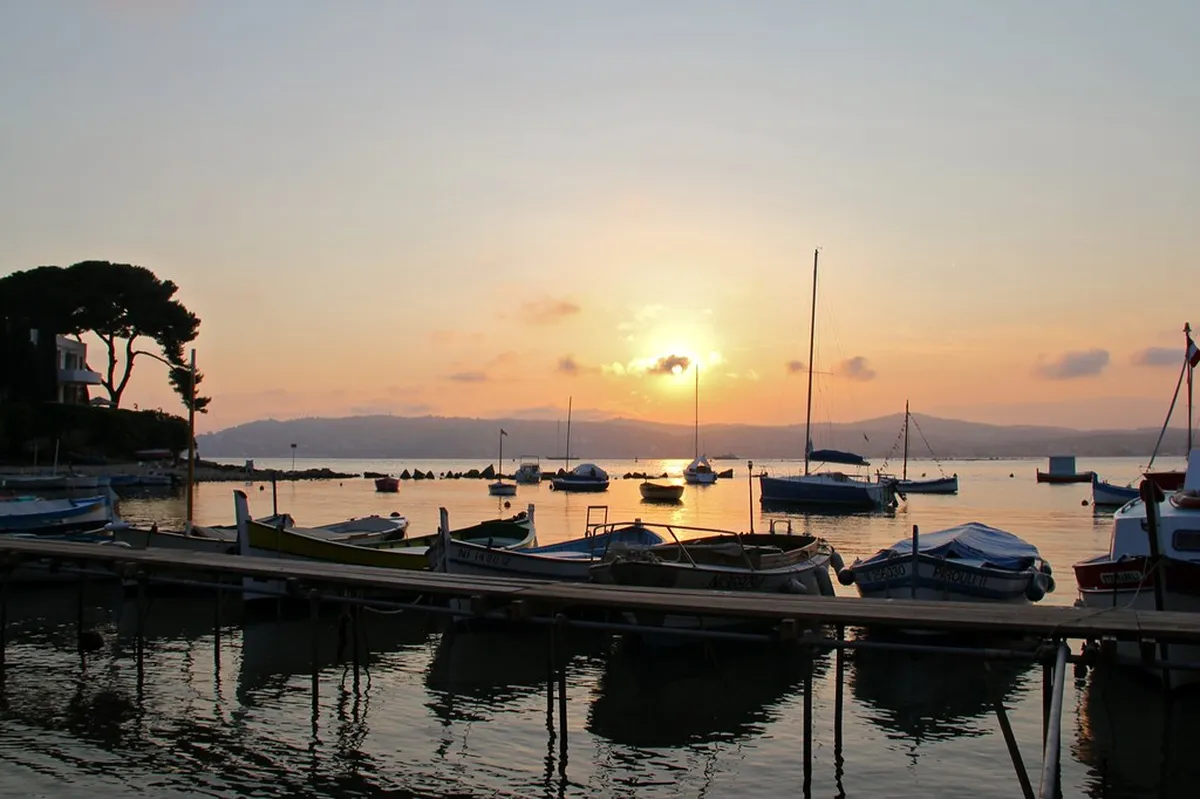
While the area is famous for its grand estates, the real magic lies in the small details like the traditional wooden boats. The local culture is deeply tied to the sea, which you can feel while visiting the small chapels dedicated to sailors. Make sure to bring plenty of water and sun protection, as the coastal paths offer very little shade during the day.
10 Best Things to Do in Cap d'Antibes (2026)
The following list represents the absolute highlights of the peninsula, ranging from challenging coastal hikes to serene botanical escapes. Each selection has been vetted for its cultural significance, natural beauty, and overall visitor experience. I have grouped these items to help you navigate from the rugged eastern cliffs to the softer western shores.
Many of these locations are within walking distance of each other, though some require a short drive or bus ride. If you are staying in the center, check our guide on how to get around Antibes for transport options. Most attractions on the Cap are either free or very affordable, making it a great day out for budget-conscious travelers.
One of my most memorable moments was sharing a Salade Niçoise at the Bistrot du Curé after a long hike. The simple flavors of local produce perfectly complemented the panoramic views from the Garoupe Plateau. I suggest calling +33 4 93 61 35 87 to reserve a table, as this spot is a local favorite.
- Sentier du Littoral Coastal Walk
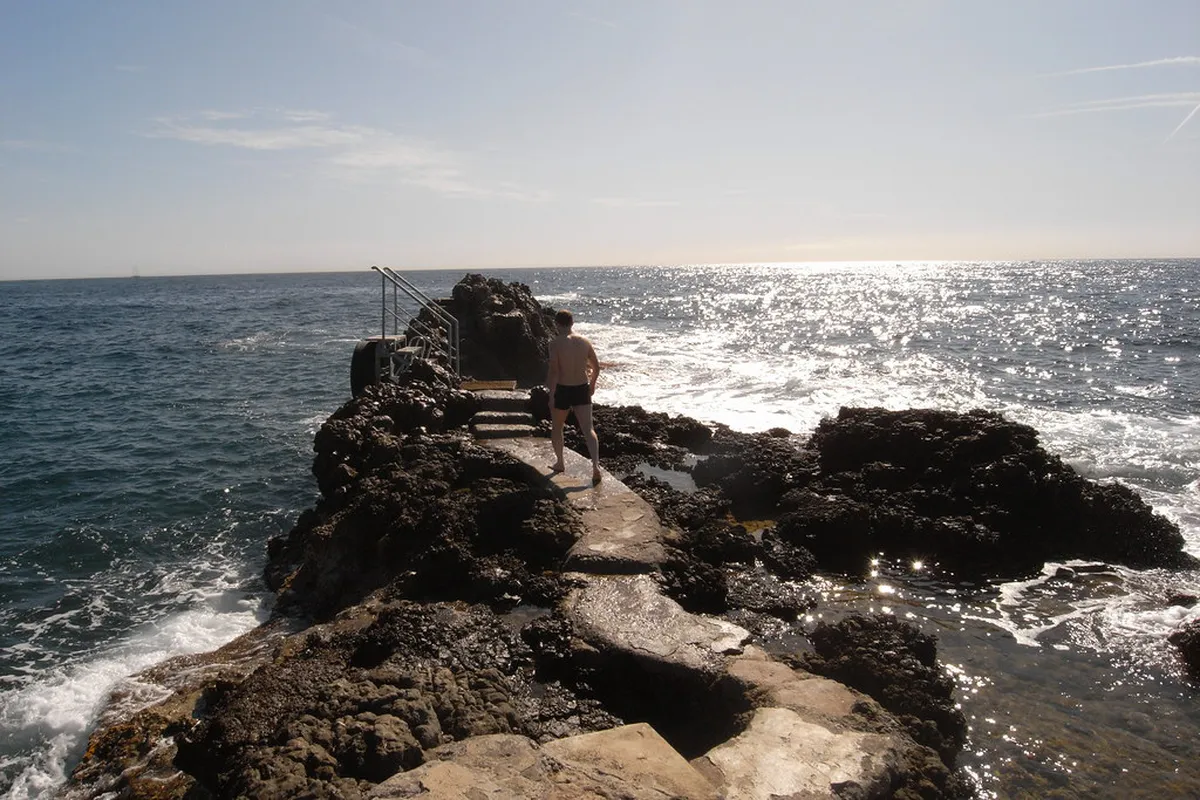
- This iconic coastal path, also known as the Sentier de Tirepoil, winds along the rugged limestone cliffs of the southern peninsula.
- It offers breathtaking Mediterranean views and access to hidden swimming coves like the famous Billionaire's Bay.
- The trail is free to access and open daily during daylight hours, but you must wear sturdy sneakers for the rocky steps.
- I suggest starting at Villa Eilenroc and walking toward Garoupe beach to keep the sun at your back for photography.
- Villa Eilenroc and Rose Gardens
- Villa Eilenroc is a magnificent Belle Époque mansion that serves as a testament to the peninsula's golden age of luxury.
- Visitors can explore the grand architecture and the fragrant rose gardens which are maintained by the city of Antibes.
- Entrance typically costs €2 per adult, and the gates are open on Wednesdays and Saturdays from 10am to 5pm.
- Arriving right at opening time allows you to enjoy the gardens before the afternoon heat becomes too intense.
- Phare de la Garoupe Lighthouse
- The Garoupe Lighthouse stands at the highest point of the Cap, providing one of the best panoramic views on the Riviera.
- From this vantage point, you can see the snow-capped Alps meeting the deep blue of the Mediterranean Sea.
- Access to the plateau is free and open 24/7, though the interior of the lighthouse is rarely open to the public.
- I recommend visiting at sunset when the light turns the surrounding pine trees into deep silhouettes against the orange sky.
- Chapelle de la Garoupe
- This historic sailors' chapel is famous for its touching collection of ex-votos and model ships left by grateful mariners.
- The interior is filled with folk art and religious icons that tell the maritime history of the Antibes region.
- The chapel is free to enter and usually open daily from 10am to 6pm, offering a cool, quiet retreat.
- Take a moment to look at the intricate paintings on the walls which depict miraculous escapes from storms at sea.
- Port l’Abri de l’Olivette
- This tiny, picturesque harbor is home to traditional wooden 'Pointus' boats that have been used by local fishermen for generations.
- It feels like a hidden world far removed from the massive superyachts found in the main Port Vauban.
- The area is free to visit and accessible at any time, located on the western side of the peninsula.
- Look for the quirky Laurel and Hardy lookalike statues at the nearby Villa l’Olivette for a fun photo opportunity.
- Jardin Botanique de la Villa Thuret
- The Garden of the Villa Thuret is a scientific botanical garden housing over 2,500 species of exotic Mediterranean fauna.
- It provides a peaceful, inland experience that is much quieter than the often-crowded coastal paths and beaches.
- Entry is free for all visitors, and the garden is open Monday through Friday from 8am to 6pm.
- This is an excellent spot for plant lovers to see rare trees that were first acclimatized to Europe right here.
- Plage de la Garoupe
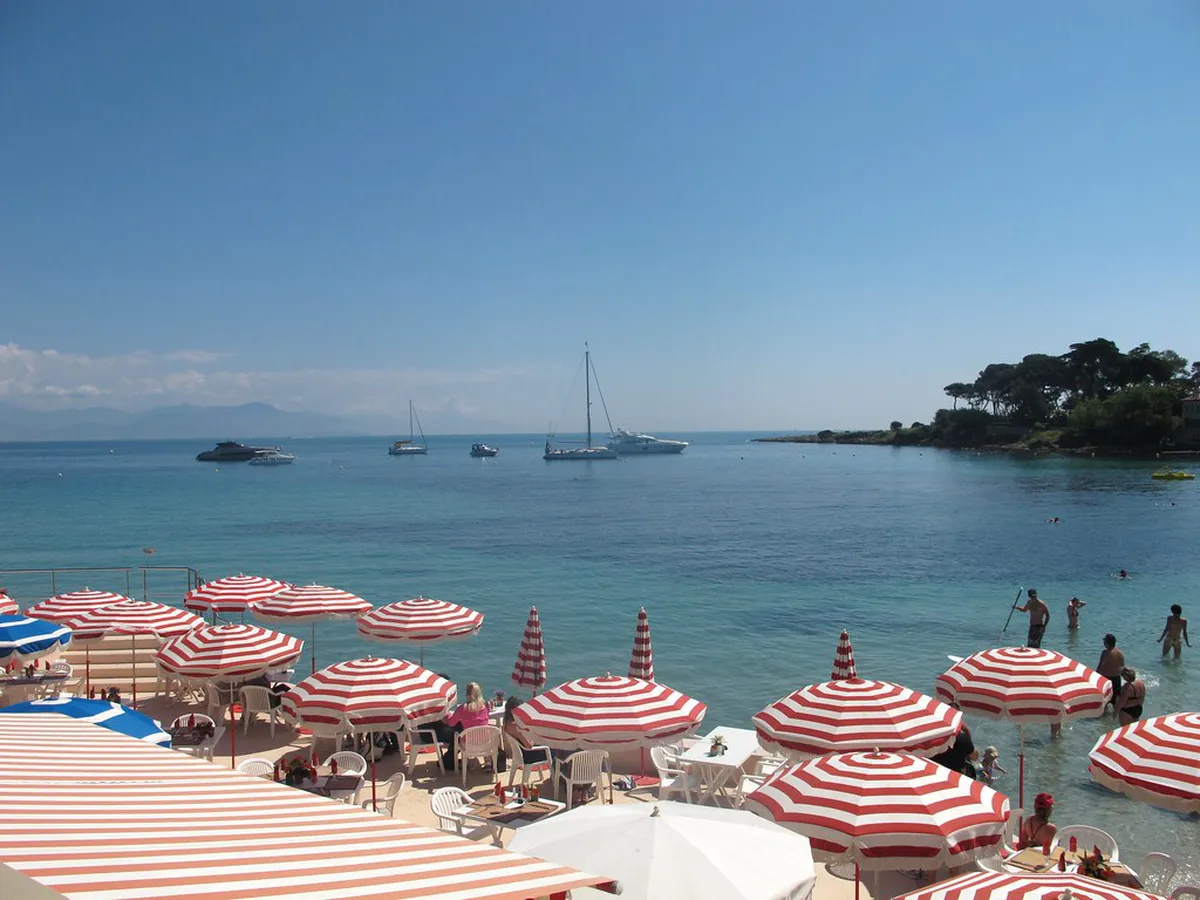
- Plage de la Garoupe is the most famous sandy beach on the Cap, known for its clear water and upscale beach clubs.
- While much of the beach is private, there are small public sections where you can set up a towel for free.
- Public access is free, but private sun loungers can cost between €30 and €60 per day during the summer season.
- I recommend visiting in the early morning before the beach clubs start their music and the crowds arrive.
- Plage des Ondes Sunset Beach
- Located on the Juan-les-Pins side, Plage des Ondes is a narrow sandy beach famous for its iconic stone tower in the water.
- It is the perfect spot for an evening swim as it faces west, capturing the full glory of the Riviera sunset.
- The beach is entirely public and free to access 24/7, though parking nearby is notoriously difficult in the evening.
- Bring a small picnic from the Marche Provencal to enjoy a budget-friendly dinner by the water.
- Villa Aujourd’hui Modernist Icon
- Villa Aujourd’hui is a masterpiece of modernist architecture designed by Barry Dierks, featuring a unique 'grand piano' shape.
- While it is a private residence, you can clearly see its striking white facade from the road or the water.
- There is no cost to view the exterior from public areas, and it remains a highlight for fans of 20th-century design.
- According to the regional architectural heritage list, this villa is one of the most significant examples of the International Style.
- Château de la Croë History
- The Château de la Croë is a Victorian-style mansion that once served as the home for the Duke and Duchess of Windsor.
- Its grand white dome is a landmark that can be seen from the Sentier du Littoral coastal path.
- The estate is private and not open to the public, but its history and architecture make it a fascinating sight from afar.
- I enjoy spotting the meticulously manicured grounds from the trail, which offer a glimpse into the life of the elite.
Practical Logistics: Parking, Transport, and Timing
Navigating the Cap d'Antibes requires some planning, as the narrow roads were not designed for heavy modern traffic. Parking is extremely limited, especially near the start of the coastal path at Plage de la Garoupe or Villa Eilenroc. I strongly advise using the local Envibus network or renting a bicycle to avoid the frustration of searching for a spot. When planning your stay, check out our guide on where to stay in Antibes to find the perfect accommodation for your visit.
The coastal path is a natural trail with narrow stairs and uneven rocks that make it unsuitable for wheelchairs or strollers. You should wear shoes with good grip, as the limestone can become very slippery if there is any moisture or sea spray. For those planning to swim in the rocky coves, rubber-soled swim shoes are essential to protect against sharp stones and sea urchins.
Timing your visit is just as important as your mode of transport to ensure a pleasant experience on the peninsula. The summer months of July and August are incredibly crowded, making the trails feel more like a busy city sidewalk. If you can, visit during the shoulder seasons of May, June, or September when the weather is warm but the crowds are thinner.
Is Cap d'Antibes Worth Visiting?
Many travelers wonder if the effort to reach the Cap is worth it compared to staying in the Old Town of Antibes. In my opinion, the peninsula offers the most authentic natural scenery in the entire region, far surpassing the urban beaches. It provides a sense of tranquility and wild beauty that is increasingly hard to find on the developed French Riviera.
The area is especially rewarding for photography enthusiasts and those who enjoy active outdoor pursuits like hiking and snorkeling. While you won't find the same density of museums as in the center, the Picasso Museum tickets are just a short bus ride away. The trade-off for the travel time is access to some of the cleanest and most secluded water for swimming.
If you only have a few days in the region, a half-day trip to the Garoupe Plateau is the minimum I would recommend. The combination of religious history, maritime heritage, and stunning views makes it a high-value stop for any visitor. You will find that the atmosphere on the Cap is significantly more relaxed and slower-paced than the bustling city center.
What to Skip: Overrated Spots to Avoid
While the Cap is generally spectacular, there are a few common tourist traps that I recommend avoiding during your stay. The main public beaches in Juan-les-Pins often feel overcrowded and noisy, losing the charm that the Cap is known for. Instead of fighting for space there, head to the smaller, rocky coves along the Sentier du Littoral for a better experience.
I also suggest skipping the high-priced restaurants right on the sand at Garoupe unless you specifically want the beach-club vibe. You can find much better value and more authentic local cuisine at the the best restaurants in Antibes just a few minutes away. Some private villas are hyped in guidebooks but are so well-hidden by walls that you will see nothing but a closed gate.
Don't spend too much time looking for 'Billionaire's Bay' if you are expecting a wide, sandy beach resort. It is a beautiful but very small and rocky inlet that requires a steep climb down to reach the water. Manage your expectations and focus on the overall coastal scenery rather than any single 'exclusive' spot.
Frequently Asked Questions
Is the Sentier du Littoral walk difficult?
The walk is moderately challenging due to narrow stairs and uneven rocky terrain. It is not suitable for strollers or wheelchairs, and you should wear sturdy sneakers. Most visitors complete the loop in about two hours.
Which beaches in Cap d'Antibes are best for snorkeling?
The rocky coves along the Sentier du Littoral, particularly near Billionaire's Bay, offer the clearest water for snorkeling. You should bring rubber-soled shoes to navigate the sharp rocks safely. Check our our Antibes beaches guide for more details.
Can you visit the Château de la Croë?
No, the Château de la Croë is a private residence and is not open to the public. However, you can see its impressive architecture and white dome from the coastal path. It remains a popular landmark for its history with the Duke of Windsor.
Where is the best view in Cap d'Antibes?
The best panoramic view is found at the Garoupe Plateau near the lighthouse and chapel. From this high point, you can see the entire coastline from Nice to Cannes. It is especially beautiful during the sunset hours.
Cap d'Antibes remains one of the most enchanting corners of the French Riviera, offering a perfect blend of natural beauty and historic glamour. By following the Sentier du Littoral and exploring the quiet botanical gardens, you can escape the crowds and find true Mediterranean peace. I hope this guide helps you discover the same magic that has drawn writers and artists to these shores for over a century.
Remember to pack your walking shoes, respect the delicate coastal environment, and take the time to enjoy the slow pace of life. Whether you are here for a day or a week, the peninsula will surely leave a lasting impression on your soul. Safe travels as you explore the hidden coves and grand estates of this remarkable French destination.