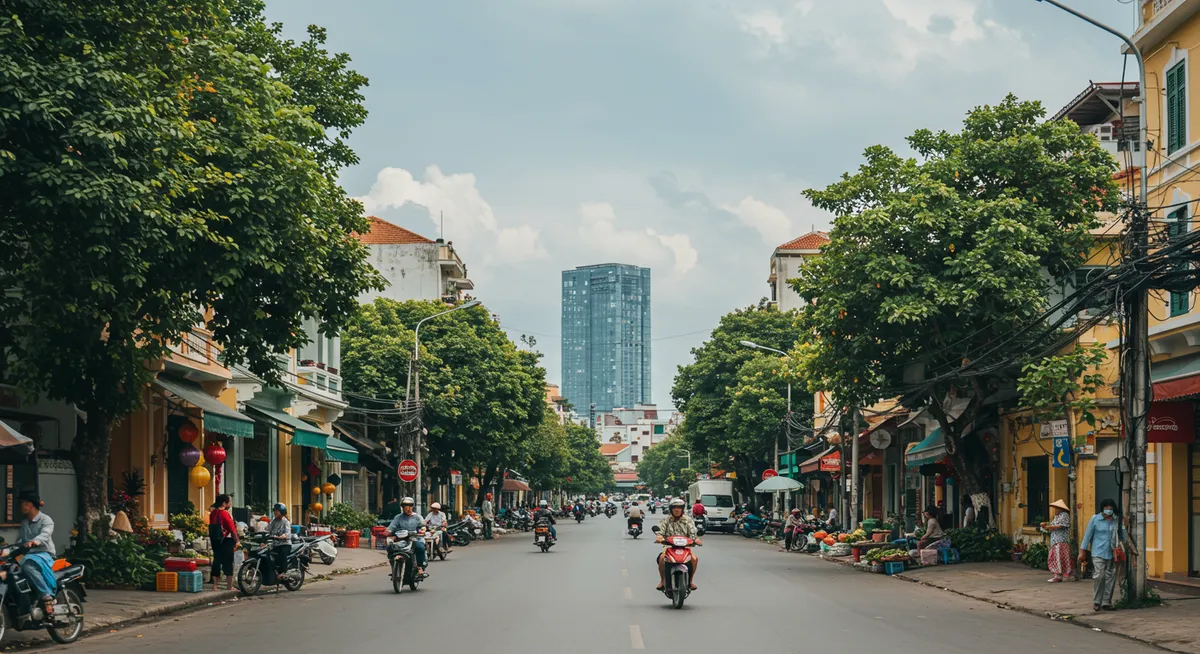
Ho Chi Minh City weather is the single biggest factor in timing a great trip to Vietnam's largest metropolis. Often still affectionately called Saigon, the city sits just north of the equator and has a hot, tropical-monsoon climate with two clear seasons — a comfortable dry season and a rainy wet season — but it never truly gets cold. As someone who has spent significant time exploring its bustling markets, serene temples, and endless coffee shops, I can confidently say that understanding the Saigon weather pattern helps you pack right, dodge the worst downpours, and plan your days around the heat. This 2026 guide breaks down the climate month by month so you can pin down the best time to visit Ho Chi Minh City for your style of travel. Plan the rest of your trip with our complete Ho Chi Minh City itinerary.
Ho Chi Minh City Weather Month by Month
Turn this guide into a personal route with our free Ho Chi Minh City itinerary planner.
Because Saigon sits in the tropics, Ho Chi Minh City weather stays hot all year — daytime highs almost never drop below 31°C (88°F) and can push past 35°C (95°F) at the peak of the hot, dry stretch in March and April. What really changes from month to month is the rain and humidity, not the temperature. The table below summarizes typical monthly averages across the year so you can see the dry-versus-wet rhythm at a glance.
| Month | Avg High (°C / °F) | Avg Low (°C / °F) | Rainfall (mm / rainy days) | Humidity | Crowd Level |
|---|---|---|---|---|---|
| January | 32°C / 90°F | 23°C / 73°F | 14 mm / 2 days | 72% | Very High |
| February | 33°C / 91°F | 23°C / 73°F | 12 mm / 4 days | 70% | High |
| March | 34°C / 93°F | 25°C / 77°F | 17 mm / 3 days | 71% | Medium |
| April | 36°C / 97°F | 26°C / 79°F | 52 mm / 6 days | 74% | Medium |
| May | 34°C / 93°F | 26°C / 79°F | 220 mm / 17 days | 80% | Low |
| June | 32°C / 90°F | 25°C / 77°F | 310 mm / 21 days | 83% | Low |
| July | 32°C / 90°F | 25°C / 77°F | 295 mm / 23 days | 83% | Low |
| August | 32°C / 90°F | 25°C / 77°F | 270 mm / 22 days | 84% | Low |
| September | 31°C / 88°F | 24°C / 75°F | 335 mm / 23 days | 85% | Low |
| October | 31°C / 88°F | 24°C / 75°F | 270 mm / 21 days | 84% | Low |
| November | 31°C / 88°F | 24°C / 75°F | 115 mm / 12 days | 78% | Medium |
| December | 31°C / 88°F | 23°C / 73°F | 40 mm / 6 days | 74% | High |
A few patterns jump out. The dry season runs December through April, with February and March the driest months of all — barely a handful of rainy days and humidity dropping into the low 70s, which is about as comfortable as Saigon gets. The wet season runs May through November, when monthly rainfall regularly tops 200 mm and humidity climbs into the mid-80s; September and October are the wettest months of the year, racking up 23 rainy days apiece. April is the hottest month overall, while the September–November stretch is actually a touch cooler thanks to all that cloud cover and rain. Annual rainfall totals roughly 1,950 mm, the overwhelming majority of it falling in those wet-season afternoons.
Dry Season vs Wet Season in Ho Chi Minh City
If you take one thing from this guide on Ho Chi Minh City weather, let it be the difference between the two seasons — it shapes everything from how you pack to how you schedule your days.
The dry season (December to April) is the postcard version of Saigon: long sunny days, blue skies, and minimal rain. Temperatures range from comfortable mornings around 23°C to hot afternoons of 32–36°C, and humidity is at its lowest. This is prime time for walking tours, scooter rides, day trips to the Cu Chi Tunnels or the Mekong Delta, and lingering at outdoor cafés. The trade-off is crowds and price: December through February is peak tourist season, so flights and hotels cost more and popular sites like the War Remnants Museum and Ben Thanh Market get busy. January and February are my personal favorites — the heat is manageable and the evenings are pleasant for street food.
The wet season (May to November) sounds worse than it is. Rather than all-day gloom, Saigon gets dramatic, concentrated downpours — usually in the late afternoon — that last an hour or two and then clear. Mornings are often bright and perfectly usable for sightseeing. Temperatures stay warm (24–34°C) and the rain freshens the air. September and October are the wettest, so flooding on lower-lying streets is possible, but the city's many indoor attractions — Notre-Dame Cathedral, the Reunification Palace, rooftop bars, malls, and coffee houses — barely skip a beat. Pack a light rain jacket or a cheap poncho and you'll be fine. Build a little flexibility into your Ho Chi Minh City itinerary so an afternoon shower doesn't derail your plans.
Dry Season: The Ideal Window (December to April)
Hands down, the dry season is widely considered the best time to visit Ho Chi Minh City. From December through April, the city experiences minimal rainfall, abundant sunshine, and lower humidity, making it perfect for sightseeing and outdoor activities. Temperatures typically range from 21°C to 36°C, providing comfortable conditions for exploring attractions like the War Remnants Museum or taking a scooter tour. My personal tip? January and February are particularly delightful, offering cooler evenings that are perfect for enjoying street food at Ben Thanh Market. This period also generally avoids the intense heat of late April and May, ensuring a more pleasant overall experience in this bustling Vietnamese hub. For the full rundown of what to fill your days with, see our guide to the best things to do in Ho Chi Minh City.
Wet Season: Navigating the Rains (May to November)
The wet season, spanning from May to November, brings daily tropical downpours to Ho Chi Minh City. While often intense, these showers are usually brief, lasting an hour or two, primarily in the late afternoon. Don't let the rain deter you; it often brings a refreshing coolness and cleanses the air. Temperatures remain warm, typically between 24°C and 34°C. It's an excellent time for budget travelers as flight and accommodation prices can be lower. I always recommend carrying a light rain jacket or umbrella during this period, and remember, many indoor attractions like the Notre Dame Cathedral or the Reunification Palace are still perfectly enjoyable. If you're choosing a base for a rainy-season trip, a central neighborhood pays off — see our advice on where to stay in Ho Chi Minh City so you're never far from cover.
Cheapest & Least Crowded Time to Visit
If your priority is value rather than guaranteed sunshine, the best time to visit Ho Chi Minh City is during the wet season — roughly May through early November. With fewer international tourists, this shoulder-and-low period delivers the lowest airfares and the best hotel rates of the year, and popular attractions are noticeably quieter. The catch is the afternoon rain, but as the month-by-month table shows, mornings are usually clear, so an early-start, rest-at-midday, explore-again-in-the-evening rhythm works beautifully. Late May, June, and November tend to be the sweet spot: meaningfully cheaper than the December–February peak but not as relentlessly wet as September and October.
One date to plan around carefully is Tet (Lunar New Year), usually in late January or early February. It's a fascinating cultural moment, but it's also the opposite of cheap and quiet: domestic travel demand spikes, prices jump, and many family-run restaurants, shops, and some attractions close for several days while staff return to their hometowns. If you visit during Tet, book everything well ahead and expect a slower, more shuttered city for about a week. Avoiding the days immediately around Tet (while still catching the dry weather) is often the smartest balance of good Saigon weather, reasonable prices, and a city that's actually open for business.
Ho Chi Minh City's Festival Calendar
Beyond just the weather, the city’s vibrant festival calendar can significantly influence the best time to visit Ho Chi Minh City. Tet Nguyen Dan (Lunar New Year), usually in late January or early February, is Vietnam’s most important celebration. While festive and colorful, many businesses close, and transportation can be challenging. Other notable events include the Hung Kings' Commemoration Day in April and Reunification Day on April 30th, which bring public holidays and patriotic displays. Observing these local traditions offers a unique cultural immersion. For a truly deep dive into the city's highlights, you might want to explore what to do with our best things to do in Ho Chi Minh City guide, ensuring you don't miss key experiences related to these special occasions.
Planning Activities by Season
Your planned activities might also dictate the best time to visit Ho Chi Minh City. For extensive walking tours or exploring the Mekong Delta, the dry season (December–April) is undeniably superior due to comfortable temperatures and clear skies. If you're interested in museum-hopping, enjoying vibrant nightlife, or indulging in the city's incredible culinary scene, the wet season presents fewer obstacles — many of Saigon's best experiences are indoors or under cover, from coffee shops to shopping malls. When planning a longer stay, map your days against the weather using our complete Ho Chi Minh City itinerary, especially for outdoor excursions. My experience tells me that even during downpours, a good bowl of pho or a strong Vietnamese coffee always brightens the day.
Authoritative Climate & Travel Resources
For real-time forecasts and deeper climate data on Ho Chi Minh City weather, two reliable references are the long-term climate profile from Climates to Travel and the official destination information from the Vietnam National Tourism portal. Always check a live forecast in the few days before you travel, since wet-season storms can vary year to year.
Frequently Asked Questions
What is the weather like in Ho Chi Minh City?
What is the best month to visit Ho Chi Minh City?
What is the cheapest time to visit Ho Chi Minh City?
Is Ho Chi Minh City crowded all year round?
Ultimately, the best time to visit Ho Chi Minh City depends on your priorities. For sun-drenched sightseeing and comfortable outdoor exploration, the dry season from December to April is your prime window. If you don't mind brief daily showers and prefer lower prices and slightly fewer crowds, the wet season offers its own charm. Whatever the Saigon weather does on your trip, the city promises an unforgettable adventure of incredible food, rich history, and vibrant culture — so pack smart, build a little flexibility into your plans, and get ready to dive into the dynamic energy of this remarkable Vietnamese destination.