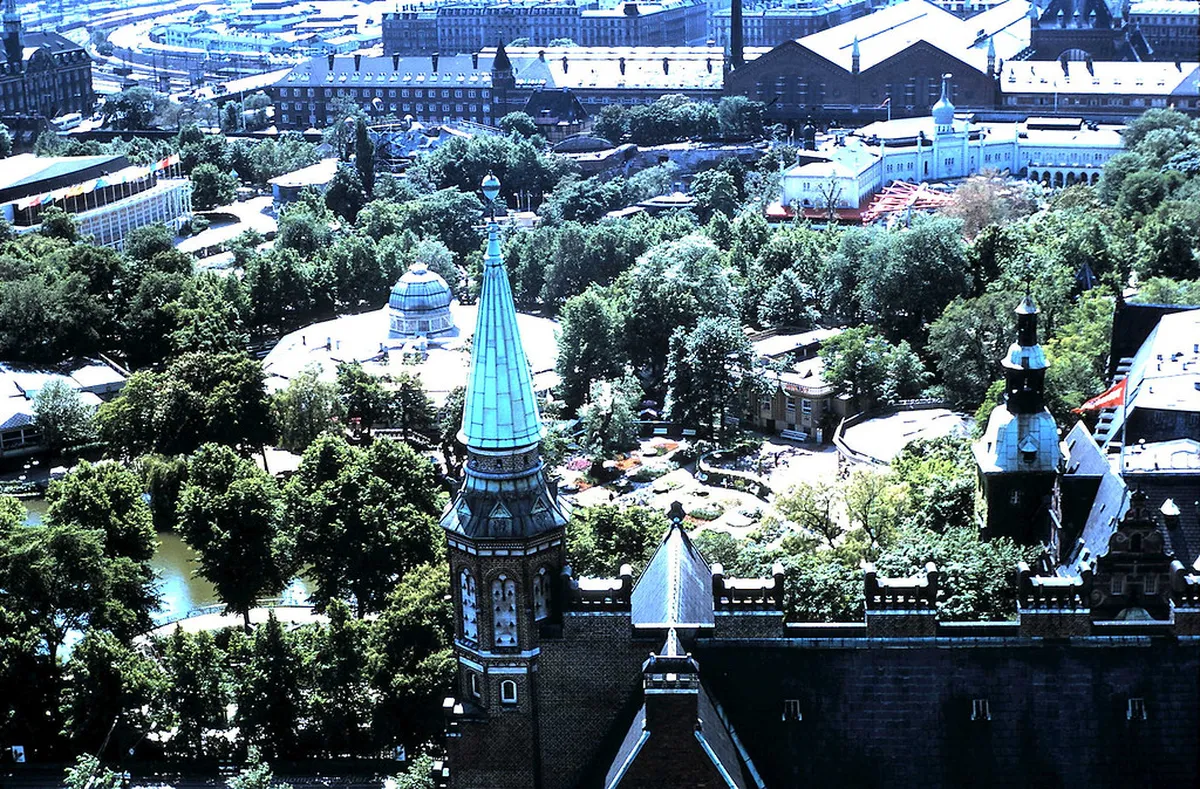
Malmö, Sweden's third-largest city, offers diverse charm all year. Choosing the best time to visit Malmö truly depends on your travel desires. Do you prefer sunny beaches, festive winter markets, or a quiet shoulder-season escape?
This comprehensive guide covers every month — average temperatures, rainfall, daylight hours, crowd levels, and what's on — so you can pick the perfect window for your 2026 trip. Explore Malmö's best itinerary options to plan what you'll actually do once you arrive.
Quick Answer: When Is the Best Time to Visit Malmö?
Turn this guide into a personal route with our free Malmö itinerary planner.
The best time to visit Malmö is June to early September for warm weather and the full outdoor-life experience, or late April through May and September through October for pleasant conditions, smaller crowds, and noticeably lower hotel rates. December is worth it if Christmas markets are your goal.
Avoid January and February unless you are comfortable with cold, grey days and very limited daylight — roughly 7–8 hours. Those months offer the cheapest prices but the thinnest reward for sightseers.
Malmö Month-by-Month Weather Breakdown
Malmö has a temperate oceanic climate (Köppen Cfb) shaped by the Baltic Sea and Denmark just across the Öresund strait. Winters are mild by Scandinavian standards; summers are genuinely warm with exceptionally long daylight hours. Here is what to expect each month.
January
Avg high / low: 3°C / −1°C (37°F / 30°F) | Rainfall: ~45 mm | Daylight: ~7–8 hrs | Crowds: Very low
January is the coldest and darkest month. Frost and occasional light snow are possible, though heavy snowfall is rare. The city is quiet — hotels are cheap and museums empty. Useful if your visit is work-related or you genuinely love hygge-by-fire winters. Dress in proper thermal layers.
February
Avg high / low: 4°C / −1°C (39°F / 30°F) | Rainfall: ~35 mm | Daylight: ~9 hrs | Crowds: Very low
February shares January's character but daylight grows noticeably toward month-end. It is statistically the driest month of the year, which makes it slightly more walkable than January. Prices remain at their annual low — the right trade-off for budget travellers who do not mind cold.
March
Avg high / low: 7°C / 1°C (45°F / 34°F) | Rainfall: ~37 mm | Daylight: ~11–12 hrs | Crowds: Low
Spring genuinely begins to stir in March. Temperatures are still chilly but daylight jumps sharply after the clocks change in late March. Parks like Kungsparken start to show the first green shoots. Prices remain low; shoulder-season deals on Scandinavian flights often appear in March before Easter.
April
Avg high / low: 12°C / 4°C (54°F / 39°F) | Rainfall: ~30 mm | Daylight: ~13–14 hrs | Crowds: Low–moderate
April is Malmö's driest month and a genuinely underrated window. Temperatures are comfortable for walking and daylight stretches past 8 pm by end of month. Slottsparken's cherry trees bloom. Easter weekend can push prices up for a few days — book around it if budget matters. A light waterproof jacket is still essential.
May
Avg high / low: 17°C / 8°C (63°F / 46°F) | Rainfall: ~35 mm | Daylight: ~15–16 hrs | Crowds: Moderate
May is one of the best months to visit Malmö. The city feels alive — outdoor café terraces reopen, parks are vibrant with blossoms, and the climate is genuinely pleasant without the summer crush. Ribersborg beach walk is lovely even though the water is still cold (~10°C). Hotel rates have not yet hit their peak. Pack a layer for evenings.
June
Avg high / low: 20°C / 12°C (68°F / 54°F) | Rainfall: ~55 mm | Daylight: ~17 hrs | Crowds: High
June marks the start of peak season. The midsummer solstice falls mid-month — daylight is extraordinary, with the sun setting after 10 pm. Midsommar (around June 19–20 in 2026) is a major Swedish celebration; expect festivities across the city. Ribersborgs Kallbadhus opens full summer hours. Book accommodation 6–8 weeks ahead.
July
Avg high / low: 22°C / 14°C (72°F / 57°F) | Rainfall: ~65 mm | Daylight: ~17 hrs | Crowds: Peak
July is the warmest month and the most visited. The Baltic Sea warms to around 18–20°C — comfortable for swimming at Ribersborg. Outdoor concerts fill Folkets Park and Pildammsparken. This is also the most expensive month; weekend rates at central hotels can be 40–60% above off-peak. Book flights and accommodation months in advance.
August
Avg high / low: 22°C / 14°C (72°F / 57°F) | Rainfall: ~70 mm | Daylight: ~15 hrs | Crowds: Peak (early), tapering (late)
August is the wettest month but temperatures stay high. The headline event is Malmöfestivalen — Scandinavia's largest free city festival, typically held over a week in mid-August. Expect hundreds of thousands of visitors during festival week; book months ahead. From the third week of August, schools re-open across Scandinavia and crowds ease noticeably.
September
Avg high / low: 18°C / 10°C (64°F / 50°F) | Rainfall: ~60 mm | Daylight: ~13 hrs | Crowds: Low–moderate
September is one of Malmö's finest months. The summer warmth lingers — daily highs still reach 18°C — while crowds and prices drop sharply after the festival. Sea temperature is around 15–17°C, still manageable for a brave swim. Autumn colours begin to appear in Slottsparken and Husiegårdsparken. A strong value pick for travellers who missed summer.
October
Avg high / low: 13°C / 6°C (55°F / 43°F) | Rainfall: ~55 mm | Daylight: ~10–11 hrs | Crowds: Low
October is the most photogenic autumn month. Parks blaze orange and red; early morning light in Kungsparken is remarkable. Temperatures are jacket-weather but very walkable. Museum queues are short and restaurants book-on-the-day. Prices are well below summer peaks. A waterproof outer layer is useful as rain showers are frequent.
November
Avg high / low: 8°C / 3°C (46°F / 37°F) | Rainfall: ~55 mm | Daylight: ~8–9 hrs | Crowds: Very low
November is the least-visited month alongside January. Days are short and grey. The city turns inward — this is peak fika season, with warmly lit cafes and cosy interiors making it feel very Scandinavian. Indoor attractions like Malmö Museer, Moderna Museet Malmö, and Malmöhus Castle are crowd-free. Prices are at their annual low outside December.
December
Avg high / low: 4°C / 1°C (39°F / 34°F) | Rainfall: ~50 mm | Daylight: ~7 hrs | Crowds: Moderate (peak: mid-Dec)
December transforms Malmö with Christmas lights and market stalls. Stortorget and Lilla Torg host festive markets from late November through Christmas Eve. Glögg, pepparkakor, and handmade gifts create a genuinely magical atmosphere. It is the most expensive non-summer month due to holiday demand — prices spike the second and third weeks of December. Book early.
Malmö Season by Season
Spring (March–May): Blooming Beauty and Shoulder Prices
Spring brings gradually warming days, blooming parks, and growing daylight. April is the driest month of the year. Crowd levels are low until late May, and hotel prices are 20–30% below peak summer rates. Outdoor terraces reopen in May and the city feels energetic without feeling crowded. This is the best season for budget travellers who still want good weather.
What to wear: layers. A waterproof jacket handles spring showers; a mid-layer keeps you comfortable in March and early April.
Summer (June–August): Long Days and Outdoor Life
Summer is peak season for good reason. Daylight stretches to nearly 17 hours in June, temperatures are genuinely warm, and the entire city moves outdoors. Ribersborg beach, Folkets Park, and the Western Harbour canal district are at their best. Malmöfestivalen (August) draws huge crowds and offers a week of free concerts and food events.
The downside: accommodation prices peak, and July–early August is the most crowded period. Plan ahead and book 6–8 weeks in advance for summer weekends.
Autumn (September–November): Crisp Air and Excellent Value
Autumn delivers one of the most rewarding Malmö experiences for independent travellers. September still feels summery; October is a stunning foliage month; November is for those who love a cosy, quiet city break. Crowds thin rapidly after Malmöfestivalen, prices drop, and the cultural calendar fills with indoor events.
September in particular offers exceptional value: summer temperatures, autumn prices, and short queues at every attraction.
Winter (December–February): Festive Markets and Hygge
Malmö's winter is mild by Scandinavian standards — temperatures rarely drop below −5°C — but daylight is scarce. December stands apart thanks to Christmas markets and lights. January and February are strictly for budget travellers or those who love having a European city almost to themselves. Saunas and warm restaurants make the cold manageable and even enjoyable.
Best Time to Visit Malmö for Specific Goals
Best for Beach and Ribersborg Swimming
The water at Ribersborg warms slowly through the Baltic summer. The sweet spot for sea swimming is mid-July to late August when water temperatures hit 18–20°C. June is fine for sunbathing and the outdoor bath (Kallbadhus) experience; water is around 14–16°C. Ribersborgs Kallbadhus is open year-round — the sauna and cold-plunge experience is popular even in winter.
Best for Festivals and Events
Malmöfestivalen (August 2026) is the headline event — Scandinavia's largest free city festival with concerts, street food, and cultural performances spread across central Malmö for a full week. Book accommodation at least 2–3 months in advance for festival week.
Midsommar (June 19–21, 2026): Sweden's most culturally distinctive celebration. Public spaces fill with dancing, traditional food, and flower garlands. Unique atmosphere not replicated anywhere else in Europe.
Christmas markets (late November–December 24): Stortorget and Lilla Torg host the main markets. Advent weekends are the busiest; arrive on a weekday for a calmer experience.
Best for Fewer Crowds
The quietest periods are late April–May and September–October. Museums, restaurants, and attractions run at a fraction of summer capacity. Even major sites like Malmöhus Castle and Moderna Museet Malmö rarely require queuing. The city feels local and unhurried.
Best for Cheaper Hotels
The cheapest months are January, February, and November, with average rates 35–50% below peak July. Early March and late October are nearly as affordable. If you want value without winter gloom, late September and October offer the best price-to-experience ratio — comfortable temperatures, beautiful foliage, and low rates.
Best for a Day Trip to Copenhagen
The Öresund Bridge train links Malmö Central to Copenhagen in about 35 minutes and runs year-round. Any season works for a Copenhagen day trip. In summer, both cities are at peak energy but prices are high. In shoulder seasons, a Malmö base for Copenhagen day trips saves significantly on accommodation — Copenhagen hotels are among Europe's most expensive.
Best for Christmas Markets
Visit early to mid-December. The markets open from the last week of November and run until December 24. Weekdays are quieter; December 12–23 is the busiest window when Swedish families complete their holiday shopping. Stortorget Christmas market is the most atmospheric; Lilla Torg adds craft stalls and warm-drink vendors nearby.
What to Pack for Each Season
- Spring (Mar–May): Waterproof jacket, mid-layer fleece, comfortable walking shoes. Temperatures vary 5–17°C across the season.
- Summer (Jun–Aug): Light layers, sunscreen, sunglasses, and a compact rain jacket for August showers. Evenings cool to 12–14°C even in July.
- Autumn (Sep–Nov): Waterproof outer layer, warm mid-layer, sturdy shoes. October rain is frequent; pack for it.
- Winter (Dec–Feb): Thermal base layers, insulated coat, warm hat, gloves, and waterproof boots. Wind chill from the Öresund can be sharp.
Before you go, check our full what to pack for Malmö guide and browse the best Malmö day trips to plan your excursions.
Frequently Asked Questions
When is the best time to visit Malmö?
The best time to visit Malmö in 2026 is June to early September for warm weather and outdoor activities, or late April–May and September–October for shoulder-season value with fewer crowds and lower hotel rates. December is worth it specifically for Christmas markets.
What is the warmest month in Malmö?
July and August are the warmest months in Malmö, with average daily highs of 22°C (72°F) and lows around 14°C (57°F). The Baltic Sea reaches its peak water temperature of 18–20°C in July and August — the best window for swimming at Ribersborg beach.
What is the cheapest month to visit Malmö?
January, February, and November are the cheapest months to visit Malmö. Hotel rates average 35–50% below July peaks. For the best combination of low prices and still-pleasant weather, aim for late September or October — temperatures stay around 13–18°C and autumn colours make parks beautiful.
What is the rainiest month in Malmö?
August is the wettest month in Malmö with around 70–76 mm of rainfall. Interestingly, April is the driest month with only around 30 mm. Rain in Malmö tends to come as short showers rather than extended downpours, so a compact waterproof jacket handles most days well.
Is Malmö worth visiting in winter?
Yes — with the right expectations. December is genuinely worthwhile for Christmas markets, festive lights, and glögg. January and February are for budget travellers who enjoy quiet cities; daylight is short (7–8 hours) and temperatures hover near freezing, but museums are crowd-free and hotels are cheap. The sauna culture at Ribersborgs Kallbadhus is an authentic winter experience.
How many days do I need in Malmö?
Most visitors find 2–3 days enough to cover Malmö's main highlights — the Western Harbour, Gamla Stan, Malmöhus Castle, and a day trip to Copenhagen. If you are attending Malmöfestivalen or want a slower pace with multiple day trips, extend to 4–5 days. See our Malmö itinerary guide for detailed day-by-day planning.
Malmö Travel Planning: Key Takeaways for 2026
- Peak season (July–August): Warmest weather, Malmöfestivalen, and longest days — but highest prices and biggest crowds. Book 6–8 weeks ahead for accommodation.
- Best value windows: Late April–May and September–October deliver pleasant conditions, low crowds, and prices 20–40% below peak.
- Summer sweet spot: Early June combines long daylight (Midsommar!) and manageable crowds before the July peak.
- Winter highlight: December Christmas markets at Stortorget and Lilla Torg — book mid-week to avoid weekend crowds.
- Driest month: April (30 mm rainfall) — ideal if you hate rain more than cold.
- Wettest month: August (70–76 mm) — pack a rain jacket even in summer.
- Beach season: Mid-July to late August for swimming; Ribersborgs Kallbadhus sauna is a year-round experience worth trying in any season.
- Always pack layers — Malmö's weather is changeable, and coastal winds make temperatures feel cooler than forecast.
Ready to start planning? Browse our complete Malmö itinerary guide for day-by-day ideas across every season. For packing essentials, see what to pack for Malmö, and for excursions beyond the city check the best day trips from Malmö. You can also browse Visit Malmö's official events calendar for the latest festival dates, and consult Climate-Data.org's Malmö climate page for the most current monthly temperature and rainfall averages.