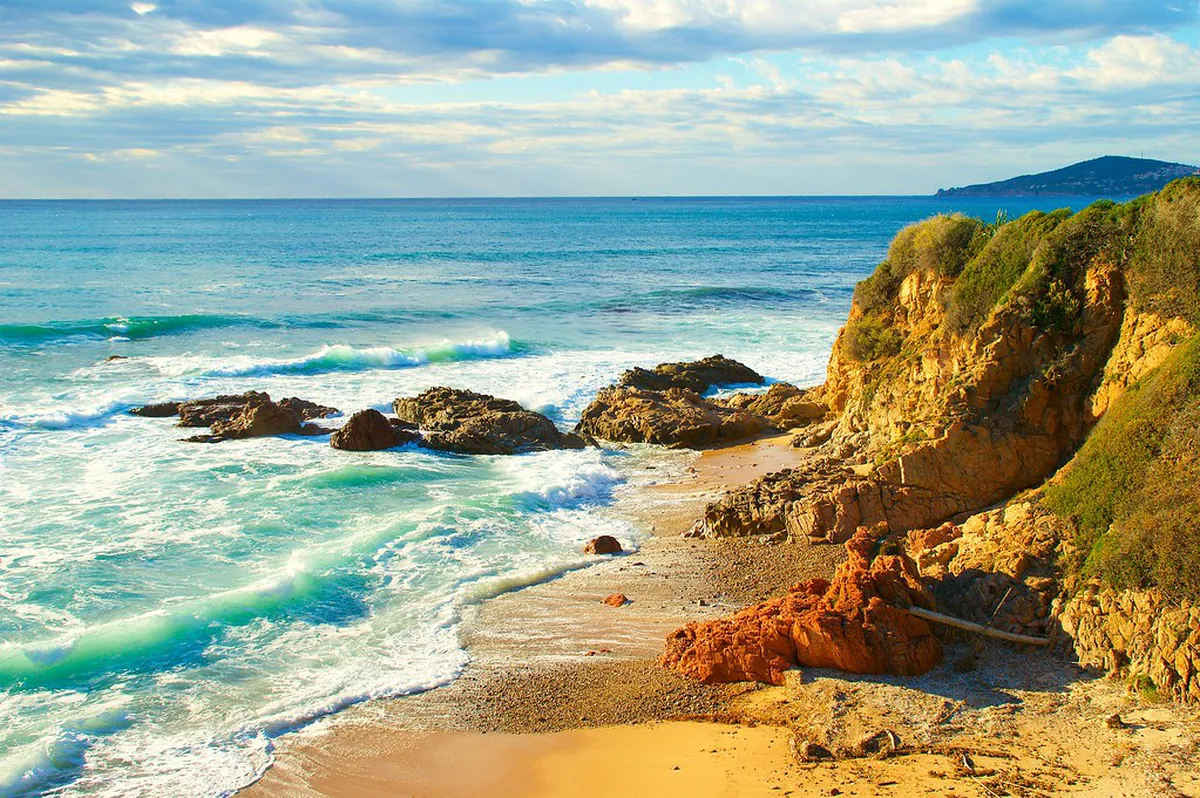
From city-centre coves beneath the Genoese Citadelle to wild dune beaches carved from granite headlands north-west of town, the Ajaccio beach guide below covers every realistic option for a 2026 visit. Whether you have one afternoon or a full week of swimming, you will find the right patch of sand or pebble here. Pair this guide with our overview of things to do in Ajaccio to build a complete day-by-day plan. As the capital of Corsica, Ajaccio sits at the head of a sheltered gulf, so its beaches enjoy some of the island's calmest Mediterranean swimming.
Key Takeaways
Turn this guide into a personal route with our free Ajaccio itinerary planner.
- Ajaccio's best in-town beach is Plage Saint-François — walkable from the Old Town and ideal for families.
- The Route des Sanguinaires stretch (Barbicaja, Marinella) offers a string of sandy coves just 5–10 minutes by bus from the centre.
- Plage de Capo di Feno is Ajaccio's wildest beach: no facilities, gentle surf, and dunes backed by protected maquis — worth the 25-minute drive.
- The sea is warmest and calmest from mid-July to mid-September; May–June and September–October offer quieter crowds with still-swimmable water.
- Boat trips depart from the port daily in summer to reach hidden coves and the turquoise shallows around the Îles Sanguinaires.
Ajaccio Beach Overview: At a Glance
The table below summarises the main beaches so you can match each one to your priorities before reading the full descriptions.
| Beach | Type | Distance from City Centre | Best For |
|---|---|---|---|
| Plage Saint-François | Sand & fine gravel | 0.5 km (10 min walk) | Families, first-timers |
| Plage du Trottel | Sand | 1.5 km (15 min walk) | Locals, casual swimming |
| Plage de Barbicaja | Sand | 4 km (10 min by bus) | Sunbathing, young crowd |
| Plage de Marinella | Sand | 5 km (12 min by bus) | Watersports, families |
| Plage du Ricanto (Tahiti Beach) | Long sand | 6 km (15 min by bus) | Long swims, kite-surfing |
| Plage de Capo di Feno | Sand & dunes | 18 km (25 min by car) | Wild swimming, seclusion |
| Îles Sanguinaires coves | Rocky coves | Boat or Route des Sanguinaires | Snorkelling, dramatic scenery |
Plage Saint-François: The Heart of Ajaccio's Waterfront
Tucked beneath the ramparts of the Genoese Citadelle at the eastern end of the bay, Plage Saint-François is the most central beach in Ajaccio and the one most visitors encounter first. The crescent of fine sand and light gravel sits just a ten-minute stroll south of Place Foch, making it a natural extension of a morning spent at the Napoleon birthplace or the Fesch Museum. Entry is free, lifeguards are on duty in July and August, and you will find showers, sunbed rentals, and a handful of beach-bar terraces selling cold drinks and salade niçoise.
The water here is calm and shallow close to shore — a genuine advantage for young children — though mild boat traffic in the bay means it is not the clearest in the area. Arrive before 10 am or after 5 pm in peak summer to claim a spot without feeling crowded. A short promenade path connects the beach westward to the Vieux Port, so you can combine a morning swim with the afternoon market without needing transport.
Plage du Trottel: The Local's Everyday Beach
About 1.5 kilometres north-east of the city centre along the Boulevard Sampiero, Plage du Trottel is where Ajaccio residents go for a quick after-work swim. It is a straight stretch of light sand with no sunbed concessions or beach bar — which keeps it uncrowded even in August. The water is clean and sandy-bottomed; accessible on foot in around 20 minutes from the port, or by bus (alight early on the Ricanto line). It suits travellers who want a quick dip within the city rather than a half-day beach excursion.
Route des Sanguinaires: Barbicaja, Marinella and the Beach Strip
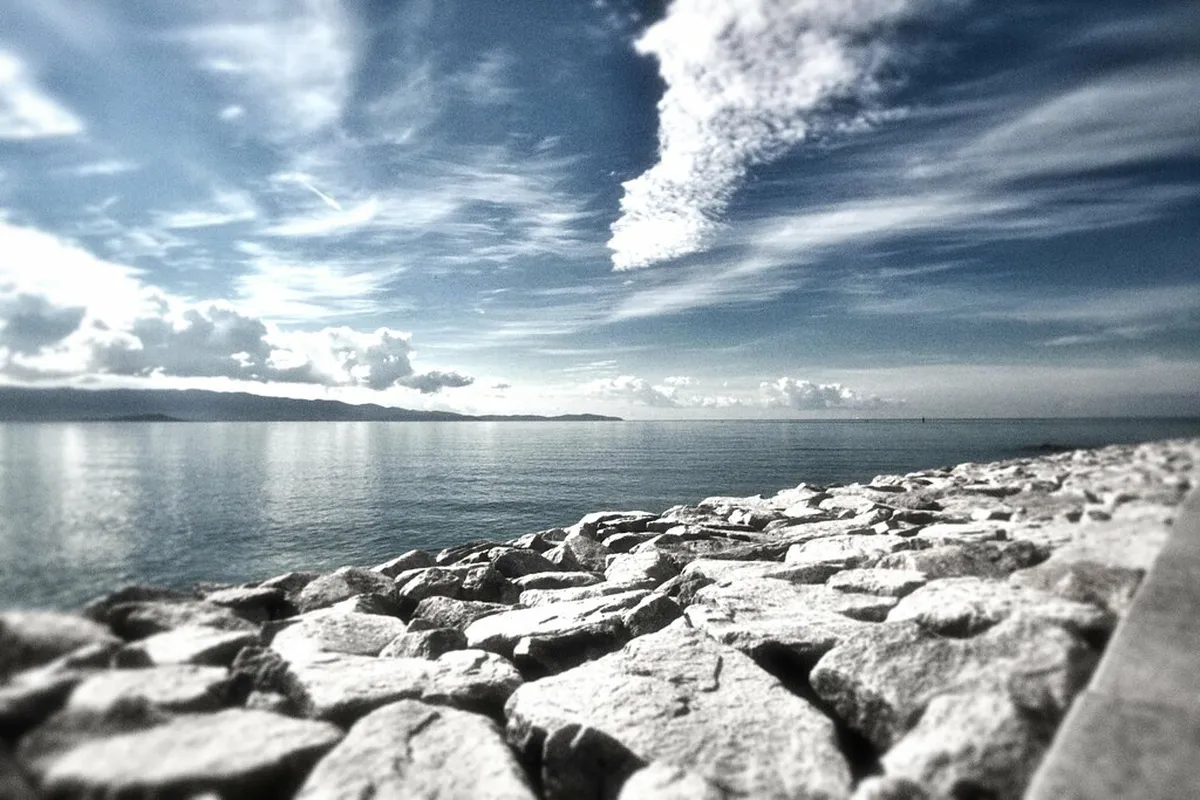
The D111 — popularly known as the Route des Sanguinaires — runs west from the city along the northern shore of the Gulf of Ajaccio for roughly 12 kilometres, ending near the Îles Sanguinaires archipelago. Along this road you will find the densest concentration of family-friendly beaches within easy reach of the centre. For official visitor information on the wider island, see the Corsica regional tourism board.
Plage de Barbicaja at around the 4-kilometre mark is the first sizeable beach you reach. A broad band of golden sand fronts a shallow bay; the water is calm, and the beach has a popular snack-bar restaurant that does excellent Corsican charcuterie plates at lunch. Sunbeds and parasols are available to rent. City bus line 5 (Gare routière → Sanguinaires) drops you within a two-minute walk.
Plage de Marinella sits one kilometre further along the same route. It is slightly larger than Barbicaja and better equipped for watersports: paddle-board and kayak hire is available from a concession in the car park during summer. The beach faces due west, which means afternoon light is excellent and sunsets from here are spectacular. Both beaches are usable from May through October.
Plage du Ricanto (Tahiti Beach): Ajaccio's Longest Sandy Stretch
On the opposite side of the city from the Route des Sanguinaires, Plage du Ricanto — unofficially called Tahiti Beach by locals — runs for nearly two kilometres along the D261 south of the airport. At around 6 kilometres from the city centre, it is the longest continuous sand beach accessible from Ajaccio without a car (bus line 1 towards Ricanto stops at the northern end of the beach).
The broad, flat sand is backed by a strip of pines that provide natural shade in the afternoon, making it a favourite with families bringing young children who need shelter from the midday sun. Kite-surfing and windsurfing are popular at the southern end where afternoon thermal winds pick up reliably from June through August. The water is clear with a gentle slope, and you can wade out 30–40 metres before losing your footing — ideal for nervous swimmers.
Facilities include lifeguards in summer, showers, toilets, and several beach restaurants. If you are departing from Ajaccio Campo dell'Oro Airport, a morning at Ricanto before an afternoon flight is a practical option — the terminal is less than two kilometres from the beach.
Plage de Capo di Feno: Wild Corsica Near the City
Located roughly 18 kilometres north-west of Ajaccio via the D81 and a short dirt track, Plage de Capo di Feno sits within a protected coastal reserve — no buildings, no facilities, just a long arc of pale sand backed by dunes and maquis scrub. The sea faces north-west and receives gentle swells, making it the best spot near Ajaccio for body-surfing and stand-up paddleboarding. Bring drinking water and everything else you need; a hire car is essential since there is no public transport. Parking fills by 9 am on August weekends. Despite the effort, Capo di Feno rivals Corsica's far-south beaches yet sits just 25 minutes from the port. For more ideas beyond the city, see our guide to day trips from Ajaccio.
The Îles Sanguinaires: Coves by Boat
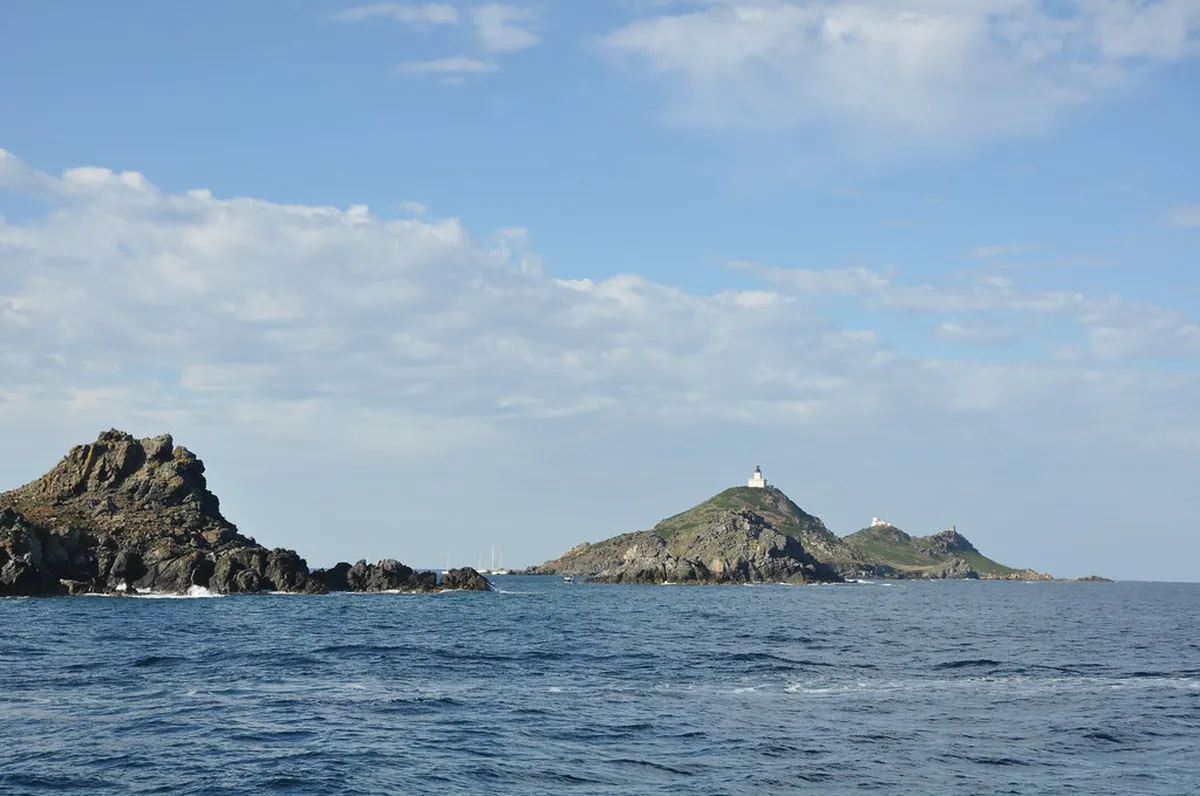
The four small islands at the western end of the Route des Sanguinaires are a nature reserve closed to visitors, but the channel between them and the mainland is lined with transparent rocky coves reachable only by sea. Several operators run half-day excursions from Ajaccio's main port from late May to mid-October, anchoring in two or three coves for swimming and snorkelling. Visibility of 15–20 metres is normal in calm conditions. Prices run €35–50 per adult; book a day ahead in high season as boats sell out quickly.
When to Swim: Sea Temperature and Seasonal Notes
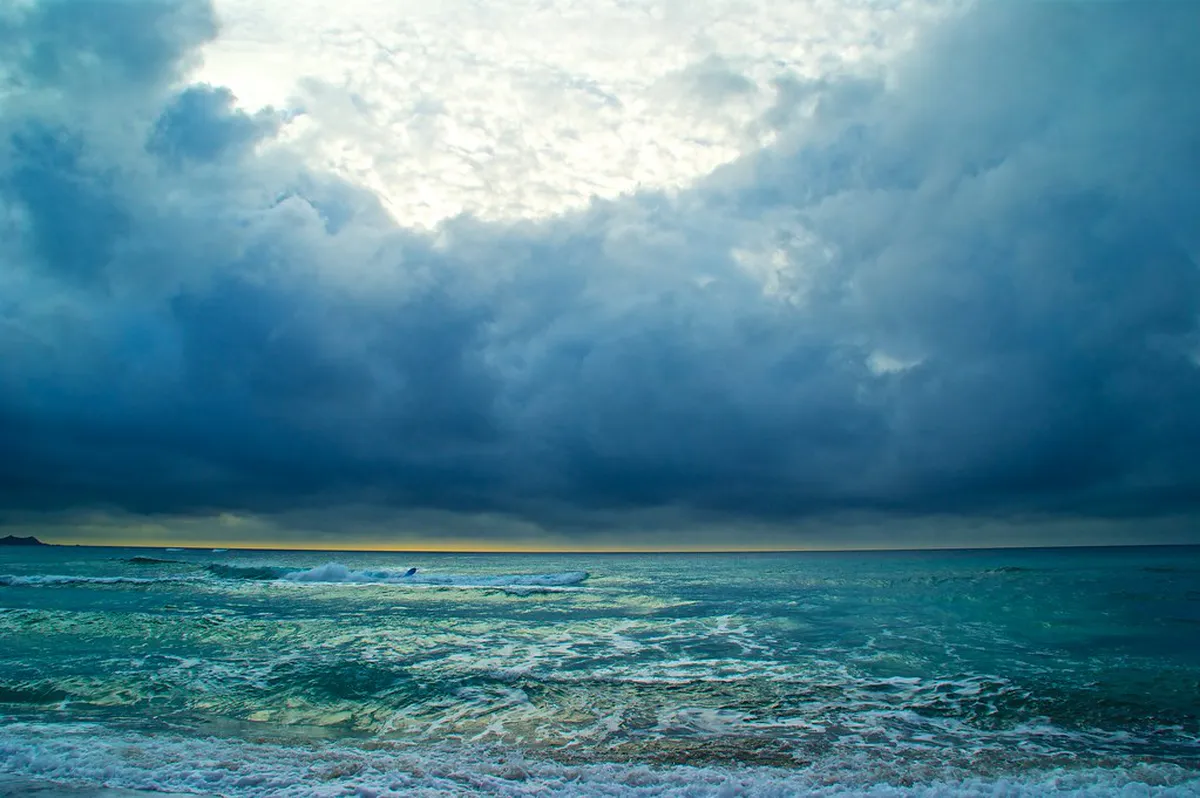
The sea around Ajaccio warms slowly: 18–20°C in May–June, peaking at 24–26°C from mid-July through mid-September — about eight weeks of ideal swimming. September and early October are a local favourite: warm water, smaller crowds, and the fragrant maquis at its best. For monthly weather detail, see our guide to the best time to visit Ajaccio.
In July and August, supervised beaches (Saint-François, Barbicaja, Marinella, Ricanto) use standard flag colours: green is safe, yellow means caution, red means no swimming. Jellyfish (meduse) appear occasionally in late summer after easterly winds — checking the Météo-France app before heading out is a sensible habit.
Frequently Asked Questions
What is the best beach in Ajaccio for families with young children?
Plage Saint-François is the easiest choice for families — it is walkable from the city centre, has lifeguards in summer, and the water is shallow close to shore. Plage de Barbicaja and Plage du Ricanto are also excellent family options, with calm water, sunbed rentals, and beach restaurants. All three are served by city buses, so you do not need a hire car.
Can I reach Ajaccio's beaches without a car?
Yes. City bus line 5 covers the Route des Sanguinaires (Barbicaja and Marinella) and line 1 reaches Plage du Ricanto — both operate frequently in summer for around €2 per trip. Plage Saint-François is walkable from the Old Town. The only beach that genuinely requires a hire car or taxi is Plage de Capo di Feno, which sits 18 kilometres north-west of the city on a dirt track with no public transport.
Are the beaches in Ajaccio free?
All public beaches in and around Ajaccio — including Saint-François, Barbicaja, Marinella, Ricanto, and Capo di Feno — are free to access. Sunbed and parasol hire at the more developed beaches (Barbicaja, Marinella, Ricanto) costs around €10–15 per set per day. Boat trips to the coves near the Îles Sanguinaires are a paid activity, typically €35–50 per adult for a half-day excursion.
Ajaccio's beaches range from a ten-minute walk from Napoleon's birthplace to a wild dune landscape 25 minutes by car. The variety is remarkable: a car-free day can cover Barbicaja, Marinella, and a sunset boat trip without leaving the Gulf of Ajaccio. Use our guide to things to do in Ajaccio to slot the beach days into your wider 2026 itinerary.